Complete Vietnam Travel Guide 2026: First-Timer's Essential Handbook
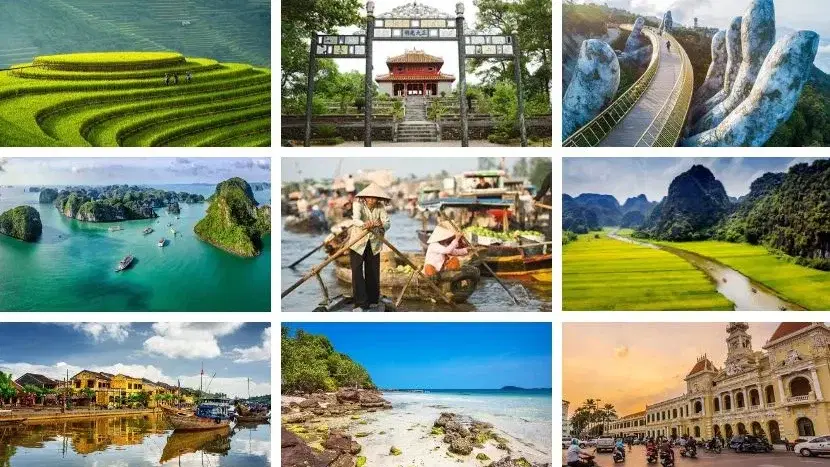
Vietnam has transformed into one of Southeast Asia's most captivating destinations, offering an intoxicating blend of ancient culture, stunning natural beauty, vibrant cities, and some of the world's best cuisine—all at incredibly affordable prices. Whether you're drawn by the mystical limestone karsts of Halong Bay, the bustling streets of Hanoi's Old Quarter, the pristine beaches of Da Nang, or the rich history of Ho Chi Minh City, Vietnam promises an adventure that will exceed your expectations.
But planning your first trip to Vietnam can feel overwhelming. Which cities should you visit? How do you get a visa? What's a realistic budget? Is it safe? How do you get around? This comprehensive guide answers all these questions and more, giving you everything you need to plan an incredible Vietnamese adventure with confidence.
🎯 Quick Tip: Start your Vietnam journey right by securing your visa first. The new e-Visa system makes it easy to apply online in just minutes—no embassy visit required. Apply at least 5-7 days before your trip, or use urgent processing for last-minute travel.
Before You Go: Essential Planning
Visa Requirements
Good news: Vietnam has significantly simplified its visa process! Most travelers can now apply for an e-Visa online, which is valid for up to 90 days with single or multiple entry options.
Here's what you need to know:
- E-Visa eligibility: Citizens from over 80 countries can apply online (including US, UK, Canada, Australia, most European countries)
- Processing time: Standard processing takes 3-5 business days
- Requirements: Valid passport (6+ months remaining), digital photo, payment method
Pro tip: Apply for your Vietnam e-Visa at least one week before departure. If you're booking last-minute, priority processing services can get your visa approved in as little as 4 hours.
Travel Insurance
Don't skip this! Medical care in Vietnam is affordable, but travel insurance protects you against:
- Medical emergencies and evacuation
- Trip cancellations and delays
- Lost luggage and theft
- Adventure activities (motorbike riding, diving)
Expect to pay $40-80 for 2 weeks of coverage. Popular providers include World Nomads, SafetyWing, and Allianz.
Vaccinations and Health
Required vaccinations: None (unless arriving from yellow fever zones)
Recommended vaccinations:
- Hepatitis A and B
- Typhoid
- Tetanus
- Japanese Encephalitis (if visiting rural areas)
- Rabies (if working with animals)
Consult your doctor 4-6 weeks before departure. Learn more about health and safety considerations.
Money Matters
- Currency: Vietnamese Dong (VND)
- Exchange rate (2026): Approximately 24,000 VND = $1 USD
- Cash vs Card: Vietnam is increasingly card-friendly in cities, but cash is still king in rural areas and for street food
- ATMs: Widely available; withdrawal limits typically 2-5 million VND ($80-200)
- Credit card acceptance: Good in hotels, restaurants, and shops in major cities
Money-saving tip: Withdraw larger amounts less frequently to minimize ATM fees (usually $3-5 per transaction).
Understanding Vietnam's Regions

Vietnam stretches over 1,650 km (1,025 miles) from north to south, creating three distinct regions with different climates, cultures, and attractions:
Northern Vietnam
Main city: Hanoi (capital)
Highlights:
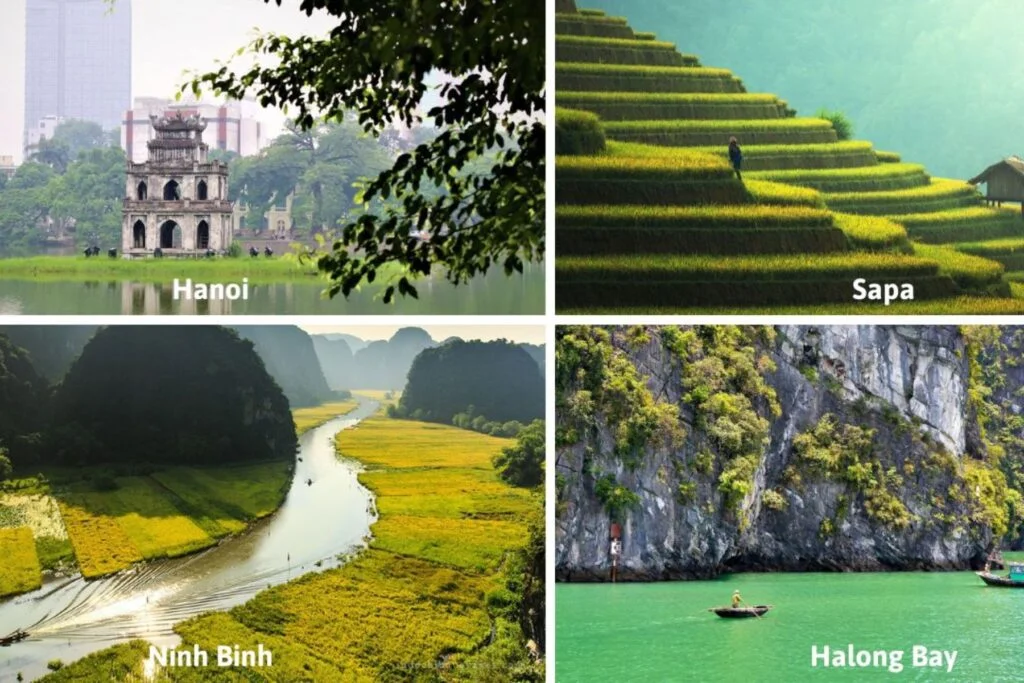
- Hanoi: Ancient capital with 1,000+ years of history, French colonial architecture, vibrant Old Quarter
- Halong Bay: UNESCO World Heritage Site with iconic limestone islands
- Sapa: Mountain town with terraced rice fields and ethnic minority villages
- Ninh Binh: "Halong Bay on land" with karst landscapes and rivers
Climate: Four distinct seasons; cold winters (Dec-Feb), hot summers (June-Aug)
Vibe: Traditional, historical, more reserved culture; strong Chinese influence
Central Vietnam
Main cities: Hue, Da Nang, Hoi An
Highlights:
- Hoi An: UNESCO Ancient Town with lantern-lit streets and tailor shops
- Hue: Former imperial capital with ancient citadel and royal tombs
- Da Nang: Modern beach city with Golden Bridge and Marble Mountains
- Phong Nha-Ke Bang: World's largest caves
Climate: Hot and dry (Feb-Aug); rainy season with potential typhoons (Sep-Jan)
Vibe: Laid-back, beach-focused; blend of north and south culture
Southern Vietnam
Main city: Ho Chi Minh City (Saigon)
Highlights:
- Ho Chi Minh City: Bustling metropolis with French colonial buildings and war history
- Mekong Delta: Floating markets, river life, fruit orchards
- Phu Quoc: Tropical island paradise with beaches and diving
- Cu Chi Tunnels: Underground war tunnels from Vietnam War
Climate: Two seasons—dry (Nov-Apr) and rainy (May-Oct); consistently warm year-round
Vibe: Fast-paced, entrepreneurial, more westernized; tropical energy
Best Time to Visit Vietnam
Short answer: November to April is ideal for most of the country, with dry weather and comfortable temperatures.
Detailed breakdown by region:
Northern Vietnam (Hanoi, Halong Bay, Sapa)
- Best time: October-November and March-April (pleasant weather, fewer crowds)
- Peak season: December-February (cold but dry; Sapa can be foggy)
- Avoid: June-August (hot, humid, occasional typhoons)
Central Vietnam (Hue, Da Nang, Hoi An)
- Best time: February-May (dry, warm, perfect beach weather)
- Peak season: July-August (hot but popular with domestic tourists)
- Avoid: September-December (rainy season, typhoon risk)
Southern Vietnam (HCMC, Mekong, Phu Quoc)
- Best time: December-April (dry season, comfortable temperatures)
- Peak season: December-February (coolest months)
- Avoid: May-October (rainy season, though rain is usually short afternoon showers)
Perfect compromise: Visit in February-March for excellent weather across all three regions.
Festival timing: Lunar New Year (Tet) usually falls in late January or February. While festive, many businesses close for 3-7 days, and prices spike. Plan accordingly!
For a deep dive into seasonal considerations, check out our complete guide to the best months to visit Vietnam.
Top Destinations to Visit
1. Hanoi (3-4 days)
Vietnam's capital for over 1,000 years, Hanoi perfectly balances ancient traditions with modern energy.
Must-see attractions:
- Old Quarter: 36 ancient streets, each historically dedicated to a specific trade
- Hoan Kiem Lake: Central lake with Ngoc Son Temple
- Temple of Literature: Vietnam's first university (1070 AD)
- Ho Chi Minh Mausoleum: Final resting place of Vietnam's revolutionary leader
- Water Puppet Theater: Traditional art form unique to northern Vietnam
Best experiences:
- Street food walking tour
- Egg coffee at Cafe Giang
- Motorbike tour around West Lake
- Day trip to Ninh Binh or Halong Bay
Why visit: Hanoi offers authentic Vietnamese culture with French colonial charm, incredible street food, and serves as the gateway to Halong Bay and Sapa.
2. Halong Bay (1-2 days)
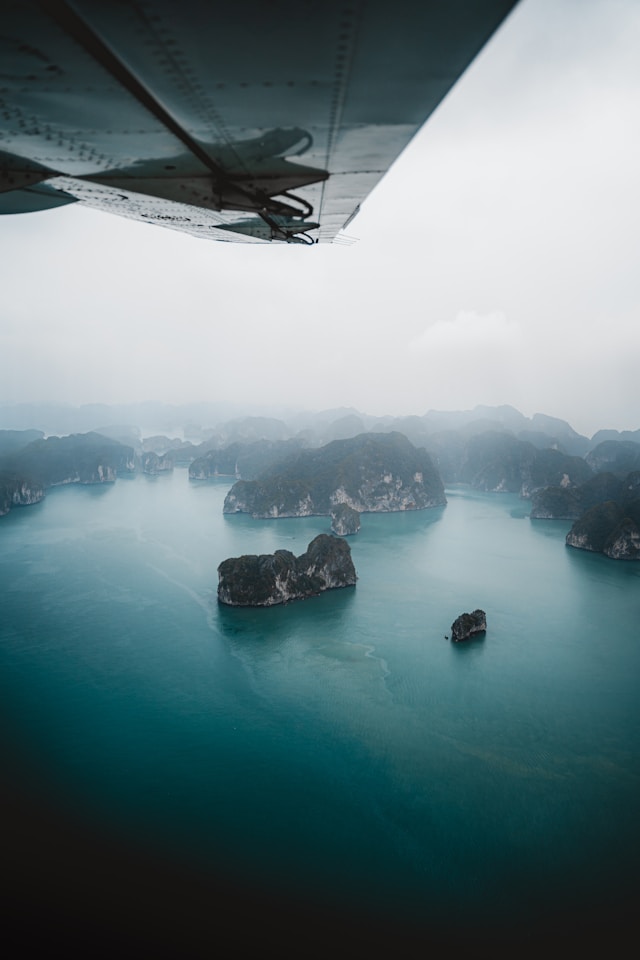
A UNESCO World Heritage Site featuring 1,600+ limestone islands rising from emerald waters.
How to visit:
- Day cruise: 6-8 hours from Hanoi (budget option but rushed)
- Overnight cruise: 1 night/2 days (most popular, highly recommended)
- 2-night cruise: 2 nights/3 days (luxury, explores further)
Activities:
- Kayaking between limestone karsts
- Swimming in hidden lagoons
- Cave exploration (Sung Sot Cave, Thien Cung Cave)
- Tai chi at sunrise on the deck
- Squid fishing at night
Pro tip: Consider Lan Ha Bay (less touristy) or Bai Tu Long Bay (more remote) as alternatives to crowded Halong Bay.
3. Hoi An (2-4 days)
A perfectly preserved ancient trading port, famous for its lantern-lit streets and tailor shops.
Must-see attractions:
- Ancient Town: Car-free UNESCO zone with 800+ preserved buildings
- Japanese Covered Bridge: Iconic 400-year-old bridge
- Assembly Halls: Chinese clan temples with ornate architecture
- An Bang Beach: Relaxed beach 4km from town
Best experiences:
- Get custom clothes made (24-hour tailoring available!)
- Take a cooking class (best in Vietnam)
- Bike through rice paddies to villages
- Release lanterns on the river at night
- Visit during Full Moon Lantern Festival (14th of each lunar month)
Why visit: Hoi An is the most charming town in Vietnam—pedestrian-friendly, beautiful, with incredible food and beaches nearby. Perfect for slowing down.
4. Ho Chi Minh City / Saigon (2-3 days)
Vietnam's largest city and economic powerhouse, offering non-stop energy and fascinating war history.
Must-see attractions:
- War Remnants Museum: Powerful (and sobering) Vietnam War documentation
- Reunification Palace: Where the war officially ended in 1975
- Notre Dame Cathedral: French colonial landmark (currently under renovation)
- Ben Thanh Market: Chaotic traditional market (better for atmosphere than shopping)
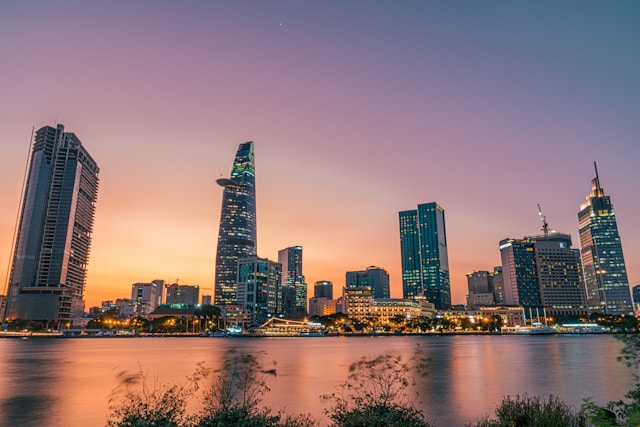
- Bitexco Financial Tower: Skyscraper with observation deck
Best experiences:
- Motorbike food tour through districts
- Cu Chi Tunnels day trip (underground war tunnels)
- Rooftop bar scene (Saigon Saigon, Social Club)
- District 1 street food crawl
- Mekong Delta day trip or overnight tour
Why visit: HCMC offers a fascinating blend of colonial history, war sites, modern development, and incredible food scene. It's the commercial heart of Vietnam.
5. Da Nang & Hoi An Region (3-5 days)
Vietnam's most rapidly developing region, combining modern beach city (Da Nang) with ancient heritage (Hoi An).
Da Nang highlights:
- Golden Bridge: Instagram-famous bridge held by giant hands
- Marble Mountains: Cave temples in limestone hills
- My Khe Beach: One of the world's most beautiful beaches
- Dragon Bridge: Breathes fire on weekend evenings
Nearby attractions:
- Hoi An: 30km south (30 minutes)
- Ba Na Hills: French colonial hill station with Golden Bridge
- My Son Sanctuary: Hindu temple ruins (UNESCO site)
- Hai Van Pass: Stunning coastal mountain road
6. Sapa (2-3 days)
Mountain town in Vietnam's far north, famous for terraced rice fields and ethnic minority villages.
Best time: September-October (harvest season, greenest terraces) or May-June (water-filled terraces reflect sky)
Activities:
- Multi-day trekking through villages
- Overnight homestays with ethnic families
- Fansipan cable car (highest peak in Indochina)
- Exploring Saturday night market
Getting there: Overnight train from Hanoi (sleep on the train, save a hotel night)
Why visit: Sapa offers a completely different side of Vietnam—mountain culture, ethnic diversity, stunning landscapes, and cool weather.
7. Mekong Delta (1-3 days)
The "rice bowl of Vietnam"—a vast network of rivers, canals, floating markets, and fruit orchards.
Key towns:
- Can Tho: Gateway city with Cai Rang floating market
- Ben Tre: "Coconut kingdom" with island exploring
- Chau Doc: Border town near Cambodia
Best experiences:
- Early morning floating market (4-6am is prime time)
- Sampan boat rides through narrow canals
- Homestay in the delta
- Cycling through villages
- Coconut candy workshops
Getting there: 2-4 hours from Ho Chi Minh City
8. Phu Quoc Island (3-5 days)
Vietnam's largest island, offering pristine beaches, diving, and a laid-back tropical vibe.
Best for:
- Beach relaxation
- Scuba diving and snorkeling
- Seafood and night markets
- Water sports
- Honeymoons and couples
Note: Phu Quoc is developing rapidly with new resorts. Visit soon for the best mix of development and authenticity.
How Many Days Do You Need?
Minimum (1 week): North highlights OR South highlights
- Option A: Hanoi (2 days) + Halong Bay (2 days) + Hoi An (3 days)
- Option B: Ho Chi Minh City (3 days) + Mekong Delta (2 days) + Phu Quoc (2 days)
Comfortable (10-14 days): North + Central OR Central + South
- Covers 2-3 regions without rushing
- Allows for travel days and rest
- Most popular timeframe for first-timers
Ideal (3-4 weeks): Entire country from north to south
- Complete experience with all major highlights
- Time for off-the-beaten-path destinations
- Slower pace, deeper cultural immersion
Extended (1-2 months): Deep exploration with smaller towns and countryside
Our recommendation for first-timers: 10-14 days focusing on North + Central (Hanoi, Halong Bay, Hoi An, Da Nang) to experience diverse landscapes, culture, and history without exhausting yourself.
Budgeting for Your Vietnam Trip
Vietnam is one of the most affordable destinations in Southeast Asia. Here's what to expect:
Budget Backpacker ($25-40/day)
- Accommodation: Hostel dorms ($5-10/night)
- Food: Street food and local restaurants ($5-10/day)
- Transport: Local buses, overnight trains ($5-15/day)
- Activities: Free walking tours, temples, beaches
- Total: $25-40 per person per day
Mid-Range Traveler ($50-100/day)
- Accommodation: Budget hotels or private rooms ($15-30/night)
- Food: Mix of local and nicer restaurants ($10-20/day)
- Transport: Domestic flights, comfortable buses ($10-30/day)
- Activities: Paid tours, entrance fees, experiences ($15-30/day)
- Total: $50-100 per person per day
Comfortable Traveler ($100-200/day)
- Accommodation: 3-4 star hotels ($40-80/night)
- Food: Nice restaurants, some Western food ($20-40/day)
- Transport: Private drivers, domestic flights ($20-50/day)
- Activities: Private tours, luxury cruises ($30-70/day)
- Total: $100-200 per person per day
Luxury Traveler ($200+/day)
- Accommodation: 5-star hotels and resorts ($100-300+/night)
- Food: Fine dining, hotel restaurants ($40-80+/day)
- Transport: Private transfers, chauffeur ($50-100+/day)
- Activities: Luxury cruises, private experiences ($50-150+/day)
- Total: $200+ per person per day
Sample 2-Week Budget (Mid-Range)
- Flights (international): $600-1,200 (varies greatly by origin)
- Accommodation (13 nights): $260-390
- Food: $200-300
- Transport (domestic): $150-250
- Activities and tours: $250-400
- Visa: $25-50
- Travel insurance: $40-80
- Miscellaneous: $100-200
- TOTAL: $1,625-2,870 for 2 weeks (excluding international flights)
Money-saving tips:
- Travel during shoulder season (March-May, September-October)
- Eat street food and local restaurants
- Take overnight buses/trains (save a hotel night)
- Book accommodations directly (avoid booking site fees)
- Use Grab (rideshare) instead of taxis
- Negotiate at markets (except restaurants and grocery stores)
Getting Your Vietnam Visa
As of 2026, Vietnam offers several visa options for tourists:
E-Visa (Recommended for Most Travelers)
Who qualifies: Citizens of 80+ countries (US, UK, Canada, Australia, most European nations, and more)
Validity options:
- 1-month single entry: Enter once, stay up to 30 days
- 1-month multiple entry: Multiple entries within 30 days
- 3-month single entry: Enter once, stay up to 90 days
- 3-month multiple entry: Multiple entries within 90 days (best for regional travel)
Processing time:
- Standard: 3-5 business days
- Expedited: 1-2 business days (additional fee)
- Urgent: 4-24 hours (premium fee)
Cost: $25 government fee + service fees if using an agency
How to apply:
- Fill out online application with passport details and photo
- Pay via credit card
- Receive approval via email
- Print and present at immigration
Pro tip: Apply through a reliable visa service to avoid errors that lead to rejections. Common mistakes include wrong photo size, typos in passport number, and incorrect entry airport.
Complete e-visa application guide
Visa-Free Entry
Some countries enjoy visa-free entry for 15-45 days. Check if your passport qualifies for visa-free access.
Visa on Arrival (VOA)
Still available but less convenient than e-visa (requires pre-approval letter and airport fees). E-visa is simpler for most travelers.
Common Visa Questions
Q: When should I apply?
A: Apply 5-7 days before departure. For last-minute trips, use urgent processing.
Q: Can I extend my visa in Vietnam?
A: Extensions are possible but complicated. It's easier to apply for a 3-month visa initially if you need more time.
Q: Do children need visas?
A: Yes, all foreign nationals need visas regardless of age.
Q: What if my visa is rejected?
A: Learn the 12 common rejection reasons and how to avoid them.
Getting Around Vietnam
Vietnam's length (1,650km north to south) means you'll need to plan internal transportation carefully.
Between Cities
Domestic Flights (Fastest)
- Airlines: Vietnam Airlines, Vietjet, Bamboo Airways
- Routes: All major cities well-connected
- Cost: $30-100 per flight
- Pro: Saves time (1-2 hours vs 10-24 hours by bus)
- Con: More expensive, airport transfers needed
Trains (Scenic & Comfortable)
- Main route: Hanoi to Ho Chi Minh City (30-35 hours) with stops
- Popular segments: Hanoi-Hue (12 hours), Da Nang-Nha Trang (10 hours)
- Cost: $20-80 depending on class (hard seat to soft sleeper)
- Pro: Scenic, overnight options save hotel costs, comfortable
- Con: Slower than flying
Buses (Budget-Friendly)
- Types: Regular buses (local), sleeper buses (overnight), tourist buses
- Companies: Phuong Trang, Hanh Cafe, Sinh Tourist
- Cost: $10-30 for long distances
- Pro: Cheapest option, extensive network
- Con: Can be uncomfortable, traffic delays
Within Cities
Grab (Rideshare App)
- Like Uber/Lyft but dominant in Vietnam
- Cars and motorbikes available
- Very affordable ($1-5 for most rides within cities)
- Download before arrival
Taxis
- Reputable companies: Mai Linh, Vinasun (green and white cars)
- Use meter, confirm it's running
- $0.50-0.80 per km
- Avoid unmarked taxis at airports
Xe Om (Motorbike Taxi)
- Fastest way through traffic
- Negotiate price before riding
- Use Grab Bike for fixed pricing
- Wear a helmet (legally required)
Cyclos (Pedicabs)
- Slow, scenic rides
- Good for short distances in Old Quarter areas
- Negotiate firmly (they often overcharge tourists)
Walking
- Best in Hanoi Old Quarter, Hoi An Ancient Town
- Crossing streets takes courage—walk slowly and steadily
- Motorbikes will flow around you
Renting a Motorbike
- Popular with experienced riders
- $5-10 per day rental
- International Driving Permit officially required (rarely checked)
- Warning: Traffic is chaotic; only for confident riders
- Insurance often doesn't cover motorbike accidents
Navigating Airports
Vietnam's three main international airports (compare airports here):
1. Noi Bai (HAN) - Hanoi
- 45 minutes to city center
- Airport bus: $2, every 20 minutes
- Taxi/Grab: $15-20
- Consider fast-track immigration service to skip long lines
2. Tan Son Nhat (SGN) - Ho Chi Minh City
- 30 minutes to District 1
- Airport bus: $1, every 15 minutes
- Taxi/Grab: $8-12
3. Da Nang (DAD)
- 15 minutes to city center
- Taxi/Grab: $5-8
- 30 minutes to Hoi An: $15-20
Where to Stay
Accommodation Types
Hostels ($5-15/night)
- Social atmosphere, great for solo travelers
- Dorms and private rooms available
- Top picks: Hanoi Old Quarter hostels, Bui Vien hostels (HCMC)
Budget Hotels & Guesthouses ($15-35/night)
- Private rooms with en-suite bathrooms
- Basic but clean and comfortable
- Often family-run with local tips
Mid-Range Hotels ($35-80/night)
- Comfortable rooms with amenities
- Often include breakfast
- Good locations in city centers
Boutique Hotels ($60-150/night)
- Stylish design, personalized service
- Hoi An has excellent boutique options
- Often in heritage buildings
Luxury Resorts ($100-500+/night)
- Beach resorts (Phu Quoc, Nha Trang, Da Nang)
- Halong Bay luxury cruises
- City hotels (Sofitel, Park Hyatt, InterContinental)
Homestays ($10-40/night)
- Stay with local families
- Popular in Sapa, Mekong Delta
- Cultural immersion, home-cooked meals
Booking Tips
- Book in advance: Peak season (Nov-Mar) fills up quickly
- Read recent reviews: Infrastructure develops rapidly
- Location matters: In cities, stay central to save transport time
- Breakfast included? Common perk that saves $3-5 daily
- Cancellation policy: Flexible policies helpful for changing plans
Best Areas to Stay
Hanoi: Old Quarter (central, chaotic) or Hoan Kiem Lake (quieter)
HCMC: District 1 (central, walkable to attractions)
Hoi An: Ancient Town (inside or edge for atmosphere)
Da Nang: My Khe Beach area (beach + city access)
What to Eat in Vietnam
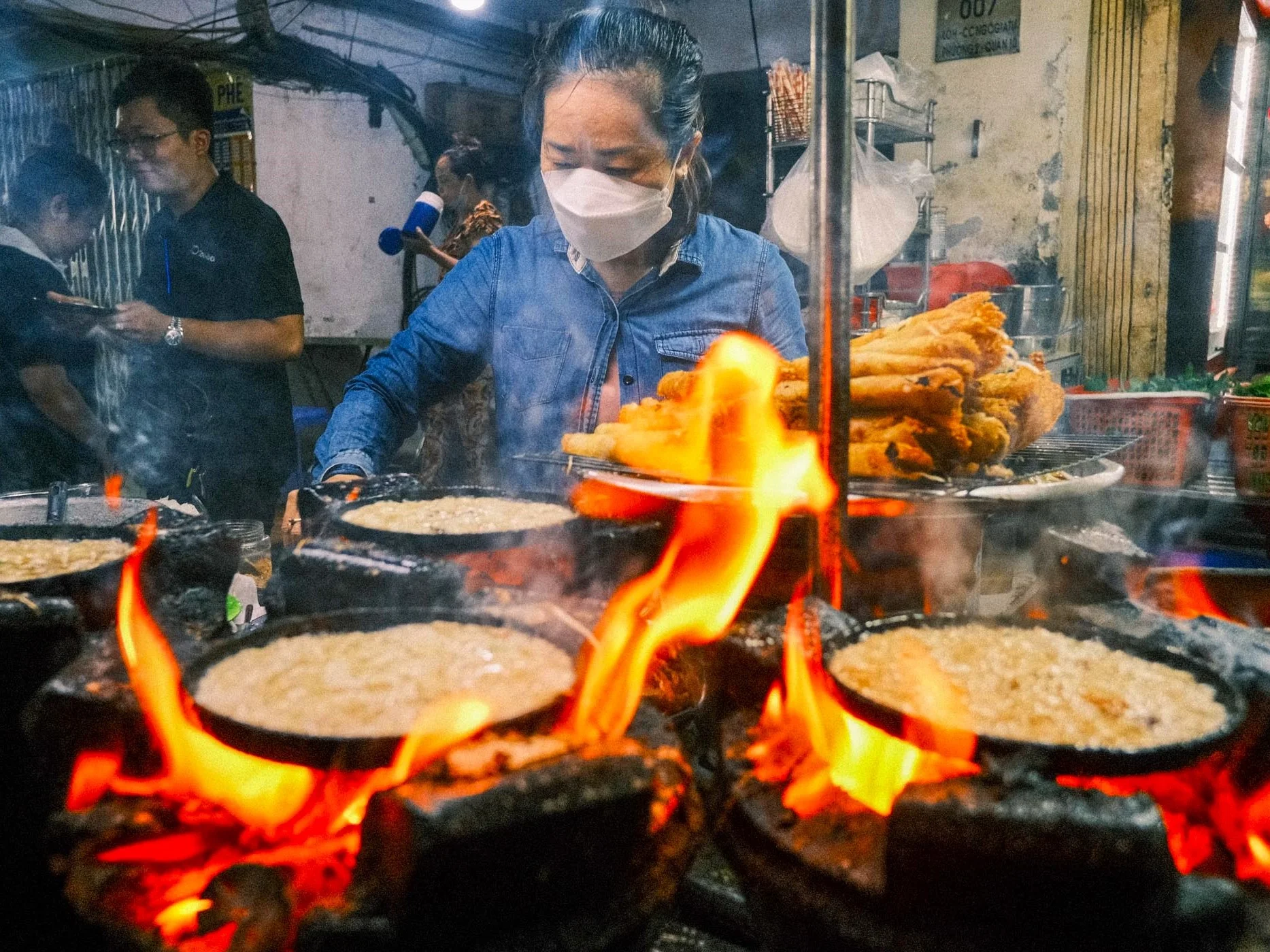
Vietnamese cuisine is a highlight of any trip—fresh, healthy, flavorful, and incredibly affordable.
Must-Try Dishes
Pho (Noodle Soup)
- Vietnam's most famous dish
- Clear broth with rice noodles and meat (beef or chicken)
- Northern style: simpler, clearer broth (Hanoi)
- Southern style: sweeter, more herbs (HCMC)
- Breakfast staple, but eaten any time
- Cost: $2-3 per bowl
Banh Mi (Vietnamese Sandwich)
- French baguette with Vietnamese fillings
- Pate, meat, pickled vegetables, cilantro
- Perfect cheap lunch ($1-2)
- Best in Hoi An
Bun Cha (Grilled Pork with Noodles)
- Hanoi specialty (Obama ate here!)
- Grilled pork, herbs, rice noodles, dipping broth
- Lunch dish
- Cost: $3-4
Cao Lau (Hoi An Noodles)
- Unique to Hoi An—noodles made with local well water
- Pork, greens, crispy crackers
- Must-try when in Hoi An
Fresh Spring Rolls (Goi Cuon)
- Rice paper rolls with shrimp, herbs, vermicelli
- Served with peanut dipping sauce
- Light, healthy, refreshing
Banh Xeo (Sizzling Crepe)
- Crispy turmeric crepe with shrimp, pork, bean sprouts
- Wrap in lettuce with herbs
- Central Vietnam specialty
Ca Phe (Vietnamese Coffee)
- Strong coffee dripped through metal filter
- Served with condensed milk (ca phe sua)
- Hot or iced
- Egg coffee (ca phe trung) in Hanoi is famous
Where to Eat
Street Food (Best Option)
- Freshest, most authentic, cheapest
- Look for places crowded with locals
- Sit on tiny plastic stools
- Cost: $1-3 per meal
Local Restaurants
- Step up from street food with seating
- English menus increasingly common
- Cost: $3-8 per meal
Tourist Restaurants
- More expensive but familiar
- Good for a comfortable break
- Cost: $8-15 per meal
Fine Dining
- Excellent value compared to Western countries
- Top restaurants: $30-60 per person
- Reservation recommended
Food Safety Tips
- Eat where locals eat (high turnover = fresh)
- Choose busy places (food doesn't sit)
- Drink bottled or filtered water
- Wash hands frequently
- Be cautious with ice in rural areas (fine in cities)
- Avoid undercooked meat at questionable places
Explore our complete traditional Vietnamese food guide for deeper culinary insights.
Staying Safe and Healthy
Is Vietnam Safe?
Yes! Vietnam is one of Southeast Asia's safest destinations. Violent crime against tourists is very rare.
Common issues (mostly minor):
- Petty theft (pickpocketing, bag snatching)
- Scams (overcharging, fake tickets)
- Traffic accidents (motorbike-related)
Safety Tips
Traffic Safety
- Look both ways constantly (motorbikes everywhere)
- Cross streets slowly and steadily (don't stop or run)
- Wear helmets on motorbikes (legally required)
- Be extra cautious at night
Theft Prevention
- Use hotel safes for passports and cash
- Wear backpacks in front in crowded areas
- Don't flash expensive cameras/phones
- Be alert on buses (especially overnight)
- Keep valuables close in tourist areas
Scam Awareness
- Use metered taxis from reputable companies (or Grab)
- Agree on prices before services (massages, xe om rides)
- Count change carefully
- Be wary of "free" offers that become expensive
- Watch for switched bills (large to small denominations)
Solo Female Travel
- Vietnam is generally very safe for solo women
- Dress modestly when visiting temples
- Be cautious accepting drinks from strangers
- Trust your instincts
Health Considerations
Common Issues
- Traveler's stomach: Usually mild, caused by different bacteria
- Dehydration: Drink plenty of water in hot weather
- Sunburn: Use strong SPF, especially at beaches
- Mosquitoes: Dengue fever risk (use repellent)
Medical Care
- Good private hospitals in major cities (Hanoi, HCMC, Da Nang)
- Pharmacies widely available
- Travel insurance essential for serious issues
- Medevac to Thailand or Singapore for major emergencies
Staying Healthy
- Drink bottled/filtered water
- Wash hands frequently (carry hand sanitizer)
- Use mosquito repellent (especially at dawn/dusk)
- Bring basic medications (anti-diarrheal, pain relief, antihistamine)
- Avoid swimming in rivers/lakes (stick to pools and ocean)
Read our complete safety guide for more detailed tips.
Cultural Etiquette and Tips
Understanding Vietnamese culture enhances your experience and shows respect.
Dos and Don'ts
DO:
- Remove shoes when entering homes and some temples
- Dress modestly in religious sites (cover shoulders and knees)
- Greet older people first in groups
- Use both hands when giving/receiving items
- Try local food and show appreciation
- Learn basic Vietnamese phrases (even attempts are appreciated)
- Bargain politely at markets (not in restaurants or shops)
DON'T:
- Touch people's heads (considered sacred)
- Point feet at people or religious objects (feet are lowest/dirtiest)
- Display excessive affection in public
- Raise your voice or lose your temper
- Criticize the government or politics
- Assume everyone speaks English
- Tip excessively (tipping culture is minimal)
Useful Vietnamese Phrases
- Hello: Xin chào (sin chow)
- Thank you: Cảm ơn (gahm un)
- Yes: Vâng (vung)
- No: Không (khome)
- How much?: Bao nhiêu? (bow nyew)
- Delicious: Ngon (non)
- Bill, please: Tính tiền (teen tyen)
Tipping Guide
Tipping is not traditionally expected in Vietnam, but increasingly appreciated in tourist areas.
- Restaurants: 5-10% for good service (nicer places)
- Hotels: $1-2 for porters, housekeeping
- Drivers: $3-5 per day for good service
- Tour guides: $5-10 per day depending on quality
- Street food: No tip expected
- Taxis/Grab: Round up or not at all
Essential Packing List
Clothing
- Lightweight, breathable clothes (cotton, linen)
- Long pants/skirt for temples
- Light jacket (for AC, northern winter, mountains)
- Rain jacket or umbrella (rainy season)
- Comfortable walking shoes (you'll walk a lot!)
- Sandals or flip-flops
- Swimsuit
- Hat and sunglasses
Documents & Money
- Passport (6+ months validity)
- Printed e-visa (backup on phone)
- Travel insurance documents
- Credit/debit cards (inform bank of travel)
- Some US dollars (for emergencies)
- Photocopies of important documents
Electronics
- Phone and charger
- Power adapter (Type A, C, or D - 220V)
- Power bank
- Camera (optional - phone often sufficient)
- Headphones
Health & Hygiene
- Sunscreen (SPF 50+)
- Mosquito repellent (DEET 20-30%)
- Hand sanitizer
- Basic first aid kit
- Prescription medications (bring extra)
- Anti-diarrheal medication
- Pain relief (ibuprofen, acetaminophen)
- Rehydration salts
Miscellaneous
- Day backpack
- Reusable water bottle
- Travel lock for bags
- Microfiber towel (if staying in hostels)
- Ziplock bags (for phones during boat trips)
- Wet wipes or tissue (public restrooms may lack toilet paper)
What NOT to Pack
- Too many clothes (laundry is cheap: $1-3 per load)
- Expensive jewelry
- Heavy guidebooks (use phone apps)
- Hair dryer (hotels provide, or buy cheap locally)
Sample Itineraries
1 Week Itinerary: Northern Highlights
Day 1-2: Hanoi
- Arrive, explore Old Quarter
- Water puppet show
- Street food tour
Day 3-4: Halong Bay
- Morning bus to Halong
- 1-night cruise (overnight on boat)
- Return to Hanoi
Day 5-7: Hoi An
- Flight Hanoi to Da Nang
- Transfer to Hoi An
- Ancient Town, tailoring, cooking class
- Beach day at An Bang
Best for: First-timers who want culture, scenery, and beaches in one week.
10-Day Itinerary: Best of Vietnam
Day 1-3: Hanoi
- Old Quarter, Temple of Literature, Ho Chi Minh Mausoleum
- Day trip to Ninh Binh (boat through caves)
Day 4-5: Halong Bay
- Bus to Halong, 2-day/1-night cruise
Day 6-8: Hoi An
- Fly to Da Nang, transfer to Hoi An
- Ancient Town, tailoring, cycling, cooking class
- Day trip to My Son temples
Day 9-10: Ho Chi Minh City
- Fly to HCMC
- War Remnants Museum, Reunification Palace
- Cu Chi Tunnels day trip
- Food tour, rooftop bars
Best for: Experiencing Vietnam's diversity without rushing—ideal first trip.
2 Week Itinerary: Comprehensive Journey
Day 1-3: Hanoi
- Arrive, explore city
- Day trip to Ninh Binh or day trip around Hanoi
Day 4-5: Halong Bay
- 2-day/1-night cruise
Day 6-9: Hoi An
- Fly Da Nang → Hoi An
- Ancient Town, beaches, tailoring
- Day trips: My Son, Marble Mountains
Day 10-12: Ho Chi Minh City
- Fly to HCMC
- City sights, Cu Chi Tunnels
- Food tours, nightlife
Day 13-14: Mekong Delta
- 2-day/1-night Mekong tour
- Floating markets, homestay
- Return to HCMC for departure
Best for: Complete Vietnam experience covering all regions.
3 Week Itinerary: Deep Dive
Add to the 2-week itinerary above:
- Sapa (3 days): Trekking, ethnic villages, mountain scenery
- Phong Nha (2 days): Cave exploration
- Nha Trang or Phu Quoc (4-5 days): Beach relaxation
Best for: Travelers with time who want off-the-beaten-path destinations plus beach time.
Final Tips for First-Timers
Before You Book
- Start with visa: Apply for your e-visa before booking hotels
- Consider travel insurance: Medical coverage and trip cancellation protection
- Book domestic flights early: Can save 30-50% on flights
- Don't over-plan: Leave some flexibility for spontaneous adventures
Upon Arrival
- Get a SIM card: Airport or city shops, $10-20 for month with data (connectivity guide)
- Download essential apps:
- Grab (transportation)
- Google Maps (offline maps work well)
- Google Translate (camera translation feature is amazing)
- XE Currency (exchange rates)
- Exchange money: Airport ATMs work fine, or wait for city centers
- Consider airport fast-track service: Skip long immigration lines after your long flight
During Your Trip
- Embrace street food: It's safe, delicious, and the real Vietnam experience
- Talk to locals: Vietnamese people are friendly and curious about travelers
- Be flexible: Buses break down, weather changes, plans evolve
- Take it slow: Don't try to see everything—quality over quantity
- Stay hydrated: Especially in hot season, drink plenty of water
- Bargain at markets: But do it with a smile—it's part of the culture
- Try new foods: You'll regret not trying that weird-looking dish
- Get up early: Best light for photos, coolest weather, authentic local life
Common First-Timer Mistakes
- Trying to see too much: Better to explore 3-4 places deeply than 10 superficially
- Only eating at tourist restaurants: Street food is safe and authentic
- Not applying for visa early enough: Last-minute visa issues cause stress
- Overpacking: You need far less than you think
- Avoiding motorbikes: Xe om and Grab Bike are fast and fun
- Being inflexible: The best experiences are often unplanned
- Not learning any Vietnamese: Even "hello" and "thank you" go a long way
- Skipping travel insurance: One hospital visit without it can cost thousands
Ready for Your Vietnam Adventure?
Vietnam offers an incredible travel experience that exceeds expectations for virtually every first-time visitor. From the rich history and culture to the stunning natural beauty and world-class cuisine, this Southeast Asian gem has something for every traveler style and budget.
The key to a successful first trip is starting with solid planning—secure your visa, choose your regions based on available time, book key accommodations and transport, but leave room for spontaneity and local recommendations.
Whether you have one week or one month, whether you're traveling on $30/day or $200/day, whether you're seeking adventure, culture, beaches, or food, Vietnam welcomes you with open arms and promises memories that will last a lifetime.
Next Steps:
- ✅ Apply for your e-Visa (3-5 days processing)
- ✅ Book flights (international and domestic)
- ✅ Reserve hotels for first few nights (rest can be flexible)
- ✅ Get travel insurance (don't skip this!)
- ✅ Download apps (Grab, Google Maps, Google Translate)
- ✅ Start learning basic Vietnamese phrases
- ✅ Pack light (you can buy anything you forgot)
Ready to start planning? Check out our other essential guides:
- Best Airports to Enter Vietnam
- Vietnam Weekend Itineraries
- Vietnam E-Visa Complete Guide
- Staying Safe in Vietnam
Chúc bạn có chuyến đi vui vẻ! (Have a great trip!)
Share:
Created: Mar 06, 2026 | Modified: Mar 10, 2026
Related Posts
Vietnam Digital Arrival Card 2026: Complete Guide
Vietnam now requires all foreign travelers to complete a free Digital Arrival Card before landing at five major international airports. The online Pre-Arrival Information (PAI) system replaces the old paper form and generates a QR code you present at immigration. This guide walks you through the entire process, which airports are covered, common mistakes to avoid, and what to expect at the border.
Vietnam SIM Card & Internet Guide 2026: Complete Connectivity Handbook for Travelers
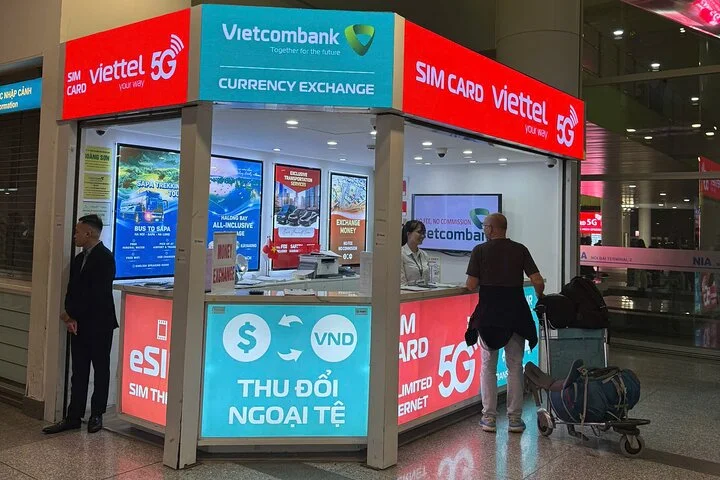
Staying connected during your Vietnam trip is essential for navigation, communication, booking services, and sharing your experiences. Vietnam offers excellent mobile connectivity with three major providers (Viettel, Vinaphone, Mobifone) offering affordable data plans, widespread 4G coverage, and expanding 5G networks. Tourist SIM cards are readily available at airports, convenience stores, and mobile shops, with unlimited data plans starting from just $3-5 USD. This comprehensive guide covers everything you need to know about purchasing SIM cards, choosing the right data plan, understanding eSIM options, finding WiFi, and staying connected throughout Vietnam in 2026.
Vietnam Visa Overstay: New Fines & Penalties (Decree 282/2025)
Vietnam doubled its maximum visa overstay fine to VND 40 million (~$1,520) under Decree 282/2025, effective December 15, 2025. The new rules introduce 7 escalating fine brackets, allow deportation from just 16 days of overstay, and carry long-term consequences including blacklisting and entry bans. This guide breaks down the full fine schedule, explains what to do if you have already overstayed, and shows you how to prevent it.
Table of Contents
- Before You Go: Essential Planning
- Visa Requirements
- Travel Insurance
- Vaccinations and Health
- Money Matters
- Understanding Vietnam's Regions
- Northern Vietnam
- Central Vietnam
- Southern Vietnam
- Best Time to Visit Vietnam
- Northern Vietnam (Hanoi, Halong Bay, Sapa)
- Central Vietnam (Hue, Da Nang, Hoi An)
- Southern Vietnam (HCMC, Mekong, Phu Quoc)
- Top Destinations to Visit
- 1. Hanoi (3-4 days)
- 2. Halong Bay (1-2 days)
- 3. Hoi An (2-4 days)
- 4. Ho Chi Minh City / Saigon (2-3 days)
- 5. Da Nang & Hoi An Region (3-5 days)
- 6. Sapa (2-3 days)
- 7. Mekong Delta (1-3 days)
- 8. Phu Quoc Island (3-5 days)
- How Many Days Do You Need?
- Budgeting for Your Vietnam Trip
- Budget Backpacker ($25-40/day)
- Mid-Range Traveler ($50-100/day)
- Comfortable Traveler ($100-200/day)
- Luxury Traveler ($200+/day)
- Sample 2-Week Budget (Mid-Range)
- Getting Your Vietnam Visa
- E-Visa (Recommended for Most Travelers)
- Visa-Free Entry
- Visa on Arrival (VOA)
- Common Visa Questions
- Getting Around Vietnam
- Between Cities
- Within Cities
- Navigating Airports
- Where to Stay
- Accommodation Types
- Booking Tips
- Best Areas to Stay
- What to Eat in Vietnam
- Must-Try Dishes
- Where to Eat
- Food Safety Tips
- Staying Safe and Healthy
- Is Vietnam Safe?
- Safety Tips
- Health Considerations
- Cultural Etiquette and Tips
- Dos and Don'ts
- Useful Vietnamese Phrases
- Tipping Guide
- Essential Packing List
- Clothing
- Documents & Money
- Electronics
- Health & Hygiene
- Miscellaneous
- What NOT to Pack
- Sample Itineraries
- 1 Week Itinerary: Northern Highlights
- 10-Day Itinerary: Best of Vietnam
- 2 Week Itinerary: Comprehensive Journey
- 3 Week Itinerary: Deep Dive
- Final Tips for First-Timers
- Before You Book
- Upon Arrival
- During Your Trip
- Common First-Timer Mistakes
- Ready for Your Vietnam Adventure?