Vietnam Digital Nomad Guide 2026: Your Complete Remote Work Handbook
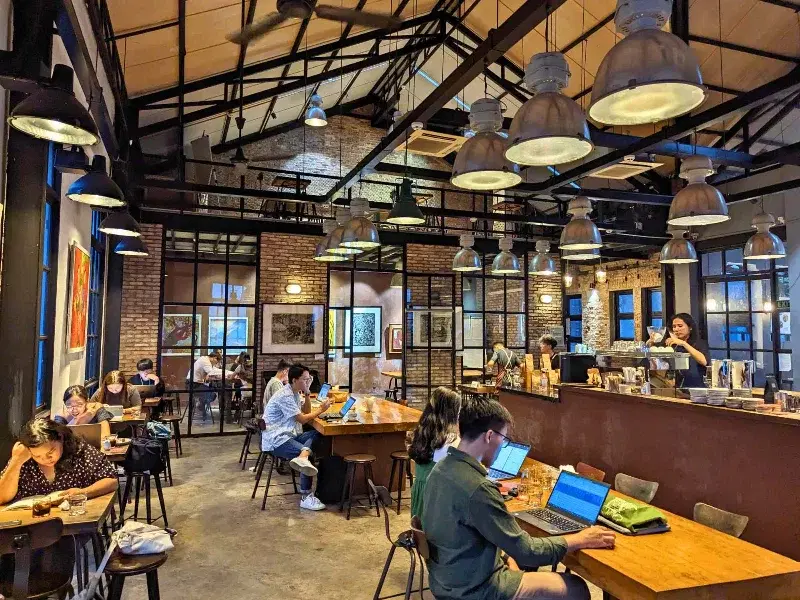
Vietnam has emerged as one of Southeast Asia's premier destinations for digital nomads and remote workers in 2026. With its compelling mix of low living costs, improving digital infrastructure, thriving expat communities, and incredible food scene, Vietnam offers remote workers an exceptional quality of life at a fraction of Western prices.
Whether you're a freelance developer, content creator, online entrepreneur, or remote employee, Vietnam provides the perfect environment to maintain productivity while experiencing a fascinating culture. This guide covers everything you need to know about working remotely from Vietnam in 2026.
Why Choose Vietnam for Digital Nomad Life in 2026?
Vietnam's appeal to digital nomads continues to grow for several compelling reasons:
Affordability: Vietnam remains one of the most budget-friendly countries in Southeast Asia. Digital nomads can live comfortably on $1,000-$1,500 USD per month, including accommodation, food, coworking space, and entertainment. Compare this to $3,000+ in Bangkok or $4,000+ in Bali's popular areas.
Improving Infrastructure: Major cities now offer reliable high-speed internet, modern coworking spaces with professional amenities, international-standard apartments, and excellent healthcare facilities catering to expatriates and foreign residents.
Thriving Expat Communities: Cities like Ho Chi Minh City, Hanoi, and Da Nang host large, active digital nomad communities. Regular meetups, networking events, and coworking spaces make it easy to build both professional connections and friendships.
Strategic Location: Vietnam's position in Southeast Asia makes it an ideal base for exploring the region. Weekend trips to Cambodia, Thailand, Laos, and other neighboring countries are affordable and convenient.
Rich Culture and Experiences: From UNESCO World Heritage sites to pristine beaches, from bustling street food markets to serene mountain retreats, Vietnam offers endless opportunities for exploration during your downtime.
Safety: Vietnam is considered very safe for foreigners. Violent crime is rare, and most issues involve minor scams or pickpocketing in tourist areas—easily avoided with common sense precautions.
Vietnam Digital Nomad Visa Options and Legal Requirements
Understanding your visa options is crucial for digital nomads planning to work remotely from Vietnam in 2026. Here's what you need to know:
45-Day Visa-Free Entry
Citizens of many countries including the United States, United Kingdom, most EU nations, Canada, and Australia can enter Vietnam visa-free for up to 45 days. This option works well for:
- First-time visitors testing whether Vietnam suits their lifestyle
- Short-term stays or "visa runs" combined with regional travel
- Digital nomads on a rotating Southeast Asia schedule
Important notes: Your passport must be valid for at least 6 months beyond your entry date. The 45-day period cannot be extended, so you must leave Vietnam before it expires.
90-Day E-Visa (Most Popular for Digital Nomads)
Vietnam's 90-day e-visa represents the most practical option for most digital nomads in 2026. Key features include:
- Duration: 90 days from entry date
- Entry type: Multiple entry permitted
- Application: 100% online through official government portal
- Processing time: 3-5 business days
- Extensions: Not extendable while in Vietnam; you must exit and reapply
The e-visa allows you to enter and exit Vietnam multiple times within the 90-day validity period, making it perfect for digital nomads who want to explore neighboring countries while based in Vietnam.
How to apply for Vietnam e-visa:
- Visit the official Vietnam Immigration e-visa portal
- Complete the online application with passport details and travel dates
- Upload a passport photo and passport data page scan
- Select your entry and exit points (airports, land borders, seaports)
- Pay the processing fee by credit card
- Receive your e-visa approval via email within 3-5 days
Pro tip: For hassle-free processing with expert support, consider using Vietnam E-Visa Priority Handling services. Professional visa agencies ensure your application is error-free and expedite processing, especially useful if you need your visa urgently or want peace of mind.
Business Visa and Work Permits
Technically, working remotely for foreign companies while in Vietnam on a tourist visa or e-visa exists in a legal gray area. You're not working for a Vietnamese company or taking local jobs, so enforcement is minimal. However, if you want complete legal clarity or plan to stay long-term, consider:
Business Visa (DN): Requires a Vietnamese sponsor (company or organization). Valid for up to 12 months with multiple entries. This works if you:
- Have a local business relationship or partnership
- Register a Vietnamese business entity
- Work through an employer of record service
Work Permit: Required if you're employed by a Vietnamese company or officially working in Vietnam. The process involves:
- A Vietnamese employer sponsor
- Educational credentials verification
- Criminal background check from your home country
- Health examination at a Vietnamese hospital
- Several weeks processing time
Most digital nomads working for non-Vietnamese clients or employers don't pursue work permits, instead using tourist visas or e-visas and managing their legal employment status through their home country or a third country where their business is registered.
Need visa assistance? Professional services like Vietnam E-Visa application support help digital nomads navigate the application process, ensure compliance, and avoid common mistakes that cause delays or rejections.
Cost of Living for Digital Nomads in Vietnam (2026 Data)
One of Vietnam's biggest draws is its affordability. Based on 2026 data from Nomad List and Numbeo, here's a realistic breakdown of monthly costs for digital nomads:
Hanoi Cost of Living
Total monthly budget for digital nomads: $1,068 USD
Total monthly budget for local expats: $728 USD
Accommodation:
- 1-bedroom apartment in city center: ~11.6 million VND ($375 USD/month)
- 1-bedroom apartment outside center: ~8-9 million VND ($260-290 USD/month)
- Shared apartment/room: ~4-6 million VND ($130-195 USD/month)
- Serviced apartment: ~15-20 million VND ($485-650 USD/month)
Popular neighborhoods for digital nomads include Tay Ho (West Lake), Hoan Kiem (Old Quarter), and Ba Dinh, offering good mix of local character and expat amenities.
Food & Dining:
- Local street food meal: ~50,000 VND ($2 USD)
- Inexpensive restaurant meal: ~50,000-80,000 VND ($2-3 USD)
- Mid-range restaurant (3-course for 2): ~600,000 VND ($20 USD)
- Western/expat restaurant meal: ~150,000-250,000 VND ($5-8 USD)
- Coffee at local café: ~15,000-30,000 VND ($0.60-1.20 USD)
- Coffee at expat café: ~50,000-80,000 VND ($2-3 USD)
- Weekly groceries (Western products): ~800,000-1,200,000 VND ($26-39 USD)
Transportation:
- Grab/taxi startup fare: ~18,000-20,000 VND ($0.60-0.65 USD)
- Grab/taxi per km: ~8,000-12,000 VND ($0.26-0.39 USD)
- Motorbike taxi (xe om): ~15,000-30,000 VND for short trips ($0.50-1 USD)
- Monthly unlimited bus pass: ~200,000 VND ($6.50 USD)
- Motorbike rental: ~1.5-2 million VND/month ($50-65 USD)
Utilities & Internet:
- Electricity, water, gas: ~1.86 million VND/month ($60 USD)
- Mobile data plan (unlimited): ~143,000 VND/month ($7 USD)
- Home internet (fiber): ~237,000 VND/month ($8 USD)
- Average internet speed: 10 Mbps (though many areas now have 50-100 Mbps fiber)
Coworking Spaces:
- Drop-in day pass: ~150,000-250,000 VND ($5-8 USD)
- Monthly membership: ~2-3 million VND ($65-100 USD)
- Premium spaces (e.g., ClickSpace Hanoi): ~3 million VND/month ($99 USD)
Entertainment & Lifestyle:
- Gym membership: ~500,000-1,500,000 VND/month ($16-50 USD)
- Cinema ticket: ~80,000-120,000 VND ($3-4 USD)
- Beer at local bar: ~20,000-35,000 VND ($0.65-1.15 USD)
- Beer at expat bar: ~50,000-80,000 VND ($1.60-2.60 USD)
- Yoga class: ~100,000-200,000 VND ($3-7 USD)
Ho Chi Minh City Cost of Living
Total monthly budget for digital nomads: $1,200-1,400 USD
Total monthly budget for local expats: $850-950 USD
Ho Chi Minh City (HCMC or Saigon) is slightly more expensive than Hanoi, particularly for accommodation in popular districts.
Accommodation:
- 1-bedroom apartment in city center (District 1, 2, 3): ~15-18 million VND ($490-585 USD/month)
- 1-bedroom apartment in expat areas (District 2, Binh Thanh): ~12-15 million VND ($390-490 USD/month)
- Studio apartment: ~8-12 million VND ($260-390 USD/month)
- Shared accommodation: ~5-7 million VND ($160-230 USD/month)
Popular digital nomad neighborhoods include District 1 (central but pricey), District 2 (Thao Dien area - very expat-friendly), District 3 (good value), and Binh Thanh (emerging area with good amenities).
Food, transportation, and utility costs are similar to Hanoi, though HCMC tends to have more upscale dining and entertainment options at higher price points.
Da Nang and Other Cities
Da Nang has become increasingly popular with digital nomads seeking a more relaxed lifestyle with beach access. Monthly costs: $900-1,100 USD.
Nha Trang and Vung Tau offer beach town vibes with even lower costs but smaller expat communities: $800-1,000 USD monthly.
Hoi An, while beautiful, is primarily a tourist town with limited coworking infrastructure—better for short visits than long-term remote work.
Best Cities for Digital Nomads in Vietnam
Ho Chi Minh City (Saigon)
Best for: Entrepreneurs, startup scene, networking, active nightlife
HCMC is Vietnam's economic powerhouse and largest city. It offers:
- Largest coworking community: Dozens of spaces from budget to premium
- Best networking opportunities: Regular startup events, meetups, conferences
- International atmosphere: Large expat population, Western amenities readily available
- Convenience: 24/7 lifestyle, extensive delivery services, modern infrastructure
- Airport connectivity: Tan Son Nhat International Airport serves destinations worldwide
Downsides: Traffic congestion, air pollution, less cultural authenticity than Hanoi, higher costs, can feel overwhelming for those seeking tranquility.
Hanoi
Best for: Culture enthusiasts, long-term stays, authentic Vietnamese experience
Vietnam's capital offers digital nomads:
- Rich culture: Ancient temples, French colonial architecture, traditional neighborhoods
- Four seasons: Distinct seasons including a cool winter (can feel cold without central heating)
- Strong expat community: Well-established foreigner population with support networks
- Lower costs: Generally cheaper than HCMC, especially for accommodation
- Charming cafés: Famous café culture with beautiful spaces perfect for working
Downsides: Air quality issues (especially winter months with AQI often reaching 147+, annual average 95), cooler/humid weather may not suit everyone, traffic chaos, less English spoken outside tourist areas.
Da Nang
Best for: Beach lovers, work-life balance, outdoor enthusiasts
This coastal city appeals to digital nomads seeking:
- Beach lifestyle: Beautiful beaches within 10-15 minutes of most accommodations
- Modern infrastructure: Clean, well-planned city with new buildings and facilities
- Outdoor activities: Surfing, hiking, cycling, water sports readily available
- Manageable size: Easy to navigate, less chaotic than Hanoi or HCMC
- Growing digital nomad scene: Increasing coworking spaces and community events
Downsides: Smaller expat community, fewer networking opportunities, limited nightlife, can feel quiet for those seeking constant activity, typhoon season (Sep-Nov).
Coworking Spaces and Internet Connectivity
Top Coworking Spaces for Digital Nomads
Hanoi:
-
ClickSpace Hanoi - ~3 million VND/month ($99 USD)
- Premium facility with modern amenities
- Fast internet, private booths, meeting rooms
- Strong community with regular networking events
- Located in central business district
-
Toong (multiple locations)
- Vietnamese coworking chain with professional environment
- 24/7 access options
- Café and refreshments included
-
WORK Saigon Hanoi
- Beautiful design, comfortable workspace
- Great community atmosphere
- Regular workshops and events
Ho Chi Minh City:
-
Dreamplex (multiple locations in HCMC)
- Premium coworking with excellent facilities
- Strong startup and entrepreneur community
- Meeting rooms, event spaces, café
-
The Hive
- Popular with international digital nomads
- Modern design, comfortable seating
- Good networking opportunities
-
Saigon Coworking
- Budget-friendly option
- Relaxed atmosphere
- Central District 1 location
Da Nang:
-
Enouvo Space
- Tech-focused coworking community
- Fast internet, modern facilities
- Popular with developers and designers
-
The Spot Da Nang
- Beach vibes with professional amenities
- Community events and workshops
- Café and relaxation areas
Internet Speed and Reliability
Vietnam's internet infrastructure has improved dramatically in recent years:
- Average speeds: 10-50 Mbps in major cities (fiber optic increasingly available with 100+ Mbps)
- Mobile 4G: Widely available with good speeds (20-40 Mbps typical)
- 5G rollout: Beginning in major cities in 2026
- Coworking spaces: Typically offer 50-100+ Mbps dedicated connections
- Cafés: Most modern cafés provide free WiFi (10-20 Mbps, can be unreliable during peak hours)
- Home internet: Fiber optic packages widely available (~$8-15/month for 50-100 Mbps)
Recommended providers:
- Viettel: Largest provider, widest coverage
- VNPT: Good reliability, competitive pricing
- FPT: Popular with expats, good customer service
For critical work calls or deadlines, always have a backup plan—either a mobile hotspot or knowledge of nearby coworking spaces with reliable connections.
Daily Life Tips for Digital Nomads in Vietnam
Finding Accommodation
Short-term (first month while exploring):
- Airbnb: Widely available in major cities, book 2-4 weeks initially
- Booking.com: Good for serviced apartments and extended stays
- Facebook groups: "Expats in Hanoi," "Saigon Expats," "Da Nang Expats"
Long-term (after you've explored neighborhoods):
- Local real estate agents: Often speak English, no fee to tenants
- Facebook marketplace: Direct landlord listings, negotiate better deals
- Walk around preferred neighborhoods: Many apartments advertised with signs
- Chotot.com: Vietnamese classifieds site (use Google Translate)
Lease terms: Most landlords require 1-2 months deposit plus first month's rent. Monthly leases are possible but may cost 10-20% more than 6-12 month contracts.
Banking and Money Management
ATM withdrawals:
- Maximum per transaction: 3-5 million VND ($100-160 USD)
- Fees: ~1-2% foreign transaction fee plus your bank's fees
- Best ATMs: HSBC, Citibank (no additional local fees)
Consider: Opening a Wise (formerly TransferWise) account for better exchange rates when transferring money internationally. Some digital nomads open local Vietnamese bank accounts (requires visa/temporary residence card), though most manage with international cards.
Cash culture: Vietnam remains largely cash-based. While cards work in modern establishments, carry cash for street food, local transport, small shops, and markets.
Health and Safety
Health insurance: Essential. International health insurance plans cost $100-300 USD/month depending on coverage. SafetyWing and World Nomads are popular among digital nomads.
Healthcare quality: Major cities have excellent international hospitals and clinics (International SOS, Family Medical Practice, Vinmec). Quality healthcare is affordable compared to Western countries.
Safety: Vietnam is very safe. Exercise normal precautions: watch belongings in crowded areas, use reputable taxis (Grab app), be cautious crossing streets (traffic doesn't always stop for pedestrians).
Air Quality Considerations
Air quality, particularly in Hanoi during winter months (November-March), can be a significant concern for digital nomads:
- Hanoi winter AQI: Often reaches 147+ (unhealthy levels), annual average ~95
- HCMC: Generally better air quality year-round
- Da Nang: Best air quality among major cities
Mitigation strategies:
- Air purifiers in your apartment (essential for Hanoi)
- Check AQI daily (AirVisual app)
- Wear N95 masks on bad air days
- Consider seasonal migration (work from Da Nang during Hanoi's worst months)
Learning Vietnamese
While English is increasingly spoken in expat areas, learning basic Vietnamese dramatically improves your experience:
- Greetings: "Xin chào" (sin chow - hello), "Cảm ơn" (gahm uhn - thank you)
- Numbers: Essential for shopping at markets
- Food vocabulary: Makes dining more adventurous and affordable
- Apps: Ling, Drops, Duolingo offer Vietnamese courses
- Tutors: Private Vietnamese tutors available for $8-15 USD/hour
Even broken Vietnamese is appreciated and helps with daily interactions, shopping, and building local connections.
Transportation
Grab app: Download immediately—it's your lifeline for transportation. Works like Uber for cars and motorbike taxis.
Consider buying a motorbike: If staying 3+ months, buying a used motorbike ($300-800 USD) offers freedom and convenience. Sell it before leaving (or use services that buy back).
Traffic: Takes adjustment. Traffic rules are suggestions more than laws. Be extremely cautious, especially as a pedestrian or motorbike rider.
Networking and Community
Building a professional network and social connections is crucial for digital nomad wellbeing:
Finding Your Community
Facebook groups:
- "Saigon Digital Nomads"
- "Hanoi Massive" (large expat community group)
- "Digital Nomads Ho Chi Minh City"
- "Da Nang Expats and Digital Nomads"
Meetup.com: Regular events for entrepreneurs, developers, language exchange, and social activities
Coworking events: Most spaces host networking events, workshops, and social gatherings—attend regularly
Sports and activities: Join football leagues, running clubs, yoga classes, or language exchange meetings
Avoiding Nomad Loneliness
Remote work can be isolating. Strategies for building connections:
- Work from coworking spaces 2-3 days/week even if you have a home office
- Attend community events even if you're introverted—push yourself initially
- Join classes or groups based on your interests (photography, cooking, language)
- Be proactive reaching out to people you meet—suggest coffee or meals
- Balance alone time with social engagement for sustainable long-term lifestyle
Tax Implications for Digital Nomads
Disclaimer: This is general information—consult with a tax professional for your specific situation.
Most digital nomads working remotely in Vietnam for foreign clients/employers don't pay Vietnamese taxes, as they're not employed by Vietnamese companies and don't earn Vietnamese-sourced income.
However, you're likely still obligated to file taxes in your country of citizenship/residence:
US citizens: Must file US taxes regardless of where they live. Foreign Earned Income Exclusion (FEIE) allows excluding ~$120,000+ if you meet physical presence or bona fide residence tests.
Other countries: Rules vary significantly. Many countries have "tax residency" rules based on physical presence (183 days/year threshold common).
Consider:
- Establishing tax residency in a favorable jurisdiction if you're a perpetual traveler
- Keeping detailed records of your location and income sources
- Working with a tax professional experienced with digital nomad situations
Sample 3-Month Digital Nomad Budget (HCMC)
Here's a realistic monthly breakdown for a digital nomad in Ho Chi Minh City:
Housing: $450 USD (nice 1-bedroom in District 3)
Coworking: $85 USD (monthly membership at mid-tier space)
Food: $320 USD (mix of local food and occasional Western dining)
Transportation: $60 USD (Grab rides, occasional taxis)
Utilities/Internet: $25 USD (apartment utilities)
Mobile phone: $7 USD (unlimited data plan)
Entertainment: $80 USD (bars, activities, gym)
Travel/exploring: $100 USD (weekend trips, tourist activities)
Miscellaneous: $73 USD (shopping, unexpected expenses)
Total: $1,200 USD/month
This budget allows comfortable living with good work-life balance. You can reduce costs by eating more local food, working from cafés instead of coworking spaces, or living in cheaper districts.
Is Vietnam Right for Your Digital Nomad Journey?
Vietnam is an outstanding choice for digital nomads who:
- Value affordability without sacrificing quality of life
- Enjoy cultural immersion and authentic experiences
- Can handle developing country quirks (occasional infrastructure issues, bureaucracy, traffic chaos)
- Want to explore Southeast Asia from a central base
- Appreciate incredible food culture
- Seek active expat communities for networking and socializing
Vietnam may not suit you if you:
- Need absolute reliability for mission-critical work without backup plans
- Require Western comfort standards in all aspects of daily life
- Can't tolerate air quality issues (especially relevant for Hanoi)
- Need a clear legal framework for remote work (gray area may cause discomfort)
- Prefer extremely structured, rule-following environments
Getting Started: Your First Month as a Vietnam Digital Nomad
Before arriving:
- Apply for your Vietnam e-visa (90-day recommended)
- Book first 2-3 weeks accommodation in your target city (Airbnb recommended)
- Research neighborhoods and coworking spaces
- Arrange international health insurance
- Notify your bank of travel plans to avoid card blocks
Week 1-2: Settle in and explore
- Adjust to time zone and climate
- Try working from different cafés and coworking spaces
- Explore neighborhoods on foot/motorbike
- Join initial expat group meetups
- Set up local SIM card and banking if needed
Week 3-4: Establish routine
- Decide on longer-term accommodation (sign lease)
- Join coworking space (if that fits your working style)
- Establish regular routines (favorite cafés, gym, grocery shops)
- Make first connections and friendships
- Plan visa strategy for month 4+ if staying longer
Final Thoughts
Vietnam offers digital nomads an incredible combination of affordability, culture, community, and quality of life that few destinations can match in 2026. While it requires some adaptation to local ways and doesn't offer a specific "digital nomad visa," the practical realities of remote work here are extremely positive.
The growing infrastructure, expanding expat communities, and Vietnam's natural beauty and culinary excellence create an environment where you can be productive professionally while enjoying a rich, affordable lifestyle.
Whether you're testing the digital nomad life for the first time or you're a seasoned remote worker exploring new bases, Vietnam deserves serious consideration. Start with 90 days, immerse yourself in the experience, and you may find yourself extending your stay indefinitely.
Ready to start your Vietnam digital nomad adventure? Secure your Vietnam E-Visa today and begin planning your remote work journey to one of Southeast Asia's most exciting destinations.
For a hassle-free arrival, consider adding airport fast-track services to skip the queues after your long flight—because your productive work day starts the moment you land.
Share:
Created: Mar 11, 2026 | Modified: Mar 11, 2026
Related Posts

Complete Vietnam Expat Living Guide 2026: Your Essential Handbook for Moving to Vietnam
Moving to Vietnam as an expatriate offers an incredible opportunity to experience a vibrant culture, affordable lifestyle, and rapidly developing economy. Whether you're relocating for work, retirement, or adventure, Vietnam welcomes over 100,000 foreign residents who have made it their home. From securing the right visa and finding suitable housing to navigating healthcare systems and enrolling children in international schools, successful expat life requires careful planning. This comprehensive guide covers everything you need to know about living in Vietnam as an expat in 2026, including practical advice on visas, accommodation, banking, taxes, schools, and integrating into local communities while maintaining connections with fellow expatriates.

Vietnam Digital Arrival Card 2026: Complete Guide
Vietnam now requires all foreign travelers to complete a free Digital Arrival Card before landing at five major international airports. The online Pre-Arrival Information (PAI) system replaces the old paper form and generates a QR code you present at immigration. This guide walks you through the entire process, which airports are covered, common mistakes to avoid, and what to expect at the border.
Vietnam SIM Card & Internet Guide 2026: Complete Connectivity Handbook for Travelers
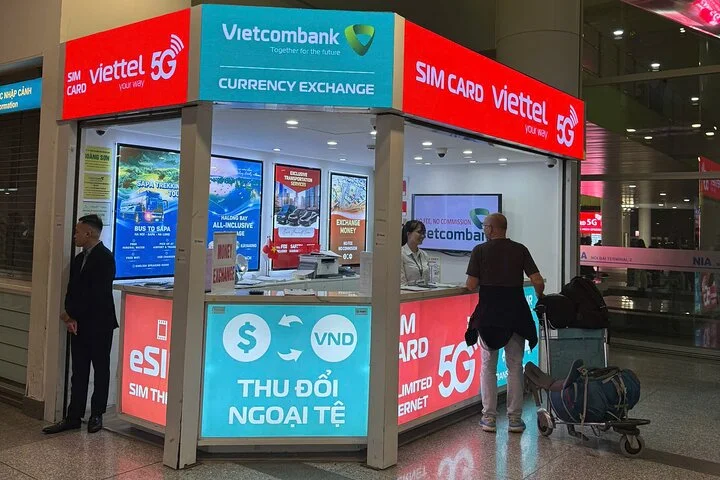
Staying connected during your Vietnam trip is essential for navigation, communication, booking services, and sharing your experiences. Vietnam offers excellent mobile connectivity with three major providers (Viettel, Vinaphone, Mobifone) offering affordable data plans, widespread 4G coverage, and expanding 5G networks. Tourist SIM cards are readily available at airports, convenience stores, and mobile shops, with unlimited data plans starting from just $3-5 USD. This comprehensive guide covers everything you need to know about purchasing SIM cards, choosing the right data plan, understanding eSIM options, finding WiFi, and staying connected throughout Vietnam in 2026.
Table of Contents
- Why Choose Vietnam for Digital Nomad Life in 2026?
- Vietnam Digital Nomad Visa Options and Legal Requirements
- 45-Day Visa-Free Entry
- 90-Day E-Visa (Most Popular for Digital Nomads)
- Business Visa and Work Permits
- Cost of Living for Digital Nomads in Vietnam (2026 Data)
- Hanoi Cost of Living
- Ho Chi Minh City Cost of Living
- Da Nang and Other Cities
- Best Cities for Digital Nomads in Vietnam
- Ho Chi Minh City (Saigon)
- Hanoi
- Da Nang
- Coworking Spaces and Internet Connectivity
- Top Coworking Spaces for Digital Nomads
- Internet Speed and Reliability
- Daily Life Tips for Digital Nomads in Vietnam
- Finding Accommodation
- Banking and Money Management
- Health and Safety
- Air Quality Considerations
- Learning Vietnamese
- Transportation
- Networking and Community
- Finding Your Community
- Avoiding Nomad Loneliness
- Tax Implications for Digital Nomads
- Sample 3-Month Digital Nomad Budget (HCMC)
- Is Vietnam Right for Your Digital Nomad Journey?
- Getting Started: Your First Month as a Vietnam Digital Nomad
- Final Thoughts