Vietnam Transportation Guide 2026: Getting Around Like a Local with Apps & Transit
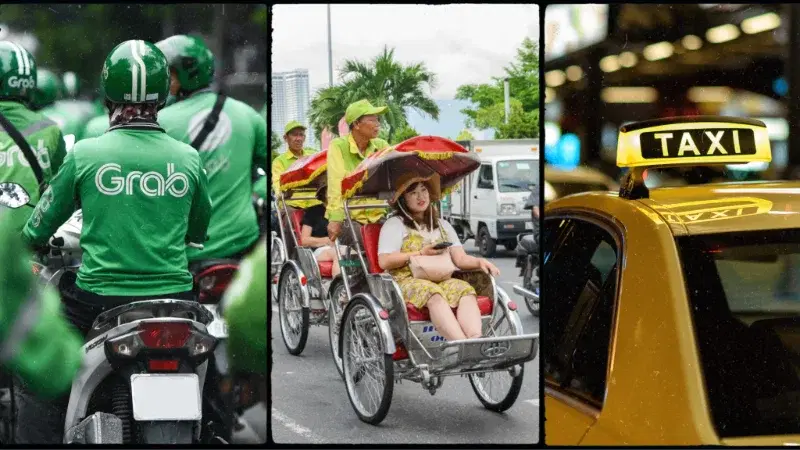
Transportation in Vietnam has transformed dramatically in recent years. What was once a confusing maze of haggling with taxi drivers, navigating chaotic traffic, and dealing with language barriers has become remarkably simple thanks to ride-hailing apps, improved infrastructure, and traveler-friendly services.
This comprehensive guide covers every aspect of getting around Vietnam, from downloading essential apps to mastering intercity travel, with insider tips that will save you time, money, and stress.
Essential Transportation Apps for Vietnam
Before we dive into specific transportation modes, download these essential apps—they'll be your lifeline throughout Vietnam.
Grab: Your Transportation Essential
What is Grab?: Southeast Asia's leading ride-hailing platform (think Uber for the region). Grab operates in all major Vietnamese cities and has become indispensable for travelers.
Services Available in Vietnam (as of March 2026):
- GrabCar: Private car rides
- GrabBike: Motorbike taxi rides
- GrabFood: Food delivery
- GrabMart: Grocery and convenience store delivery
- GrabExpress: Package delivery
Why Grab Changed Everything:
- Transparent Pricing: See fare upfront before booking—no haggling or meter tampering
- Cashless Options: Pay by card, e-wallet, or cash
- Safety: Driver ratings, GPS tracking, emergency button
- Language Barrier Solution: Pick-up/drop-off on map, no Vietnamese required
- Reliable: Consistent experience across cities
- Affordable: Competitive pricing, often cheaper than traditional taxis
How to Use Grab:
- Download: Available on iOS and Android app stores
- Register: Create account with phone number (requires SMS verification)
- Add Payment Method: Credit card, debit card, or use cash
- Request Ride:
- Open app, enter destination
- Choose service type (GrabCar or GrabBike)
- See price estimate
- Confirm booking
- Watch driver approach on map
- Driver calls if needed (okay to not answer—GPS usually sufficient)
- Rate driver after trip
Grab Pricing Examples (2026 typical fares):
-
Hanoi Old Quarter to West Lake (5 km):
- GrabBike: 25,000-35,000 VND ($1-1.40 USD)
- GrabCar: 40,000-60,000 VND ($1.60-2.40 USD)
-
HCMC District 1 to District 2 (8 km):
- GrabBike: 35,000-50,000 VND ($1.40-2 USD)
- GrabCar: 60,000-90,000 VND ($2.40-3.60 USD)
-
Da Nang Airport to City Center (5 km):
- GrabBike: 30,000-40,000 VND ($1.20-1.60 USD)
- GrabCar: 50,000-70,000 VND ($2-2.80 USD)
Grab Facts (March 2026):
- Over 200,000 driver-partners across Vietnam
- Trained through GrabAcademy program
- Partnership with electric vehicle providers (Yadea, AIZEN) for sustainable options
- Operates nationwide in major cities and tourist destinations
Pro Tips:
- Book GrabBike for short trips in cities (faster in traffic, much cheaper)
- Choose GrabCar for longer distances, rain, or when carrying luggage
- Save frequent addresses (hotel, coworking space) for quick booking
- Screenshot confirmation screen showing driver details and price
- Tip is not expected but appreciated (can add in app or give cash)
- During peak hours (7-9am, 5-7pm) or rain, expect surge pricing
Google Maps: Navigation Essential
Why Google Maps Works Great in Vietnam:
- Accurate mapping of streets, businesses, attractions
- Real-time traffic information
- Walking directions
- Public transit information (limited but improving)
- Offline maps capability
- Multiple language support
How to Use:
- Download offline maps: Before trips, download regions for offline access (essential for areas with weak signal)
- Copy address: When booking Grab, copy address from Google Maps to ensure accuracy
- Walking routes: Use walking navigation in Old Quarter Hanoi, Hoi An Ancient Town
- Restaurant discovery: Search "restaurants near me" for options with ratings
Pro Tips:
- Vietnamese addresses can be confusing (multiple buildings with same number on same street)
- Share your location with travel companions for meetups
- Drop pins for unmarked locations (street food stalls, viewpoints)
- Check "save offline map" for rural destinations before leaving cities
Additional Useful Apps
Zalo (Messaging):
- Vietnamese messaging app (like WhatsApp)
- Essential for communicating with local contacts (hotels, tour operators, landlords)
- Many Vietnamese businesses prefer Zalo over email or phone
- Can call/message without international fees
Google Translate:
- Download Vietnamese language pack for offline use
- Camera translation for menus, signs
- Conversation mode for real-time translation
- Voice translation for asking directions
Currency Converter:
- Quick VND to home currency conversion
- Essential for evaluating prices
- Many options available (XE Currency popular)
Maps.me (Backup Navigation):
- Alternative to Google Maps
- Strong offline capability
- Good for rural areas
- Shows hiking trails, points of interest
Transportation Within Cities
GrabBike: The Ultimate City Transport
What: Motorbike taxi (you ride as passenger behind driver)
Best For:
- Short to medium city trips (under 10 km)
- Navigating heavy traffic (weave through gridlock)
- Solo travelers (only fits one passenger)
- Budget travel
- Experiencing local transport
Advantages:
- Fastest way to get anywhere in Vietnamese cities
- Very affordable ($1-3 USD typical)
- Drivers provide helmet
- Exciting experience!
Disadvantages:
- Weather dependent (uncomfortable in rain)
- Not suitable for luggage
- Can feel scary initially (traffic is chaotic)
- Air pollution exposure in cities
Safety Tips:
- Always wear provided helmet
- Hold onto handles/driver's sides (not driver's shoulders)
- Keep bag in front/to side (not dangling)
- Sit centered, don't lean excessively
- If driver seems reckless, request slower speed (point to speedometer, say "slow" or "sloooow")
When to Avoid:
- Heavy rain
- Carrying luggage
- Wearing nice clothes (exhaust fumes can soil clothing)
- If uncomfortable with motorbikes
- Traveling with children under 10
GrabCar: Comfortable City Transport
What: Private car service (sedan or SUV)
Best For:
- Airport transfers with luggage
- Groups (2-4 people)
- Comfort priority
- Longer city trips
- Rain
- Professional appearance (business meetings)
- Families with children
Advantages:
- Air-conditioned comfort
- Space for luggage
- Protection from weather
- Professional service
- Can fit 4 passengers (share cost)
Disadvantages:
- Slower than GrabBike in heavy traffic
- More expensive (though still affordable)
- Sometimes hard to find available cars during peak times
Cost Examples:
- 5 km trip: 40,000-70,000 VND ($1.60-2.80 USD)
- 10 km trip: 70,000-120,000 VND ($2.80-4.80 USD)
- Airport to city center (most cities): 80,000-150,000 VND ($3.20-6 USD)
Traditional Taxis
While Grab dominates, traditional taxis still operate:
Reputable Companies:
- Mai Linh: Green cars with yellow logo, nationwide
- Vinasun: White cars with green logo, especially HCMC
- Taxi Group (Hanoi): Orange cars
- Taxi CP (Da Nang): Green cars
Advantages:
- Can hail on street (no app needed)
- Sometimes more available in remote areas
- Some drivers speak English
Disadvantages:
- Must negotiate or risk meter tampering
- Language barrier common
- No transparent pricing
- Occasional scams (common with unmarked taxis)
Taxi Scams to Avoid:
- Unmarked or fake taxis (only use clearly marked company taxis)
- Rigged meters (spinning too fast)
- Wrong currency (VND vs USD confusion)
- Taking unnecessarily long routes
- "Broken" meter (refuses to use meter)
- Quote much higher than reasonable
Protection:
- Use Grab whenever possible
- If using taxi, photograph meter at start
- Use Google Maps to follow route
- Know approximate fare beforehand
- Only use marked taxis from reputable companies
- Agree on price before trip starts if meter "broken" (or find another taxi)
Startup Fares: ~18,000-20,000 VND, then ~8,000-12,000 VND per km
Cyclos (Bicycle Rickshaws)
What: Three-wheeled bicycle taxis (driver pedals, passenger sits in front seat)
Best For:
- Short trips in Old Quarter (Hanoi) or tourist areas
- Leisurely sightseeing
- Novelty experience
- Photography
Not For: Practical transportation (slow, expensive for distance)
Pricing: Negotiable, typically 100,000-200,000 VND ($4-8 USD) for 30-60 minutes
Tips:
- Agree on price firmly before starting
- Use for short scenic rides, not practical transport
- Expect persistent offers in tourist areas (politely decline if not interested)
Xe Ôm (Traditional Motorbike Taxis)
What: Street-based motorbike taxis (pre-Grab era transportation)
Status in 2026: Mostly replaced by Grab, but still exist in smaller towns and as traditional option
Pricing: Negotiable, typically 15,000-30,000 VND for short trips
When to Use: Only if Grab unavailable (small towns, remote areas)
How to Identify: Drivers wearing distinctive vests or waiting at street corners
Caution: Negotiate price clearly before departure to avoid disputes
Buses: Budget Urban Transport
Availability: Hanoi and HCMC have extensive public bus networks. Da Nang has limited routes.
Pricing:
- Single ride: 7,000-10,000 VND ($0.28-0.40 USD)
- Monthly pass: 200,000-300,000 VND ($8-12 USD)
Advantages:
- Very cheap
- Experience local life
- See city neighborhoods
Disadvantages:
- Confusing routes (limited English)
- Crowded during peak hours
- Slower than other options
- Pickpocket risk
- Limited route coverage
Best For:
- Budget-conscious long-term visitors
- Expats familiar with routes
- Those wanting authentic local experience
Practical Reality: Most travelers find Grab so affordable and convenient that city buses aren't worth the hassle unless staying long-term.
Useful Bus Routes for Tourists:
Hanoi:
- Bus 86: Noi Bai Airport to city center (30,000 VND, ~$1.20 USD)
- Bus 7: Hoan Kiem Lake to West Lake
HCMC:
- Bus 109: Tan Son Nhat Airport to District 1 (20,000 VND, ~$0.80 USD)
- Bus 1: District 1 to District 2 (Thao Dien)
Walking
Best Cities for Walking:
- Hoi An Ancient Town: Car-free zones, pedestrian-friendly
- Hanoi Old Quarter: Narrow streets, best explored on foot (though chaotic)
- Da Nang Beachfront: Paved promenade perfect for walking/jogging
Challenges:
- Limited sidewalks (sidewalks often occupied by parked motorbikes)
- Crossing streets requires confidence (traffic doesn't always stop)
- Heat and humidity make walking exhausting midday
- Air pollution in major cities
Tips for Crossing Streets:
- Look both ways (traffic comes from all directions)
- Start crossing slowly and steadily
- Don't stop suddenly (traffic flows around pedestrians)
- Don't run (predictability is key)
- Make eye contact with drivers when possible
- Cross with locals when available (follow their lead)
- Look for pedestrian crossings with lights at major intersections
Best Times for Walking: Early morning (6-9am) and evening (5-7pm) when cooler
Renting Motorbikes
Requirements:
- Legally: International Driving Permit (IDP) with motorcycle endorsement + valid home country motorcycle license
- Reality: Many rental shops don't check licenses (but you're uninsured if unlicensed)
Costs:
- Daily: 100,000-200,000 VND ($4-8 USD)
- Weekly: 500,000-1,000,000 VND ($20-40 USD)
- Monthly: 1,500,000-2,500,000 VND ($60-100 USD)
- Deposit: Passport copy or cash deposit (1-3 million VND)
Best For:
- Experienced motorcycle riders
- Exploring rural areas and countryside
- Beach towns (Nha Trang, Mui Ne, Phu Quoc)
- Extended stays
Safety Considerations:
- Vietnam has high traffic accident rates
- Many tourists injured in motorcycle accidents annually
- Roads can be poor quality outside cities
- Driving culture aggressive by Western standards
- Police checkpoints (fines for unlicensed riders: 500,000-1,000,000 VND)
Insurance Issues:
- Most travel insurance excludes motorbike accidents without proper license
- Medical costs from serious accident can be catastrophic without coverage
- Rental insurance typically only covers bike damage, not medical
Recommendation: Only rent if you're experienced with motorcycles AND comfortable with chaotic traffic. For most tourists, Grab is safer and more practical.
Alternatives:
- Electric bicycles (easier to handle, slower, safer)
- Regular bicycles (great in Hoi An, Ninh Binh, Mekong Delta)
- Hire driver with motorbike (you ride as passenger)
Intercity Transportation
Domestic Flights: Fast & Affordable
Main Airlines:
- Vietnam Airlines: National carrier, full-service, most reliable
- Vietjet Air: Budget airline, most routes, frequent sales
- Bamboo Airways: Newer airline, good service, mid-tier pricing
- Pacific Airlines: Vietnam Airlines subsidiary
Popular Routes (typical fares, book in advance):
- Hanoi ↔ Ho Chi Minh City: $30-80 USD (2 hours)
- Hanoi ↔ Da Nang: $25-60 USD (1.5 hours)
- Ho Chi Minh City ↔ Da Nang: $25-60 USD (1.5 hours)
- Hanoi ↔ Nha Trang: $35-70 USD (2 hours)
- Ho Chi Minh City ↔ Phu Quoc: $30-70 USD (1 hour)
Booking:
- Book direct on airline websites
- Use Skyscanner, Google Flights for comparison
- Book 2-4 weeks advance for best prices
- Check baggage allowances (budget airlines charge for checked bags)
Advantages:
- Fastest option by far
- Affordable (often cheaper than trains)
- Comfortable and safe
- Frequent departures on popular routes
Tips:
- Arrive airport 1.5-2 hours before domestic flights
- Bring passport (required for domestic flights in Vietnam)
- Budget airlines strictly enforce baggage limits
- Book flights early morning or late evening for better punctuality (midday flights often delayed)
Trains: Scenic & Comfortable
Main Routes:
- North-South Reunification Railway: Hanoi to Ho Chi Minh City (30+ hours full journey)
- Most travelers take segments:
- Hanoi → Hue: 12-14 hours
- Hanoi → Danang: 14-16 hours
- Danang → Nha Trang: 8-10 hours
- Nha Trang → HCMC: 8-9 hours
Train Classes:
- Hard Seat: Cheapest, uncomfortable for long trips
- Soft Seat: Padded seats, better than hard seat
- Hard Berth: 6-berth cabins, bunk beds
- Soft Berth: 4-berth cabins, more comfortable, air-conditioned
- VIP/Luxury: Premium services on some routes
Costs (examples):
- Hanoi → Danang (soft berth): 600,000-900,000 VND ($24-36 USD)
- Danang → HCMC (soft berth): 800,000-1,200,000 VND ($32-48 USD)
Booking:
- Official website: dsvn.vn (Vietnamese interface, can be challenging)
- Baolau.com or 12go.asia (English booking platforms, small fee)
- Train stations (in person)
- Hotels and travel agencies
Advantages:
- Scenic routes (especially coastal segments)
- Overnight travel saves hotel costs
- Sleeper cabins comfortable
- Unique experience
- Meet other travelers
Disadvantages:
- Slower than flights
- Can be delayed
- Basic facilities
- Not as comfortable as Western trains
- Sometimes fully booked (especially around holidays)
Pro Tips:
- Book soft berth (4-person cabin) minimum for overnight
- Lower bunks more expensive but easier access
- Bring snacks and drinks (limited food service)
- Bring toilet paper (restrooms basic)
- Keep valuables secure
- Famous scenic route: Danang → Hue (through Hai Van Pass)
Buses: Budget Intercity Option
Types:
Sleeper Buses: Reclining bed-style seats for overnight journeys
- Popular for Hanoi ↔ Sapa, Hanoi ↔ Ha Long, HCMC ↔ Dalat, HCMC ↔ Mui Ne
- Cost: 150,000-350,000 VND ($6-14 USD) depending on route
- Depart evening, arrive morning (save hotel night)
Sitting Buses: Standard seats for day journeys
- Shorter routes
- Cost: 100,000-250,000 VND ($4-10 USD)
Popular Companies:
- Futa Bus: Reputable, modern fleet, good safety record
- Phuong Trang (Mai Linh): Large network
- Queen Café/Sinh Tourist: Tourist-oriented, multi-stop routes
- Hanh Café: Good for specific routes
Booking:
- Baolau.com or 12go.asia (English platforms)
- Direct with bus companies
- Hotels and hostels
- At bus terminals (cheapest but language barrier)
Advantages:
- Cheapest option
- Extensive network
- Frequent departures
- Door-to-door service (many pick up from hotels)
Disadvantages:
- Uncomfortable (cramped, basic facilities)
- Unsafe driving common (speeding, overtaking)
- Frequent stops
- Blaring TV/music
- Motion sickness common on winding routes
- Scams possible with unlicensed operators
Safety Tips:
- Use reputable companies only
- Read reviews before booking
- Bring motion sickness medication for mountain routes
- Keep valuables with you (not in overhead storage)
- Wear seatbelt if available
Best Bus Routes for Tourists:
- Hanoi → Sapa: 5-6 hours (overnight sleeper)
- Hanoi → Ninh Binh: 2-3 hours
- HCMC → Mui Ne: 4-5 hours
- HCMC → Dalat: 6-7 hours
- Hoi An → Hue: 3-4 hours
Private Transfers & Car Hire
When to Consider:
- Groups of 4+ people (cost-effective when split)
- Families with children
- Custom itineraries (stop at attractions en route)
- Comfort priority
- Remote destinations
Services:
- Hotel arranges private car
- Grab also offers long-distance booking
- Private transfer companies (bookable online)
Costs (examples):
- Hanoi → Ha Long Bay: 1,200,000-1,800,000 VND ($48-72 USD for car, fits 4 people)
- Danang ↔ Hoi An: 400,000-600,000 VND ($16-24 USD)
- Hue → Hoi An via Hai Van Pass: 1,000,000-1,500,000 VND ($40-60 USD)
Advantages:
- Flexibility (stop for photos, bathroom, food)
- Comfort (air-conditioned private space)
- Door-to-door service
- Safe (professional drivers)
- Good value for groups
Airport Transportation
Arrival Transportation
Hanoi Noi Bai Airport (HAN):
- Grab: 150,000-250,000 VND ($6-10 USD) to Old Quarter (30-45 min)
- Airport Bus 86: 30,000 VND ($1.20 USD) to city center
- Taxi: 250,000-350,000 VND ($10-14 USD) to Old Quarter
Ho Chi Minh City Tan Son Nhat Airport (SGN):
- Grab: 100,000-150,000 VND ($4-6 USD) to District 1 (20-30 min)
- Airport Bus 109: 20,000 VND ($0.80 USD) to District 1
- Taxi: 150,000-200,000 VND ($6-8 USD) to District 1
Da Nang Airport (DAD):
- Grab: 50,000-100,000 VND ($2-4 USD) to city/beach (15 min)
- Taxi: 100,000-150,000 VND ($4-6 USD)
Nha Trang Cam Ranh Airport (CXR):
- Grab: 250,000-350,000 VND ($10-14 USD) to city (40 min)
- Airport Shuttle Bus: 50,000 VND ($2 USD)
- Taxi: 350,000-450,000 VND ($14-18 USD)
Phu Quoc Airport (PQC):
- Grab: 150,000-300,000 VND ($6-12 USD) depending on destination
- Taxi: 250,000-400,000 VND ($10-16 USD)
Pro Tip: For hassle-free arrival, book airport fast-track services to skip long immigration queues, then purchase SIM card in arrivals hall before using Grab to your accommodation.
Transportation Safety Tips
General Safety:
- Always wear seatbelts in cars
- Wear helmets on motorbikes (provided by Grab drivers)
- Keep valuables secured (inside bag, not hanging loosely)
- Don't display expensive phones/cameras unnecessarily
- Be alert in crowded areas (pickpockets target tourists)
Grab Safety Features:
- Share trip details with friends/family (in-app feature)
- Emergency button connects to local authorities
- Driver rating system (avoid drivers below 4.5 stars)
- GPS tracking throughout journey
Traffic Safety:
- Avoid renting motorbikes unless experienced
- Look all directions when crossing streets
- Don't assume vehicles will stop for pedestrians
- Be extra cautious at night (harder to see traffic)
Scam Prevention:
- Use Grab instead of street taxis when possible
- Verify driver details match app before entering vehicle
- Screenshot fare estimate
- Don't accept unsolicited transportation offers at airports
- Be wary of "helpful" strangers directing you to specific taxis
Money-Saving Transportation Tips
- Use GrabBike for short trips: 50-70% cheaper than GrabCar
- Share Grab rides: Split cost with travel companions
- Book flights in advance: Prices increase closer to departure
- Choose overnight transportation: Save hotel costs (trains, buses)
- Walk short distances: Many attractions clustered together
- Bundle trips: Visit multiple nearby places in single Grab trip
- Avoid peak hours: Grab surge pricing during rush hour
- Compare transportation modes: Sometimes bus barely cheaper than flight (worth paying extra for comfort/time savings)
Essential Transportation Phrases
Basic:
- "Xin chào" (sin chow) - Hello
- "Cảm ơn" (gahm uhn) - Thank you
- "Bao nhiêu tiền?" (bow n-yeh-oo tee-uhn) - How much money?
- "Đắt quá!" (dat wah) - Too expensive!
- "Trái" (ch-eye) - Left
- "Phải" (fai) - Right
- "Thẳng" (tang) - Straight
With Grab Drivers (if needed):
- Point to destination on map
- Show hotel/restaurant name on phone
- Use Google Translate for complex instructions
Reality: With Grab, you rarely need to speak Vietnamese—the app handles everything!
Final Recommendations
Download Before Arriving:
- Grab (essential!)
- Google Maps (with offline maps)
- Google Translate (with Vietnamese offline)
- Zalo (for local communication)
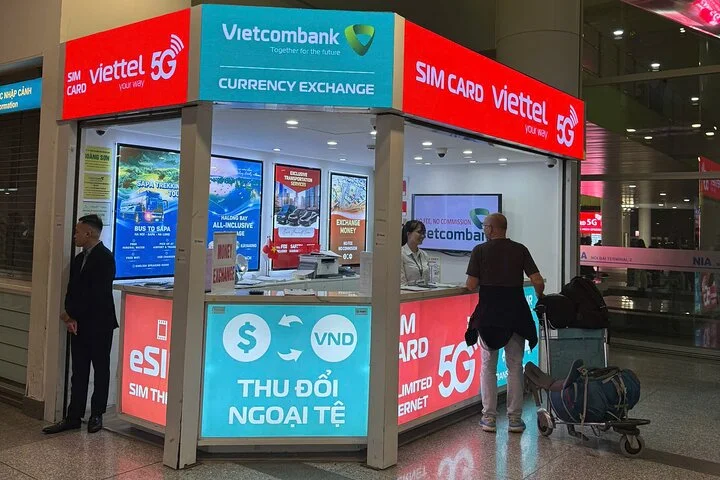
Getting Your Vietnam SIM Card: Connectivity is essential for using transportation apps. See our comprehensive SIM Card & Internet Guide for everything you need to know about staying connected.
Within Cities: Use Grab almost exclusively—affordable, safe, convenient
Between Cities:
- Flights for long distances (Hanoi ↔ HCMC, etc.)
- Trains for scenic routes and overnight (save hotel cost)
- Private car for groups or custom itineraries
- Buses only if budget priority
Avoid: Street taxis unless absolutely necessary, renting motorbikes unless experienced
Conclusion
Transportation in Vietnam is far easier than most travelers expect, thanks largely to Grab's dominance and improved infrastructure. What once required haggling skills, language ability, and local knowledge now happens with a few taps on your smartphone.
Whether you're zipping through Hanoi traffic on a GrabBike, taking a scenic train journey down the coast, or island-hopping via domestic flights, Vietnam's transportation network makes exploring this incredible country accessible and affordable.
Ready to explore Vietnam? Start your journey by securing your Vietnam E-Visa, then download Grab and prepare for seamless transportation throughout your Vietnamese adventure!
Safe travels!
Share:
Created: Mar 12, 2026 | Modified: Mar 12, 2026
Related Posts

Vietnam Digital Arrival Card 2026: Complete Guide
Vietnam now requires all foreign travelers to complete a free Digital Arrival Card before landing at five major international airports. The online Pre-Arrival Information (PAI) system replaces the old paper form and generates a QR code you present at immigration. This guide walks you through the entire process, which airports are covered, common mistakes to avoid, and what to expect at the border.
Vietnam SIM Card & Internet Guide 2026: Complete Connectivity Handbook for Travelers
Staying connected during your Vietnam trip is essential for navigation, communication, booking services, and sharing your experiences. Vietnam offers excellent mobile connectivity with three major providers (Viettel, Vinaphone, Mobifone) offering affordable data plans, widespread 4G coverage, and expanding 5G networks. Tourist SIM cards are readily available at airports, convenience stores, and mobile shops, with unlimited data plans starting from just $3-5 USD. This comprehensive guide covers everything you need to know about purchasing SIM cards, choosing the right data plan, understanding eSIM options, finding WiFi, and staying connected throughout Vietnam in 2026.

Complete Vietnam Expat Living Guide 2026: Your Essential Handbook for Moving to Vietnam
Moving to Vietnam as an expatriate offers an incredible opportunity to experience a vibrant culture, affordable lifestyle, and rapidly developing economy. Whether you're relocating for work, retirement, or adventure, Vietnam welcomes over 100,000 foreign residents who have made it their home. From securing the right visa and finding suitable housing to navigating healthcare systems and enrolling children in international schools, successful expat life requires careful planning. This comprehensive guide covers everything you need to know about living in Vietnam as an expat in 2026, including practical advice on visas, accommodation, banking, taxes, schools, and integrating into local communities while maintaining connections with fellow expatriates.
Table of Contents
- Essential Transportation Apps for Vietnam
- Grab: Your Transportation Essential
- Google Maps: Navigation Essential
- Additional Useful Apps
- Transportation Within Cities
- GrabBike: The Ultimate City Transport
- GrabCar: Comfortable City Transport
- Traditional Taxis
- Cyclos (Bicycle Rickshaws)
- Xe Ôm (Traditional Motorbike Taxis)
- Buses: Budget Urban Transport
- Walking
- Renting Motorbikes
- Intercity Transportation
- Domestic Flights: Fast & Affordable
- Trains: Scenic & Comfortable
- Buses: Budget Intercity Option
- Private Transfers & Car Hire
- Airport Transportation
- Arrival Transportation
- Transportation Safety Tips
- Money-Saving Transportation Tips
- Essential Transportation Phrases
- Final Recommendations
- Conclusion