Vietnam SIM Card & Internet Guide 2026: Complete Connectivity Handbook for Travelers
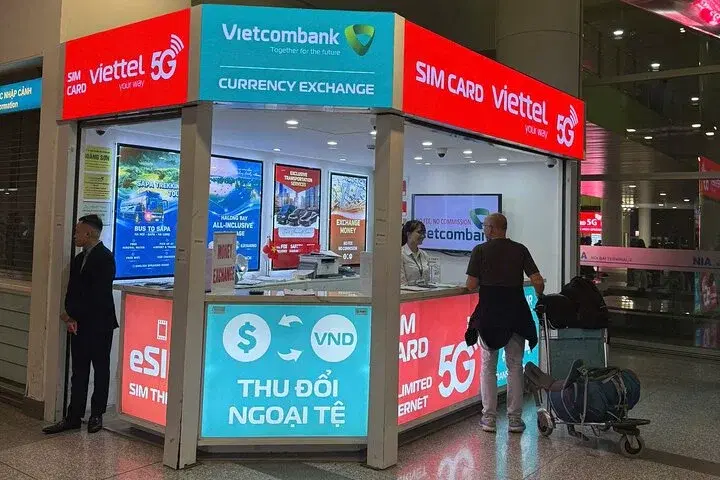
Staying connected in Vietnam is easier and more affordable than ever in 2026. Whether you need mobile data for Google Maps navigation, booking Grab rides, staying in touch with family, or posting travel photos on social media, Vietnam's mobile network infrastructure delivers reliable connectivity at a fraction of what you'd pay in Western countries.
This comprehensive guide covers everything travelers need to know about SIM cards, data plans, eSIM options, WiFi availability, and staying connected throughout your Vietnam journey.
Why You Need a Vietnamese SIM Card
While international roaming is available, it's expensive and often limited. A local Vietnamese SIM card offers:
Affordability: Data plans cost $3-10 USD for 30 days with generous daily data allowances (often 4-8 GB/day). Compare this to international roaming fees of $10-15 USD per day.
Reliable Coverage: Vietnam's mobile networks offer excellent 4G LTE coverage in cities and tourist areas, with 5G expanding rapidly in major cities.
No Speed Throttling: Local SIM cards provide full-speed data without the limitations often imposed on international roaming.
Local Phone Number: Essential for booking accommodations, ordering food delivery, using Grab (transportation app), and communicating with tour operators.
Convenience: Stay connected everywhere—no hunting for WiFi hotspots or relying on hotel internet.
Social Media Access: Some plans include free data for Facebook, YouTube, and TikTok (doesn't count against your data cap).
Vietnam's Three Major Mobile Providers
Vietnam's telecommunications market is dominated by three state-owned providers, all offering competitive services:
Viettel
Market Position: Largest provider with ~50% market share
Coverage: Best nationwide coverage, including remote and rural areas. If you're traveling to mountainous regions, islands, or off-the-beaten-path destinations, Viettel offers the most reliable connectivity.
Network Quality: Excellent 4G LTE speeds in cities (20-50 Mbps typical). 5G rollout in major cities (Hanoi, HCMC, Da Nang).
Tourist Plans: Widely available at airports, with English-speaking staff and tourist-specific packages.
Best for: Travelers visiting rural areas, trekking in Sapa, exploring Mekong Delta, or requiring the most reliable coverage nationwide.
Where to buy: Airports (all major airports have Viettel kiosks), Viettel stores (found everywhere), convenience stores.
Vinaphone (VNPT)
Market Position: Second-largest provider with ~30% market share
Coverage: Excellent in cities and tourist areas. Good rural coverage but slightly less extensive than Viettel.
Network Quality: Very good 4G speeds, competitive with Viettel in urban areas. 5G available in major cities.
Pricing: Often offers the most competitive pricing and promotional packages with generous data allowances.
Tourist Plans: Available at airports and mobile shops. Good value for money.
Best for: Travelers staying primarily in cities (Hanoi, HCMC, Da Nang, Hoi An, Nha Trang) and popular tourist destinations.
Where to buy: Airports, VNPT/Vinaphone stores, convenience stores, mobile shops.
Popular Vinaphone Plans (2026):
-
VIP349 - 349,000 VND/month (~$14 USD):
- 10 GB/day high-speed data
- 400 minutes to other networks
- 4,000 minutes within Vinaphone network
- Free MyTV Mobile access
- Free YouTube, TikTok, Facebook data (doesn't count toward daily limit)
- Ideal for heavy users or digital nomads
-
5G150 - 150,000 VND/month (~$6 USD):
- 7 GB/day high-speed data
- Free TikTok, YouTube, Facebook
- MyTV SCTV channels included
- Excellent value for tourists
-
5G70 - 70,000 VND/week (~$3 USD):
- 8 GB/day for 7 days
- Free TikTok data
- MyTV SCTV channels
- Perfect for 1-week trips
-
5G30 - 30,000 VND/3 days (~$1.20 USD):
- 7 GB/day for 3 days
- Free TikTok data
- MyTV SCTV channels
- Great for short city breaks
-
SODA155 - 155,000 VND/30 days (~$6.30 USD):
- 8 GB/day
- 150 minutes to other networks
- 1,500 minutes within network
- MyTV VTVcab access
- Good all-around package
Special Features:
- VoLTE (Voice over LTE) supported for HD voice calls
- VoWiFi (WiFi calling) available
- 24/7 hotlines: 18001091 (mobile), 18001166 (fixed/internet), 18001260 (business)
Mobifone
Market Position: Third-largest provider with ~20% market share
Coverage: Good in cities and popular tourist areas. Coverage in remote areas less extensive than Viettel and Vinaphone.
Network Quality: Reliable 4G speeds in urban areas. 5G deployment ongoing.
Pricing: Competitive, often running promotional offers for new users.
Best for: Travelers staying in major cities who prioritize pricing.
Where to buy: Airports, Mobifone stores, convenience stores.
How to Buy a SIM Card in Vietnam
At the Airport (Easiest Option)
All major Vietnamese airports (Hanoi Noi Bai, HCMC Tan Son Nhat, Da Nang International) have SIM card kiosks in the arrivals area.
Advantages:
- Immediate connectivity upon arrival
- English-speaking staff
- Tourist-specific packages designed for travelers
- Staff help with installation and testing
- Quick process (5-10 minutes)
Disadvantages:
- Slightly more expensive than buying in the city (10-20% markup)
- Limited plan options compared to main stores
- May have higher-priced tourist packages
Process:
- Look for mobile provider kiosks immediately after customs in arrivals hall
- Present passport (required for SIM registration)
- Choose your plan (staff will recommend based on length of stay)
- Pay in cash (VND or USD) or card (usually accepted)
- Staff will install SIM, activate service, and test connection
- Receive SIM card, receipt, and information card with plan details
Typical Cost: 150,000-300,000 VND ($6-12 USD) for tourist packages (7-30 days)
Pro tip: After clearing immigration, activate your airport fast-track service if you booked one, then purchase your SIM card in the arrivals hall before exiting the terminal.
In the City (Best Value)
Purchasing SIM cards in the city offers more options and better prices:
Provider Stores:
- Official Viettel, Vinaphone, Mobifone stores
- Staff may have limited English
- Widest selection of plans
- Best pricing
Convenience Stores:
- Circle K, Vinmart, GS25, Family Mart
- Prepaid SIM starter packs available
- Self-activation required (instructions included)
- Budget-friendly
Mobile Phone Shops:
- Independent shops in tourist areas
- English-speaking staff common
- Can compare providers
- Moderate pricing
Requirements:
- Passport (mandatory for all SIM registration in Vietnam)
- Cash (small shops may not accept cards)
Process:
- Choose provider and plan
- Present passport for registration
- Purchase SIM card and plan
- Staff activates SIM (or self-activate using instructions)
- Insert SIM and configure phone settings (staff assists if needed)
Phone Settings for Vietnamese SIM
Most modern smartphones automatically configure settings. If you have issues:
iOS (iPhone):
- Settings → Cellular → Cellular Data Options → Enable LTE/4G
- Settings → Cellular → Cellular Data Network → Leave on automatic
Android:
- Settings → Network & Internet → Mobile Network → Preferred Network Type → 4G/LTE
- Settings → Mobile Networks → Access Point Names (APN) → Auto-configure
If data doesn't work after inserting SIM, restart your phone. This resolves 90% of connectivity issues.
Understanding Data Plans and Choosing the Right One
How Much Data Do You Need?
Light Use (1-2 GB/day):
- Occasional Google Maps navigation
- Messaging (WhatsApp, Zalo)
- Light social media browsing
- Email checking
Medium Use (3-5 GB/day):
- Regular navigation and Grab usage
- Social media posting with photos
- Video calls with family (30-60 minutes daily)
- Streaming music
- Web browsing
Heavy Use (6-10 GB/day):
- Extended video calls
- Uploading videos to social media
- Streaming video content
- Working remotely
- Hotspot for multiple devices
Recommendation: Most travelers are comfortable with 4-6 GB/day plans. These provide enough data for all typical travel activities without worrying about running out.
Short-Term vs. Long-Term Plans
Short visits (1-7 days):
- Choose weekly or 3-day plans
- Vinaphone 5G70 (8 GB/day for 7 days, ~$3 USD) excellent value
- Airport tourist packages (often optimized for 7-10 days)
Medium stays (1-3 weeks):
- 30-day plans offer best value even if not staying full month
- Vinaphone 5G150 (7 GB/day for 30 days, ~$6 USD)
Long-term (1+ months):
- Monthly plans with largest data allowances
- Can top-up and renew easily
- Consider higher-tier plans if working remotely
Multiple SIM Strategy: If staying 2+ weeks, consider buying cheap 7-day SIM at airport for immediate use, then purchasing better-value monthly plan in city after settling in.
Unlimited Data Plans
Many Vietnamese plans advertise "unlimited" data, but understanding the details is important:
Daily Limits: Most "unlimited" plans provide high-speed data up to a daily limit (e.g., 8 GB/day), then throttle speeds to 1-2 Mbps for the rest of the day. This throttled speed is sufficient for messaging and light browsing but not video streaming.
True Unlimited: Some premium plans (like Vinaphone VIP349 at ~$14/month with 10 GB/day) offer such large daily allowances that most users never reach the limit.
Free Data for Social Apps: Many plans don't count Facebook, YouTube, and TikTok data toward your daily limit—essentially unlimited access to these platforms.
eSIM Options for Vietnam
What is eSIM?
eSIM (embedded SIM) is a digital SIM card built into newer smartphones, allowing you to activate a mobile plan without a physical SIM card.
Advantages:
- Keep your home SIM active while using Vietnam data plan
- No need to physically swap SIM cards
- Purchase and activate before arriving in Vietnam
- Instant activation
- No risk of losing tiny SIM card
Disadvantages:
- Slightly more expensive than physical SIM cards (typically $10-25 USD for 7-30 days)
- No local phone number (data only for most eSIM plans)
- Requires eSIM-compatible phone
- May have limitations compared to physical SIM plans
eSIM-Compatible Devices
iPhones: iPhone XS, XR, 11, 12, 13, 14, 15, 16 and newer
Samsung: Galaxy S20, S21, S22, S23, S24, Z Flip, Z Fold series
Google Pixel: Pixel 3, 4, 5, 6, 7, 8, 9 and newer
Other: Many newer flagship Android devices (check your phone's specifications)
Check compatibility: Settings → General → About → look for "Digital SIM" or "eSIM" (iPhone) or Settings → Connections → SIM card manager (Android)
Where to Buy eSIM for Vietnam
International eSIM Providers:
-
Airalo: Popular eSIM marketplace
- Vietnam plans: $4.50-26 USD (1-30 days)
- 1-20 GB data packages
- Data-only (no calls/SMS)
- Easy app-based purchase and activation
-
Holafly: Unlimited data plans
- Vietnam plans: $19-69 USD (5-90 days)
- Claims "unlimited" data (fair use policy applies)
- Data-only
-
Nomad: Flexible plans
- Vietnam coverage
- Various data allowances
- Regional Asia plans available
-
Ubigi: Global eSIM provider
- Vietnam plans available
- Pay-as-you-go options
Local Provider eSIMs: Viettel and Vinaphone have begun offering eSIM services, but primarily for Vietnamese citizens. Tourist eSIM options from local providers are limited as of 2026.
eSIM vs. Physical SIM: Which to Choose?
Choose Physical SIM if:
- You want the best value ($3-6 USD for 30 days)
- You need a local phone number
- You're staying 2+ weeks
- You want maximum flexibility to change plans
- Your phone has dual SIM slots
Choose eSIM if:
- You have a short trip (5-10 days)
- You value convenience over cost
- You need to keep home number active
- You want to activate before departure
- Your phone doesn't have physical SIM slot (some newer iPhones)
Best of Both: If your phone supports dual SIM (physical + eSIM), use physical Vietnamese SIM for data and local calls, keep home eSIM for receiving SMS verification codes and important calls.
WiFi Availability in Vietnam
Where to Find WiFi
Hotels and Accommodations: Nearly all hotels, hostels, and guesthouses offer free WiFi. Quality varies significantly:
- International hotels: Fast, reliable (50-100 Mbps common)
- Budget accommodations: Can be slow and unreliable (5-10 Mbps)
- Always ask about WiFi quality when booking
Cafés: Vietnamese café culture means WiFi is ubiquitous. Most cafés offer free WiFi:
- Password usually displayed at counter or on receipt
- Speed adequate for browsing, social media (10-30 Mbps typical)
- Extended stays expected; order every 1-2 hours
- Great option for video calls or work sessions
Restaurants: Many restaurants, especially in tourist areas and cities, offer free WiFi. Look for signs or ask staff.
Coworking Spaces: Excellent WiFi for remote workers:
- Professional-grade connections (50-100+ Mbps)
- Day passes available ($5-10 USD)
- See our Digital Nomad Guide for coworking recommendations
Airports: Free WiFi available at all major Vietnamese airports. SMS verification may be required.
Malls and Shopping Centers: Free WiFi common in modern shopping malls in major cities.
Public WiFi Security
Risks:
- Unencrypted connections allow data interception
- Fake WiFi hotspots can steal information
- Malicious networks can infect devices
Protection:
- Use VPN when connecting to public WiFi (encrypts your data)
- Avoid accessing banking or sensitive accounts on public WiFi
- Verify network name with staff (avoid "Free WiFi" generic networks)
- Keep software updated
- Use HTTPS websites (look for padlock in browser)
VPN for Vietnam
Why You Need a VPN in Vietnam
Vietnam implements internet censorship, blocking or restricting access to certain websites and services:
Blocked Content:
- Some international news sites
- Certain blogging platforms
- Some VoIP services
- Various social media content
Slow or Unreliable:
- Facebook (occasionally slow or temporarily restricted)
- YouTube (can be slower than other sites)
- Google services (occasionally affected)
VPN Benefits:
- Access blocked websites and services
- Improved privacy and security
- Better speeds for international services
- Encrypt data on public WiFi
Recommended VPNs for Vietnam
ExpressVPN:
- Fast servers
- Reliable in Vietnam
- Easy to use
- ~$8-13 USD/month
NordVPN:
- Good performance
- Large server network
- Good value
- ~$3-12 USD/month
Surfshark:
- Budget-friendly
- Unlimited devices
- Works well in Vietnam
- ~$2-13 USD/month
Important: Download and set up VPN before arriving in Vietnam. VPN provider websites may be slow or blocked within Vietnam.
Data Roaming vs. Local SIM: Cost Comparison
International Roaming Costs
US Carriers:
- Verizon TravelPass: $12/day
- AT&T International Day Pass: $12/day
- T-Mobile: Included in some plans (slow speeds, 2G-3G)
European Carriers:
- Vary by provider: €3-15/day typical
- Some include limited roaming
Australian Carriers:
- Telstra International Roaming: $10-15 AUD/day
- Optus Travel Packs: $10 AUD/day
30-Day Trip Comparison:
- International roaming: $90-450 USD
- Vietnamese SIM: $6-12 USD
- Savings: $78-438 USD by using local SIM
When Roaming Makes Sense
Short trips (1-2 days): Roaming may be convenient if you won't use much data
Business trips: If company pays and you need to keep work number active
Phone-based 2FA: If you need to receive SMS codes on your home number frequently (though eSIM solves this)
For most travelers, local SIM offers dramatically better value.
Topping Up and Managing Your Data
Checking Data Balance
Viettel:
- Dial *098# and press call
- Viettel app (English available)
- SMS "KT" to 999
Vinaphone:
- Dial *110# and press call
- MyVNPT app
- SMS "KT" to 888
- Call 18001091 hotline
Mobifone:
- Dial *100# and press call
- My MobiFone app
- SMS "KT" to 999
Adding More Data
At Provider Stores: Visit any store, present phone number, purchase additional data package.
Convenience Stores: Purchase top-up cards, follow instructions to add credit.
Online: Use provider apps to purchase additional data with credit/debit card.
Scratch Cards: Available at convenience stores, street vendors. Scratch off code, dial provider's top-up number, enter code.
Typical Top-Up Amounts: 50,000-500,000 VND ($2-20 USD)
Practical Connectivity Tips
Save Data While Traveling
- Download offline maps: Google Maps allows downloading regions for offline navigation
- Download entertainment: Netflix, Spotify allow offline downloads
- Disable auto-updates: Prevent apps from updating over cellular data
- Use WiFi when available: Update apps, backup photos, video calls when on WiFi
- Monitor data usage: Check phone settings to track which apps use most data
- Use data compression: Enable "Lite" modes in Facebook, Chrome
Essential Apps for Vietnam
Communication:
- Zalo: Vietnamese messaging app (widely used locally, works like WhatsApp)
- WhatsApp: For international contacts
- Telegram: Backup messaging option
Transportation:
- Grab: Essential for taxis, motorbike taxis, food delivery
- Google Maps: Navigation (works excellently in Vietnam)
Translation:
- Google Translate: Download Vietnamese language pack for offline use
- Camera translation for menus, signs
Payment:
- Banking apps: If you open Vietnamese bank account
- Grab Pay, Momo: Digital wallets (useful for cashless payments)
Learn more about essential apps in our Transportation & Apps Guide.
Two-Phone Strategy
Some travelers bring two phones:
- Phone 1: Home SIM for receiving calls/SMS (WiFi only)
- Phone 2: Vietnamese SIM for data and local use
Or use dual-SIM phone (physical + eSIM) for same benefit in single device.
Staying Connected in Rural and Remote Areas
Coverage Expectations
Excellent Coverage (4G LTE):
- All major cities (Hanoi, HCMC, Da Nang, Nha Trang, Hoi An, Hue)
- Popular tourist destinations (Sapa, Ha Long Bay, Dalat, Mui Ne, Phu Quoc)
- Major highways and routes
Good Coverage (3G-4G):
- Secondary cities and towns
- Most coastal areas
- National parks and tourist areas
Limited or No Coverage:
- Remote mountain areas
- Some islands
- Deep rural areas
- Dense jungle areas
Best Provider for Rural Travel: Viettel offers superior coverage in remote areas. If you're trekking in northern mountains, exploring Mekong Delta villages, or visiting off-the-beaten-path destinations, choose Viettel.
Backup Connectivity Plans
For critical connectivity needs:
- Download offline maps before entering remote areas
- Inform contacts of your itinerary and expected connectivity gaps
- Consider dual-SIM with two different providers for redundancy
- Carry portable charger (connectivity issues drain battery from searching for signal)
- Hotels/guesthouses in remote areas usually have WiFi even if mobile signal is poor
Special Considerations
Traveling with Children
- Shared data: Create hotspot from your phone rather than buying multiple SIM cards
- Parental controls: Use phone settings to limit data-hungry apps on kids' devices
- Offline entertainment: Download movies, games before trip to reduce data usage
Learn more in our Family Travel Guide.
Business Travelers
- Reliable connectivity essential: Choose Viettel or Vinaphone premium plans
- Multiple devices: Higher data allowances or multiple SIMs if using laptop, tablet
- VPN mandatory: For accessing company resources and secure communications
- Local number important: For booking meetings, deliveries, local contacts
See our Business Travel Guide for more tips.
Digital Nomads and Remote Workers
- Higher data needs: Consider premium plans (10+ GB/day)
- Backup connection: Portable WiFi device or second SIM as backup
- Coworking spaces: More reliable than mobile data for video conferences
- Test before commitments: Verify coverage and speeds in your accommodation before signing long lease
Details in our comprehensive Digital Nomad Guide.
Long-Term Expats
- Home internet: Fiber optic home internet only $8-15 USD/month (much better value than relying solely on mobile data)
- Monthly mobile plans: Cheaper than tourist plans for regular renewals
- Contract plans: May offer better value if committing to 12+ months
More information in our Expat Living Guide.
Final Recommendations
Best Overall Choice
For most travelers: Purchase Vinaphone 5G150 plan (150,000 VND ~$6 USD for 30 days, 7 GB/day) at the airport upon arrival. This provides excellent value, generous data, and works perfectly for typical 1-3 week trips visiting major destinations.
Best Budget Option
Vinaphone 5G70 (70,000 VND ~$3 USD for 7 days, 8 GB/day): Perfect for one-week trips. Unbeatable value.
Best for Remote Areas
Viettel: Superior nationwide coverage. Essential if visiting Sapa, remote beaches, Mekong Delta villages, or off-the-beaten-path destinations.
Best for Convenience
eSIM from Airalo or Holafly: Purchase before departure, activate upon arrival. Costs more but offers ultimate convenience for short trips.
Best for Heavy Users
Vinaphone VIP349 (349,000 VND ~$14 USD monthly, 10 GB/day): Perfect for digital nomads, remote workers, or anyone who uses significant data daily.
Getting Started
Before you travel:
- Check if your phone is unlocked (required for using Vietnamese SIM)
- Research which plan suits your needs based on length of stay and data requirements
- If using eSIM, purchase and download before departure
- Install VPN before arriving in Vietnam
- Download offline maps for your destinations
Upon arrival:
- Purchase SIM card immediately after clearing customs at airport (or wait until city for better prices)
- Test connectivity before leaving airport/shop
- Save provider hotline number for support
- Download essential Vietnamese apps (Grab, Zalo, banking)
During your trip:
- Monitor data usage regularly
- Use WiFi when available for large downloads
- Top-up data before running out (easier than purchasing new SIM)
- Keep SIM card and documentation for potential troubleshooting
Conclusion
Staying connected in Vietnam is affordable, reliable, and straightforward. With excellent mobile coverage, competitive pricing, and multiple provider options, you can enjoy seamless connectivity throughout your journey without breaking the bank.
Whether you choose a physical SIM for maximum value, an eSIM for convenience, or a premium plan for heavy usage, Vietnam's mobile networks ensure you're never far from family, friends, and the information you need to make the most of your travels.
Ready to explore Vietnam? Start your journey by securing your Vietnam E-Visa today, and consider adding airport fast-track services for a smooth arrival where you can immediately purchase your SIM card and begin your connected Vietnam adventure.
Safe travels and stay connected!
Share:
Created: Mar 11, 2026 | Modified: Mar 11, 2026
Related Posts

Vietnam Digital Arrival Card 2026: Complete Guide
Vietnam now requires all foreign travelers to complete a free Digital Arrival Card before landing at five major international airports. The online Pre-Arrival Information (PAI) system replaces the old paper form and generates a QR code you present at immigration. This guide walks you through the entire process, which airports are covered, common mistakes to avoid, and what to expect at the border.

Complete Vietnam Expat Living Guide 2026: Your Essential Handbook for Moving to Vietnam
Moving to Vietnam as an expatriate offers an incredible opportunity to experience a vibrant culture, affordable lifestyle, and rapidly developing economy. Whether you're relocating for work, retirement, or adventure, Vietnam welcomes over 100,000 foreign residents who have made it their home. From securing the right visa and finding suitable housing to navigating healthcare systems and enrolling children in international schools, successful expat life requires careful planning. This comprehensive guide covers everything you need to know about living in Vietnam as an expat in 2026, including practical advice on visas, accommodation, banking, taxes, schools, and integrating into local communities while maintaining connections with fellow expatriates.
Vietnam Transportation Guide 2026: Getting Around Like a Local with Apps & Transit
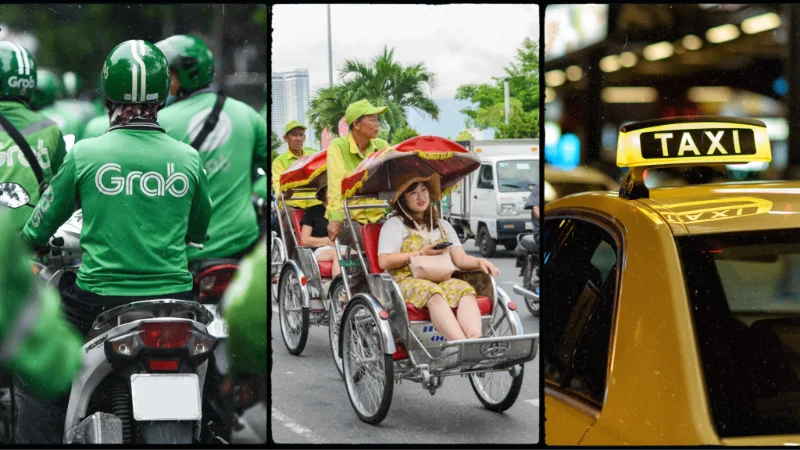
Navigating transportation in Vietnam might seem daunting at first, but with the right apps and knowledge, getting around becomes easy and affordable. Grab—Vietnam's dominant ride-hailing app—revolutionized transportation for travelers, making taxis, motorbike taxis, and food delivery accessible with transparent pricing and cashless payments. Beyond Grab, Vietnam offers extensive bus networks, comfortable trains connecting major cities, and domestic flights that cost less than Western train tickets. Whether you're hopping between cities or navigating chaotic urban streets, this comprehensive guide covers everything you need to know about transportation in Vietnam in 2026, including essential apps, safety tips, cost breakdowns, and insider advice for getting around efficiently.
Table of Contents
- Why You Need a Vietnamese SIM Card
- Vietnam's Three Major Mobile Providers
- Viettel
- Vinaphone (VNPT)
- Mobifone
- How to Buy a SIM Card in Vietnam
- At the Airport (Easiest Option)
- In the City (Best Value)
- Phone Settings for Vietnamese SIM
- Understanding Data Plans and Choosing the Right One
- How Much Data Do You Need?
- Short-Term vs. Long-Term Plans
- Unlimited Data Plans
- eSIM Options for Vietnam
- What is eSIM?
- eSIM-Compatible Devices
- Where to Buy eSIM for Vietnam
- eSIM vs. Physical SIM: Which to Choose?
- WiFi Availability in Vietnam
- Where to Find WiFi
- Public WiFi Security
- VPN for Vietnam
- Why You Need a VPN in Vietnam
- Recommended VPNs for Vietnam
- Data Roaming vs. Local SIM: Cost Comparison
- International Roaming Costs
- When Roaming Makes Sense
- Topping Up and Managing Your Data
- Checking Data Balance
- Adding More Data
- Practical Connectivity Tips
- Save Data While Traveling
- Essential Apps for Vietnam
- Two-Phone Strategy
- Staying Connected in Rural and Remote Areas
- Coverage Expectations
- Backup Connectivity Plans
- Special Considerations
- Traveling with Children
- Business Travelers
- Digital Nomads and Remote Workers
- Long-Term Expats
- Final Recommendations
- Best Overall Choice
- Best Budget Option
- Best for Remote Areas
- Best for Convenience
- Best for Heavy Users
- Getting Started
- Conclusion