Vietnam E-Visa for Indian Citizens 2026: Requirements & Tips
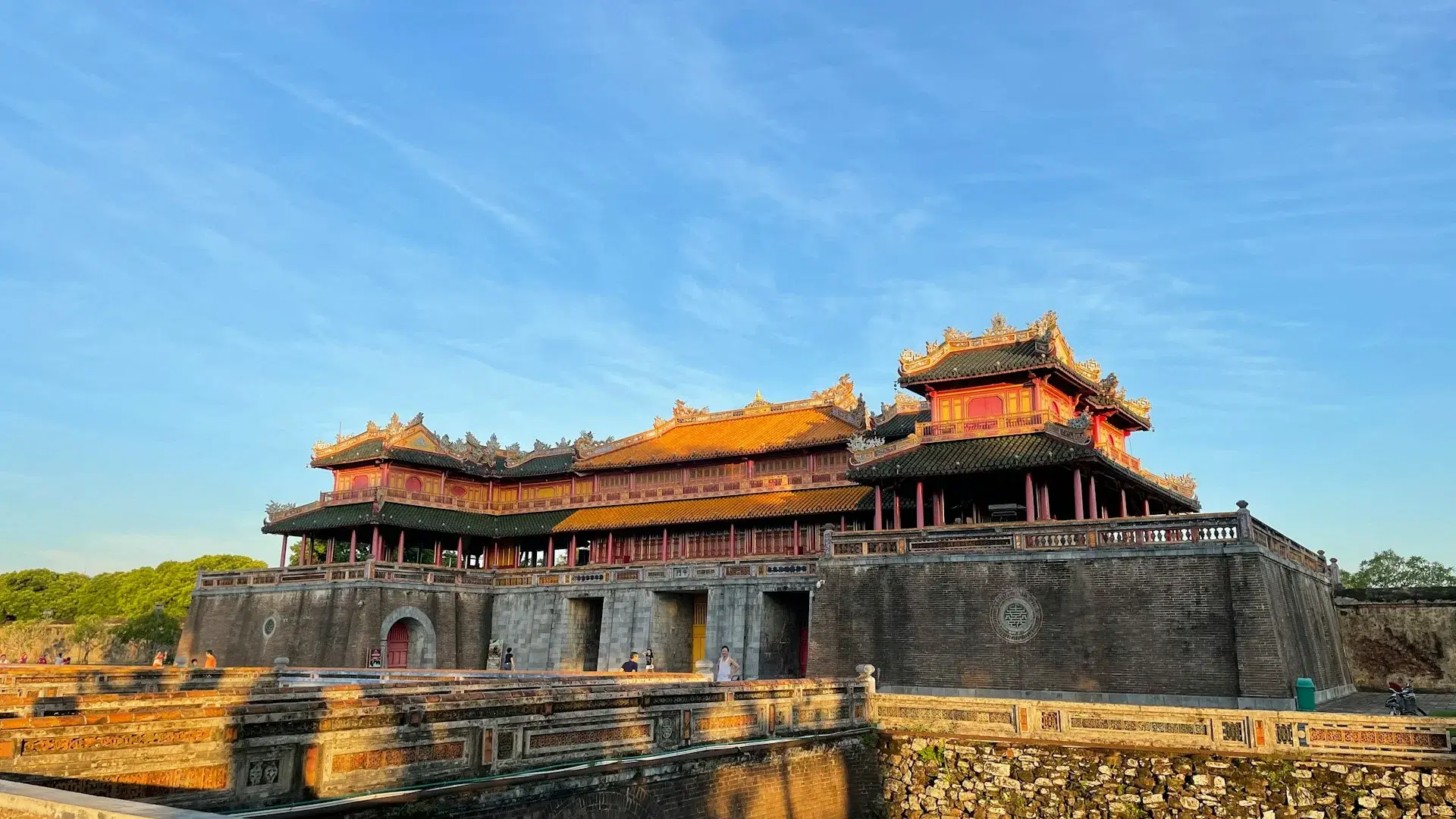
Vietnam has become one of the easiest international trips for Indian travellers. Nonstop flights now link several Indian cities with Hanoi and Ho Chi Minh City in around four and a half to five and a half hours, the food scene is far more vegetarian-friendly than many people expect, and the country works well for anything from a long weekend to a two-week loop from north to south.
The one thing you have to sort out before you fly is your visa. Indian citizens holding ordinary passports are not on Vietnam's visa exemption list, so you need a visa to enter mainland Vietnam. For almost every tourist and short business trip, that means the Vietnam E-Visa.
This guide explains who needs what, how to apply, how long it takes, when Indian holiday peaks make timing tight, which airlines fly nonstop from India as of late 2026, and the small mistakes that most often hold applications up.
Do Indian Citizens Need a Visa for Vietnam?
Yes. Indian citizens travelling on an ordinary passport need a visa to enter mainland Vietnam, whatever the purpose of the trip and however short the stay. Vietnam's visa exemption arrangements with India cover only diplomatic and official passports, not the ordinary passports most travellers hold.
If you arrive at airline check-in without a valid visa for Vietnam (and you are not heading only to Phu Quoc, covered below), you should expect to be refused boarding.
For most Indian travellers, the options look like this:
| Situation | What you need |
|---|---|
| Holiday or short business trip, up to 90 days | Vietnam E-Visa (single or multiple entry) |
| Trip only to Phu Quoc Island, up to 30 days | No visa, if you meet the Phu Quoc conditions |
| Work, study, or long-term stay with a sponsor in Vietnam | A different visa category, arranged through your sponsor or the Vietnamese embassy |
Vietnam has an embassy in New Delhi and a consulate general in Mumbai, but for ordinary tourism there is no need to visit either. The E-Visa is handled entirely online.
What Is the Vietnam E-Visa?
The E-Visa is an electronic visa that Vietnam has offered to citizens of every country since 15 August 2023. Key points:
- Validity: up to 90 days
- Entry type: single entry or multiple entry, chosen when you apply
- Application: fully online, with no embassy visit and no passport submission
- Delivery: an approved E-Visa is issued as a PDF that you print and carry
- Entry points: accepted at Vietnam's international checkpoints (airports, land borders and seaports). You must enter through the checkpoint named on your E-Visa.
Not sure whether you need single or multiple entry? If you plan to leave Vietnam during your trip (for a few days in Cambodia or Thailand, say) and come back, choose multiple entry. Our guide to the multiple-entry E-Visa covers that choice in more detail.
E-Visa Requirements for Indian Passport Holders
Have these ready before you start. The application itself takes about 15 to 20 minutes if everything is prepared.
1. A valid Indian passport
Your passport should be valid for at least 6 months from your date of arrival in Vietnam and have blank pages for entry and exit stamps. Airlines check this at boarding, so if your passport is close to the limit, renew it through Passport Seva before you apply. The E-Visa is tied to your passport number, so a renewed passport needs a new E-Visa.
2. A scan of your passport bio page
You need a clear, full-colour image of the data page: the page with your photo, name, passport number and the two machine-readable lines at the bottom. All four corners should be visible, with no glare, shadows or fingers over the text. You do not need to upload the last page (address and family details) of your Indian passport.
3. A portrait photo
The E-Visa photo has its own specifications, and it is the most common reason applications are sent back. Use a new photo rather than cropping your passport bio page.
| Specification | Requirement |
|---|---|
| Shape and size | 4 x 6 cm proportions (portrait, 2:3 ratio) |
| Background | Plain white, no shadows or patterns |
| Pose | Facing the camera directly, neutral expression, eyes open |
| Glasses | Not allowed |
| Head covering | Avoid, unless worn for religious reasons |
| File | JPG/JPEG, under 2 MB, in colour |
| Age | Taken recently (within the last 6 months) |
Most photo studios in India can produce a 4 x 6 cm photo on a white background and give you the digital file. If you take it yourself, stand against a white wall in even daylight, have someone else take the photo at eye level, and crop it so your face and the top of your shoulders fill most of the frame.
4. Travel details
- Intended date of entry. Your E-Visa validity starts from the date you request, so match it to your flight.
- Entry checkpoint. For example Noi Bai (Hanoi), Tan Son Nhat (Ho Chi Minh City) or Da Nang. You must enter through this exact checkpoint.
- Exit checkpoint. Where you plan to leave Vietnam.
- First address in Vietnam. Usually your first hotel.
- Purpose of visit. Tourism for a holiday, business for meetings or trade fairs.
5. A payment card
A Visa or Mastercard credit or debit card enabled for international online transactions. Many Indian cards have international usage switched off by default, so turn it on in your banking app before you pay.
How to Apply: Step by Step
Step 1: Start your application
Begin on our Vietnam E-Visa page. Choose your entry type (single or multiple) and the processing speed you need. Current pricing is shown on the booking page.
Step 2: Enter your details exactly as in your passport
Copy your name, date of birth, passport number and passport issue and expiry dates exactly as printed. One point that matters for Indian passports:
- Name layout. Some Indian passports print the full name in the "Given Name" field and leave "Surname" blank, while others split it across the two fields. Enter your name exactly as your passport shows it. Do not invent a surname or move part of your given name across. If the form does not seem to fit your passport layout, contact us before submitting.
Vietnam uses the DD/MM/YYYY date format, the same as India, so dates should not trip you up. Still, check every one before you submit.
Step 3: Upload your photo and passport scan
Upload the portrait photo and the passport bio page scan. Look at both on your screen before you continue. Blurry, cropped or shadowed images are the main reason applications get sent back.
Step 4: Pay and submit
Pay by card and save your confirmation and reference details. You will need them to check your status.
Step 5: Receive, check and print your E-Visa
Once approved, your E-Visa arrives as a PDF. Check every detail against your passport, especially name spelling, passport number, date of birth, validity dates and entry checkpoint. Then print at least two copies to carry with you, and keep a copy on your phone as a backup.
Processing Time and When to Apply
Standard government processing for the E-Visa is around 3 working days. Working days are Monday to Friday, excluding Vietnamese public holidays. Weekends and Vietnamese holidays do not count, so an application submitted on Thursday afternoon will usually not be decided until the following week.
If your departure is close, our E-Visa Priority Handling offers 2-working-day, 1-working-day and 4-hour urgent options. For a deeper look at timelines, see our Vietnam visa processing time guide.
Indian holiday travel peaks
Processing is set by Vietnam's calendar, not India's. Indian holiday periods still matter, though, because that is when flights sell out and people leave visas to the last minute.
| Peak period | When (2026–2027) | What to do |
|---|---|---|
| Diwali | Diwali falls on 8 November 2026; in 2027 it is 29 October | Apply at least 2 weeks before departure. Flights around Diwali fill early. |
| Christmas and New Year | Late December to early January | Apply in early December. Many Indian families travel in this window. |
| Summer school holidays | Roughly May to June | Apply as soon as flights are booked. |
| Tet (Vietnamese Lunar New Year) | Tet 2027 is 6 February; the public-sector holiday runs 4 to 10 February 2027 | Expect no standard processing during the break. Apply well before it. |
Vietnamese public holidays such as Reunification Day (30 April), Labour Day (1 May) and National Day (2 September) also pause processing for a day or more. Our Vietnam holidays guide lists the main dates.
Our recommendation: apply 2 to 3 weeks before departure if you plan to use standard processing. If you are travelling within 10 days, choose a priority option rather than hoping standard processing comes through in time.
Entry Points: Where Can You Arrive?
The E-Visa is accepted at Vietnam's international checkpoints. Following Resolution 389/NQ-CP (December 2025), there are 83 of them in total, covering airports, land borders and seaports. For travellers from India, the relevant airports are:
| Airport | City | Code | Why Indian travellers use it |
|---|---|---|---|
| Noi Bai | Hanoi | HAN | Northern gateway for Ha Long Bay, Ninh Binh and Sapa |
| Tan Son Nhat | Ho Chi Minh City | SGN | Southern gateway for the Mekong Delta and Cu Chi |
| Da Nang | Da Nang | DAD | Central coast, Hoi An, Ba Na Hills and the Golden Bridge |
| Phu Quoc | Phu Quoc Island | PQC | Beach island, with its own visa-free rule |
| Cam Ranh | Nha Trang | CXR | Beach resorts |
Important: Your E-Visa names a specific entry checkpoint, and you must enter Vietnam there. If you fly Delhi to Hanoi, your E-Visa should say Noi Bai, not Tan Son Nhat. Many Indian travellers fly into one city and out of the other. That is fine, but make sure the entry port on your E-Visa matches your arrival airport. For help choosing, see our guide to the best airports to enter Vietnam.
Nonstop Flights from India to Vietnam (Late 2026)
India–Vietnam flights have grown quickly, and schedules change often. As of late 2026, these airlines operate or have announced nonstop services:
| Airline | Nonstop routes (as of late 2026) |
|---|---|
| VietJet | The largest operator on the corridor, with flights from Delhi, Mumbai, Bengaluru, Hyderabad, Kochi and Ahmedabad to Ho Chi Minh City and/or Hanoi, plus some Da Nang and Phu Quoc services |
| Vietnam Airlines | Delhi and Mumbai to both Hanoi and Ho Chi Minh City; Bengaluru and Hyderabad to Hanoi |
| Air India | Delhi–Ho Chi Minh City; Delhi–Hanoi (five times weekly, launched 1 May 2026) |
| IndiGo | Kolkata–Hanoi and Delhi–Hanoi; Mumbai–Hanoi from 26 October 2026. IndiGo suspended Kolkata–Ho Chi Minh City from July 2026. |
| Akasa Air | Mumbai–Hanoi, four times weekly since 4 September 2026 |
Nonstop flight times are roughly 4.5 to 5.5 hours, depending on the city pair. Fares and frequencies vary a lot by season, so book early for Diwali and December.
Tip: If your trip runs north to south (for example Hanoi, then Hoi An, then Ho Chi Minh City), an open-jaw ticket that flies into Hanoi and home from Ho Chi Minh City saves you a domestic flight back north. Just remember that your E-Visa must list your arrival airport as the entry port. For more routing ideas, see our flights to Vietnam guide.
The Phu Quoc Visa-Free Option
Phu Quoc is the one place where Indian passport holders can visit Vietnam without a visa. Under Vietnam's Phu Quoc policy, foreign visitors can stay on the island visa-free for up to 30 days, provided that:
- You arrive at Phu Quoc and stay only on Phu Quoc for the whole visit
- Your passport is valid for at least 6 months
- You can show onward or return travel if asked (airlines often check this at check-in)
The moment you want to add Hanoi, Da Nang, Ho Chi Minh City or any other mainland stop, even for a day, you need an E-Visa covering your whole trip. Also check your routing. If your ticket takes you through a mainland Vietnamese airport, ask your airline how the connection works and whether you will be treated as entering the mainland.
VietJet has operated nonstop flights between India and Phu Quoc. Check the current schedule before planning a Phu Quoc-only trip around them. Our Phu Quoc travel guide covers what to do once you are there.
Common Reasons Indian Applications Get Delayed or Rejected
Most problems are avoidable. These are the ones we see most often. For a full list, see our 10 E-Visa mistakes that get you denied and Vietnam visa rejection reasons.
1. Photo does not meet the specification
The usual culprits are an off-white or patterned background, glasses, shadows across the face, a heavily filtered selfie, or a cropped passport photo. Take a fresh, plain photo on a white background.
2. Name entered differently from the passport
Indian names are often long, and passports differ in how they split given name and surname. Entering initials instead of full names, adding a surname that is not printed, or reordering names can all cause a mismatch. Copy the passport exactly.
3. Unclear passport scan
The machine-readable lines at the bottom of the bio page must be fully visible and sharp. A photo taken at an angle, or with flash glare across the lamination, can make them unreadable.
4. Wrong entry port or dates
Booking a flight into Hanoi but listing Ho Chi Minh City as the entry port, or setting a start date after your arrival date, creates a problem you can only fix with a new E-Visa. Finalise your flights before you apply.
5. Passport too close to expiry
If your passport has less than 6 months left on your arrival date, renew it first and apply for the E-Visa on the new passport.
6. Choosing too short a stay
Pick a validity period that covers your whole trip with a buffer, and choose multiple entry if you might leave and come back. Overstaying is expensive: fines were increased under Decree 282/2025, as explained in our overstay fines guide.
On Arrival: Digital Arrival Card and Immigration
Digital Arrival Card (Pre-Arrival Information)
Vietnam has introduced a free online Pre-Arrival Information declaration, often called the Digital Arrival Card, at prearrival.immigration.gov.vn. It launched at Tan Son Nhat on 15 April 2026. By late June 2026 it covered Noi Bai, Tan Son Nhat, Da Nang, Cam Ranh and Phu Quoc, and it is being expanded to all airports.
- Submit it no more than 3 days before arrival, or on arrival
- You receive a QR code to show at immigration
- It is free, and it is not a visa. You still need your E-Visa (or to qualify for Phu Quoc visa-free entry).
Our Digital Arrival Card guide walks through the form field by field.
At the immigration counter
Have these ready:
- Your Indian passport
- Your printed E-Visa
- Your Digital Arrival Card QR code
- Your return or onward ticket and first hotel booking, in case you are asked
The officer checks your documents and stamps your passport. Check the stamp before you leave the counter.
Skip the queue with Fast Track
Morning arrivals from India can coincide with other international flights, and immigration queues at the big airports can be long. Our Airport Fast Track service meets you on arrival and escorts you through a priority lane at Tan Son Nhat (SGN), Noi Bai (HAN) and Da Nang (DAD). It is useful for families with children, older parents, or anyone with a tight onward connection. Read more in our airport fast track guide.
Frequently Asked Questions
Is it easy to find vegetarian food in Vietnam?
Easier than many Indian travellers expect. Vietnam has a strong Buddhist vegetarian tradition, and dedicated vegetarian restaurants are common in Hanoi, Hoi An, Hue and Ho Chi Minh City. Look for the word "chay" (vegetarian). "Quán chay" or "cơm chay" signs mark vegetarian eateries, and "Tôi ăn chay" means "I eat vegetarian". One caution: regular Vietnamese dishes often use fish sauce (nước mắm), so ask for "không nước mắm" (no fish sauce) if that matters to you. Indian restaurants, including pure-vegetarian ones, are easy to find in the main tourist areas of Hanoi and Ho Chi Minh City. Jain travellers should ask specifically about onion, garlic and root vegetables, since "chay" alone does not guarantee they are left out. Our Vietnamese street food guide has more on what to order.
Should I carry rupees, dollars or dong?
Indian rupees are not widely exchanged in Vietnam, so do not rely on converting INR after you land. The approach most Indian travellers use is to carry clean, undamaged US dollar notes from India and change them into Vietnamese dong (VND) on arrival, or to use a forex card loaded with USD. ATMs that accept international Visa and Mastercard cards are easy to find in cities and at major airports. Visa and Mastercard are widely accepted at hotels, larger restaurants and shops, but street food, markets and small vendors are usually cash only. Do not count on RuPay cards working. See our credit card acceptance guide for details.
Can I extend my E-Visa inside Vietnam?
Do not plan on it. Choose an E-Visa length and entry type that cover your whole trip from the start, with a few days of buffer for flight changes.
Do I need a return ticket?
Airlines departing India commonly ask for proof of return or onward travel before letting you board, and immigration officers may ask too. Have a confirmed return or onward ticket that falls within your E-Visa validity.
Can I use the E-Visa for a business trip?
Yes. The E-Visa can be issued for business purposes such as meetings, conferences and trade fairs. Select business as the purpose when you apply. If you are going to work in Vietnam, you need a different visa and, usually, a work permit arranged through your employer.
Can I enter Vietnam overland from Cambodia or Laos?
Yes, at land border crossings that accept the E-Visa. List that exact crossing as your entry port when you apply.
Do I need travel insurance or vaccinations?
Vietnam does not require travel insurance for an E-Visa, but it is strongly recommended. See our Vietnam travel insurance guide. For vaccinations, speak to your doctor or a travel clinic well before departure. Our holiday vaccinations guide is a useful starting point.
Ready to Plan Your Vietnam Trip?
For Indian travellers, the formula is simple. Get an E-Visa unless you are going only to Phu Quoc, apply two to three weeks ahead (earlier around Diwali, December and Tet), use a proper white-background photo, copy your passport details exactly, and make sure your entry port matches your arrival airport.
Share:
Created: Oct 24, 2026 | Modified: Oct 24, 2026
Related Posts
Vietnam E-Visa for US Citizens 2026: Complete Guide
American passport holders need a visa to enter Vietnam — no exceptions for the mainland. The E-Visa is the fastest and most affordable option, covering stays up to 90 days at all 83 international checkpoints. This guide walks US travelers through everything: requirements, the step-by-step application process, processing times, entry points, flight options, the Phu Quoc island exception, and common mistakes Americans make on their applications.
Vietnam E-Visa vs Embassy Visa vs Visa Exemption: Which Do You Need?
Do you need a visa for Vietnam at all? It depends on your passport, how long you plan to stay, and why you are going. This guide compares Vietnam's three main options, which are visa-free entry, the E-Visa, and an embassy visa. It explains the 45-day exemption rules under Resolutions 44 and 229 and Phu Quoc's 30-day island policy, then walks you through a simple decision flowchart so you can pick the right route before you book.
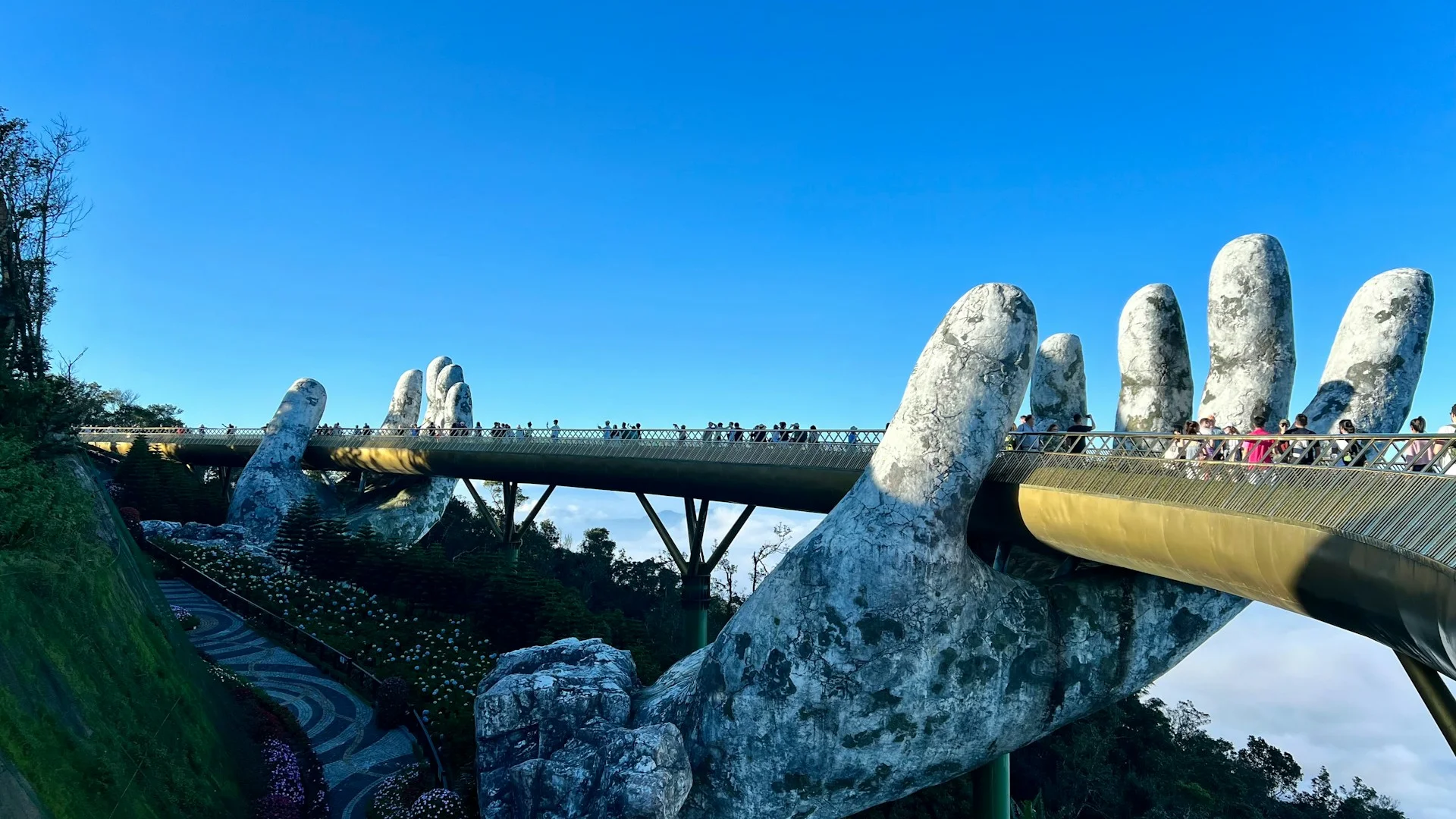
Vietnam Visa for UK Citizens 2026: Everything You Need to Know
Holders of a full British citizen passport can visit Vietnam visa-free for up to 45 days under Resolution 44/NQ-CP, which runs until 14 March 2028. But the exemption has limits. It does not cover BN(O) passports, it cannot simply be stretched past 45 days, and it does not suit every itinerary. This guide explains the conditions, how the days are counted, when British travellers are better off with an E-Visa, how to apply, flights from the UK and what to expect on arrival.
Table of Contents
- Do Indian Citizens Need a Visa for Vietnam?
- What Is the Vietnam E-Visa?
- E-Visa Requirements for Indian Passport Holders
- 1. A valid Indian passport
- 2. A scan of your passport bio page
- 3. A portrait photo
- 4. Travel details
- 5. A payment card
- How to Apply: Step by Step
- Step 1: Start your application
- Step 2: Enter your details exactly as in your passport
- Step 3: Upload your photo and passport scan
- Step 4: Pay and submit
- Step 5: Receive, check and print your E-Visa
- Processing Time and When to Apply
- Indian holiday travel peaks
- Entry Points: Where Can You Arrive?
- Nonstop Flights from India to Vietnam (Late 2026)
- The Phu Quoc Visa-Free Option
- Common Reasons Indian Applications Get Delayed or Rejected
- 1. Photo does not meet the specification
- 2. Name entered differently from the passport
- 3. Unclear passport scan
- 4. Wrong entry port or dates
- 5. Passport too close to expiry
- 6. Choosing too short a stay
- On Arrival: Digital Arrival Card and Immigration
- Digital Arrival Card (Pre-Arrival Information)
- At the immigration counter
- Skip the queue with Fast Track
- Frequently Asked Questions
- Is it easy to find vegetarian food in Vietnam?
- Should I carry rupees, dollars or dong?
- Can I extend my E-Visa inside Vietnam?
- Do I need a return ticket?
- Can I use the E-Visa for a business trip?
- Can I enter Vietnam overland from Cambodia or Laos?
- Do I need travel insurance or vaccinations?
- Ready to Plan Your Vietnam Trip?