The Ultimate Vietnamese Street Food Guide: 15 Must-Try Dishes
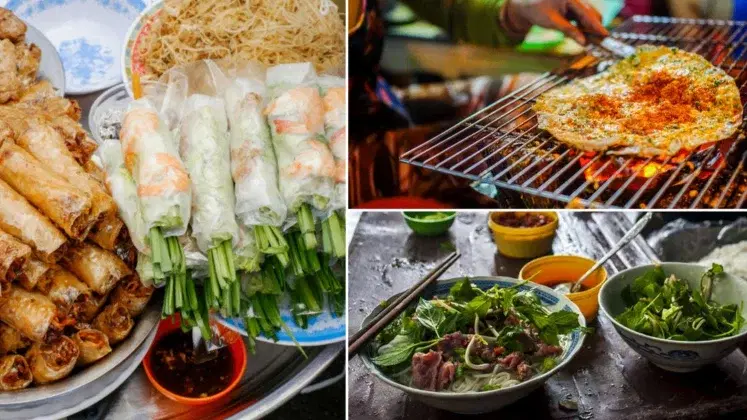
Vietnamese street food is one of the world's greatest culinary experiences—a vibrant tapestry of flavors, textures, and aromas that tells the story of Vietnam's history, regional diversity, and daily life. From steaming bowls of phở at dawn to sizzling bánh xèo at sidewalk stalls, street food is the heartbeat of Vietnamese cuisine.
This comprehensive guide covers 15 essential Vietnamese street food dishes, where to find them, how to order like a local, and important tips for food safety and cultural etiquette.
Why Vietnamese Street Food is Special
Vietnamese street food culture is fundamentally different from restaurant dining—it's where authentic, time-honored recipes are passed down through generations, often from vendors who have been perfecting a single dish for decades.
Fresh Ingredients, Bold Flavors
Street food vendors purchase fresh ingredients daily from local markets. Herbs are picked the same morning, meat and seafood are bought fresh, and dishes are cooked to order. This commitment to freshness creates unmatched flavors that restaurants often struggle to replicate.
Regional Diversity
Vietnam's street food varies dramatically by region, reflecting local ingredients, climate, and historical influences:
- Northern Vietnam: Subtle, balanced flavors with less sweetness; freshwater fish and crab are common
- Central Vietnam: Bold, spicy dishes with complex seasonings; strong Cham and royal court influences
- Southern Vietnam: Sweeter flavors with liberal use of coconut milk; abundant tropical fruits and seafood
Affordable Authentic Experience
Street food offers the most authentic Vietnamese dining experience at incredibly affordable prices. Most dishes cost between 15,000-50,000 VND ($0.60-$2 USD), making it possible to sample multiple dishes throughout the day.
Social and Cultural Hub
Street food stalls are social gathering places where locals meet friends, conduct business, and catch up on neighborhood news. Eating street food immerses you in daily Vietnamese life in a way no restaurant can match.
Street Food Safety Tips
Street food in Vietnam is generally safe if you follow sensible precautions. Millions of locals eat street food daily without issues.
Choose Busy Stalls
Busy stalls with high turnover ensure fresh ingredients and proper cooking. If locals are lining up, it's usually a good sign. Avoid empty stalls where food might sit for extended periods.
Observe Cleanliness
Look for vendors who:
- Keep their cooking area relatively clean
- Use separate utensils for raw and cooked food
- Wash dishes with hot water or disposable items
- Store ingredients properly (covered, refrigerated when necessary)
Eat Cooked Food
Stick to thoroughly cooked dishes, especially meat and seafood. Soups and dishes cooked at high temperatures (grilled, fried, boiled) are safest. Be cautious with:
- Raw vegetables (unless you see them washed in clean water)
- Ice in drinks (may be made from tap water)
- Pre-cut fruit from carts (better to buy whole fruit)
Bottled Water Only
Drink only bottled or boiled water. Most street food vendors understand this and will serve bottled water. Avoid tap water and drinks with ice unless you're certain the ice is made from purified water.
Start Slowly
Your digestive system needs time to adjust to new bacteria and spices. Start with familiar-looking cooked dishes, then gradually try more adventurous options. Carry anti-diarrheal medication just in case.
Travel Insurance
Ensure your travel insurance covers foodborne illness. While rare with proper precautions, it's wise to be prepared.
How to Order Street Food in Vietnam
Ordering street food can be intimidating for first-timers, but most vendors are patient and welcoming to foreigners.
Basic Ordering Process
- Approach and sit: Find a plastic stool and sit down, or stand if it's a grab-and-go stall
- Point and smile: If you don't speak Vietnamese, pointing at what others are eating works perfectly
- Indicate quantity: Hold up fingers to show how many portions
- Wait for preparation: Most dishes are cooked to order (5-15 minutes)
- Pay after eating: Payment usually comes after you finish
Useful Vietnamese Phrases
- "Một phần" (moht fun) = One portion
- "Không cay" (khome kai) = Not spicy
- "Ít cay" (eet kai) = A little spicy
- "Bao nhiêu tiền?" (bow nyew tee-en) = How much?
- "Ngon quá!" (ngon gwah) = Delicious!
- "Cho tôi một..." (chaw toy moht) = Give me one...
Price Expectations
Typical street food prices:
- Simple dishes (bánh mì, sticky rice): 15,000-25,000 VND ($0.60-$1)
- Noodle soups (phở, bún bò): 30,000-60,000 VND ($1.20-$2.50)
- Specialty dishes (bánh xèo, bún chả): 40,000-80,000 VND ($1.60-$3.20)
Prices in tourist areas can be 50-100% higher than local neighborhoods.
Northern Vietnamese Street Food (Hanoi & Region)
Northern Vietnamese street food, particularly in Hanoi, is characterized by subtle, balanced flavors and the use of freshwater fish, crab, and less spice compared to other regions.
1. Phở
What it is: The iconic Vietnamese noodle soup with flat rice noodles, clear beef or chicken broth, and tender meat slices. Served with fresh herbs, lime, and chili.
Regional variation: Northern phở (phở Bắc) from Hanoi is the original version—simple, clear broth with minimal garnishes compared to southern versions. The broth is traditionally simmered for hours with beef bones, star anise, cinnamon, and charred ginger and onions.
Two main types:
- Phở bò (beef phở): With rare beef slices, well-done flank, tendon, or tripe
- Phở gà (chicken phở): With poached chicken and often served with ginger fish sauce
Where to find it: Every street corner in Hanoi, especially in the Old Quarter. Famous spots include Phở Gia Truyền, Phở 10 Lý Quốc Sư, and Phở Thìn.
Best time: Breakfast (6-9am) or late-night supper (after 9pm)
Price: 35,000-60,000 VND per bowl
Cultural note: Northerners eat phở with minimal additions—just herbs and a squeeze of lime. Southern-style additions like hoisin sauce and sriracha are considered touristy in Hanoi.
2. Bún Chả
What it is: Grilled fatty pork (both patties and pork belly strips) served with white rice vermicelli noodles, fresh herbs, and a bowl of sweet-sour dipping sauce (nước chấm).
Origin: This quintessential Hanoi dish gained international fame when President Obama and Anthony Bourdain shared a meal at Bún Chả Hương Liên in 2016.
How to eat: Add noodles and herbs to the dipping sauce bowl with the grilled pork. Mix together and enjoy the combination of smoky, sweet, sour, and fresh flavors.
Where to find it: Throughout Hanoi's Old Quarter. Famous spots include Bún Chả Đắc Kim, Bún Chả 34, and of course Bún Chả Hương Liên (the "Obama bún chả").
Best time: Lunch (11am-2pm)
Price: 40,000-70,000 VND per set
3. Bánh Mì
What it is: Vietnamese baguette sandwich—a crispy French-style baguette stuffed with various fillings including pâté, mayonnaise, pickled vegetables (carrot and daikon), fresh cilantro, cucumber, chili, and your choice of protein.
Historical fusion: This is Vietnam's most successful fusion dish, combining the French colonial baguette with Vietnamese ingredients and flavors. The result is uniquely Vietnamese despite its French origins.
Common fillings:
- Bánh mì thịt (mixed pork): Various pork cold cuts
- Bánh mì pâté (pâté): With liver pâté
- Bánh mì xíu mại (meatball): With tomato-sauced meatballs
- Bánh mì trứng (egg): Fried egg bánh mì
- Bánh mì chả cá (fish cake): With grilled fish patties
Where to find it: Everywhere, but Bánh Mì 25 in Hanoi's Old Quarter is legendary for its crispy bread and generous fillings.
Best time: Breakfast or quick lunch
Price: 15,000-35,000 VND
Pro tip: Ask for "không cay" (not spicy) if you can't handle chili heat, though a little spice makes bánh mì perfect.
4. Bún Riêu
What it is: A tomato-based crab and rice noodle soup with a distinctive orange-red broth made from paddy crabs, tomatoes, and annatto oil. Topped with fried tofu, fresh tomatoes, shrimp paste, and various herbs.
Unique ingredient: The defining feature is riêu cua (crab paste) made by grinding freshwater paddy crabs with their shells, then filtering to create a protein-rich broth component that forms distinctive orange curds when cooked.
Where to find it: Popular throughout northern Vietnam, particularly in Hanoi. Bún Riêu Cua Hàng Bạc is a famous spot.
Best time: Breakfast or lunch
Price: 30,000-50,000 VND per bowl
5. Bánh Cuốn
What it is: Delicate steamed rice rolls with minced pork and wood ear mushrooms, served with fried shallots, fresh herbs, and dipping sauce. The rice paper is made fresh by spreading rice batter on a cloth stretched over a steaming pot.
Skill required: Making bánh cuốn requires significant skill—the rice sheets must be paper-thin, smooth, and perfectly steamed. Many vendors have been making them the same way for generations.
Where to find it: Bánh Cuốn Bà Hoành in Hanoi is an institution, operating since the 1930s.
Best time: Breakfast
Price: 25,000-40,000 VND per serving
6. Chả Cá Lã Vọng
What it is: Grilled turmeric fish (traditionally hemibagrus or snakehead fish) served sizzling on a tabletop burner with dill, spring onions, peanuts, rice noodles, and shrimp paste.
Historical significance: This dish has its own street named after it (Chả Cá Street) and has been served by the same family at Chả Cá Lã Vọng restaurant since 1871, making it one of Vietnam's oldest restaurant dishes with street food origins.
Where to find it: The original Chả Cá Lã Vọng restaurant at 14 Chả Cá Street, Hanoi, though it's more restaurant than street stall now.
Best time: Lunch or dinner
Price: 150,000-200,000 VND per portion
Central Vietnamese Street Food (Hue, Da Nang, Hoi An)
Central Vietnam's street food is characterized by bold, spicy flavors, complex seasonings, and influences from the royal court of Hue and the ancient trading port of Hoi An.
7. Bún Bò Huế
What it is: Spicy beef and pork noodle soup from Hue, the former imperial capital. Features round rice noodles in a lemongrass-infused broth with beef shank, pork knuckle, Vietnamese ham (chả lụa), and congealed blood cubes.
Flavor profile: This is Vietnam's spiciest mainstream noodle soup, with prominent lemongrass, chili oil, shrimp paste, and a more robust flavor than phở.
Where to find it: Throughout Central Vietnam, but best in Hue. In Hoi An and Da Nang, it's also widely available. Look for Bún Bò Huế Đông Ba in Hue.
Best time: Breakfast or lunch
Price: 35,000-60,000 VND per bowl
Cultural note: Don't skip the blood cubes—they're considered essential to authentic bún bò Huế and add richness to the broth.
8. Mì Quảng
What it is: Quang Nam province's signature dish—turmeric-yellow rice noodles with small amount of intensely flavorful broth, topped with shrimp, pork, boiled quail eggs, roasted peanuts, fresh herbs, crispy rice crackers (bánh tráng), and sometimes snails.
Unique feature: Unlike most Vietnamese noodle soups, mì Quảng uses very little broth—just enough to coat the noodles—and is eaten with crispy rice crackers broken into the bowl.
Where to find it: Hoi An and Da Nang are mì Quảng headquarters. Mì Quảng Bà Mua in Hoi An is legendary.
Best time: Lunch
Price: 30,000-50,000 VND per bowl
9. Cao Lầu
What it is: Hoi An's most famous dish—thick, chewy rice noodles with pork, greens, crispy wonton crackers, and herbs in a small amount of savory broth.
Local legend: According to tradition, authentic cao lầu can only be made with water from the ancient Ba Le Well in Hoi An and ash from trees on the nearby Cham Islands, though this is more myth than reality today.
Where to find it: Exclusive to Hoi An. Try it at the Hoi An Central Market or at Cao Lầu Thanh on Phan Châu Trinh Street.
Best time: Lunch
Price: 30,000-50,000 VND per bowl
10. Bánh Xèo
What it is: Crispy rice flour crepe (colored yellow with turmeric) filled with pork, shrimp, bean sprouts, and herbs. The name means "sizzling cake" from the sound it makes when the batter hits the hot pan.
Regional variations: Central Vietnamese bánh xèo are smaller than southern versions and served with a peanut-enriched dipping sauce.
How to eat: Cut or tear a piece, wrap it in lettuce with herbs, and dip in the provided sauce.
Where to find it: Common throughout central and southern Vietnam. In Da Nang and Hoi An, look for Bánh Xèo Bà Dưỡng.
Best time: Lunch or early dinner
Price: 30,000-60,000 VND per serving (usually comes with 3-4 pieces)
Southern Vietnamese Street Food (Ho Chi Minh City & Mekong Delta)
Southern Vietnamese street food is known for sweeter flavors, liberal use of coconut milk and tropical ingredients, and abundant fresh seafood from the coast and Mekong Delta.
11. Bánh Mì Thịt (Southern Style)
What it is: While bánh mì is nationwide, Saigon's version is distinct—crispier baguette, more elaborate fillings, and sweeter flavors with additional ingredients like grilled pork, fried egg, or sardines.
Famous varieties:
- Bánh mì ốp la (bánh mì with fried egg)
- Bánh mì chảo (bánh mì with sizzling pan-cooked toppings)
- Bánh mì kẹp (pressed bánh mì)
Where to find it: Bánh Mì Huỳnh Hoa on Lê Thị Riêng Street, District 1 is constantly mobbed by locals and tourists. Bánh Mì 37 Nguyễn Trãi is also excellent.
Best time: Anytime, especially late evening
Price: 20,000-40,000 VND
12. Hủ Tiếu
What it is: A noodle soup with Chinese-Khmer-Vietnamese heritage, featuring pork, shrimp, squid, and either clear or pork-based broth. The noodles are delicate rice noodles, thinner than phở noodles.
Variations:
- Hủ tiếu Nam Vang (Phnom Penh style): Clear, sweet broth
- Hủ tiếu Mỹ Tho: From the Mekong Delta city of Mỹ Tho
- Hủ tiếu khô (dry version): Without broth, served with separate soup bowl
Where to find it: Throughout southern Vietnam, especially Ho Chi Minh City. Hủ Tiếu Nam Vang Chợ Lớn in District 5 is famous.
Best time: Breakfast
Price: 30,000-50,000 VND per bowl
13. Cơm Tấm
What it is: Broken rice (fractured rice grains that were traditionally considered lower quality) served with various grilled meats, shredded pork skin, steamed egg custard, pickled vegetables, and fish sauce.
Popular combinations:
- Cơm tấm sườn bì chả (broken rice with grilled pork rib, shredded pork skin, and egg meatloaf)
- Cơm tấm sườn nướng (broken rice with grilled pork chop)
Cultural background: Originally a poor person's food made from broken rice that couldn't be sold at full price, cơm tấm evolved into a beloved Saigon specialty.
Where to find it: Everywhere in Ho Chi Minh City. Cơm Tấm Mộc on Nguyễn Văn Cừ Street is a local favorite.
Best time: Dinner (though available all day)
Price: 35,000-60,000 VND per plate
14. Bánh Khọt
What it is: Mini savory pancakes made from rice flour and coconut milk, cooked in a special pan with round molds, and topped with shrimp, green onions, and mung beans. Crispy on the outside, soft inside.
Origin: From Vũng Tàu coastal city, with influences from Cham cuisine (evident in the coconut milk usage).
How to eat: Wrap each mini pancake in mustard greens or lettuce with herbs, then dip in sweet and sour fish sauce.
Where to find it: Coastal cities in southern Vietnam, especially Vũng Tàu and Ho Chi Minh City. In HCMC, try Bánh Khọt Gốc Vú Sữa.
Best time: Lunch or snack
Price: 30,000-50,000 VND per serving (10-15 pieces)
15. Bún Mắm
What it is: Mekong Delta specialty—rice vermicelli in a rich, pungent fermented fish broth with shrimp, squid, eggplant, and various herbs. The defining ingredient is mắm (fermented fish paste).
Acquired taste: This is not for beginners—the fermented fish creates an extremely pungent, funky aroma that some find off-putting. However, locals consider it one of the most delicious dishes in Vietnam.
Cultural note: Mắm is essential to southern Vietnamese cooking and has roots in Khmer cuisine. The dish reflects the abundance of the Mekong Delta's waterways.
Where to find it: Primarily in the Mekong Delta provinces (Sóc Trăng, Cần Thơ, Vĩnh Long) and Ho Chi Minh City. Bún Mắm 713 in Sóc Trăng is famous.
Best time: Lunch
Price: 30,000-50,000 VND per bowl
Best Times to Eat Street Food
Vietnamese street food culture operates on a schedule that matches local eating habits and traditions.
Early Morning (5:30-9:00am)
Best for: Phở, bánh mì, bánh cuốn, xôi (sticky rice), hủ tiếu
Many vendors specialize in breakfast foods and close by late morning. This is when you'll find the freshest ingredients and locals eating before work.
Mid-Morning (9:00-11:00am)
Best for: Chè (sweet dessert soup), coffee, fruit smoothies, sticky rice
This is snack time between breakfast and lunch. Vietnamese coffee culture peaks during these hours.
Lunch (11:00am-2:00pm)
Best for: Bún chả, cơm tấm, mì Quảng, bánh xèo, cao lầu, noodle soups
Lunch is the main meal of the day in Vietnamese culture. Street food stalls are busiest during this period, especially 11:30am-1:00pm.
Afternoon (2:00-5:00pm)
Best for: Fresh fruit, chè, smoothies, iced coffee, light snacks
Many lunch vendors close during this hot part of the day. It's a good time for refreshing drinks and desserts.
Evening (5:00-9:00pm)
Best for: Bánh xèo, grilled meats, hot pot, fried snacks, regional specialties
Dinner street food comes alive as the day cools. Many vendors set up specifically for the evening crowd, creating a vibrant night market atmosphere.
Late Night (9:00pm-2:00am)
Best for: Phở (supper), bánh mì, ốc (snails), grilled foods, beer accompaniments
Vietnam's late-night street food scene is incredible, especially in Hanoi and Ho Chi Minh City. Post-bar snacking is a cherished tradition.
Street Food Etiquette and Cultural Tips
Seating and Space
- Sit on the small plastic stools provided (even if uncomfortable—it's part of the experience)
- Don't rearrange furniture without asking
- Share tables if the stall is busy—it's expected and normal
- Don't take up space for long periods; eat and leave to make room for others
Ordering and Eating
- Wait to be acknowledged before ordering (Vietnamese vendors will notice you)
- It's acceptable to point at food or other customers' dishes
- Don't be offended if service seems abrupt—vendors are efficient, not rude
- Slurping noodle soup is normal and acceptable
- Use chopsticks and spoon provided (sometimes disposable)
Payment
- Pay after eating, not before (trust-based system)
- Have small bills ready (many vendors can't break 500,000 VND notes)
- Tipping is not expected at street stalls
- Prices are usually fixed, though subtle tourist pricing exists
- If in doubt about the price, ask before ordering: "Bao nhiêu tiền?"
Waste and Cleanup
- Place used tissues, napkins in the basket or bowl provided
- Stack your bowls when finished to help vendors
- Don't leave trash on the ground
- Some stalls have minimal cleanup—vendors will handle it after you leave
Photography
- Ask permission before photographing vendors (a smile and gesture usually works)
- Don't disrupt their work for photos
- It's fine to photograph your food
- Many vendors enjoy having their food photographed and shared on social media
Visa Requirements for Your Food Journey
Planning an extended street food adventure across Vietnam? Understanding visa requirements will ensure your culinary journey goes smoothly.
E-Visa for Food Tourism
Most travelers can obtain a Vietnam e-visa online before arrival—perfect for food-focused trips:
- 90-day e-visa: Available for citizens of all countries
- Multiple entry: Allows border runs to Cambodia or Laos to explore neighboring street food scenes
- Perfect for: Extended food tours across multiple regions
Apply through the Vietnam Immigration e-visa service for hassle-free processing.
Visa-Free Entry
Citizens of ASEAN countries, South Korea, Japan, and several European countries may enter Vietnam visa-free for 14-45 days depending on nationality. This is sufficient for a focused street food tour of one or two regions.
Multi-City Food Route Planning
Popular street food routes for visa holders:
- North to South Classic (21-30 days): Hanoi → Hue → Da Nang/Hoi An → Ho Chi Minh City
- Mekong Delta Deep Dive (14 days): HCMC → Mỹ Tho → Vĩnh Long → Cần Thơ → Sóc Trăng → Cà Mau
- Central Coast Culinary (14 days): Da Nang → Hoi An → Hue → Quy Nhơn
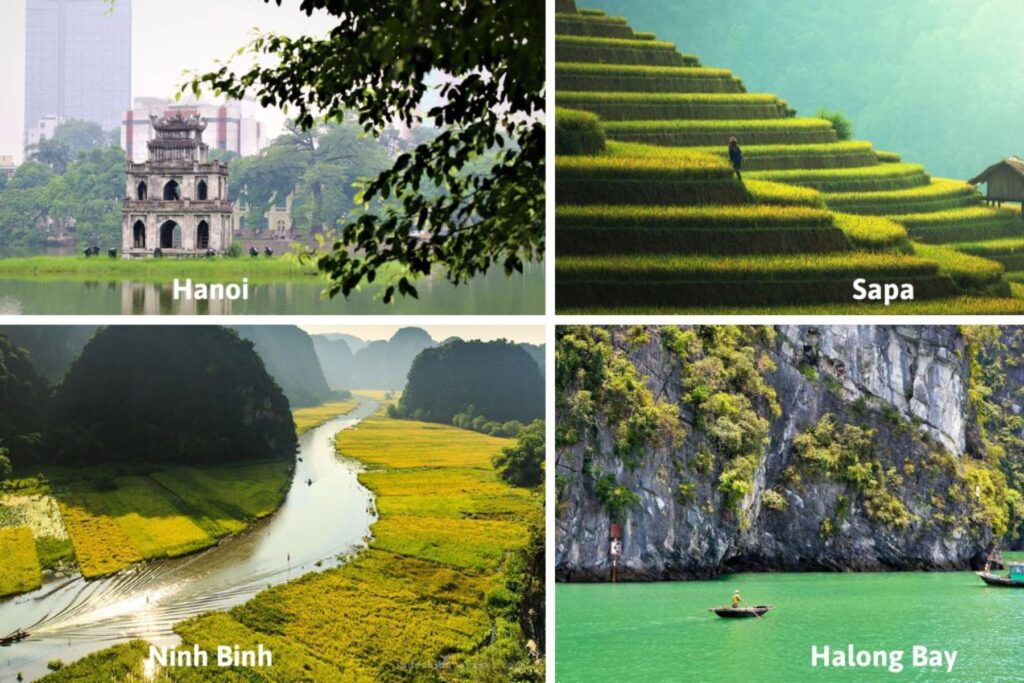
- Northern Exploration (14-21 days): Hanoi → Halong Bay → Ninh Binh → Sapa → Mai Châu
Your visa type should match your planned duration and number of entries if you're combining Vietnam with Cambodia or Laos food tours.
Ready to explore Vietnam's incredible street food scene? Ensure you have the right visa for your culinary adventure. Apply for your Vietnam e-visa online today and start planning your ultimate street food journey across the regions of Vietnam.
From the subtle elegance of Hanoi's bún chả to the bold, spicy kick of Hue's bún bò to the sweet, tropical flavors of Saigon's street stalls, Vietnamese street food offers one of the world's greatest gastronomic experiences. Follow this guide, trust your instincts, choose busy stalls, and prepare for the food adventure of a lifetime.
Ăn ngon! (Eat deliciously!)
Share:
Created: Mar 07, 2026 | Modified: Mar 10, 2026
Related Posts
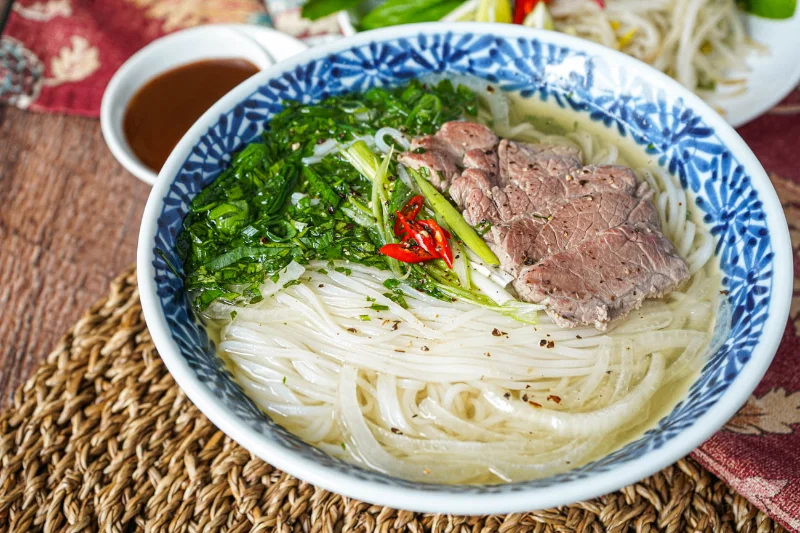
Vietnamese Phở: The Ultimate Guide to Vietnam's Iconic Noodle Soup
Ultimate guide to Vietnamese phở, Vietnam's iconic noodle soup. Learn about phở's history, the profound differences between northern Hanoi-style and southern Saigon-style, how to order and eat phở properly, the best phở restaurants in Hanoi and Ho Chi Minh City, and how to make authentic phở at home. Includes cultural significance, nutrition information, and travel tips for your phở journey across Vietnam.
Vietnam Weekend Itineraries 2026: 3 Perfect Short Trips (2-3 Days)
Looking for the perfect weekend escape? Vietnam offers incredible short-trip experiences just 2-4 hours from major Asian cities. Whether you're flying from Singapore, Hong Kong, Bangkok, Seoul, or Tokyo, discover three complete weekend itineraries for Ho Chi Minh City, Hanoi, and Da Nang/Hoi An—complete with visa tips for last-minute travelers.

Complete Vietnam Travel Guide 2026: First-Timer's Essential Handbook
Planning your first trip to Vietnam but feeling overwhelmed? This comprehensive guide has everything you need to know before you go. From securing your e-visa and choosing the best time to visit, to navigating between Hanoi, Ho Chi Minh City, and Halong Bay, we cover all the essentials. Learn how to budget for your trip, what to pack, where to stay, how to get around, and what cultural etiquette to follow. Whether you're planning a 1-week highlights tour or a month-long adventure, this first-timer's handbook will help you create an unforgettable Vietnam experience. Start planning your dream trip today!
Table of Contents
- Why Vietnamese Street Food is Special
- Fresh Ingredients, Bold Flavors
- Regional Diversity
- Affordable Authentic Experience
- Social and Cultural Hub
- Street Food Safety Tips
- Choose Busy Stalls
- Observe Cleanliness
- Eat Cooked Food
- Bottled Water Only
- Start Slowly
- Travel Insurance
- How to Order Street Food in Vietnam
- Basic Ordering Process
- Useful Vietnamese Phrases
- Price Expectations
- Northern Vietnamese Street Food (Hanoi & Region)
- 1. Phở
- 2. Bún Chả
- 3. Bánh Mì
- 4. Bún Riêu
- 5. Bánh Cuốn
- 6. Chả Cá Lã Vọng
- Central Vietnamese Street Food (Hue, Da Nang, Hoi An)
- 7. Bún Bò Huế
- 8. Mì Quảng
- 9. Cao Lầu
- 10. Bánh Xèo
- Southern Vietnamese Street Food (Ho Chi Minh City & Mekong Delta)
- 11. Bánh Mì Thịt (Southern Style)
- 13. Cơm Tấm {#com tam}
- 14. Bánh Khọt
- 15. Bún Mắm
- Best Times to Eat Street Food
- Early Morning (5:30-9:00am)
- Mid-Morning (9:00-11:00am)
- Lunch (11:00am-2:00pm)
- Afternoon (2:00-5:00pm)
- Evening (5:00-9:00pm)
- Late Night (9:00pm-2:00am)
- Street Food Etiquette and Cultural Tips
- Seating and Space
- Ordering and Eating
- Payment
- Waste and Cleanup
- Photography
- Visa Requirements for Your Food Journey
- E-Visa for Food Tourism
- Visa-Free Entry
- Multi-City Food Route Planning