Best Time to Visit Vietnam: Month-by-Month Weather Guide
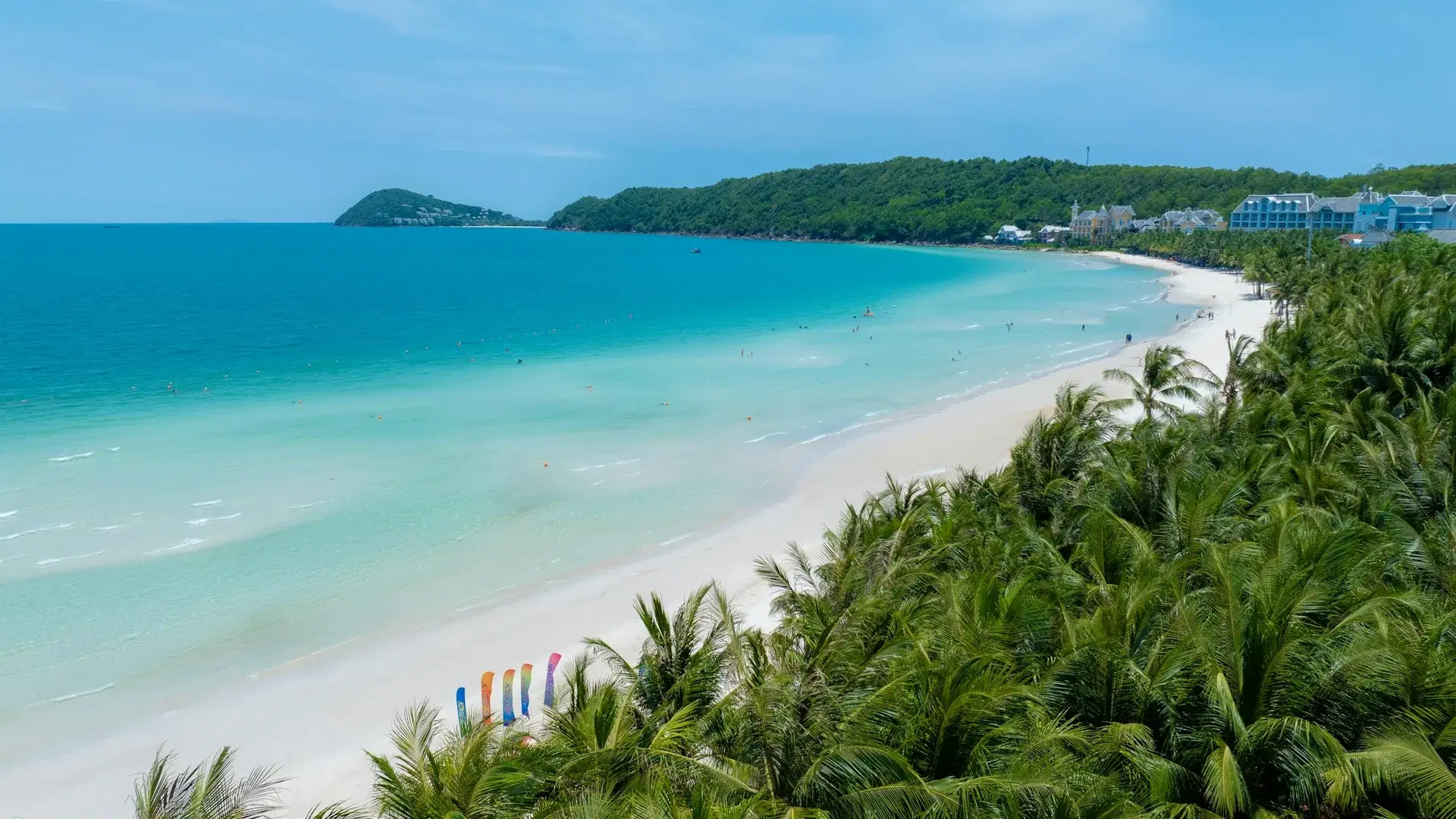
There's no single best time to visit Vietnam. The country stretches about 1,650 km from the mountains on the Chinese border down to the Mekong Delta and the Gulf of Thailand. While Hanoi is shivering through a damp winter, Ho Chi Minh City can be hot and sunny, and the beaches around Da Nang may be getting heavy rain.
The good news is that there is no truly bad month to travel. Vietnam's official tourism board, the Vietnam National Authority of Tourism, says March to May offers the best weather across the whole country, but in every month at least one region has good conditions. What matters is matching your route to the season.
This guide covers the three climate zones, a month-by-month breakdown, typhoon season on the central coast, key festivals with 2027 dates, crowd and price seasons, the best time for the most popular destinations, and one visa timing issue that catches many travelers around Lunar New Year. For more detail on the climate itself, see our Vietnam climate guide.
Vietnam's Three Climate Regions
You can think of Vietnam as three weather zones. Each one has its own rainy and dry seasons, and they don't line up.
| Region | Main destinations | Dry / most pleasant | Wettest period | Coolest period |
|---|---|---|---|---|
| North | Hanoi, Ha Long Bay, Ninh Binh, Sapa, Ha Giang | Sept-Nov and Mar-May | June-Aug (hot, humid, storms) | Late Dec-Mar |
| Central | Hue, Da Nang, Hoi An, Nha Trang | Roughly Feb/Mar-Aug | Sept-Dec (typhoons and floods possible) | Dec-Feb |
| South | Ho Chi Minh City, Mekong Delta, Phu Quoc | Dec-Apr | May-Nov (short afternoon downpours) | Warm all year |
These are typical patterns, not guarantees. Weather varies from year to year, and the mountains have their own microclimates.
Northern Vietnam: four seasons
The North is the only part of Vietnam with a real winter. According to Vietnam's tourism board, Hanoi is cool to cold, misty and cloudy from December to March, with lows around 10°C from late December. The mountains are colder: Sapa sometimes gets snow in January.
From April to June it warms up quickly, with clear skies and days that can top 30°C. June to August is the hot, humid, rainy season. Summer storms can also cancel Ha Long Bay cruises. September to November is the sweet spot for most visitors, with clear skies and temperatures around 25°C in Hanoi.
Central Vietnam: hot summers, wet autumns
The central coast works on a different calendar. Hue, Da Nang and Hoi An are mostly dry and warm to hot from about February or March through August. In July, Hue can reach highs around 35°C, which is good beach weather.
From September the rainy season arrives. It brings tropical storms, cooler and cloudier days, and occasional floods, especially from September to November. Hue's wet, cool season can run into February, and early-year temperatures can drop to around 15°C. Further south, Nha Trang has the shortest rainy season on the coast. Its main wet months are September to December, and most of the rest of the year is sunny.
The Central Highlands, including Da Lat, are the exception. Da Lat sits high enough to stay cool all year. Its rainy season runs roughly from April to October, and November to March is drier with clear skies.
Southern Vietnam: hot all year, wet and dry
The South has no winter. Ho Chi Minh City usually sits around 30°C all year and has two seasons. December to April is dry and sunny. May to November is the wet season, and the rain usually comes as a reliable afternoon downpour lasting a few hours, not as all-day rain. Travel in the southern wet season is usually easy if you plan outdoor activities for the morning.
Phu Quoc, in the Gulf of Thailand, has a slightly different pattern. The tourism board names July to September as the stormy months and calls December and January ideal beach weather.
Vietnam Weather by Month
The table gives a quick overview. More detail on each month follows.
| Month | North (Hanoi, Ha Long, Sapa) | Central (Hue, Hoi An, Da Nang) | South (HCMC, Mekong, Phu Quoc) |
|---|---|---|---|
| January | Cold, misty; mountains can freeze | Cool, some rain, improving | Dry, sunny, pleasant |
| February | Cool, drizzly; Tet celebrations | Drying out, mild | Dry, sunny |
| March | Warming, still some mist | Dry, warm, flowers | Dry, getting hotter |
| April | Warm, clearer skies | Warm to hot, sunny | Hottest dry-season month |
| May | Hot, first storms | Hot, sunny, beach season | Wet season starts |
| June | Hot, humid, rainy | Hot, dry, beach season | Afternoon showers |
| July | Hot, rainy, storm risk | Hot, mostly dry | Afternoon showers; Phu Quoc stormy |
| August | Hot, rainy, storm risk | Hot; rains may start late | Afternoon showers; Phu Quoc stormy |
| September | Cooling, clearing; rice harvest | Rainy season begins | Wet; Phu Quoc still stormy |
| October | Cool, clear, very pleasant | Wettest period; flood risk | Rains easing |
| November | Cool, dry, clear | Wet, storm and flood risk | Dry season arriving |
| December | Cool to cold, misty | Wet, cool | Dry, sunny, peak season |
January
January is the coldest month in the North. Hanoi is grey and chilly, and Sapa and Ha Giang can drop close to freezing, with occasional snow. The central coast is cool and still has some rain, but it is improving. The South is at its best: dry, sunny and not yet very hot, which makes January a strong month for Ho Chi Minh City, the Mekong Delta and Phu Quoc.
February
In 2027, February is dominated by Tet, the Lunar New Year, which falls on Saturday 6 February 2027. The North is still cool and often drizzly, the central coast is drying out, and the South stays dry and sunny. Around Tet you will see beautiful decorations and flower markets, but transport sells out and many local businesses close. See the festivals section below.
March
March is one of the best all-round months. The North warms up, though mist still lingers on Ha Long Bay. Hoi An and Hue are dry and green, and Vietnam's tourism board singles out March as an excellent time for Hoi An, when gardens and streets are in bloom. The South gets hotter but is still dry.
April
April is warm almost everywhere. Northern skies clear, and the tourism board calls late April a "near-perfect" time for Sapa, with flowers in bloom. Central beaches are open for the season. In the South, April is usually the hottest stretch before the rains arrive. Domestic travel picks up at the end of the month around Reunification Day (30 April) and Labour Day (1 May).
May
May is the turning point. The North gets hot and the first summer storms appear. The central coast is in full beach season. The southern wet season usually begins, with afternoon showers becoming more regular. Prices are often lower than in the winter high season.
June
June is hot across the country. Hanoi is humid and rainy, while the central coast (Da Nang, Hoi An, Hue, Nha Trang) has its best beach weather. Vietnamese school holidays start in early summer, so domestic resorts get busier.
July
July is the peak of summer. In the North, rainy afternoons and tropical storms are possible, and Ha Long Bay cruises can be cancelled at short notice when storms pass through. The central coast is still mostly dry and hot. In the South, Phu Quoc enters its stormy months (July to September) and the sea can be rough.
August
August is similar to July: hot, wet and stormy in the North, hot on the central coast, and rainy in the South. It is still a workable month for Da Nang and Hoi An, but rain becomes more likely towards the end of the month.
September
September is a transition month. The North starts to cool and clear, and rice terraces in the northern mountains turn gold before the harvest. The central coast enters its rainy and typhoon season. Phu Quoc is still in its stormy period. National Day on 2 September brings a long weekend of domestic travel. In 2027, public servants get Thursday 2 to Sunday 5 September off.
October
October is excellent in the North: cool, dry and clear, with buckwheat flowers starting to bloom in Ha Giang. It is usually the most difficult month for the central coast, when heavy rain and flooding are most likely around Hue and Hoi An. In the South, the rains are easing.
November
November is another strong month for the North and a good one for the South, where the dry season is arriving. On the central coast, heavy rain and storm risk continue, so keep plans there flexible.
December
December is cool and misty in the North, and it gets colder towards the end of the month. The central coast is still wet. The South is dry and sunny, and Phu Quoc enters what the tourism board calls its ideal beach season. Christmas and New Year are the busiest international travel period of the year, so book early.
Typhoon Season on the Central Coast
Tropical storms (typhoons) form in the western Pacific during the second half of the year. For travelers, the central coast is the main region to watch. Vietnam's tourism board says tropical storms "hit Central Vietnam hard" from September and that Hue and Hoi An see occasional flooding from September to November. The central rainy season can run through December.
What this means in practice:
- Highest risk: roughly September to November on the central coast (Hue, Da Nang, Hoi An, Quang Binh). In this period, storms can disrupt flights and trains, close beaches and flood Hoi An's Old Town.
- Northern waters: storms affecting Ha Long Bay are more common in summer (around June to August). Cruise operators cancel sailings when authorities issue warnings.
- Phu Quoc: the stormiest months are July to September.
If you travel to the central coast in autumn, book refundable accommodation where you can, leave a spare day in your itinerary, and follow local weather warnings. Meanwhile, the North and South are often at their best in October and November.
Festivals and Holidays to Plan Around in 2027
Many Vietnamese festivals follow the lunar calendar, so their dates move every year. Here are the dates that matter most for 2027 visitors. For the full list of public holidays, see our Vietnam holidays guide.
| Event | 2027 date | What to expect |
|---|---|---|
| Tet (Lunar New Year) | Sat 6 Feb 2027 (public-sector break Thu 4 - Wed 10 Feb) | Biggest holiday of the year; transport sells out, many shops close |
| First full moon of the year (Tet Nguyen Tieu) | Around 20 Feb 2027 | Temple visits, lantern celebrations |
| Hung Kings Commemoration | Fri 16 Apr 2027 | Public holiday |
| Reunification Day + Labour Day | Fri 30 Apr - Sat 1 May 2027 | Busy domestic travel weekend, beaches fill up |
| Mid-Autumn Festival (Tet Trung Thu) | Wed 15 Sep 2027 | Lanterns, lion dances, mooncakes; very atmospheric in Hoi An and Hanoi's Old Quarter |
| National Day | Thu 2 Sep 2027 (public-sector break 2-5 Sep) | Long weekend, domestic travel peak |
Tet 2027
Tet Nguyen Dan, the Lunar New Year, is the most important celebration in Vietnam. In 2027 the first day of the new year (the Year of the Goat) is Saturday 6 February. Following the Government's decision, public servants have a seven-day break from Thursday 4 February to Wednesday 10 February 2027. Private employers choose similar schedules.
Visiting during Tet has pros and cons:
- Pros: streets decorated with peach and apricot blossoms, flower markets, family celebrations, and fireworks at New Year in big cities.
- Cons: trains, buses and domestic flights sell out in the days before and after Tet. Many family-run restaurants and shops close for several days, and some prices go up.
If you want to experience Tet, book transport and hotels well in advance and stay in a city with plenty of hotels and restaurants, such as Hanoi, Ho Chi Minh City or Hoi An.
Hoi An full-moon lantern nights
On the 14th day of every lunar month, Hoi An's Old Town dims its electric lights, closes its streets to traffic and fills the Thu Bon riverside with lanterns. The evening is free to wander. Based on the lunar calendar, the lantern nights in 2027 fall on approximately:
| Month | Date | Month | Date |
|---|---|---|---|
| January | 21 Jan | July | 17 Jul |
| February | 19 Feb | August | 15 Aug |
| March | 21 Mar | September | 14 Sep |
| April | 20 Apr | October | 13 Oct |
| May | 19 May | ||
| June | 18 Jun |
Lantern nights in November and December 2027 fall around the middle of each month. Confirm the exact date locally, because published calendars sometimes differ by a day. Lanterns hang in Hoi An every evening, so you'll still see plenty even if you miss a full-moon night. Our Hoi An travel guide has more on the Old Town.
Hue Festival
Hue, the former imperial capital, runs Festival Huế. In 2026 the city moved to a year-round "four-season" format, with around 80 cultural, arts and sporting events across the year and a main International Arts Festival Week from 13 to 18 June 2026. As of late October 2026, the detailed 2027 program has not been published. Check the official Hue tourism channels closer to your trip. For weather, the best time for Hue is roughly March to August, before the autumn rains.
Mid-Autumn Festival 2027
The Mid-Autumn Festival (Tet Trung Thu) falls on the 15th day of the 8th lunar month, which is Wednesday 15 September 2027. It is a children's festival full of star-shaped lanterns, lion dances and mooncakes. Hanoi's Old Quarter (especially around Hang Ma street) and Hoi An are the most atmospheric places to see it. Keep in mind that mid-September is the start of the rainy season on the central coast.
Crowds and Price Seasons
Weather is only half the story. When locals and international visitors travel also shapes prices and availability.
| Period | Who is traveling | What it means for you |
|---|---|---|
| Mid-Dec to early Jan | International holiday travelers | Highest prices in popular areas; book early |
| Tet (around 4-10 Feb 2027 plus days either side) | Huge domestic travel | Transport sells out, local businesses close |
| Feb-Apr | International visitors (good weather nationwide) | Busy, but more availability than at Christmas |
| Late Apr - early May | Domestic long weekend | Beaches and resorts fill up |
| June-Aug | Vietnamese families on school holidays | Central beaches busy; hotel prices can rise |
| Early Sept | National Day long weekend | Short domestic peak |
| Sept-Nov | Fewer visitors on central coast | Good value in the North and South |
Value tip: May, June and September often combine fewer international crowds with good weather in at least one region. Pick the region that is in season and you can get the best of both.
Best Time to Visit Each Destination
| Destination | Best months | Avoid / be prepared |
|---|---|---|
| Ha Long Bay | Apr-Jun, Sep-Nov | Summer storms (cruise cancellations); cold, misty winters |
| Sapa | Mar-May, Sep-Nov | Cold winters with occasional January snow; summer rain |
| Ha Giang | Mar-May, Sep-Nov (buckwheat flowers Oct-Nov) | Cold winters; summer rain and landslide risk on mountain roads |
| Hoi An | Feb-Apr (May-Aug for beaches) | Sept-Nov rain and flooding |
| Da Lat | Nov-Mar (drier season) | Rainy season roughly Apr-Oct |
| Phu Quoc | Nov-Apr (Dec-Jan ideal) | July-Sept storms and rough seas |
Ha Long Bay
Vietnam's tourism board recommends April to June or September to November for the best chance of sunny skies and pleasant temperatures. From December to March the bay is often misty, which can look beautiful but is cold on deck. In summer, tropical storms sometimes cause cruise cancellations. Pick a cruise operator with a clear weather-cancellation policy.
Sapa
Sapa is much cooler than the lowlands. It is lovely in spring (late April, when flowers bloom) and in early autumn, when the terraced rice fields turn gold before harvest, from about September to early October. In winter, expect cold, damp days and occasional snow. Hotels there often provide heated blankets for that reason.
Ha Giang
Ha Giang's limestone plateau is at its most famous in autumn. Buckwheat flowers appear from late September and usually peak from October into November, turning from white to pink. Spring (March to May) is also good. Winter is cold, and summer rain makes the mountain passes more hazardous. Planning the route? See our Ha Giang Loop guide.
Hoi An
February to April is the classic window for Hoi An, with dry, mild weather and gardens in bloom. May to August is hot, so plan beach time at An Bang or nearby Da Nang. From September to November, rain and occasional floods are common, and the Old Town's riverside streets can be underwater during big storms.
Da Lat
Da Lat's highland climate is cool all year, which makes it a good escape from the heat at any time. The drier months, roughly November to March, give the clearest skies for viewpoints and waterfalls. In the rainy season (around April to October), expect afternoon showers, though mornings are often fine.
Phu Quoc
For calm seas and blue skies, aim for November to April, with December and January the most reliable. July to September brings storms and rougher water, and some boat trips may not run. Phu Quoc also has its own entry rule: foreigners can visit visa-free for up to 30 days if they arrive directly on the island and stay there.
Plan Your Visa Around Your Travel Dates
Most visitors (including US, Australian, Canadian, Indian, Irish and New Zealand citizens) need an E-Visa to visit mainland Vietnam. Some European and Asian nationalities, including the UK, Germany, France, Japan and South Korea, can enter visa-free for 45 days.
Standard E-Visa processing takes about 3 working days, and working days exclude weekends and Vietnamese public holidays. That makes the timing of your application important:
- Tet is the big one. With the 2027 public-sector Tet break running from Thursday 4 to Wednesday 10 February, government processing effectively stops for a week, and applications pile up on either side. If you plan to arrive in late January or February 2027, submit your E-Visa application by mid-January at the latest.
- Other long weekends (30 April - 1 May and the National Day break on 2-5 September 2027) also pause processing. Factor them in if your trip starts soon after.
- Choose the right visa length and entry type up front. If you plan to visit Cambodia or Laos and come back, get a multiple-entry E-Visa. Don't plan on extending later.
Our processing time guide explains the timelines in more detail. If you are short on time, E-Visa Priority Handling offers 2-day, 1-day and 4-hour urgent options on working days. Check current pricing on the booking page.
Before you fly, also complete the free Digital Arrival Card (Pre-Arrival Information) at prearrival.immigration.gov.vn no more than 3 days before arrival, and show the QR code at immigration. Packing for a specific season? Our Vietnam packing list breaks it down by region.
Frequently Asked Questions
What is the single best month to visit Vietnam?
If you want good weather in all three regions on one trip, aim for March or April. Vietnam's tourism board names March to May as the best period countrywide. Late September to November is also excellent if you focus on the North and South and keep central coast plans flexible.
When is the rainy season in Vietnam?
It depends on the region. In the North, the wet season is roughly May to September, with the heaviest rain in summer. On the central coast, it's roughly September to December. In the South, it's roughly May to November, usually as short afternoon downpours.
Is it worth visiting Vietnam during Tet?
Yes, if you plan ahead. Tet is colorful and memorable, but transport sells out and many small businesses close for several days. In 2027, Tet falls on 6 February. Book trains, flights and hotels early, and apply for your E-Visa well before the public holiday break of 4 to 10 February.
When is typhoon season in Vietnam?
The highest risk for travelers is on the central coast from about September to November, with rain continuing into December. Northern waters around Ha Long Bay are more affected in summer, and Phu Quoc's stormy months are July to September.
Pick Your Season, Then Lock In Your Visa
There is no wrong time to visit Vietnam, only the wrong region for the month. Go north in autumn or spring, go to the central coast from late winter through summer, and head south during the dry months from December to April. If you can travel in March or April, you'll get good weather in most of the country.
Once you have your dates, sort out your entry documents early, especially if your trip falls near Tet 2027. Apply for your Vietnam E-Visa online and travel with one less thing to worry about.
Share:
Created: Oct 24, 2026 | Modified: Oct 24, 2026
Related Posts
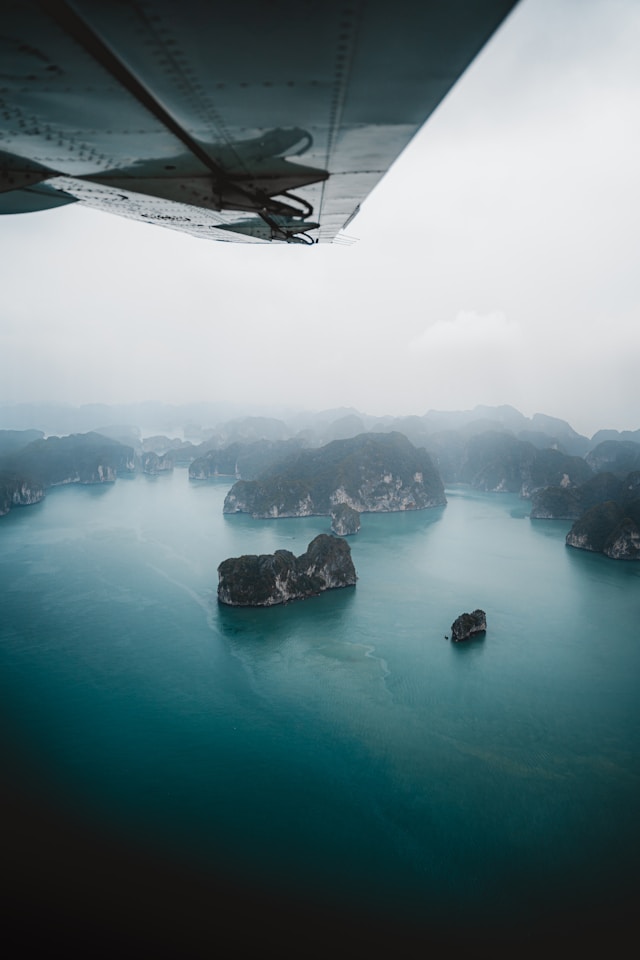
Vietnam Digital Arrival Card 2026: Complete Guide
Vietnam now expects foreign travelers arriving by air to complete a free Digital Arrival Card. The online Pre-Arrival Information (PAI) system started at Tan Son Nhat in April 2026, spread to Vietnam's major international airports by late June, and is being extended to all airports. It generates a QR code you present at immigration. This guide covers the whole process, where it applies, common mistakes, and what to expect at the border.
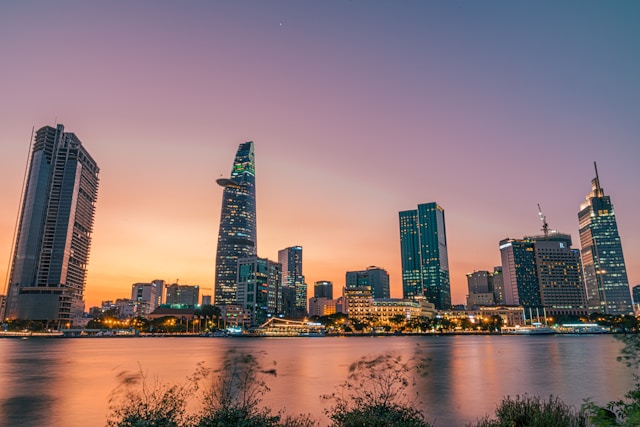
Vietnam Visa Overstay: New Fines & Penalties (Decree 282/2025)
Vietnam doubled its maximum visa overstay fine to VND 40 million (~$1,520) under Decree 282/2025, effective December 15, 2025. The new rules introduce 7 escalating fine brackets, allow deportation from just 16 days of overstay, and carry long-term consequences including blacklisting and entry bans. This guide breaks down the full fine schedule, explains what to do if you have already overstayed, and shows you how to prevent it.

Vietnam E-Visa Mistakes: 10 Errors That Get You Denied
Most Vietnam E-Visa rejections are not about eligibility. They are caused by preventable application errors: a bad photo, a passport number typo, or the wrong entry port. This guide breaks down the 10 most common mistakes that get E-Visa applications denied in 2026 and shows you exactly how to fix each one before you hit submit.
Table of Contents
- Vietnam's Three Climate Regions
- Northern Vietnam: four seasons
- Central Vietnam: hot summers, wet autumns
- Southern Vietnam: hot all year, wet and dry
- Vietnam Weather by Month
- January
- February
- March
- April
- May
- June
- July
- August
- September
- October
- November
- December
- Typhoon Season on the Central Coast
- Festivals and Holidays to Plan Around in 2027
- Tet 2027
- Hoi An full-moon lantern nights
- Hue Festival
- Mid-Autumn Festival 2027
- Crowds and Price Seasons
- Best Time to Visit Each Destination
- Ha Long Bay
- Sapa
- Ha Giang
- Hoi An
- Da Lat
- Phu Quoc
- Plan Your Visa Around Your Travel Dates
- Frequently Asked Questions
- What is the single best month to visit Vietnam?
- When is the rainy season in Vietnam?
- Is it worth visiting Vietnam during Tet?
- When is typhoon season in Vietnam?
- Pick Your Season, Then Lock In Your Visa