Vietnam Travel Budget: Daily Costs Breakdown for Every Traveler

Vietnam is still one of the best-value destinations in Asia. But it is no longer the "$15 a day" country that old backpacker forums talk about. Hotel rates in the popular coastal cities have gone up, tours cost more than they used to, and long trips between cities can take a real bite out of your budget.
This guide is for tourists planning a trip from late 2026 into 2027. It shows what a typical day costs at three travel styles, what the main expenses really are, and how to build a two-week budget you can actually stick to. All prices are ranges, because they change with the season, the city and how far ahead you book.
Exchange rate used in this guide: about 1 USD = 25,850 VND, the mid-market rate as of late October 2026. Conversions are rounded. Your bank, card or money changer will give you a slightly worse rate, so allow a few percent extra.
Vietnam Daily Budget at a Glance
Recent 2026 budget guides broadly agree on the ranges below. These figures are per person per day, on the ground. They do not include international flights, your visa or travel insurance.
| Travel style | Daily budget (USD) | Daily budget (VND, approx.) | What it typically includes |
|---|---|---|---|
| Backpacker | $25–45 | 650,000–1,160,000 | Hostel dorm or basic guesthouse, street food, sleeper buses, GrabBike, free or low-cost sightseeing |
| Mid-range | $60–130 | 1,550,000–3,360,000 | Private 3-star room with air-con, mix of street food and sit-down restaurants, Grab cars, trains or budget flights, a paid activity most days |
| Luxury | $200+ | 5,170,000+ | 4–5 star hotels or resorts, restaurant dining, private transfers and guides, premium cruises |
A few things push you to the top of your range, or past it:
- Where you stay. Phu Quoc, central Hoi An and beachfront Da Nang tend to cost more than Hue, Da Lat or the Mekong Delta for the same level of comfort.
- How often you move. A day with an intercity flight or a long sleeper journey costs far more than a day spent walking around one city.
- Peak dates. Tet (Lunar New Year), the 30 April–1 May holiday and the Christmas–New Year period bring higher hotel and transport prices. Check Vietnam's public holiday dates before you lock in your trip.
- Drinks. Local draft beer (bia hơi) is very cheap. Cocktails and craft beer at rooftop bars are priced closer to Western levels.
Accommodation Costs
Accommodation is usually your biggest single expense. Here are typical nightly prices in the main tourist cities as of 2026:
| Type | Typical price per night (USD) | Approx. VND |
|---|---|---|
| Hostel dorm bed | $5–15 | 130,000–390,000 |
| Basic guesthouse, private room | $12–25 | 310,000–650,000 |
| Mid-range 3-star hotel | $35–70 | 900,000–1,810,000 |
| Boutique or 4-star hotel | $70–150 | 1,810,000–3,880,000 |
| 5-star hotel or resort | $150–400+ | 3,880,000–10,300,000+ |
Where accommodation costs more
Islands and beach resorts cost the most. Phu Quoc in particular has a lot of resorts and fewer cheap places to stay. Central Hoi An, near the old town, also charges more than the surrounding villages. Da Lat and Hue are often noticeably cheaper for the same quality of room.
How to pay less for a room
- Book 2–4 weeks ahead for December–February and any Vietnamese holiday.
- Compare a hotel's own website with the booking platforms. Small family-run hotels sometimes give a better rate for direct bookings.
- Stay one neighbourhood away from the busiest tourist street. In Hoi An, a homestay among the rice fields can cost less than a room in the old town and comes with free bicycles.
- Check whether breakfast is included. Many mid-range hotels in Vietnam include it, which saves you one meal a day.
Food and Drink Costs
Food is where Vietnam is still truly cheap, as long as you eat where locals eat. For ideas on what to order, see our Vietnamese street food guide.
Street food vs restaurants
| Item | Local street stall | Tourist-area restaurant |
|---|---|---|
| Phở (noodle soup) | 35,000–70,000 VND ($1.40–2.70) | 100,000–180,000 VND ($4–7) |
| Bánh mì | 20,000–40,000 VND ($0.80–1.55) | 65,000–100,000 VND ($2.50–4) |
| Full local lunch (rice or noodle dish + drink) | 60,000–120,000 VND ($2.30–4.60) | 200,000–450,000 VND ($8–18) |
| Vietnamese iced coffee | 15,000–45,000 VND ($0.60–1.75) | 60,000–100,000 VND ($2.30–4) |
| Bia hơi (local draft beer) | 8,000–15,000 VND per glass ($0.30–0.60) | — |
| Dinner at an upscale restaurant | — | $30–70+ per person |
Prices are higher in central Ho Chi Minh City and Hoi An, and lower in smaller towns. Seafood is often sold by weight, so always ask for the price per kilo before you order.
Daily food budgets
- Backpacker: around $6–15 a day (150,000–390,000 VND), eating mostly at street stalls and simple local places.
- Mid-range: around $20–40 a day (520,000–1,030,000 VND), mixing street food with one sit-down meal.
- Luxury: $60–150+ a day (1,550,000–3,880,000+ VND) if you eat mainly at hotel and fine-dining restaurants.
Getting Around: Domestic Transport Costs
Transport between cities is where budgets most often go wrong. Vietnam is long and narrow. The rail line from Hanoi to Ho Chi Minh City is 1,726 km, so how you cover that distance matters.
Grab and ride-hailing in cities
Grab is the easiest way to get around the cities, and you see the price before you book. As of 2026, rough fares in Hanoi and Ho Chi Minh City are:
- GrabBike (motorbike taxi): a short hop of 2–5 km costs around 15,000–35,000 VND ($0.60–1.40).
- GrabCar: a similar ride costs around 30,000–90,000 VND ($1.20–3.50).
- Airport to city centre by GrabCar: about 150,000–250,000 VND ($6–10) from Tan Son Nhat in Ho Chi Minh City, and about 300,000–400,000 VND ($12–16) from Noi Bai to central Hanoi, which is much further out.
Prices rise during heavy rain, rush hour and holidays. Our Vietnam transportation apps guide covers Grab and its local alternatives in more detail.
Sleeper buses
Overnight sleeper buses are the cheapest way to travel long distances, and they also save you a night's accommodation. As an example, Hanoi to Sapa currently costs about:
- Standard sleeper bus: 230,000–370,000 VND ($9–14)
- Private "cabin" sleeper bus: 450,000–540,000 VND ($17–21)
Government travel advice from the UK and Canada warns that bus crashes happen and are more likely at night. If you take night buses, pick well-reviewed operators.
Trains
The Reunification Express runs the whole length of the country, with stops in Ninh Binh, Hue, Da Nang and Nha Trang. Shorter legs cost much less than the full trip. Approximate one-way fares for the full Hanoi–Ho Chi Minh City route in 2026:
| Class | Approx. fare Hanoi–HCMC |
|---|---|
| Soft seat, air-conditioned | 1,030,000–1,220,000 VND ($40–47) |
| Hard sleeper (6 berths) | 1,270,000–1,640,000 VND ($49–63) |
| Soft sleeper (4 berths) | 1,670,000–2,270,000 VND ($65–88) |
The fastest train (SE1) takes about 32 hours 45 minutes end to end. Most travelers only ride one or two scenic sections, such as Hue to Da Nang over the Hai Van Pass. The official Vietnam Railways website is the cheapest place to book. Third-party sites are easier to use in English but add a fee.
Domestic flights
Flying is often the cheapest option once you count the time saved. One-way economy fares on the main Hanoi–Ho Chi Minh City route usually fall somewhere between $40 and $100, with promotional fares lower and holiday fares higher. The flight takes about 2 hours 10 minutes.
Low-cost fares often do not include checked baggage, so add that cost when you compare airlines.
Motorbike rental
Scooter rental typically costs around 100,000–180,000 VND ($4–7) a day. Before you rent, you need to know that Vietnam only recognises international driving permits issued under the 1968 Vienna Convention, carried together with a home licence that covers motorbikes. Riding without a valid licence can be fined and will usually void your travel insurance. Our Vietnam travel insurance guide explains this in detail.
Entry Fees for Key Attractions
Most of Vietnam's best experiences, like walking the Old Quarter, sitting at a beach or watching street life, are free. The big-name attractions charge fees, though, and some have changed in 2026.
| Attraction | Fee (adult) | Notes |
|---|---|---|
| Hue Imperial City (Đại Nội) | 200,000 VND (~$7.75) | Children 7–12: 40,000 VND. Single-site rate from 2 June 2026 |
| Hue combo: Imperial City + 2 royal tombs | 420,000 VND | Children 7–12: 80,000 VND |
| Hue combo: Imperial City + Minh Mang, Tu Duc and Khai Dinh tombs | 530,000 VND | Children 7–12: 100,000 VND |
| Hue all-sites pass | 600,000 VND | Valid for 5 days |
| Hoi An Ancient Town heritage sites | 20,000 VND per site | Same rate for Vietnamese and foreign visitors from 10 Aug 2026 |
| Ha Long Bay sightseeing fee | 200,000–250,000 VND per day route | Plus a 60,000 VND port charge. Usually included in cruise prices |
| Ha Long Bay overnight fee | 500,000–750,000 VND | Depends on route and number of nights |
| Sun World Ba Na Hills (Golden Bridge) | 1,000,000 VND | Non-resident adult reference price for 2026 |
Hue Imperial City
The Hue Monuments Conservation Centre's ticket schedule lists the Imperial City at 200,000 VND for adults and 40,000 VND for children aged 7–12, and children under 7 go free. If you plan to see the royal tombs too, a combo ticket saves money. The all-sites pass is valid for five days.
Hoi An Ancient Town
For years, Hoi An sold ticket booklets for 120,000 VND (foreign visitors) or 80,000 VND (Vietnamese visitors). Under Da Nang City Resolution 98/2026/NQ-HĐND, which took effect on 10 August 2026, the official fee is now 20,000 VND per person for each heritage site, at the same rate for everyone. How the booths sell tickets during the changeover can vary, so ask exactly what your ticket covers before you pay. Visiting four or five old houses, assembly halls or museums still costs only around 80,000–100,000 VND.
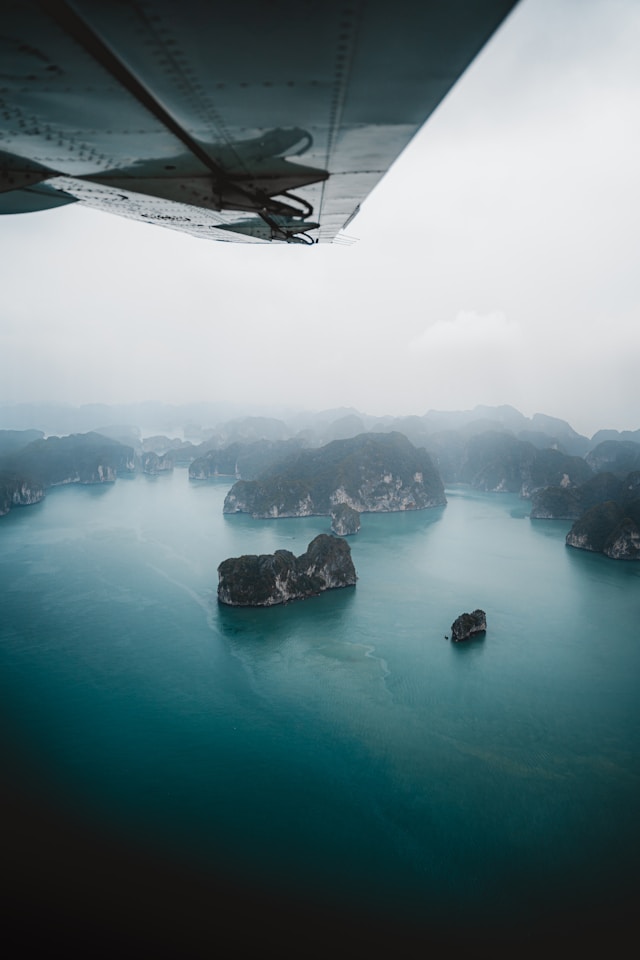
Ha Long Bay cruises
The bay's official sightseeing fees are small. The cruise itself is the real cost. Typical 2026 prices per person for a two-day, one-night cruise (cabins shared by two) are:
| Cruise tier | Approx. VND per person | Approx. USD |
|---|---|---|
| Budget / older boat | 1,500,000–2,500,000 | $58–97 |
| Standard mid-range | 2,500,000–4,000,000 | $97–155 |
| Premium / 5-star | 4,000,000–8,000,000+ | $155–310+ |
Day cruises usually cost somewhere around $30–60 per person. Before booking, check whether the price includes the Hanoi shuttle, the sightseeing fee, kayaking and drinks. Drinks are almost never included. Solo travelers usually pay a single supplement. From roughly June to October, storms can cancel sailings at short notice. Our Ha Long Bay travel guide covers routes and alternatives such as Lan Ha Bay.
Tipping in Vietnam
Tipping is not a traditional part of Vietnamese culture, and nobody expects it at street stalls or simple local restaurants. That said, tipping for good service has become more common in tourism.
- Street food and local eateries: no tip needed. Rounding up is a friendly gesture.
- Mid-range and upscale restaurants: check the bill first. If no service charge has been added, 5–10% is generous.
- Tour guides: for a good full-day private guide, about $10–20 is a common guideline, with roughly half that for the driver.
- Cruise crews: many boats have a shared tip box. Follow the operator's guidance.
- Grab drivers: not expected. The app lets you add a tip if you want to.
Tip in dong rather than dollars, and keep a stack of 20,000 and 50,000 VND notes for this.
Cash, Cards and ATM Fees
Vietnam is still largely a cash economy for street food, markets, small guesthouses and local transport. Hotels, malls, chain cafés and many restaurants in the cities take cards. See our credit card acceptance guide for where cards work.
What ATMs charge foreign cards
Each Vietnamese bank sets its own fee and withdrawal limit for foreign cards. Some examples from published tariffs and 2026 traveler reports:
| Bank | Fee for a foreign card (approx.) | Typical limit per withdrawal |
|---|---|---|
| VPBank | Widely reported as no fee | Up to about 10,000,000 VND |
| Many large banks (e.g. Vietcombank, Agribank, Techcombank) | Flat fee, roughly 22,000–66,000 VND | 2,000,000–5,000,000 VND |
| TPBank (published tariff) | Visa: 55,000 VND under 5,000,000 VND; Mastercard: 3.3% (min. 77,000 VND) | About 5,000,000 VND |
| VietinBank (published tariff) | 4% (min. 80,000 VND) before VAT | — |
Fees change without notice, so always read the fee shown on the ATM screen before you confirm. Your own bank may also add a foreign transaction fee and a currency margin.
Money tips
- Take out larger amounts less often to keep fixed fees down. Use bank ATMs inside branches or malls.
- When a card machine or ATM offers to charge you in your home currency, decline and pay in VND. The conversion rate is usually worse.
- Only change money at official exchange counters. UK government advice notes that changing money elsewhere is illegal.
- If you carry more than 15,000,000 VND or more than US$5,000 (or the equivalent) in cash when entering or leaving Vietnam, you must declare it.
Sample 2-Week Vietnam Budget
Here is a classic north-to-south route of 14 days and 13 nights:
Hanoi (3 nights) → Ha Long Bay cruise (1 night) → Hue (2 nights) → Hoi An (4 nights) → Ho Chi Minh City (3 nights)
For a day-by-day version of a route like this, see our Vietnam 2-week itinerary. The estimates below are per person and are built from the price ranges in this guide.
| Category | Backpacker | Mid-range |
|---|---|---|
| Accommodation (12 nights on land) | $96–180 | $420–840 |
| Ha Long Bay overnight cruise | $58–97 | $97–155 |
| Food and drinks (14 days) | $112–210 | $280–560 |
| Intercity transport (Ha Long shuttle, train or bus north to Hue, transfer to Hoi An, flight Da Nang–HCMC) | $100–170 | $180–300 |
| Local transport (Grab, buses, bicycle hire) | $42–84 | $112–210 |
| Entry fees, tours and activities | $50–100 | $150–300 |
| SIM card, laundry and extras | $30–60 | $60–120 |
| Total (excluding international flights, visa and insurance) | ~$490–900 | ~$1,300–2,500 |
| Approx. in VND | ~12.7M–23.3M | ~33.6M–64.6M |
For a luxury version of the same route, with 5-star hotels, private transfers and a premium cruise, plan on $200 or more per day, so roughly $2,800 or more before flights.
Costs to add before you go
- International flights. These are usually the biggest single cost. Prices depend heavily on where you fly from and when.
- Your visa. Many nationalities need a visa for mainland Vietnam. Budget for it, and make sure you apply in good time. You can check current pricing and apply on our Vietnam E-Visa page. If your country is visa-exempt, check the allowed length of stay against your itinerary.
- Travel insurance. The price depends on your age, the level of cover and whether you will ride a motorbike.
- A local SIM or eSIM. This costs very little and makes Grab, maps and translation apps much easier to use.
- A buffer. Add 10–15% for surprises: a last-minute flight, a tailor-made shirt in Hoi An or a better hotel after a long travel day.
Money-Saving Tips for Vietnam
- Eat where locals eat. A crowded street stall with plastic stools is usually cheaper, and often better, than a restaurant with an English-only menu.
- Choose your route wisely. Fewer stops mean fewer transport costs. Two or three bases with day trips often beats moving every night.
- Use overnight transport selectively. A sleeper train or bus replaces a hotel night, but do not plan two in a row. You will arrive too tired to enjoy the next stop.
- Book domestic flights early. Fares on the main routes go up sharply close to departure and around holidays.
- Use Grab or Xanh SM instead of street taxis. You see the fare upfront, which removes most of the risk of being overcharged.
- Buy combo tickets. Hue's combo tickets cost less than buying each site separately if you plan to visit the tombs.
- Avoid peak dates if you can. Tet and the late-April holiday push prices up and sell out transport.
- Drink bia hơi, not imported beer. It is part of the experience, and it costs a fraction of the price.
- Keep small notes. Paying with a 500,000 VND note at a street stall invites "no change" problems. Break big notes at supermarkets or convenience stores.
- Check what a tour includes. Two tours at the same price can include very different things: transfers, entry fees, meals and kayaks.
Frequently Asked Questions
How much does a 2-week trip to Vietnam cost?
On the ground, a backpacker can do two weeks for roughly $490–900 per person, and a mid-range traveler for roughly $1,300–2,500. Luxury trips start at around $2,800. These figures do not include international flights, your visa or travel insurance.
Is $50 a day enough for Vietnam?
Yes, for budget-conscious travelers. At $50 a day (about 1,290,000 VND) you can stay in a basic private room or a good hostel, eat mostly local food, use Grab and pay for an activity now and then. Days with an intercity flight or a cruise will cost more, so average it out over the trip.
Should I bring US dollars or Vietnamese dong?
Pay in dong for everyday spending. Some hotels and tour operators quote prices in US dollars, but you will usually get better value paying in dong. Most travelers bring a card that works abroad, withdraw dong from bank ATMs, and carry a small amount of US cash as an emergency backup.
Is Vietnam cheaper in the north or the south?
It depends more on the city than the region. Ho Chi Minh City and Hanoi's Old Quarter cost more than smaller cities, and resort areas such as Phu Quoc and central Hoi An are usually the most expensive. Hue, Da Lat and the Mekong Delta are often the best value.
How much should I budget for my Vietnam visa?
It depends on your nationality, the visa type and how fast you need it processed. Some nationalities can enter visa-free for a limited stay. Many others, including US, Australian, Canadian and Indian citizens, need an E-Visa for the mainland. Check current pricing for standard and faster processing on our Vietnam E-Visa page, and choose the right length and entry type up front.
Plan Your Vietnam Budget with Confidence
Vietnam rewards travelers at every budget. A backpacker can eat incredibly well for a few dollars a day, and a luxury traveler gets 5-star service for far less than in many other countries. The key is to budget realistically for the big items: your route between cities, your accommodation style and one or two splurges like a Ha Long Bay cruise. Then let the cheap, delicious street food take care of the rest.
Before you book anything else, make sure your entry paperwork is sorted. Apply for your Vietnam E-Visa here and check current pricing on the booking page.
Share:
Created: Oct 24, 2026 | Modified: Oct 24, 2026
Related Posts
Vietnam Digital Arrival Card 2026: Complete Guide
Vietnam now expects foreign travelers arriving by air to complete a free Digital Arrival Card. The online Pre-Arrival Information (PAI) system started at Tan Son Nhat in April 2026, spread to Vietnam's major international airports by late June, and is being extended to all airports. It generates a QR code you present at immigration. This guide covers the whole process, where it applies, common mistakes, and what to expect at the border.
Vietnam Visa Overstay: New Fines & Penalties (Decree 282/2025)
Vietnam doubled its maximum visa overstay fine to VND 40 million (~$1,520) under Decree 282/2025, effective December 15, 2025. The new rules introduce 7 escalating fine brackets, allow deportation from just 16 days of overstay, and carry long-term consequences including blacklisting and entry bans. This guide breaks down the full fine schedule, explains what to do if you have already overstayed, and shows you how to prevent it.

Vietnam E-Visa Mistakes: 10 Errors That Get You Denied
Most Vietnam E-Visa rejections are not about eligibility. They are caused by preventable application errors: a bad photo, a passport number typo, or the wrong entry port. This guide breaks down the 10 most common mistakes that get E-Visa applications denied in 2026 and shows you exactly how to fix each one before you hit submit.
Table of Contents
- Vietnam Daily Budget at a Glance
- Accommodation Costs
- Where accommodation costs more
- How to pay less for a room
- Food and Drink Costs
- Street food vs restaurants
- Daily food budgets
- Getting Around: Domestic Transport Costs
- Grab and ride-hailing in cities
- Sleeper buses
- Trains
- Domestic flights
- Motorbike rental
- Entry Fees for Key Attractions
- Hue Imperial City
- Hoi An Ancient Town
- Ha Long Bay cruises
- Tipping in Vietnam
- Cash, Cards and ATM Fees
- What ATMs charge foreign cards
- Money tips
- Sample 2-Week Vietnam Budget
- Costs to add before you go
- Money-Saving Tips for Vietnam
- Frequently Asked Questions
- How much does a 2-week trip to Vietnam cost?
- Is $50 a day enough for Vietnam?
- Should I bring US dollars or Vietnamese dong?
- Is Vietnam cheaper in the north or the south?
- How much should I budget for my Vietnam visa?
- Plan Your Vietnam Budget with Confidence