Hoi An Complete Travel Guide 2026: Vietnam's Enchanting UNESCO Ancient Town
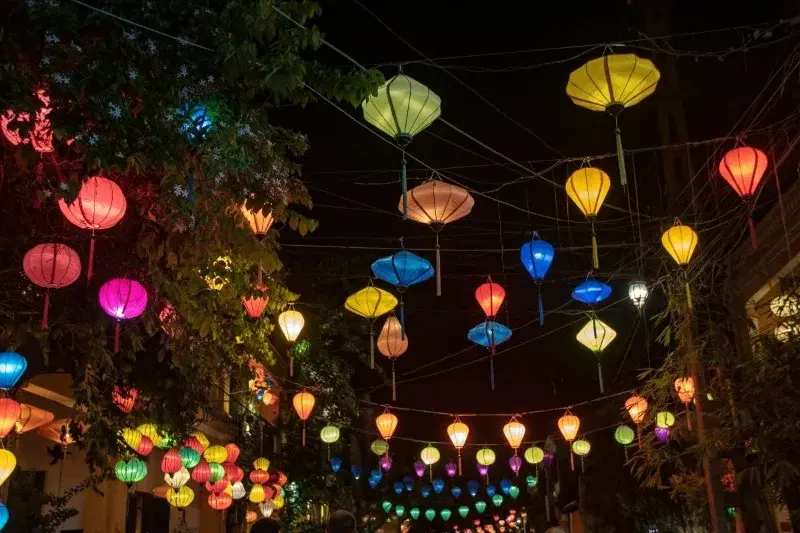
Hội An (meaning "peaceful meeting place") is Vietnam's most enchanting destination—a beautifully preserved ancient trading port where time seems to have stopped in the 17th century. This UNESCO World Heritage Site captivates visitors with its lantern-lit streets, Japanese covered bridge, Chinese assembly halls, centuries-old merchant houses, world-class tailor shops, and nearby pristine beaches.
Unlike Vietnam's bustling cities, Hoi An offers a tranquil glimpse into the country's mercantile past when it was Southeast Asia's busiest international trading port, welcoming merchants from China, Japan, Europe, and across Asia. Today, this magical town balances preservation with tourism, creating an unforgettable experience.
This comprehensive 2026 guide covers everything you need to know: the best things to do, where to stay, how to experience the famous lantern festival, custom tailoring, nearby beaches, cuisine, and essential travel tips.
Why Hoi An is Special
UNESCO World Heritage Site
Hoi An Ancient Town was inscribed as a UNESCO World Heritage Site in 1999, recognized as an exceptionally well-preserved example of a Southeast Asian trading port from the 15th-19th centuries. The town's buildings display a unique blend of Vietnamese, Chinese, Japanese, and European architectural influences.
Architectural Time Capsule
Hoi An's decline as a major port in the late 19th century (due to river silting and the rise of nearby Da Nang) paradoxically preserved it. While other Vietnamese cities modernized rapidly, Hoi An remained relatively untouched, maintaining its ancient character through Vietnam's turbulent 20th century.
Today, over 800 historic buildings survive in the Old Town, including:
- Traditional wooden merchant houses (15th-19th century)
- Chinese assembly halls and temples
- The iconic Japanese Covered Bridge (1593)
- French colonial buildings
- Ancient wells and communal houses
Living Cultural Heritage
Unlike many heritage sites that feel like museums, Hoi An is a living town where:
- Families have lived in the same houses for generations
- Traditional crafts continue (lantern-making, carpentry, tailoring)
- Ancient customs and festivals thrive
- Local markets operate as they have for centuries
The Lantern Town
Hoi An is famous for its colorful silk lanterns that illuminate the Old Town every evening. The monthly Lantern Festival (on full moon nights) transforms the town into a magical wonderland of candlelight and floating lanterns—one of Vietnam's most photogenic experiences.
Brief History of Hoi An
Ancient Origins (1st Century BCE - 15th Century)
The Hoi An area was inhabited by the Sa Huỳnh culture (1st century BCE - 2nd century CE), evidenced by archaeological sites with artifacts showing trade with China as early as the Han Dynasty.
From the 2nd-15th centuries, the area was part of the Champa Kingdom. The Cham people made Hoi An (then called Lam Ap Pho) a commercial center, using the Thu Bồn River system to transport goods between the highlands and the sea.
Rise as International Trading Port (15th-17th Century)
1471: Vietnamese Emperor Lê Thánh Tông annexed Champa, bringing Hoi An under Vietnamese control.
16th Century: The powerful Nguyễn Lords controlled southern Vietnam and actively promoted foreign trade, transforming Hoi An into Southeast Asia's busiest international port.
1535: Portuguese explorer António de Faria attempted to establish a major trading center here.
1604-1635: Japanese merchants established a thriving Japanese quarter in Hoi An. At least 75 Japanese merchant ships docked here during this period, compared to only 37 at Hanoi. The Japanese Covered Bridge dates from this era.
1593: Construction of the iconic Japanese Covered Bridge (Chùa Cầu) began, linking the Japanese quarter with the Chinese quarter.
Mid-17th Century: When Japan adopted isolationist policies (Sakoku), Japanese merchants left, and Chinese merchants gradually took over commerce.
Late Ming Dynasty: Chinese refugees fleeing the Ming-Qing transition settled in Hoi An, establishing Minh Hương communities and building assembly halls that still stand today.
17th-18th Century Peak: Hoi An flourished as an international trading hub, with merchants from China, Japan, the Netherlands, Portugal, France, Thailand, Indonesia, and India conducting business. The town exported silk, ceramics, spices, and other goods across Asia and to Europe.
Decline and Preservation (19th-20th Century)
1775-1778: The Tây Sơn rebellion brought conflict to Hoi An. The Trịnh army destroyed much of the commercial district, though religious structures survived.
19th Century: The Thu Bồn River mouth silted up, preventing large ships from docking. The Nguyễn Dynasty's isolationist policies further reduced international trade. Nearby Da Nang emerged as the region's primary port.
1888: When Da Nang became a French concession, many Chinese merchants relocated there, further diminishing Hoi An's commercial importance.
20th Century: Hoi An faded into obscurity as a small provincial town. This decline ironically preserved its ancient architecture, sparing it from the rapid urbanization that transformed other Vietnamese cities.
1990s: Polish architect Kazimierz Kwiatkowski led preservation efforts, bringing international attention to Hoi An's unique heritage. A statue of Kwiatkowski stands in the town today.
1999: UNESCO designated Hoi An Ancient Town a World Heritage Site, triggering tourism development and continued preservation efforts.
2009: Hoi An and the Chàm Islands were designated a UNESCO Biosphere Reserve.
Present: Hoi An is one of Vietnam's most popular tourist destinations, balancing heritage preservation with sustainable tourism.
When to Visit Hoi An
Best Time (February-April)
Spring (February-April):
- Ideal weather: warm (25-30°C), low humidity, minimal rain
- Clear skies for photography
- Comfortable for walking and cycling
- Not too hot for exploring Old Town
- Moderate tourist crowds
- March-April especially beautiful: flowers blooming
Good Time (May-August)
Summer (May-August):
- Hot and humid (30-35°C, can reach 38°C)
- Good for beach activities
- Occasional short rain showers
- More crowded with domestic tourists
- Lower hotel prices (June-July)
- Very hot for daytime Old Town exploration
Shoulder Season (September-October)
Early Autumn (September-October):
- Pleasant temperatures (25-30°C)
- Risk of typhoons and heavy rain (especially September-October)
- Flooding possible in Old Town
- Fewer tourists if weather cooperates
- Beautiful light after rain showers
Avoid if Possible (November-January)
Winter/Rainy Season (November-January):
- Cool temperatures (20-25°C)
- Heavy rainfall, frequent storms
- October-November: Peak flooding season—Old Town often floods
- Flooding disrupts activities, though creates unique photo opportunities
- Not suitable for beach time
- Lowest hotel prices
Special note on flooding: Hoi An floods several times annually (typically October-December) when the Thu Bồn River rises. While disruptive, it's part of the town's character. Locals adapt with raised walkways and boats.
Lantern Festival Timing
The famous Lantern Festival occurs on the 14th day of every lunar month (full moon). Check the lunar calendar and plan your visit around these magical evenings. The festival happens year-round, but the best weather for it is February-April.
2026 Lantern Festival Dates:
- January 14, February 12, March 14, April 12, May 12, June 10, July 10, August 8, September 7, October 6, November 5, December 4
How to Get to Hoi An
Hoi An is located 30 kilometers south of Da Nang in central Vietnam.
Fly to Da Nang, Transfer to Hoi An (Most Common)
Da Nang International Airport (DAD) is the nearest airport, serving domestic and international flights.
From Hanoi:
- Flight time: 1 hour 20 minutes
- Frequency: 15-20 daily flights
- Airlines: Vietnam Airlines, Vietjet, Bamboo Airways
- Cost: $30-80 USD one way
From Ho Chi Minh City:
- Flight time: 1 hour 20 minutes
- Frequency: 20-25 daily flights
- Airlines: Vietnam Airlines, Vietjet, Bamboo Airways
- Cost: $25-70 USD one way
Transfer from Da Nang Airport to Hoi An (30km, 45 minutes):
Private Car/Taxi:
- Cost: 350,000-500,000 VND ($14-20 USD)
- Book through: Grab app, hotel pickup, airport taxi counter
- Most convenient, direct to your hotel
Shuttle Bus:
- Cost: 150,000-200,000 VND ($6-8 USD) per person
- Drops at central Hoi An, then walk/taxi to hotel
- Book through hotels or online
Motorbike Taxi (Grab Bike):
- Cost: 100,000-150,000 VND ($4-6 USD)
- For budget travelers with minimal luggage
- Less comfortable
Train to Da Nang, Transfer to Hoi An
Da Nang Railway Station is on the North-South railway line.
From Hanoi:
- Duration: 14-17 hours (overnight train recommended)
- Cost: 400,000-1,200,000 VND ($16-48 USD) depending on class
- Trains: SE1, SE3, SE5, SE7
From Ho Chi Minh City:
- Duration: 18-22 hours (overnight train)
- Cost: 600,000-1,500,000 VND ($24-60 USD) depending on class
- Trains: SE2, SE4, SE6, SE8
From Hue:
- Duration: 2.5-3.5 hours
- Cost: 80,000-200,000 VND ($3-8 USD)
- Scenic coastal route
Transfer: From Da Nang station, take taxi/Grab to Hoi An (30-40 minutes, 250,000-400,000 VND)
Bus to Hoi An
From Da Nang:
- Yellow Bus Line 1: Da Nang to Hoi An
- Duration: 1-1.5 hours
- Cost: 20,000-30,000 VND ($0.80-$1.20)
- Frequent departures
- Cheapest option
From Hanoi/HCMC:
- Sleeper bus services available
- Duration: 15-18 hours (Hanoi), 20-24 hours (HCMC)
- Cost: 400,000-600,000 VND
- Not recommended (uncomfortable, long)
Motorbike
Many travelers rent motorbikes and ride between cities:
From Da Nang: 30km, 1 hour, easy coastal road From Hue: 140km, 3-4 hours, spectacular Hai Van Pass route
Rental cost: 120,000-200,000 VND per day
Where to Stay in Hoi An
Old Town (Ancient Town)
Best for: Atmosphere, walking to sights, Lantern Festival
Pros:
- Heart of action, steps from attractions
- Beautiful heritage buildings
- Romantic lantern-lit streets at night
- Best for first-time visitors
Cons:
- More expensive
- Can be crowded and touristy
- Some noise at night (bars, restaurants)
- No vehicles allowed (walk with luggage)
- Frequent flooding (rainy season)
Accommodation types:
- Heritage boutique hotels in restored buildings
- Small family-run guesthouses
- Mid-range hotels with traditional architecture
Price range: $30-$150 per night
Recommended areas: Near Japanese Bridge, Tran Phu Street, Nguyen Thai Hoc Street
An Bang Beach Area
Best for: Beach lovers, relaxation, families
Pros:
- Direct beach access
- Quieter, more relaxed vibe
- Better value accommodation
- Good restaurants and beach bars
- Easy bicycle ride to Old Town (4km)
Cons:
- Need transport to visit Old Town
- Less atmospheric than Old Town
- Fewer dining options
Accommodation types:
- Beach resorts
- Boutique beach hotels
- Budget beach bungalows
- Homestays
Price range: $20-$120 per night
Cam An Area (An Hoi Peninsula)
Best for: Mix of old town proximity and quiet atmosphere
Pros:
- Close to Old Town but quieter
- Riverside location
- Good value
- Authentic local neighborhoods
- Walking distance to everything
Cons:
- 5-10 minute walk to Old Town center
- Fewer dining options immediately nearby
Price range: $15-$80 per night
Outskirts/Countryside
Best for: Peace, nature, authentic rural experience
Pros:
- Very quiet and peaceful
- Rice field views
- Authentic Vietnamese village life
- Excellent value
- Often include free bicycle rental
Cons:
- Need motorbike/bicycle to get around
- Isolated from action
- Fewer restaurant options
Accommodation types:
- Eco-resorts
- Villa resorts
- Homestays
Price range: $10-$100 per night
Budget Recommendations
- Backpacker hostels: $5-$12 per night (dorms)
- Budget guesthouses: $12-$25 per night (private rooms)
- Homestays: $10-$20 per night
Mid-Range Recommendations
- Boutique hotels: $30-$70 per night
- 3-star hotels: $25-$60 per night
- Heritage hotels: $40-$80 per night
Luxury Recommendations
- 4-star resorts: $80-$150 per night
- 5-star resorts: $150-$300 per night
- Ultra-luxury: $300+ per night
Top Things to Do in Hoi An Ancient Town
Explore the Old Town on Foot
The Old Town is compact (about 2 square kilometers) and best explored on foot. Get delightfully lost in the narrow lanes, discovering hidden courtyards, ancient wells, artisan workshops, and photogenic corners.
Ticket required: Old Town Ticket (150,000 VND, valid 10 days) allows entry to 5 sites of your choice
Best times:
- Early morning (6:00-8:00am): Fewer tourists, soft light, local market activity
- Late afternoon/evening: Cooler temperatures, magical lantern lighting
Cycle Through Rice Fields and Villages
Hoi An's surrounding countryside is stunning—emerald rice paddies, water buffalo, traditional villages, and peaceful waterways.
Routes:
- To An Bang Beach (4km, easy)
- Tra Que Vegetable Village (3km, easy)
- Cam Thanh Coconut Village (5km, easy)
- Countryside loop (10-20km, various routes)
Bicycle rental: 20,000-50,000 VND per day
Best time: Early morning or late afternoon (avoid midday heat)
Experience the Lantern Festival
On the 14th day of each lunar month (full moon), Hoi An hosts the magical Lantern Festival:
What happens:
- All electric lights turned off in Old Town (7:00pm-10:00pm)
- Thousands of lanterns illuminate streets
- Candlelit processions
- Traditional music and performances
- Locals and visitors release floating lanterns on Thu Bồn River for good luck
- Special atmosphere throughout town
Activities:
- Buy a floating candle lantern (20,000-50,000 VND) and release it on the river
- Enjoy traditional music performances at assembly halls
- Watch lion dances and folk games
- Take incredible photos of lantern-lit streets
- Enjoy special lantern festival menu at restaurants
Tip: Arrive early (6:00-7:00pm) to secure a good riverside spot for releasing lanterns
Take a Cooking Class
Hoi An cuisine is unique, and cooking classes are excellent experiences.
Typical class format (4-5 hours):
- Market tour to buy ingredients
- Hands-on cooking instruction (3-5 dishes)
- Enjoy your meal with class
- Recipe book to take home
Dishes you'll learn:
- Cao lầu (Hoi An signature pork noodle dish)
- White rose dumplings (bánh bao bánh vạc)
- Vietnamese spring rolls (fresh and fried)
- Bánh xèo (sizzling rice crepes)
Cost: 400,000-800,000 VND ($16-$32 USD) per person
Recommended schools: Red Bridge Cooking School, Tra Que Cooking Class, Green Bamboo Cooking School, Gioan Cooking Class
Get Custom Clothing Made
Hoi An is Vietnam's tailoring capital. Hundreds of tailor shops can create custom-made clothing in 24 hours.
Covered in detail in "Custom Tailoring in Hoi An" section below.
Enjoy a Traditional Water Puppet Show
Water puppetry is a uniquely Vietnamese art form dating back centuries.
Hoi An Water Puppet Theater:
- Shows daily at 3:30pm and 5:15pm
- Duration: 35-40 minutes
- Cost: 150,000 VND ($6 USD)
- Location: Nguyen Thai Hoc Street
Stories depict Vietnamese village life, folk tales, and legends, performed by puppets on water with live traditional music.
Take a Boat Ride on Thu Bồn River
The river was central to Hoi An's trading port history and remains essential to local life.
Options:
- Sunset boat ride: 30-45 minutes, watch sunset over Old Town from water
- Longer river trips: Visit Kim Bong Carpentry Village, Tra Nhieu Fishing Village
- Private boat charter: Customize your route and duration
Cost: 100,000-300,000 VND depending on duration and route
Best time: Late afternoon/sunset
Visit Tra Que Vegetable Village
3km from Hoi An, this traditional village has grown herbs and vegetables for centuries, supplying Hoi An's restaurants.
Activities:
- Tour organic vegetable gardens
- Learn traditional farming methods
- Try your hand at farming (raking, planting, watering)
- Enjoy traditional Vietnamese herb-filled meal
- Foot massage with medicinal herbs
Many cooking classes include Tra Que visit
Independent visit: Cycle there (30 minutes), 20,000 VND entry
Explore Cam Thanh Coconut Village
5km from Hoi An, this village is famous for its coconut palm forests and traditional basket boat rides.
Activities:
- Ride traditional Vietnamese basket boats (coracles)
- Paddle through coconut palm waterways
- Learn basket boat racing and tricks
- Visit traditional fishing operations
- See coconut palm crafts
Cost: Tours 300,000-500,000 VND per person including transport Duration: Half-day trip
Architectural Landmarks and Heritage Sites
Japanese Covered Bridge (Chùa Cầu)
Built: 1593 Location: West end of Tran Phu Street
The most iconic landmark in Hoi An—a beautiful covered bridge with a small temple inside, connecting the Japanese quarter with the Chinese quarter. The bridge was built by the Japanese community and features unique Japanese architectural elements.
Features:
- Ornate roof and interior decorations
- Small temple dedicated to Tran Vo Bac De (northern deity)
- Statues of dog at one end, monkey at the other (bridge construction began in Year of the Monkey, finished in Year of the Dog)
- Beautiful at night when illuminated and reflected in the river
Featured on: Vietnamese 20,000 VND banknote
Entry: Requires Old Town Ticket
Phuc Kien Assembly Hall (Fujian Assembly Hall)
Built: 1697 Location: 46 Tran Phu Street
The most ornate and impressive of Hoi An's Chinese assembly halls, built by Fujian Chinese merchants.
Features:
- Elaborate gate with ceramic decorations
- Large courtyard with fountain
- Main hall dedicated to Thien Hau (Goddess of the Sea)
- Intricate carvings and decorations
- Beautiful architecture blending Chinese and Vietnamese styles
Entry: Requires Old Town Ticket
Tan Ky Old House
Built: Late 18th century (over 200 years old) Location: 101 Nguyen Thai Hoc Street
One of the oldest and best-preserved merchant houses, still inhabited by the same family (7 generations).
Features:
- Traditional Vietnamese timber house architecture
- Japanese and Chinese architectural influences
- Inner courtyard for light and ventilation
- Intricately carved wooden beams and panels
- Antique furniture and family heirlooms
- Marks on pillars showing historic flood levels
Entry: Requires Old Town Ticket
Quan Cong Temple
Built: 1653 Location: 168 Tran Phu Street
Temple dedicated to Quan Cong (Chinese general from the Three Kingdoms period), built by Minh Hương Chinese community.
Features:
- Ornate entrance gate
- Large statue of Quan Cong (red face, long beard)
- Traditional Chinese temple architecture
- Intricate wood carvings
- Beautiful courtyard
Entry: Requires Old Town Ticket
Assembly Hall of the Chaozhou Chinese Congregation
Built: 1776 Location: 157 Nguyen Duy Hieu Street
Assembly hall for Chaozhou (Teochew) Chinese merchants.
Features:
- Elaborate wood carvings
- Ornate altars
- Beautiful courtyard
- Less touristy than Fujian Hall
Entry: Requires Old Town Ticket
Other Notable Assembly Halls
Cantonese Assembly Hall (Quang Trieu/Quang Dong): 176 Tran Phu Street Hainan Assembly Hall: 10 Tran Phu Street All-Chinese Assembly Hall (Trung Hoa Hoi Quan): 64 Tran Phu Street
Each hall represents different Chinese regional communities that settled in Hoi An.
Hoi An Lantern Festival
Covered in detail in the "Top Things to Do" section above. The Lantern Festival on full moon nights (14th day of lunar month) is Hoi An's most magical experience—thousands of colorful lanterns light the Old Town, creating an enchanting atmosphere as all electric lights are turned off. Floating lantern releases on the river bring good luck according to Vietnamese tradition.
Custom Tailoring in Hoi An
Hoi An is famous throughout Asia for high-quality, affordable custom tailoring. Hundreds of tailor shops can create custom clothing in 24-48 hours.
What You Can Have Made
- Suits (men's and women's)
- Dresses
- Shirts and blouses
- Pants and skirts
- Coats and jackets
- Traditional Vietnamese áo dài
- Leather goods (shoes, bags, belts)
- Almost anything you can imagine
How It Works
Day 1 (Morning):
- Visit tailor shop
- Choose fabric (huge selection)
- Choose design (from their catalog, your photos, or custom design)
- Get measured (15-20 minutes)
- Pay deposit (usually 50%)
Day 1 (Late Afternoon) or Day 2:
- First fitting (try on rough version)
- Tailor marks adjustments
- Come back in 12-24 hours
Day 2 or Day 3:
- Final fitting and pickup
- Further minor adjustments if needed
- Pay balance
Rush orders: Some shops can complete items in 12-24 hours (may cost extra)
Typical Costs
Prices vary widely based on fabric quality, complexity, and shop reputation:
Men's Suit:
- Budget: 1,500,000-2,500,000 VND ($60-$100)
- Mid-range: 2,500,000-4,000,000 VND ($100-$160)
- High-end: 4,000,000-8,000,000+ VND ($160-$320+)
Women's Dress:
- Budget: 800,000-1,500,000 VND ($32-$60)
- Mid-range: 1,500,000-3,000,000 VND ($60-$120)
- High-end: 3,000,000-6,000,000+ VND ($120-$240+)
Shirt/Blouse: 400,000-1,200,000 VND ($16-$48) Pants: 500,000-1,000,000 VND ($20-$40) Áo Dài: 1,200,000-3,000,000 VND ($48-$120) Leather Shoes: 800,000-2,500,000 VND ($32-$100)
Tips for Great Results
Fabric selection:
- Spend time choosing quality fabric (feel, drape, weight)
- Better fabric = better results
- Don't just go for cheapest price
Bring examples:
- Photos of styles you like
- Existing clothing that fits well (tailor can copy)
- Be specific about what you want
Allow time:
- Stay in Hoi An at least 2-3 days
- Rush jobs may have quality issues
- Multiple fittings ensure better fit
Be realistic:
- Cheap prices = lower quality fabric/workmanship
- You get what you pay for
- Compare several shops before committing
Check reputation:
- Read reviews online
- Ask your hotel for recommendations
- Established shops often better than aggressive street touts
Inspect carefully:
- Check stitching, lining, buttons, zippers
- Try on in various positions (sitting, raising arms, etc.)
- Don't accept something that doesn't fit perfectly
Recommended Tailor Shops
Based on consistent good reviews (always check current reviews):
High-End Quality:
- Yaly Couture (75 Nguyen Thai Hoc)
- A Dong Silk (40 Le Loi)
- Kimmy Tailor (70 Tran Hung Dao)
Mid-Range Value:
- Toan Tailor (71 Nguyen Thai Hoc)
- Bebe Tailor (51 Le Loi)
- Thu Thuy Cloth Shop (6 Le Loi)
Note: Reputation can change; check recent reviews before visiting.
Hoi An Cuisine and Cooking Classes
Hoi An has a unique regional cuisine that blends Vietnamese, Chinese, and Japanese influences, developed over centuries of international trade.
Signature Hoi An Dishes
Cao Lầu
THE signature dish of Hoi An—thick rice noodles with pork, greens, crispy wontons, and herbs in a small amount of rich broth.
What makes it special: According to legend, authentic cao lầu can only be made with water from the ancient Ba Le Well in Hoi An and ash from trees on the Cham Islands, though this is more myth than reality today.
Where to try: Cao Lầu Thanh (26 Thai Phien Street)
Price: 30,000-50,000 VND
White Rose (Bánh Bao Bánh Vạc)
Delicate steamed rice dumplings shaped like roses, filled with minced shrimp, topped with crispy shallots and dipping sauce.
Where to try: White Rose Restaurant (533 Hai Ba Trung Street) - the original shop, family recipe for generations
Price: 30,000-40,000 VND per plate
Mi Quảng
Turmeric-yellow rice noodles with small amount of broth, topped with shrimp, pork, quail eggs, peanuts, fresh herbs, and crispy rice crackers (bánh tráng).
Where to try: Mì Quảng Bà Mua (on Trần Cao Vân Street near market)
Price: 30,000-50,000 VND
Banh Mi
Hoi An's version of Vietnam's famous baguette sandwich features the same crispy French-Vietnamese bread with various fillings.
Famous shop: Bánh Mì Phượng (2B Phan Châu Trinh) - made famous by Anthony Bourdain's visit
Price: 20,000-35,000 VND
Cooking Classes
Covered in "Top Things to Do" section. Cooking classes are one of Hoi An's most popular activities, typically including market tour and hands-on instruction for 3-5 dishes.
Beaches Near Hoi An
While Hoi An's Old Town is the main attraction, excellent beaches are within easy reach.
An Bang Beach
Distance: 4km north of Old Town (10 minutes by bicycle/motorbike) Character: Long, wide, sandy beach with relaxed vibe
Features:
- Clean sand and clear water
- Beach clubs and restaurants
- Sunbeds and umbrellas available
- Good swimming (calm waters)
- Beautiful sunrises
Activities:
- Swimming
- Sunbathing
- Beach volleyball
- Beachfront dining
- Sunset drinks at beach bars
Best for: Day trips from Old Town, families, relaxation
Facilities: Good (restaurants, changing rooms, sunbed rentals)
Sunbed rental: 50,000-100,000 VND per day
Cua Dai Beach
Distance: 5km east of Old Town Character: Once Hoi An's main beach, suffered severe erosion in recent years
Current status: Much narrower than before due to coastal erosion, less recommended than An Bang Beach currently. Check current conditions before visiting.
Hidden Beach (Bãi Biển Ẩn)
Distance: 12km from Old Town Character: Quieter, more secluded than An Bang
Features:
- Less developed
- Fewer crowds
- Good for those seeking tranquility
Access: Requires motorbike or taxi
Cham Islands Beaches
Distance: 15km offshore (45 minutes by speed boat) Character: Pristine island beaches, part of UNESCO Biosphere Reserve
Activities:
- Snorkeling and diving
- Beach time on pristine sands
- Visit fishing villages
- Seafood lunch
Day trips: 400,000-600,000 VND per person including boat, snorkeling, lunch
Best for: Adventure, snorkeling, getting away from crowds
Day Trips and Excursions from Hoi An
My Son Sanctuary
Distance: 40km southwest (1 hour drive) What it is: UNESCO World Heritage Site—ancient Hindu temple complex from Champa Kingdom (4th-14th century), often called "Vietnam's Angkor Wat"
Features:
- Ancient brick temples and towers
- Hindu sculpture and carvings
- Beautiful jungle setting
- Cham cultural performances
Tours: Half-day tours 400,000-600,000 VND including transport, guide, entry
Best for: History buffs, archaeology enthusiasts
Tip: Go early morning to avoid heat and crowds
Marble Mountains
Distance: 20km north (between Hoi An and Da Nang) What it is: Five marble and limestone hills with caves, pagodas, and viewpoints
Activities:
- Explore caves and grottos
- Visit Buddhist pagodas
- Climb to viewpoints
- See marble carving villages
Entry: 40,000 VND, elevator 15,000 VND extra
Duration: Half day
Can combine with: Da Nang visit
Da Nang City
Distance: 30km north (45 minutes) What to see:
- Dragon Bridge (breathes fire on weekends)
- Cham Museum (Cham artifacts and sculpture)
- My Khe Beach (beautiful long beach)
- Lady Buddha (giant statue)
- Modern cafes and restaurants
How to go: Taxi, Grab, or rent motorbike
Ba Na Hills
Distance: 60km from Hoi An (1.5 hours) What it is: French colonial hill station turned theme park/resort at 1,487m elevation
Famous for:
- Golden Bridge (giant hands holding bridge)
- French village architecture
- Cable car (one of world's longest)
- Cool mountain climate
- Theme park attractions
Tours: Full-day tours 800,000-1,200,000 VND including transport and cable car
Best for: Families, Instagram photos, escape from heat
Cham Islands Day Trip
Covered in "Beaches" section. Full day trip to pristine UNESCO Biosphere Reserve islands for snorkeling, diving, and beaches.
Shopping in Hoi An
Tailor-Made Clothing
Covered extensively in "Custom Tailoring" section. Hoi An's most famous shopping experience.
Lanterns
Hoi An is the lantern capital of Vietnam. Hundreds of shops sell colorful silk lanterns in all sizes and designs.
Types:
- Small decorative lanterns
- Medium hanging lanterns
- Large outdoor lanterns
- Custom colors and designs
Prices: 50,000-500,000 VND depending on size and complexity
Best shops: Shops along Nguyen Hoang Street specialize in lanterns
Tip: Many shops ship internationally if you buy large quantities
Handmade Crafts
- Hand-embroidered textiles
- Lacquerware
- Ceramics
- Wooden handicrafts
- Silk products
- Traditional paintings
Art Galleries
Many galleries feature local and Vietnamese artists:
- Tan My Design (silk paintings)
- Metiseko (contemporary art)
- Couleurs d'Asie (photography and art)
- Reaching Out Arts and Crafts (social enterprise employing disabled artisans)
Central Market (Chợ Hội An)
Location: Tran Phu Street and Bach Dang Street intersection Hours: Early morning to late evening
What to buy:
- Fresh produce and food
- Spices
- Local snacks
- Cheap souvenirs
- Fabrics
- Basic clothing
Bargaining: Expected, start at 50-60% of asking price
Practical Travel Tips
Old Town Ticket System
Cost: 150,000 VND (valid 10 days) What it includes: Entry to 5 heritage sites of your choice from 21 sites Where to buy: Ticket booths at main entrances to Old Town Enforcement: Checked at major heritage sites and main streets
Sites included: Assembly halls, old houses, museums, temples, Japanese Bridge
Tip: Choose your 5 sites strategically. Popular choices: Japanese Bridge, Fujian Assembly Hall, Tan Ky Old House, Quan Cong Temple, and one museum.
Walking the streets: Free to walk around Old Town; ticket only required to enter specific heritage sites
Getting Around Hoi An
On Foot: Best way to explore Old Town (compact, pedestrian-friendly)
Bicycle:
- Ideal for exploring beyond Old Town
- Rental: 20,000-50,000 VND per day
- Most hotels provide free bicycles
Motorbike:
- For day trips and further exploration
- Rental: 120,000-200,000 VND per day
- Not allowed in parts of Old Town
Taxi/Grab: Available for longer trips (Da Nang, My Son, etc.)
Note: Much of Old Town is vehicle-free, especially main streets in the evening.
Money and Costs
Currency: Vietnamese Dong (VND) ATMs: Widely available throughout Hoi An Credit cards: Accepted at hotels, many restaurants, and shops (small shops may be cash only) Bargaining: Expected at markets and many shops (not at restaurants or fixed-price stores)
Daily budget estimates:
- Budget: $20-$35 per day (hostels, street food, basic activities)
- Mid-range: $40-$80 per day (good hotels, mix of street food and restaurants, activities)
- Luxury: $100+ per day (upscale hotels, fine dining, tours)
What to Pack for Hoi An
Clothing:
- Light, breathable fabrics (hot and humid much of year)
- Modest clothing for temples (covered shoulders and knees)
- Swimwear for beaches
- Light rain jacket (rainy season)
- Comfortable walking shoes
- Sandals
Other essentials:
- Sun protection (hat, sunglasses, high SPF sunscreen)
- Insect repellent (mosquitoes especially dusk/dawn)
- Reusable water bottle
- Small daypack for cycling
- Power adapter (Type A, C, or D; 220V)
Safety
Hoi An is very safe for tourists:
- Low violent crime
- Friendly locals
- Well-lit streets at night
Watch out for:
- Petty theft (keep valuables secure in crowds)
- Motorbike bag snatching (rare but possible)
- Overcharging by touts (always agree on prices first)
- Traffic (look both ways, even on one-way streets)
Flooding
Reality: Hoi An floods several times annually (Oct-Dec) when Thu Bồn River rises Impact: Water 0.5-2 meters deep in Old Town streets Duration: Usually 1-2 days Local response: Raised walkways, sandbags, boats—life continues
If visiting during flooding:
- Embrace it as unique experience
- Bring waterproof bag for electronics
- Wear flip-flops or sandals
- Great photo opportunities
- Some restaurants/shops may close temporarily
Responsible Tourism
Support local businesses: Stay at locally-owned hotels, eat at family restaurants Reduce plastic: Bring reusable water bottle and bags Respect heritage: Don't climb on ancient structures, follow rules at heritage sites Dress appropriately: Cover shoulders/knees in temples Learn some Vietnamese: Even basic phrases appreciated Give back: Visit Reaching Out (social enterprise) or support local causes
Visa Requirements for Hoi An
Visiting Hoi An requires entering Vietnam through Da Nang. Understanding visa requirements ensures smooth travel.
E-Visa for Hoi An Tourism
Most international visitors can obtain a Vietnam e-visa online before arrival:
- 90-day validity: Perfect for extended Central Vietnam exploration
- Single or multiple entry: Choose based on travel plans
- Online application: Apply through Vietnam Immigration e-visa service
- Processing time: 3 business days
Recommended: Apply 2-3 weeks before your trip for peace of mind.
Visa-Free Entry
Citizens of many countries can enter Vietnam visa-free for 14-45 days:
- ASEAN countries (up to 30 days)
- South Korea, Japan (up to 45 days)
- Several European countries (up to 45 days)
Check current visa-free eligibility for your nationality.
Sample Hoi An Itineraries
Your visa should cover your planned duration:
3-Day Hoi An Focus:
- Day 1: Explore Old Town, Japanese Bridge, assembly halls
- Day 2: Cooking class, beach time at An Bang
- Day 3: My Son Sanctuary day trip
5-Day Hoi An + Da Nang:
- Days 1-3: Hoi An (Old Town, cooking class, cycling, beaches)
- Day 4: My Son or Marble Mountains
- Day 5: Da Nang city tour
7-Day Central Vietnam:
- Days 1-4: Hoi An (thorough exploration, relaxation, beaches)
- Days 5-7: Hue (former imperial capital, 3 hours north)
Ready to experience the magic of Hoi An? Ensure you have the proper visa for your visit. Apply for your Vietnam e-visa today through our visa service and start planning your journey to this enchanting ancient town.
From lantern-lit evenings strolling centuries-old streets, to cycling through emerald rice fields, savoring unique Hoi An cuisine, having custom clothing tailored, and relaxing on pristine beaches—Hoi An offers an unforgettable blend of history, culture, and beauty.
This ancient trading port, where East met West for centuries, continues to welcome travelers with timeless charm and genuine hospitality. Visit soon, before the magic fades.
Safe travels and enjoy your Hoi An adventure!
Share:
Created: Mar 08, 2026 | Modified: Mar 10, 2026
Related Posts

Vietnam Visa Overstay: New Fines & Penalties (Decree 282/2025)
Vietnam doubled its maximum visa overstay fine to VND 40 million (~$1,520) under Decree 282/2025, effective December 15, 2025. The new rules introduce 7 escalating fine brackets, allow deportation from just 16 days of overstay, and carry long-term consequences including blacklisting and entry bans. This guide breaks down the full fine schedule, explains what to do if you have already overstayed, and shows you how to prevent it.

Vietnam E-Visa Mistakes: 10 Errors That Get You Denied
Most Vietnam E-Visa rejections are not about eligibility. They are caused by preventable application errors: a bad photo, a passport number typo, or the wrong entry port. This guide breaks down the 10 most common mistakes that get E-Visa applications denied in 2026 and shows you exactly how to fix each one before you hit submit.
Vietnam E-Visa for US Citizens 2026: Complete Guide
American passport holders need a visa to enter Vietnam — no exceptions for the mainland. The E-Visa is the fastest and most affordable option, covering stays up to 90 days at all 83 international checkpoints. This guide walks US travelers through everything: requirements, the step-by-step application process, processing times, entry points, flight options, the Phu Quoc island exception, and common mistakes Americans make on their applications.
Table of Contents
- Why Hoi An is Special
- UNESCO World Heritage Site
- Architectural Time Capsule
- Living Cultural Heritage
- The Lantern Town
- Brief History of Hoi An
- Ancient Origins (1st Century BCE - 15th Century)
- Rise as International Trading Port (15th-17th Century)
- Decline and Preservation (19th-20th Century)
- When to Visit Hoi An
- Best Time (February-April)
- Good Time (May-August)
- Shoulder Season (September-October)
- Avoid if Possible (November-January)
- Lantern Festival Timing
- How to Get to Hoi An
- Fly to Da Nang, Transfer to Hoi An (Most Common)
- Train to Da Nang, Transfer to Hoi An
- Bus to Hoi An
- Motorbike
- Where to Stay in Hoi An
- Old Town (Ancient Town)
- An Bang Beach Area
- Cam An Area (An Hoi Peninsula)
- Outskirts/Countryside
- Budget Recommendations
- Mid-Range Recommendations
- Luxury Recommendations
- Top Things to Do in Hoi An Ancient Town
- Explore the Old Town on Foot
- Cycle Through Rice Fields and Villages
- Experience the Lantern Festival
- Take a Cooking Class
- Get Custom Clothing Made
- Enjoy a Traditional Water Puppet Show
- Take a Boat Ride on Thu Bồn River
- Visit Tra Que Vegetable Village
- Explore Cam Thanh Coconut Village
- Architectural Landmarks and Heritage Sites
- Japanese Covered Bridge (Chùa Cầu)
- Phuc Kien Assembly Hall (Fujian Assembly Hall)
- Tan Ky Old House
- Quan Cong Temple
- Assembly Hall of the Chaozhou Chinese Congregation
- Other Notable Assembly Halls
- Hoi An Lantern Festival
- Custom Tailoring in Hoi An
- What You Can Have Made
- How It Works
- Typical Costs
- Tips for Great Results
- Recommended Tailor Shops
- Hoi An Cuisine and Cooking Classes
- Signature Hoi An Dishes
- Cooking Classes
- Beaches Near Hoi An
- An Bang Beach
- Cua Dai Beach
- Hidden Beach (Bãi Biển Ẩn)
- Cham Islands Beaches
- Day Trips and Excursions from Hoi An
- My Son Sanctuary
- Marble Mountains
- Da Nang City
- Ba Na Hills
- Cham Islands Day Trip
- Shopping in Hoi An
- Tailor-Made Clothing
- Lanterns
- Handmade Crafts
- Art Galleries
- Central Market (Chợ Hội An)
- Practical Travel Tips
- Old Town Ticket System
- Getting Around Hoi An
- Money and Costs
- What to Pack for Hoi An
- Safety
- Flooding
- Responsible Tourism
- Visa Requirements for Hoi An
- E-Visa for Hoi An Tourism
- Visa-Free Entry
- Sample Hoi An Itineraries