Halong Bay Complete Travel Guide 2026: Vietnam's UNESCO Natural Wonder
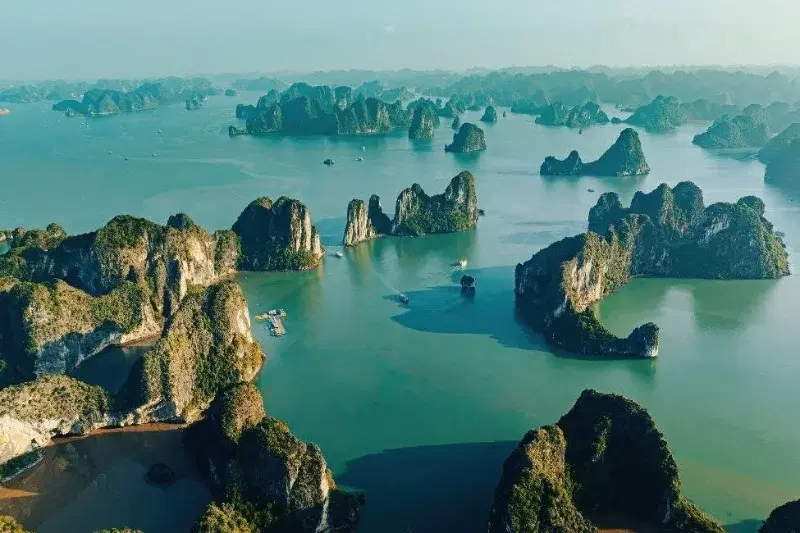
Halong Bay (Vietnamese: Vịnh Hạ Long, meaning "descending dragon") stands as one of the world's most extraordinary natural wonders—a UNESCO World Heritage Site featuring 1,969 limestone karst islands and islets rising dramatically from emerald waters in northeastern Vietnam. This comprehensive 2026 guide covers everything you need to plan an unforgettable visit to this geological masterpiece.
Whether you're planning a luxury overnight cruise, a budget day trip, or an adventurous kayaking expedition through hidden caves and floating villages, this guide will help you experience the very best of Halong Bay.
Why Halong Bay is Extraordinary
UNESCO World Heritage Status
Halong Bay was inscribed on the UNESCO World Heritage List in 1994 and again in 2000, recognized for both its outstanding natural beauty (Criterion VII) and its exceptional geological and geomorphological significance (Criterion VIII).
The bay's 1,553 square kilometers contain approximately 1,969 islands, of which 989 have been officially named. The core heritage zone encompasses 334 square kilometers with 775 islands concentrated in a spectacular display of karst topography.
Geological Marvel: 500 Million Years in the Making
Halong Bay's limestone formations have undergone 500 million years of geological evolution. The distinctive karst landscape developed over the last 20 million years through a combination of factors unique to this location:
- Massive limestone deposits: Over 1,000 meters thick, formed during the Carboniferous and Permian periods (340-240 million years ago)
- Tropical climate: Hot, wet conditions ideal for limestone dissolution
- Slow tectonic uplift: Gradual raising of the landscape allowing for mature karst development
- Marine invasion: Sea level changes that submerged the karst landscape, creating the current seascape
This combination of geological factors makes Halong Bay one of only two places on Earth (along with Yangshuo, China) where such extreme fenglin tower karst exists, and the only location where this karst landscape has been invaded by the sea.
The Legend of the Descending Dragon
According to Vietnamese legend, when Vietnam was developing as a nation and faced invasion, the gods sent a family of dragons to protect the people. These dragons spat out jewels and jade that turned into the thousands of islands and rocks, forming a great defensive wall. After the victory, the dragon family decided to remain in this beautiful place. The spot where the mother dragon descended became Hạ Long ("descending dragon"), while the area where the dragon's children gathered became Bái Tử Long ("children attending the dragon").
Essential Planning Information
Location and Geography
Halong Bay is located in Quang Ninh Province in northeastern Vietnam, approximately 165 kilometers east of Hanoi. The bay is administered by two cities: Halong City and Cam Pha City.
Coordinates: 20°54'N 107°12'E
Area: 1,553 km² total, with 434 km² designated as UNESCO World Heritage Site
Islands: 1,969 total, ranging from small rock outcrops to large inhabited islands
Climate and Weather
Halong Bay has a tropical climate with two distinct seasons:
Summer (May-October):
- Hot and humid with temperatures 25-33°C (77-91°F)
- Frequent rain and occasional storms, especially July-September
- Higher humidity but lush, green landscapes
- Risk of typhoons (August-October)
Winter (November-April):
- Dry and cool with temperatures 15-25°C (59-77°F)
- Lower humidity and better visibility
- Occasional fog and mist (creates atmospheric photos but limits visibility)
- Coldest months: December-February
Rainfall: Annual rainfall 2,000-2,200mm
Tides: Diurnal tide system with 3.5-4 meter amplitude
Salinity: 31-34.5 MT in dry season, lower in rainy season
How Long to Spend
1 Day (Day trip): Possible but rushed; you'll miss overnight cruise experience 2 Days/1 Night: Ideal minimum; covers main highlights with overnight on the bay 3 Days/2 Nights: Best for thorough exploration including Bai Tu Long Bay or Cat Ba Island 4+ Days: For adventure travelers wanting to explore Cat Ba Island, kayaking, rock climbing
When to Visit Halong Bay
Best Times (March-May and September-November)
Spring (March-May):
- Mild temperatures (20-28°C)
- Lower rainfall than summer
- Clear skies for photography
- Comfortable cruising weather
- Moderate tourist crowds
Early Autumn (September-November):
- Pleasant temperatures (22-28°C)
- Post-monsoon clarity
- Reduced rainfall compared to summer
- Good visibility
- Peak season begins October/November
Good Times with Considerations
Summer (June-August):
- Hot and humid (perfect for swimming)
- Higher chance of rain (prepare for wet weather)
- Lush, vibrant green landscapes
- Lower prices on cruises
- Possible typhoons (check forecasts)
Winter (December-February):
- Cool weather (bring layers)
- Occasional fog (atmospheric but limits views)
- Fewer tourists
- Lower prices
- Not ideal for swimming
Avoid If Possible
Typhoon Season Peak (August-October): Risk of trip cancellations due to severe weather
Vietnamese Lunar New Year (Tết): Late January/Early February—extremely crowded and expensive; many services closed
Vietnamese National Holidays: May 1 (Labor Day), April 30-May 1 (Reunification Day), September 2 (National Day)—domestic tourism surge
How to Get to Halong Bay
From Hanoi
Most visitors reach Halong Bay from Hanoi (165km, approximately 3-3.5 hours).
Cruise Company Transfer (Recommended)
Pros:
- Door-to-door service from Hanoi hotels
- Included in cruise package
- No hassle with tickets or directions
- Meet other cruise passengers
Cons:
- Fixed departure times (usually 8:00-8:30am)
- Stops at souvenir shops en route
- Less flexibility
Cost: Usually included in cruise price, or $10-15 per person if booked separately
Private Car/Taxi
Pros:
- Flexible departure time
- Direct route without stops
- Private, comfortable
- Can explore Halong City before/after cruise
Cons:
- More expensive
- Need to arrange pickup
Cost: $60-100 one way for 4-seater, $80-120 for 7-seater
Book through: Hotel concierge, Grab app, or reputable tour operators
Public Bus
Pros:
- Cheapest option
- Frequent departures
Cons:
- Uncomfortable (3+ hours on local bus)
- Not door-to-door
- Need to navigate to Halong port independently
- Language barriers
Routes:
- From Hanoi's Giap Bat or My Dinh bus stations to Bai Chay bus station (Halong City)
- Departures every 30-60 minutes from 6:00am-6:00pm
Cost: 100,000-150,000 VND ($4-6) per person
Not recommended unless on extreme budget
From Cat Ba Island
Many travelers combine Cat Ba Island with Halong Bay since they share similar scenery and Cat Ba offers better beaches and hiking.
Speed boat: Cat Ba Town to Halong City (45 minutes-1 hour) Cost: 200,000-300,000 VND per person
Some cruise itineraries include Cat Ba Island pickup/drop-off.
From Other Vietnamese Cities
Da Nang/Hoi An: Fly to Hanoi, then transfer (domestic flight 1.5 hours) Ho Chi Minh City: Fly to Hanoi, then transfer (domestic flight 2 hours), or overnight train to Hanoi Ninh Binh: Private car (180km, 3 hours) Haiphong: 50km, 1 hour by car or bus
Cruise Options: From Budget to Luxury
Choosing the right cruise is the most important decision for your Halong Bay experience. There are over 500 cruise vessels operating, ranging from budget party boats to ultra-luxury boutique cruises.
Budget Cruises ($40-80 per person/night)
What you get:
- Basic cabins with shared or simple private bathrooms
- Simple Vietnamese meals
- Standard itinerary (popular caves, basic kayaking)
- Large boats with 20-40 cabins
- Minimal English-speaking guides
Best for: Backpackers, solo travelers, those on tight budgets
Typical boats: Swan Cruises, Indochina Sails (budget line), Paloma Cruise
Pros: Affordable, social atmosphere, covers main sights Cons: Crowded, basic amenities, less personalized service, lower food quality
Mid-Range Cruises ($100-200 per person/night)
What you get:
- Comfortable private cabins with ensuite bathrooms
- Good Vietnamese and some international meals
- Comprehensive itinerary (caves, kayaking, swimming, cooking class or tai chi)
- Medium-sized boats (15-30 cabins)
- English-speaking guides
- Sundeck, restaurant, bar
Best for: Couples, families, most travelers seeking value and comfort
Typical boats: Paradise Cruises, Bhaya Cruises, Aphrodite Cruises, La Paci Cruises, Orchid Cruises
Pros: Good balance of price and comfort, varied activities, decent food Cons: Still somewhat crowded, variable service quality
Luxury Cruises ($250-500+ per person/night)
What you get:
- Spacious cabins/suites with balconies and premium amenities
- Excellent Vietnamese and international cuisine
- Exclusive itineraries (less-visited areas, private caves)
- Small boats (10-20 cabins maximum)
- Expert English-speaking guides
- Premium facilities: spa, jacuzzi, gym, multiple dining areas
- Personalized service
Best for: Honeymooners, luxury travelers, special occasions
Typical boats: Paradise Elegance, Au Co Cruises, Orchid Trendy, Indochina Junk, Peony Cruises, Alisa Premier Cruise
Pros: Exceptional comfort, excellent food, less crowded, unique experiences Cons: Expensive, may be too formal for some
Ultra-Luxury/Boutique Cruises ($500-1,500+ per person/night)
What you get:
- Lavish suites with private balconies, butler service
- Michelin-quality cuisine
- Exclusive routes and private experiences
- Tiny boats (4-12 cabins only)
- Expert multilingual guides
- Top-tier facilities: full spa, multiple pools, gourmet dining
- Helicopter transfers available
Best for: Ultra-luxury travelers, once-in-a-lifetime trips
Typical boats: Heritage Binh Chuan, Capella Cruise, Emperor Cruises, Stellar of the Seas
Pros: Unparalleled luxury, privacy, exclusive experiences, world-class service Cons: Very expensive, may feel isolated from local culture
Day Trips ($25-60 per person)
What you get:
- 6-8 hours on the bay
- Visit 1-2 caves, basic kayaking
- Simple lunch on board
- Depart Hanoi early morning, return evening
Best for: Time-constrained travelers, those prone to seasickness
Pros: Affordable, no overnight needed, see highlights quickly Cons: Miss magical sunrise/sunset, rushed itinerary, exhausting day with 6+ hours driving
Recommendation: Only choose day trips if absolutely necessary; overnight cruises provide vastly better experiences
Top Things to Do in Halong Bay
Cave Exploration
Halong Bay features numerous spectacular caves formed through millions of years of geological processes. These fall into three main categories:
- Old phreatic caves: Ancient caves now high above sea level with massive chambers and formations
- Karst foot caves: Horizontal caves extending into limestone islands
- Marine notch caves: Caves carved by wave action at sea level
The most visited caves are detailed in the "Major Caves and Grottos" section below.
Kayaking
Kayaking is one of the most rewarding activities, allowing you to:
- Paddle through narrow passages between islands
- Explore hidden lagoons (like Ba Ham Lakes)
- Access low marine notch caves unreachable by larger boats
- Get close to limestone formations
- Spot wildlife and floating villages
Included in: Most overnight cruises (1-2 hours) Best areas: Luon Cave area, Ba Ham Lakes, floating villages
Tip: Choose morning kayaking for calmer waters and better light
Swimming
Swimming opportunities depend on weather and season.
Best locations:
- Titop Island: Sandy beach with swimming area
- Soi Sim Island: Beach and swimming
- Three Peaches Beach (Ba Trai Dao): Remote, pristine
- Near your cruise boat (if anchored in suitable location)
Best season: May-September (warm water, 25-30°C) Winter: Water too cold for most swimmers (15-20°C)
Note: Water quality varies; some areas have better clarity than others
Climbing Viewpoints
Titop Island: 400+ steps to panoramic viewpoint—the most iconic Halong Bay photo spot showing hundreds of islands
Bai Tho Mountain (Poem Mountain): In Halong City, offers views over the entire bay
Note: Steep climbs in hot/humid weather; bring water
Cooking Classes
Many mid-range and luxury cruises offer short Vietnamese cooking demonstrations or classes:
- Fresh spring rolls (gỏi cuốn)
- Fried spring rolls (nem rán/chả giò)
- Squid or fish dishes
Usually 30-60 minutes, fun activity before lunch or dinner.
Tai Chi at Sunrise
A serene way to start the day, offered on most overnight cruises. Join your guide on the sundeck at dawn for gentle tai chi movements as the sun rises over the limestone karsts.
Time: Usually 6:00-6:30am Duration: 15-30 minutes Attire: Comfortable clothing
Squid Fishing (Night Activity)
Evening activity on overnight cruises. Crew provides lines and lights to attract squid. Success varies, but it's a fun social activity. Any squid caught can be cooked by the crew for dinner or breakfast.
Time: After dinner, usually 8:00-10:00pm Success rate: Variable depending on season and luck
Floating Village Visits
Visit traditional fishing villages where communities live on floating houses:
- Cua Van Village (most visited)
- Ba Hang Village
- Cong Tau Village
- Vong Vieng Village
Learn about fishing traditions, pearl farming, and marine aquaculture. Some cruises include visits to local schools or community centers.
Note: Around 1,600 people live in these four main floating villages, though the government has relocated many families to shore in recent years to protect the heritage zone.
Major Caves and Grottos
Sung Sot Cave (Surprise Cave)
Type: Old phreatic cave Location: Bo Hon Island Size: Two large chambers, over 10,000 m² Depth: Passages descend more than 10m
The most impressive and popular cave in Halong Bay. The entrance is reached by climbing 100+ steps through forest. The first chamber is vast with stunning stalactites and stalagmites illuminated by colored lights. A narrow passage opens into an even larger second chamber with a "skylight" opening. The views from the cave exit over the bay are spectacular.
Included in: Most cruise itineraries
Tip: Visit early or late to avoid peak crowds (can be packed with tourists mid-morning)
Thien Cung Cave (Heavenly Palace Cave)
Type: Old phreatic cave Location: Dau Go Island (northern part) Height: 20-50m above sea level Size: Over 100m long main chamber
A single magnificent chamber adorned with countless stalactites and stalagmites in various formations. The cave is illuminated with colored lights that highlight the natural rock formations said to resemble mythical creatures, gardens, and palaces. Named "Heavenly Palace" for its ethereal beauty.
Often paired with Dau Go Cave visits.
Dau Go Cave (Wooden Stakes Cave)
Type: Old phreatic cave Location: Dau Go Island (part of same ancient system as Thien Cung Cave) Historical significance: Named after wooden stakes used in the 1288 battle when General Tran Hung Dao defeated Mongol invaders
The largest grotto in Halong Bay, with three magnificent chambers filled with countless stalactites and stalagmites. French tourists in the late 19th century named it "Grotte des Merveilles" (Cave of Wonders), and you can still see French graffiti from that era.
Historical note: This cave reportedly stored wooden stakes that were later used to sink Kublai Khan's Mongol fleet in the Bach Dang River in 1288.
Luon Cave
Type: Marine notch cave (tunnel cave) Location: Bo Hon Island Length: Approximately 50m
A scenic tunnel cave that extends through the limestone to an enclosed tidal lake. The ceiling features a massive stalactite truncated at modern tidal level. Accessible by kayak or small bamboo boat. The enclosed lagoon beyond is surrounded by steep cliffs covered in vegetation—a magical hidden world.
Access: Kayaking or bamboo boat only (not accessible by cruise ship)
Included in: Most cruises offer kayaking through Luon Cave
Trinh Nu Cave (Virgin Cave)
Type: Old karstic foot cave Location: Approximately 12m above sea level Length: 80m
One of the larger foot caves in Halong Bay. The cave developed over multiple stages and contains interesting geological formations showing the evolution of the bay's karst landscape.
Local legend: Associated with a tragic love story between a poor fisherman and a mandarin's daughter, similar to Romeo and Juliet.
Bo Nau Cave
Type: Old karstic foot cave Features: Horizontal cave with old stalactite deposits cutting across limestone bedding
This cave offers good examples of the geological processes that formed Halong Bay, showing how caves develop at old base levels before sea level rise.
Me Cung Cave (Maze Cave)
Location: Contains archaeological remains Historical significance: Evidence of Soi Nhu culture (16,000-5,000 BC)
Archaeologists have found remnants of mountain shellfish, spring shellfish, and rudimentary tools, indicating human habitation tens of thousands of years ago.
Floating Villages and Local Life
Understanding the Floating Villages
Approximately 1,600 people live in Halong Bay's four main floating villages, sustaining themselves through fishing and marine aquaculture. These communities represent a unique lifestyle that has existed for generations, though modernization and government relocation efforts are gradually changing this traditional way of life.
Cua Van Floating Village
The largest and most visited floating village in Halong Bay, located in Hung Thang ward, Halong City.
Population: Approximately 500 people Lifestyle: Fishing, fish farming, pearl cultivation, tourism
Residents live on floating houses buoyed by plastic jugs and tire inner tubes. The village has floating schools, shops, and community centers. Many families now offer homestays, boat tours, and fresh seafood meals to supplement fishing income.
Visit includes: Rowing boat tour through village, learning about aquaculture, visiting floating school or community center
Cultural note: Treat visits respectfully—these are people's homes, not a theme park
Ba Hang Village
Smaller and less touristy than Cua Van, offering a more authentic experience.
Access: Included in some cruise itineraries, especially those venturing toward Bai Tu Long Bay
Vong Vieng and Cong Tau Villages
The smallest floating villages, rarely visited by tourists. Some luxury and boutique cruises with exclusive itineraries may include these.
Marine Aquaculture
Floating village residents cultivate over 200 species of fish and 450 different kinds of mollusks using floating net pens.
Common species:
- Grouper (expensive, prized)
- Snapper
- Seabass
- Various shellfish
Fish are fed every other day for up to three years before sale to local restaurants for up to 300,000 VND per kilogram.
Government Relocation Program
Since 2014, the Quang Ninh provincial government has been relocating floating village families to shore (Zone 8/Khe Ca Resettlement Area in Ha Phong Ward, Halong City) to:
- Stabilize residents' living conditions
- Protect the UNESCO heritage zone
- Provide better education and healthcare access
Over 300 households have been relocated. The program continues, with plans to retain only a small number of floating villages specifically for tourism purposes.
Bai Tu Long Bay and Cat Ba Island
Bai Tu Long Bay
Location: Northeast of Halong Bay Character: Less touristy, more remote and pristine
Bai Tu Long Bay shares similar geological features with Halong Bay but receives far fewer visitors, offering a more peaceful experience. The bay features the same limestone karst islands, caves, and lagoons but with less commercial development.
Best for: Travelers seeking tranquility away from crowds Cruises: Fewer options; mostly mid-range to luxury Highlights: Thien Canh Son Cave, Vung Vieng fishing village, pristine beaches, kayaking
Some 2-night cruises combine both Halong Bay and Bai Tu Long Bay.
Cat Ba Island
Location: Southwest of Halong Bay Size: Largest island in Halong Bay complex Character: More developed with beaches, hiking, and town infrastructure
Cat Ba Island is the only large inhabited island with permanent infrastructure including Cat Ba Town, hotels, restaurants, and bars.
Cat Ba National Park
Half the island is protected national park featuring:
- Tropical evergreen forest
- Mangrove swamps
- Freshwater swamps
- Coral reefs
Biodiversity: Home to the critically endangered Cat Ba langur (one of world's rarest primates, with fewer than 70 individuals remaining)
Activities:
- Hiking trails through jungle
- Wildlife spotting
- Bird watching
Cat Ba Town
The main settlement offers:
- Budget to mid-range accommodations
- Restaurants and bars
- Tour operators
- Harbor for boats and cruises
Lan Ha Bay
Location: South/southeast of Cat Ba Island Character: Quieter alternative to Halong Bay proper
Lan Ha Bay features 300+ karst islands and limestone outcrops. It's technically separate from Halong Bay but shares identical geology and scenery with fewer tourists.
Activities:
- Rock climbing (world-class routes on limestone cliffs)
- Kayaking
- Beach time
- Cruise tours
Monkey Island and Cat Ba Beaches
Several beaches accessible from Cat Ba Town:
- Cat Co 1, 2, 3 beaches (closest to town)
- Monkey Island beach
- Various remote beaches accessible by boat
Best season for beaches: May-September
Combining Cat Ba with Halong Bay
Many travelers combine Cat Ba and Halong Bay in several ways:
Option 1: Cruise from Halong Bay to Cat Ba (or reverse)
- 2-3 night cruises
- Covers both areas
- Ends at different location from start
Option 2: Cat Ba first, then Halong Bay cruise
- 2-3 nights on Cat Ba Island
- 1-2 night Halong Bay cruise with Cat Ba pickup
Option 3: Cat Ba-based boat tours to Lan Ha Bay
- Stay based on Cat Ba Island
- Day trips or shorter cruises in Lan Ha Bay
- Less expensive than Halong Bay cruises
Kayaking and Adventure Activities
Kayaking Overview
Kayaking in Halong Bay offers intimate access to areas unreachable by cruise ships, including narrow passages, caves at water level, hidden lagoons, and close-up views of limestone formations.
Included: 1-2 hours kayaking included in most overnight cruises Equipment: Provided by cruise (double kayaks, life jackets, waterproof bags) Difficulty: Easy to moderate; no experience required Best time: Morning (calmer waters, better light)
Best Kayaking Locations
Luon Cave and Lagoon
Paddle through a 50m natural tunnel cave to reach an enclosed circular lagoon surrounded by towering cliffs. The lagoon is accessible only by kayak or small boat—one of Halong Bay's most magical spots.
Ba Ham Lakes (Three Tunnels)
Located on Dau Be Island at the bay entrance, this system features three interconnected lakes accessed through low tide tunnel caves. The lakes are enclosed dolines (collapsed cave systems) within the fengcong karst.
Best time: Mid-low tide (tunnels may be submerged at high tide) Difficulty: Moderate (low ceiling caves require ducking)
Dark and Bright Cave
Two connected caves—one dark, one with an opening creating beautiful light effects. Paddle through both for dramatic photo opportunities.
Floating Villages
Kayak through Cua Van or other floating villages for a close-up look at daily life. More intimate and less intrusive than rowboat tours.
Multi-Day Kayaking Expeditions
For serious kayakers, several companies offer multi-day kayaking expeditions:
Duration: 2-4 days Style: Camping on beaches or staying in floating homestays Coverage: Explore remote areas inaccessible to cruise ships Difficulty: Moderate to challenging (multiple hours paddling per day)
Recommended operators:
- Asia Outdoors (Cat Ba-based)
- Handspan Travel (offers various adventure options)
Rock Climbing
Halong Bay and especially Cat Ba's Lan Ha Bay offer world-class rock climbing on limestone cliffs.
Rock type: Limestone karst with pockets and tufas Style: Deep water soloing (free climbing over water) and traditional routes Grades: From beginner to expert Season: Year-round, but best October-April (cooler, less humid)
Cat Ba is Southeast Asia's premier deep water soloing destination
Guided climbing:
- Asia Outdoors (Cat Ba)
- Cat Ba Climbing (local operators)
Equipment provided; no experience necessary for beginner routes.
Swimming and Beach Time
While not primarily a beach destination, Halong Bay offers swimming opportunities:
Cruise itinerary swims:
- Titop Island beach
- Soi Sim Island
- Three Peaches Beach
- Off the boat (weather permitting)
Better beaches: Cat Ba Island has superior beaches for dedicated beach time
Cycling on Cat Ba Island
Rent bicycles or e-bikes in Cat Ba Town to explore:
- Coastal roads with bay views
- Cat Ba National Park trails (some sections)
- Rural villages
- Viet Hai Village (accessible by boat + bike combination)
Cost: 50,000-150,000 VND per day for bicycle/e-bike rental
Photography Tips for Halong Bay
Best Times for Photography
Sunrise (5:30-7:00am):
- Soft golden light
- Mist often present (atmospheric)
- Calm waters (reflections)
- Few other boats
- Wake up early! This is the magic hour.
Sunset (5:30-6:30pm depending on season):
- Golden hour light
- Silhouettes of karst formations
- Colorful skies (weather dependent)
- From sundeck of cruise ship
Overcast days:
- Soft, even light
- Good for caves and grottos
- Moody atmosphere
- No harsh shadows
Best Photo Locations
Titop Island viewpoint:
- THE iconic Halong Bay photo
- Shows hundreds of islands in one frame
- Best mid-morning or late afternoon
- Very crowded midday
Sundeck of cruise ship:
- Sunrise and sunset shots
- 360-degree views
- Other traditional wooden junks in foreground
- Calm waters with reflections
Kayaking:
- Get close to limestone cliffs
- Unique low angles
- Action shots with kayak in frame
- Floating village details
Sung Sot Cave:
- Wide-angle for massive chambers
- Tripod useful (dark interior)
- Colored lighting can be challenging
From caves looking out:
- Frame bay views through cave openings
- Dramatic light contrast
Camera Settings and Equipment
Essential gear:
- Wide-angle lens (16-35mm or phone equivalent)
- Waterproof case or bag (for kayaking)
- Lens cloth (humidity creates fog on lenses)
- Extra batteries (high humidity drains power)
Settings tips:
- Sunrise/sunset: Underexpose slightly to preserve colors
- Caves: High ISO (1600-3200), wide aperture
- Use HDR mode for high-contrast scenes
- Golden hour: Lower ISO for maximum quality
Drone photography:
- Check regulations (some areas restricted)
- Best for showcasing scale and patterns
- Early morning for best light and calm air
- Register drone if required
Composition Tips
- Include traditional wooden junks for scale and context
- Use karst formations to frame other islands
- Shoot from low angles (kayak level) for drama
- Vertical shots capture height of karst cliffs
- Include foreground elements (boat, kayak, people)
- Mist and fog add atmosphere—embrace weather conditions
Important Travel Tips and Warnings
Booking Your Cruise
Book in advance:
- 2-4 weeks ahead for mid-range cruises
- 1-2 months ahead for luxury cruises and peak season
- Last-minute bookings possible for budget cruises but risky
Book through reputable channels:
- Direct from cruise company websites
- Established tour operators
- Hotels (often have partnerships)
- Verified booking platforms (Viet Cruising, Halong Bay Tours)
Avoid: Street touts in Hanoi, unverified online sellers, too-good-to-be-true deals
Compare carefully: Same boat name doesn't always mean same owner/quality
What's Included in Cruise Price
Typically included:
- Accommodation on boat
- All meals (breakfast, lunch, dinner)
- Activities (kayaking, cave visits, swimming)
- Entrance fees
- English-speaking guide
- Transfer from Hanoi (most cruises)
Usually NOT included:
- Drinks (water sometimes included, alcohol always extra)
- Tips for crew
- Spa services
- Special activities (cooking class may be extra on budget cruises)
Clarify before booking to avoid surprises
Health and Safety
Seasickness:
- Halong Bay is generally calm (protected waters)
- Overnight anchorage means minimal movement
- Bring medication if prone to seasickness
- Choose mid-level cabins (less motion than upper decks)
Swimming safety:
- Follow crew instructions
- Life jackets provided when kayaking
- Water depth varies considerably
- Jellyfish rare but possible (especially summer)
Sun protection:
- Strong sun reflected off water
- Bring high SPF sunscreen
- Wear hat and sunglasses
- UV-protective clothing recommended
Humidity and moisture:
- Keep electronics in dry bags
- Clothes may not dry completely overnight
- Bring extra clothes
- Prevent mold in camera gear
Medical facilities:
- Limited on boats (basic first aid only)
- Serious medical issues require evacuation to Halong City or Hanoi
- Ensure travel insurance covers medical evacuation
Environmental Responsibility
Halong Bay faces significant environmental challenges from tourism, pollution, and climate change. Be a responsible visitor:
Reduce plastic waste:
- Bring reusable water bottle (some luxury cruises refill for free)
- Refuse single-use plastics
- Choose cruises with environmental policies
Respect wildlife:
- Don't touch or feed animals
- Don't collect shells, rocks, or coral
- Keep distance from floating villages' fish farms
Choose responsible cruise operators:
- Look for companies with environmental certifications
- Avoid boats dumping waste
- Support cruises employing local communities
Follow rules:
- Don't litter (no exceptions)
- Stay on designated paths in caves
- Don't touch stalactites/stalagmites (oils damage formations)
- Don't carve or write on cave walls
Water Quality Issues
Reality check: Halong Bay's water quality has declined due to tourism pressure, boat traffic, and pollution. While still beautiful, expect:
- Variable water clarity
- Floating debris in some areas (especially after rain)
- Strong smell near some harbors
- Not pristine tropical waters
Best water quality: Remote areas, Bai Tu Long Bay, Lan Ha Bay
This shouldn't deter your visit—the limestone karsts remain spectacular—but adjust expectations.
Weather and Typhoon Risks
Typhoon season (July-October):
- Monitor weather forecasts
- Purchase travel insurance with cancellation coverage
- Be flexible with dates
- Cruise companies will cancel for safety (usually full refund or reschedule)
Fog and low visibility:
- Common December-February
- Creates atmospheric photos but limits views
- Not dangerous, just disappointing for some
Rain:
- Brief intense showers common year-round
- Longer rainy periods July-September
- Bring waterproof jacket and bag
- Rain creates dramatic scenery
Visa Requirements for Halong Bay Visitors
Visiting Halong Bay requires entering Vietnam. Understanding visa requirements ensures smooth travel planning.
E-Visa for Halong Bay Tourism
Most international visitors can obtain a Vietnam e-visa online before arrival:
- 90-day validity: Perfect for extended Vietnam itineraries including Halong Bay
- Single or multiple entry: Choose based on your travel plans
- Online application: Apply through Vietnam Immigration e-visa service
Apply at least one week before your trip, though 2-3 weeks is safer.
Visa-Free Entry
Citizens of certain countries can enter Vietnam visa-free for 14-45 days depending on nationality:
- ASEAN countries (up to 30 days)
- South Korea, Japan (up to 45 days)
- Several European countries (up to 45 days)
Check current visa-free eligibility for your nationality.
Planning Your Halong Bay Visa
Typical itinerary requiring visa:
- Fly into Hanoi (Noi Bai International Airport)
- Explore Hanoi 2-3 days
- Transfer to Halong Bay for 2-3 day cruise
- Return to Hanoi or continue to other destinations
Recommended: Apply for 90-day e-visa for maximum flexibility, even if you only plan 1-2 weeks in Vietnam. This allows spontaneous extensions if you fall in love with the country.
Ready to experience the magic of Halong Bay? Ensure you have the proper visa for your visit. Apply for your Vietnam e-visa today through our visa service and start planning your journey to one of the world's most spectacular natural wonders.
From the moment you glimpse the first limestone karst rising from emerald waters, through sunrise tai chi sessions on your cruise sundeck, kayaking into hidden lagoons, exploring ancient caves adorned with millennia-old formations, to watching sunset paint the sky behind a thousand stone islands—Halong Bay offers an experience that will remain etched in your memory forever.
This UNESCO World Heritage Site represents 500 million years of geological history, centuries of Vietnamese culture, and the enduring beauty of nature. Visit responsibly, choose your cruise wisely, and prepare for one of the most breathtaking landscapes on Earth.
Safe travels and enjoy your Halong Bay adventure!
Share:
Created: Mar 07, 2026 | Modified: Mar 10, 2026
Related Posts
Vietnam Visa Overstay: New Fines & Penalties (Decree 282/2025)
Vietnam doubled its maximum visa overstay fine to VND 40 million (~$1,520) under Decree 282/2025, effective December 15, 2025. The new rules introduce 7 escalating fine brackets, allow deportation from just 16 days of overstay, and carry long-term consequences including blacklisting and entry bans. This guide breaks down the full fine schedule, explains what to do if you have already overstayed, and shows you how to prevent it.

Vietnam E-Visa Mistakes: 10 Errors That Get You Denied
Most Vietnam E-Visa rejections are not about eligibility. They are caused by preventable application errors: a bad photo, a passport number typo, or the wrong entry port. This guide breaks down the 10 most common mistakes that get E-Visa applications denied in 2026 and shows you exactly how to fix each one before you hit submit.

Vietnam E-Visa for US Citizens 2026: Complete Guide
American passport holders need a visa to enter Vietnam — no exceptions for the mainland. The E-Visa is the fastest and most affordable option, covering stays up to 90 days at all 83 international checkpoints. This guide walks US travelers through everything: requirements, the step-by-step application process, processing times, entry points, flight options, the Phu Quoc island exception, and common mistakes Americans make on their applications.
Table of Contents
- Why Halong Bay is Extraordinary
- UNESCO World Heritage Status
- Geological Marvel: 500 Million Years in the Making
- The Legend of the Descending Dragon
- Essential Planning Information
- Location and Geography
- Climate and Weather
- How Long to Spend
- When to Visit Halong Bay
- Best Times (March-May and September-November)
- Good Times with Considerations
- Avoid If Possible
- How to Get to Halong Bay
- From Hanoi
- From Cat Ba Island
- From Other Vietnamese Cities
- Cruise Options: From Budget to Luxury
- Budget Cruises ($40-80 per person/night)
- Mid-Range Cruises ($100-200 per person/night)
- Luxury Cruises ($250-500+ per person/night)
- Ultra-Luxury/Boutique Cruises ($500-1,500+ per person/night)
- Day Trips ($25-60 per person)
- Top Things to Do in Halong Bay
- Cave Exploration
- Kayaking
- Swimming
- Climbing Viewpoints
- Cooking Classes
- Tai Chi at Sunrise
- Squid Fishing (Night Activity)
- Floating Village Visits
- Major Caves and Grottos
- Sung Sot Cave (Surprise Cave)
- Thien Cung Cave (Heavenly Palace Cave)
- Dau Go Cave (Wooden Stakes Cave)
- Luon Cave
- Trinh Nu Cave (Virgin Cave)
- Bo Nau Cave
- Me Cung Cave (Maze Cave)
- Floating Villages and Local Life
- Understanding the Floating Villages
- Cua Van Floating Village
- Ba Hang Village
- Vong Vieng and Cong Tau Villages
- Marine Aquaculture
- Government Relocation Program
- Bai Tu Long Bay and Cat Ba Island
- Bai Tu Long Bay
- Cat Ba Island
- Combining Cat Ba with Halong Bay
- Kayaking and Adventure Activities
- Kayaking Overview
- Best Kayaking Locations
- Multi-Day Kayaking Expeditions
- Rock Climbing
- Swimming and Beach Time
- Cycling on Cat Ba Island
- Photography Tips for Halong Bay
- Best Times for Photography
- Best Photo Locations
- Camera Settings and Equipment
- Composition Tips
- Important Travel Tips and Warnings
- Booking Your Cruise
- What's Included in Cruise Price
- Health and Safety
- Environmental Responsibility
- Water Quality Issues
- Weather and Typhoon Risks
- Visa Requirements for Halong Bay Visitors
- E-Visa for Halong Bay Tourism
- Visa-Free Entry
- Planning Your Halong Bay Visa