Hanoi Travel Guide 2026
Introduction & Overview
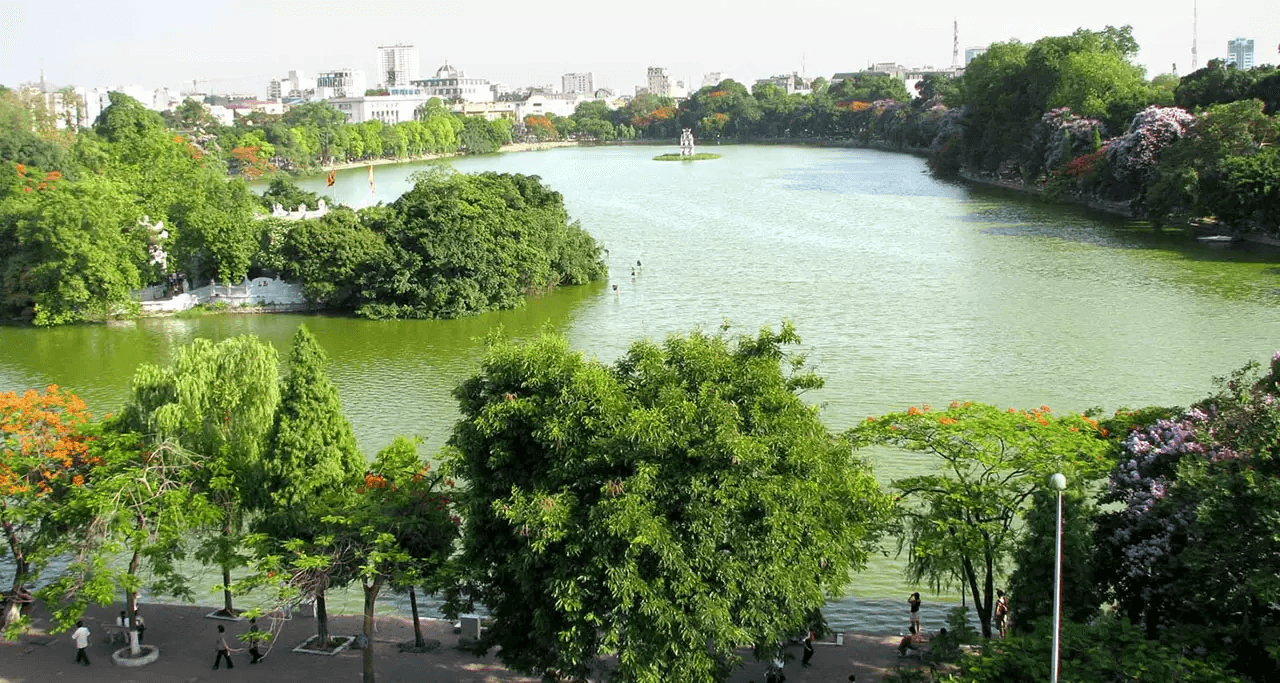
Hanoi, the capital of Vietnam, stands as the cultural and political heart of the nation, where over a thousand years of history breathe through ancient temples, tree-lined boulevards, and the labyrinthine streets of the Old Quarter. Unlike the commercial dynamism of Ho Chi Minh City in the south, Hanoi embraces tradition and heritage, offering travelers an authentic glimpse into Vietnamese culture shaped by Chinese influence, French colonialism, and fierce independence. From the tranquil waters of Hoan Kiem Lake to the solemn grandeur of Ho Chi Minh's Mausoleum, every corner of this captivating city tells a story of resilience, pride, and timeless beauty.
As the gateway to Northern Vietnam's most spectacular destinations—including the legendary Halong Bay, the terraced rice fields of Sapa, and the limestone karsts of Ninh Binh—Hanoi serves as the perfect base for your Vietnamese adventure. The city's distinct four-season climate, legendary street food scene (including the birthplace of pho), and genuinely welcoming locals create an experience that differs remarkably from Vietnam's tropical south. Whether you're exploring the atmospheric 36 ancient streets, savoring a steaming bowl of bun cha, or watching a traditional water puppet performance, Hanoi promises memories that will resonate long after your journey ends.
Before embarking on your Hanoi adventure, it's essential to ensure your travel documents are in order. Vietnam requires most international visitors to obtain a visa before arrival. Our convenient Vietnam e-Visa service makes the application process efficient and straightforward, allowing you to secure your visa online in just a few minutes. The e-Visa is valid for up to 90 days with single or multiple entry options, perfect for exploring Hanoi and beyond. Don't let visa concerns delay your travel planning—apply today and focus on the exciting journey ahead.
Best Time to Visit Hanoi
Unlike Southern Vietnam's two-season tropical climate, Hanoi experiences four distinct seasons, each offering unique experiences and atmospheres. Understanding these seasonal patterns will help you plan the perfect visit:
- Spring (February to April): One of the best times to visit, with pleasant temperatures ranging from 15°C to 25°C (59°F to 77°F). The weather is mild and comfortable, perfect for sightseeing and outdoor activities. This season brings blooming flowers, including peach blossoms and kumquat trees during Tet celebrations (Vietnamese Lunar New Year, typically late January to early February). Expect occasional light drizzle and higher hotel rates during the Tet holiday period. The romantic atmosphere and festival energy make spring particularly special.
- Summer (May to August): Hot and humid with temperatures climbing from 28°C to 35°C (82°F to 95°F). Afternoon thunderstorms are common but usually brief, bringing welcome relief from the heat. This is peak domestic tourism season as Vietnamese families travel during summer holidays. Despite the heat, summer offers vibrant street life, plentiful tropical fruits, and numerous cultural festivals. Early mornings and evenings are the best times for outdoor exploration. Hotel rates are moderate, and you'll experience authentic local energy.
- Autumn (September to November): Widely considered the absolute best time to visit Hanoi. Temperatures are comfortable at 20°C to 28°C (68°F to 82°F), humidity decreases significantly, and skies are clear and blue. The city is bathed in beautiful golden light, perfect for photography. This season brings harvest festivals, pleasant walking weather, and ideal conditions for day trips to Halong Bay or Sapa. Expect peak international tourism and higher hotel prices, especially in October. Book accommodations well in advance for this premium season.
- Winter (December to January): Cool to cold with temperatures ranging from 10°C to 20°C (50°F to 68°F). Hanoi's winters surprise many travelers—it can feel genuinely cold, especially in the early mornings and evenings. The city experiences persistent drizzle and gray skies, with occasional sunny days. While not ideal for beach activities, winter offers fewer crowds, significantly lower hotel rates, and a cozy atmosphere perfect for enjoying hot pho and egg coffee. Pack layers, a light jacket, and an umbrella. The cool weather adds charm to temple visits and makes hot street food even more appealing.
Our Recommendation: Autumn (September to November) offers the best overall experience with perfect weather, though spring (March to April) runs a close second. If you're on a budget and don't mind cooler temperatures, winter provides excellent value with an authentic local atmosphere.
How Many Days to Spend in Hanoi
The ideal length of stay in Hanoi depends on your travel style, interests, and whether you plan to take day trips to surrounding attractions. We recommend:
- 2-3 Days: Perfect for hitting the main highlights within the city proper. This allows time to explore the Old Quarter, visit Hoan Kiem Lake, see key museums and temples (Ho Chi Minh Mausoleum, Temple of Literature), experience the food scene, and catch a water puppet show. Ideal for travelers on a tight schedule or those visiting Hanoi as part of a longer Vietnam itinerary. You'll get a solid introduction to the city's culture and atmosphere.
- 4-5 Days: Allows for a more relaxed exploration pace plus one or two day trips. You can thoroughly explore different neighborhoods, take a cooking class, visit craft villages, and include a day trip to Ninh Binh (Tam Coc) or a half-day excursion to Perfume Pagoda. This duration is recommended for most travelers seeking a balanced experience without feeling rushed. You'll have time to discover hidden cafes, enjoy multiple meals at recommended restaurants, and experience both tourist highlights and local life.
- 7+ Days: Ideal for those who want to deeply immerse themselves in Hanoi's culture and explore the surrounding region comprehensively. This timeframe allows for multiple day trips (Halong Bay overnight cruise, Ninh Binh, and perhaps a 2-3 day excursion to Sapa), exploration of lesser-known neighborhoods, participating in cultural activities like traditional music performances, and simply enjoying the café culture and street life at a leisurely pace. Perfect for digital nomads (see our Digital Nomad Guide to Vietnam), culture enthusiasts, or travelers using Hanoi as their Northern Vietnam base.
Overview of Key Areas
Hanoi is organized into districts, each with distinct character and appeal. Understanding these areas helps you navigate the city and choose the best location for your accommodation:
- Old Quarter (Hoan Kiem District): The historic and atmospheric heart of Hanoi, where most tourists base themselves. This area comprises the famous 36 ancient streets, each historically named after the goods and trades once sold there (Silk Street, Silver Street, etc.). The Old Quarter is a sensory feast of narrow lanes packed with shops, street food vendors, traditional tube houses, and endless motorbike traffic. Key landmarks include Hoan Kiem Lake, Ngoc Son Temple, Dong Xuan Market, Ta Hien Beer Street, and the weekend night market. Expect noise, chaos, incredible food, and authentic urban Vietnamese life. This is where you'll find the highest concentration of budget accommodations, backpacker hostels, and tourist services.
- French Quarter (Hoan Kiem District): Adjacent to the Old Quarter but dramatically different in character. Wide, tree-lined boulevards showcase elegant French colonial architecture, including the Hanoi Opera House, St. Joseph's Cathedral, and government buildings. This area offers boutique hotels, upscale restaurants, art galleries, and a more refined atmosphere while remaining within walking distance of Old Quarter attractions. It's quieter than the Old Quarter, making it ideal for travelers who want central location without constant noise.
- Ba Dinh District: The political and administrative center of Vietnam, home to the country's most important governmental buildings and monuments. Key attractions include the Ho Chi Minh Mausoleum, Presidential Palace, One Pillar Pagoda, Temple of Literature, and Imperial Citadel of Thang Long. The area is more spacious and formal compared to the Old Quarter, with wide boulevards and green spaces. It's less convenient for dining and nightlife but excellent for history and culture enthusiasts. Many travelers visit on day trips from Old Quarter accommodations.
- West Lake Area (Tay Ho District): Hanoi's largest lake and the trendy expat neighborhood. The area offers a more relaxed, residential atmosphere with lakeside cycling paths, upscale cafes, international restaurants, boutique hotels, and the beautiful Tran Quoc Pagoda. Popular with long-term visitors, digital nomads, and families seeking a quieter base. For detailed information on coworking spaces, visa strategies, and living as a remote worker in Hanoi, check out our Digital Nomad Guide to Vietnam. It's about 15-20 minutes by taxi from the Old Quarter. West Lake provides a nice contrast to the city's intensity, with opportunities for waterfront dining, sunset views, and a more spacious urban environment.
- Dong Da District: A more authentic residential district south of the Old Quarter, where you'll experience everyday Vietnamese life away from tourist crowds. This area is home to several universities, local markets, and affordable eateries serving genuine home-style cooking. While lacking major tourist attractions, Dong Da offers an excellent opportunity to see how locals actually live and work. It's less convenient as a tourist base but worth exploring for a different perspective on the city.
Getting There & Around
Noi Bai International Airport
Noi Bai International Airport (HAN) is located approximately 45 kilometers (28 miles) north of Hanoi's city center and serves as Vietnam's second busiest airport after Ho Chi Minh City's Tan Son Nhat. The airport handles over 30 million passengers annually with connections to major cities across Asia, Europe, and beyond, making it the primary gateway for travelers exploring Northern Vietnam.
Choosing Your Gateway: Not sure if Hanoi is the best arrival city for your trip? Read our Best Airports to Enter Vietnam Comparison Guide to see how Noi Bai compares with Ho Chi Minh City and Da Nang airports based on your destinations, budget, and international connections.
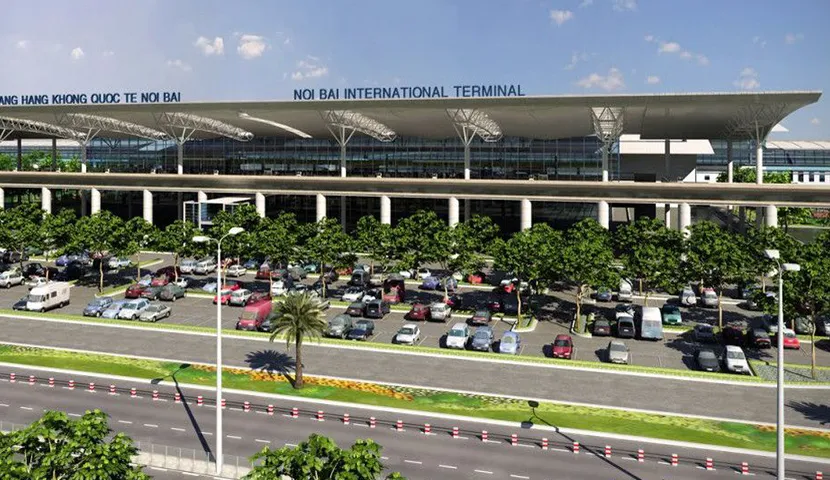
Airport Facilities: Noi Bai features two modern terminals—Terminal 1 (T1) serves domestic flights, while Terminal 2 (T2) handles all international arrivals and departures. Both terminals offer comprehensive facilities including currency exchange counters, ATMs dispensing Vietnamese Dong, SIM card vendors (Viettel, Vinaphone, Mobifone), tourist information desks, numerous dining options ranging from local Vietnamese to international cuisine, duty-free shopping, and free WiFi throughout. The airport is clean, efficient, and significantly less crowded than its southern counterpart.
Immigration Tips: During peak international arrival times (late evening and early morning), immigration queues can become lengthy, potentially adding 30-60 minutes to your airport exit time. To bypass the queues entirely and start your vacation without stress, consider our premium VIP Fast-Track Airport Service at Noi Bai. Our professional meet-and-greet service ensures you breeze through immigration, customs, and baggage claim in minutes rather than hours. Available 24/7 for both arrivals and departures, the service includes personalized assistance, priority lane access, luggage handling, and private lounge access where applicable. It's the perfect way to begin and end your trip with maximum comfort and minimum hassle—especially valuable after long international flights.
Want to learn more before booking? Read our comprehensive Vietnam Airport Fast-Track Guide for detailed information about service options, pricing, step-by-step process descriptions, real traveler experiences, and expert tips specifically for Noi Bai Airport.
Visa Requirements
Important: Most international visitors require a visa to enter Vietnam, including those arriving in Hanoi. Attempting to travel without proper visa documentation will result in being denied boarding at your departure airport or refused entry upon arrival. Don't risk your travel plans—secure your visa before you fly.
The easiest and most convenient option is to apply for a Vietnam e-Visa online. Our streamlined application process is designed for efficiency, taking just minutes to complete from anywhere in the world. You'll receive your approved e-Visa as a PDF document via email within 3 business days for standard processing, or significantly faster with our priority processing service. The e-Visa is valid for up to 90 days with options for single or multiple entries, providing perfect flexibility for most tourist trips, business visits, and extended Northern Vietnam exploration.
Country-specific information: Travelers from China can find detailed application instructions, requirements, and travel tips in our Vietnam visa guide for Chinese citizens, including information about land border crossings from Yunnan and Guangxi provinces.
Ensure approval success: Learn how to avoid common mistakes that lead to visa rejection. Our comprehensive guide covers photo requirements, passport validity, and more: Vietnam Visa Rejection: How to Avoid Common Mistakes.
Need your visa urgently? We understand that travel plans can change suddenly or be made at the last minute. That's why we offer expedited processing options including 1-day processing for urgent applications and even 4-hour emergency service for last-minute travelers. Our team works around the clock to ensure you receive your approved visa when you need it. Apply now with confidence and travel with peace of mind knowing your documentation is properly handled by visa experts.
Transportation from Airport to City Center
Several transportation options connect Noi Bai International Airport to downtown Hanoi. Your choice depends on budget, comfort preferences, luggage amount, and arrival time:
- Grab (Ride-Hailing App) - Most Recommended: The most popular and convenient option among both tourists and locals. Download the Grab app before your trip and add a payment method. GrabCar (private car) to the Old Quarter or French Quarter costs approximately 400,000-600,000 VND ($16-24 USD) and takes 45-60 minutes depending on traffic conditions. The fare is fixed when you book, eliminating haggling concerns. GrabBike (motorbike taxi) is cheaper at around 150,000-200,000 VND but only suitable if you have minimal luggage (backpack only). The driver's details, license plate, and route are tracked for safety. This is our top recommendation for most travelers.
- Official Airport Taxi: Legitimate taxi companies operate from designated stands inside both terminals. Look for Noi Bai Taxi (white cars), Mai Linh (green cars), or Taxi Group (yellow cars). Expect to pay 500,000-700,000 VND ($20-28 USD) to reach central Hanoi. Insist the driver uses the meter and ensure it starts at the base fare (around 15,000 VND). Airport taxis are metered and regulated, but some drivers may take longer routes—Grab provides more transparency. Taxi is good for groups of 3-4 people when the per-person cost becomes competitive.
- Airport Minibus (Route 86): The most budget-friendly public transport option. The Vietnam Airlines minibus connects both terminals to downtown Hanoi (ending at Vietnam Airlines office near Hoan Kiem Lake) for just 45,000 VND ($1.80 USD) per person. Buses run approximately every 30-40 minutes from early morning to late evening. Journey time is 60-90 minutes depending on traffic and number of stops. This option is economical but can be crowded and uncomfortable with large luggage. There's limited luggage space, and you may need to stand during peak times. Best for budget backpackers with small bags.
- Pre-Booked Private Transfer: Many hotels and tour companies offer airport pickup services. Prices typically range from $25-35 USD for a private car. Your driver will meet you at arrivals holding a name sign, assist with luggage, and drive directly to your hotel. This is the most hassle-free option, especially after long international flights, late-night arrivals, or if you're traveling with elderly family members or young children. The premium over Grab is small but provides extra peace of mind.
- Not Recommended: Avoid unofficial taxis or drivers who approach you inside the terminal offering cheap rides. These are almost always scams involving inflated prices, fake meters, or aggressive demands for payment. Some may even drive you to commission-paying hotels different from your booking. Stick with official services only.
Getting Around Hanoi
Once in Hanoi, you'll find the city relatively compact and navigable, though the constant motorbike traffic requires adaptation for most Western visitors:
- Grab App (Cars & Motorbikes): Remains the most convenient transportation method for tourists throughout your stay. GrabBike is incredibly cheap (typically 15,000-30,000 VND for Old Quarter trips) and fast, weaving through traffic. GrabCar costs more (40,000-80,000 VND for similar distances) but offers comfort and air conditioning. Both options are safe, trackable, and eliminate language barriers. Keep small bills (20,000 and 50,000 VND notes) for cash payment if your card doesn't work. Download the app and set up your account before arrival.
- Walking: The Old Quarter and French Quarter are highly walkable, and exploring on foot is the best way to discover hidden temples, street food vendors, and architectural details. However, crossing streets requires courage and technique—walk slowly and predictably so motorbikes can navigate around you. Never stop suddenly in the middle of the road. Many streets lack proper sidewalks (they're occupied by parked motorbikes and plastic stools), so you'll often walk in the street. Comfortable, broken-in walking shoes are essential. The city is relatively flat, making walking less strenuous than many other Asian capitals.
- Cyclo (Bicycle Rickshaw): Traditional three-wheeled cycle rickshaws offer a nostalgic and leisurely way to tour the Old Quarter. You sit in front while the driver pedals behind you, providing unobstructed views perfect for photography. Negotiate the price firmly before starting (typical rates: 50,000-100,000 VND per hour or 200,000-300,000 VND for a 2-hour tour). Clarify whether the price is per person or per cyclo. Evening cyclo rides are particularly atmospheric. This is a tourist experience rather than practical transport, but it's fun and supports traditional livelihoods.
- Motorbike Rental: Only recommended for experienced motorbike riders comfortable with chaotic Asian traffic. Hanoi's roads are hectic, with seemingly no rules followed. Rental shops are everywhere (around 100,000-150,000 VND per day), but accidents are common among tourists. You'll need your passport as deposit (or a photocopy) and should verify the bike's condition before leaving. Make sure you have travel insurance that covers motorbike accidents. Most tourists are better served by Grab services.
- Bicycle: A pleasant option for exploring the West Lake area, where there's a dedicated cycling path around the lake (approximately 17km circumference). Many hotels and hostels offer free bicycle rentals. Cycling in the Old Quarter is not recommended due to dense traffic. Some tour companies offer guided bicycle tours of the city and surrounding countryside—an excellent way to experience local life safely.
- Public Bus: Hanoi has an extensive and cheap public bus system (7,000 VND per ride), but it's challenging for tourists. Routes are complex, announcements are in Vietnamese only, and buses are often crowded during peak hours. Unless you're particularly adventurous or staying long-term, stick with Grab for better value of time and stress.
Top Attractions by Area
Hanoi's attractions are best explored by neighborhood, each offering distinct character, historical significance, and cultural experiences. Allow yourself time to wander and discover—some of the city's greatest pleasures are found while getting pleasantly lost in the ancient streets.
Old Quarter
The beating heart of Hanoi, where ancient traditions and commercial energy create an intoxicating urban experience. This maze of narrow streets dates back centuries, each lane historically dedicated to specific trades that have evolved but never entirely disappeared.
Hoan Kiem Lake & Ngoc Son Temple
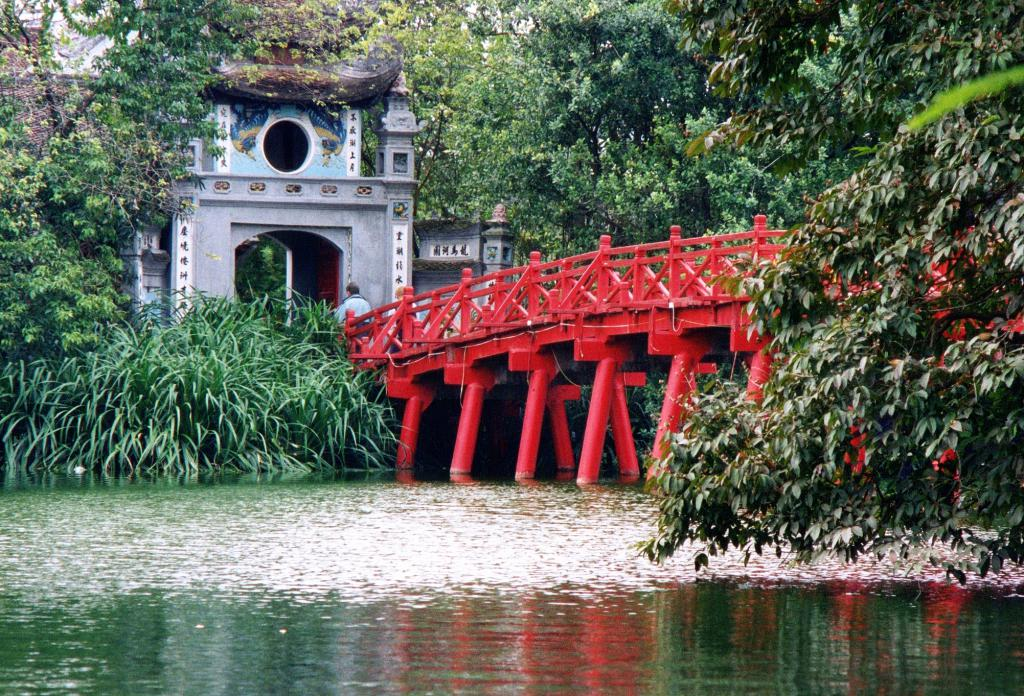
The soul of Hanoi, Hoan Kiem Lake (Lake of the Restored Sword) is steeped in legend and serves as the city's central gathering place. According to legend, Emperor Le Loi received a magical sword from the Golden Turtle God living in the lake, which helped him defeat Chinese invaders in the 15th century. After victory, a giant turtle surfaced and reclaimed the sword—hence the lake's name. While swimming is forbidden, the lake draws locals and tourists throughout the day for various activities.
Visit at dawn (5:00-7:00 AM) to witness hundreds of locals practicing tai chi, jogging, badminton, and traditional exercises—a genuinely authentic cultural experience. The lakeside path is peaceful before the motorbike chaos begins. Evening strolls (after 6:00 PM) offer a different atmosphere as the lake is illuminated and couples, families, and friends gather to enjoy the cooler temperatures.
The picturesque red wooden Huc Bridge (The Morning Sunlight Bridge) connects to Ngoc Son Temple (Temple of the Jade Mountain) on a small island. The temple, built in the 18th century, is dedicated to various Vietnamese heroes and scholars. Entry costs 30,000 VND and provides a peaceful sanctuary from the surrounding urban energy. Inside, you'll find a preserved specimen of a large turtle said to be from the lake, intricate calligraphy, and locals praying and burning incense. The views from the temple back across the lake are excellent for photography.
36 Ancient Streets (Old Quarter)
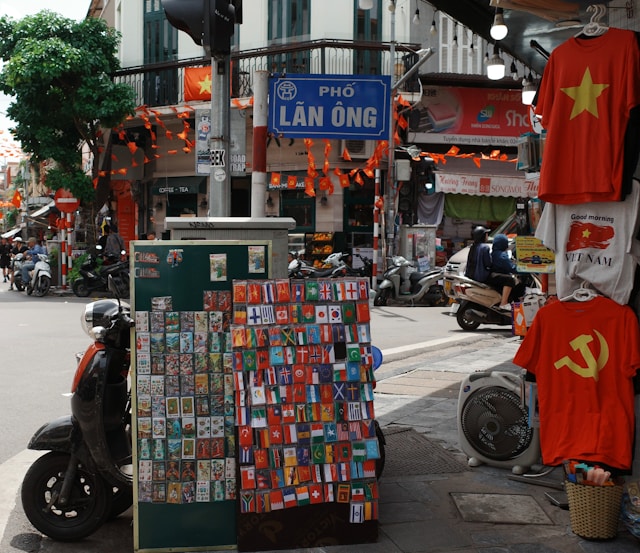
The Old Quarter's 36 streets (actually more than 36 now) each bore names reflecting the goods and crafts historically sold there, a system dating back to the 13th century. Streets like Hang Gai (Silk Street), Hang Bac (Silver Street), Hang Ma (Paper Products Street), and Hang Dao (Silk/Clothing Street) still partially reflect their original purposes, though commerce has evolved considerably.
Wandering these narrow lanes reveals the unique "tube house" architecture—buildings stretching deep but with narrow street-facing facades. This design emerged from historical taxes based on street frontage width. Many buildings are four to five stories tall but only 3-4 meters wide, creating a distinctive urban canyon effect.
The streets are perpetually alive with activity: motorbikes weaving through impossibly narrow gaps, street vendors balancing bamboo poles with goods suspended from each end, tiny shops spilling their wares onto sidewalks, and locals perched on plastic stools eating pho or drinking bia hoi. The cacophony of honking horns, vendor calls, and clanging cookware creates a sensory overload that somehow becomes charming after the initial shock subsides.
Best explored: Early morning (6:00-8:00 AM) for street food breakfast and calmer streets, or late afternoon/evening (4:00-7:00 PM) when shops are bustling and the energy peaks. Each street has different character—explore randomly and allow yourself to get lost; it's part of the experience.
Weekend Night Market
Every Friday, Saturday, and Sunday evening, a large section of the Old Quarter transforms into a pedestrian-only night market running from around 7:00 PM to 11:00 PM. The market stretches from Hang Dao Street near Hoan Kiem Lake north to Dong Xuan Market, covering multiple blocks closed to vehicle traffic.
The atmosphere is festive and family-friendly, with locals and tourists mingling among hundreds of stalls selling clothing, handicrafts, souvenirs, toys, accessories, and various goods. Street food vendors offer everything from grilled meats to fresh fruit, bubble tea to local snacks. Live music and street performances add entertainment value throughout the market area.
While product prices are generally tourist-oriented and bargaining is expected (start at 50-60% of the asking price), the real appeal is the vibrant atmosphere and people-watching opportunity. Bring cash in small denominations, keep valuables secure in front pockets or cross-body bags, and arrive early (before 8:00 PM) if you want to actually shop rather than just shuffle along with the crowds.
Ta Hien Street (Beer Street)
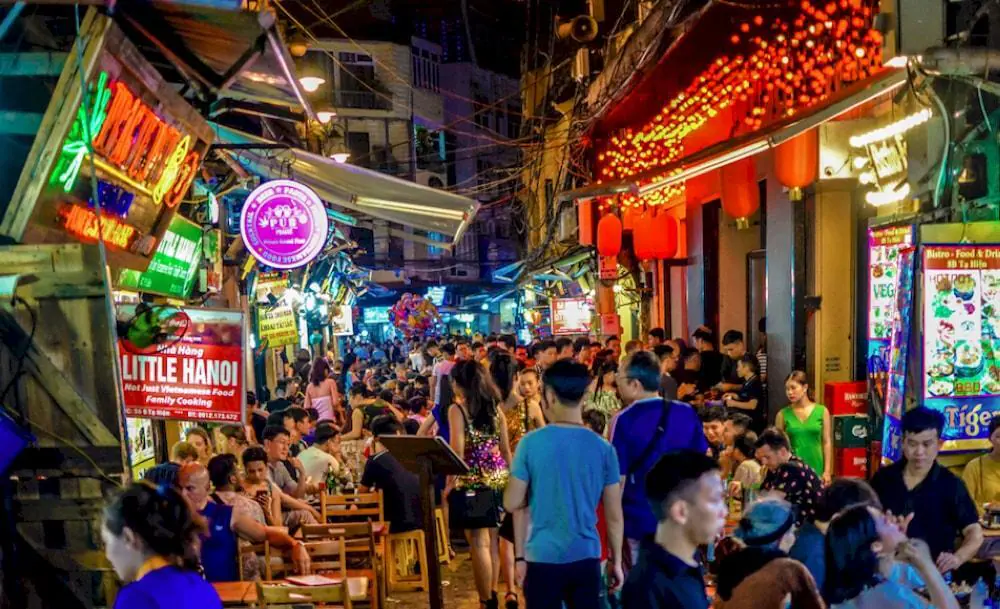
The epicenter of Hanoi's backpacker scene, Ta Hien Street and the surrounding lanes (particularly the intersection of Ta Hien and Luong Ngoc Quyen streets) transform each evening into a raucous outdoor beer hall. Hundreds of tourists and locals sit on tiny plastic stools that spill out from bars onto the street, drinking bia hoi (fresh draft beer) for roughly 5,000-10,000 VND (20-40 cents USD) per glass.
Bia hoi is brewed daily without preservatives, resulting in very low alcohol content (around 3%) and requiring immediate consumption. The beer is light, refreshing, and perfect for Vietnam's climate. While the quality won't impress craft beer enthusiasts, the social atmosphere and unbeatable prices make this a quintessential Hanoi experience.
Beyond beer, the area offers numerous restaurants serving Vietnamese and international food, with aggressive touts trying to lure you inside. The vibe is energetic, somewhat chaotic, and thoroughly entertaining for people-watching. Best visited in the evening (6:00-10:00 PM) when the crowd energy peaks. Expect noise, crowds, and a party atmosphere—this isn't the place for intimate conversations or refined dining.
Train Street
One of Hanoi's most photographed and controversial attractions, Train Street refers to several narrow residential lanes where active railway tracks run mere inches from house facades. Residents have adapted their lives around the trains that pass through twice daily (schedules vary, typically around 3:30 PM and 7:30 PM, but verify current times).
Numerous cafes have opened along the tracks, allowing visitors to sit literally on the railway line, sipping Vietnamese coffee while waiting for trains to pass. When the horn sounds, cafe owners quickly move furniture and customers press against the walls as trains rumble past at close proximity—an admittedly thrilling experience.
Important note: Authorities periodically crack down on Train Street due to safety concerns, sometimes closing cafes or blocking tourist access. The situation fluctuates between open and closed. Even when accessible, be extremely safety-conscious—trains are real, fast, and dangerous. Follow cafe owner instructions precisely when trains approach. The experience has become quite touristy and somewhat loses authenticity due to crowds, but it remains a unique Hanoi phenomenon worth seeing if accessible during your visit.
Dong Xuan Market
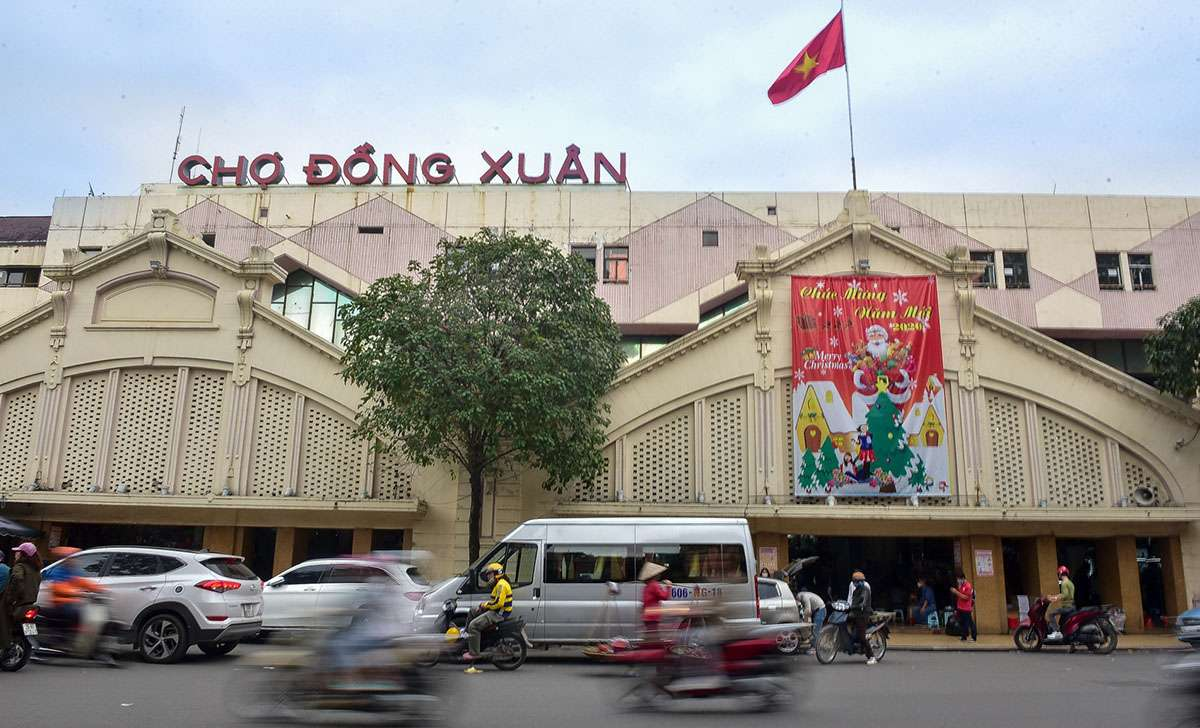
Hanoi's largest covered market, Dong Xuan Market occupies a massive four-story building at the northern end of the Old Quarter. Originally built in 1889 and rebuilt after a devastating 1994 fire, this wholesale market primarily serves local businesses but welcomes curious tourists seeking authentic Vietnamese commerce.
The first floor focuses on clothing, textiles, fabrics, and accessories—mostly wholesale quantities but individual purchases are possible with bargaining. The second floor continues with more fashion and household goods. The third floor offers electronics, toys, and various consumer products. The fourth floor features food stalls and small restaurants serving inexpensive local food—a great lunch spot if you want truly local cuisine away from tourist prices.
Prices here are lower than tourist-oriented shops, but you must bargain actively (start at 50% of the asking price). The atmosphere is authentic, crowded, and somewhat overwhelming with narrow aisles packed with goods. English is limited, so communication can be challenging. Watch your belongings carefully in crowded sections. Visit in the morning (8:00-11:00 AM) when the market is busiest with wholesale buyers and the energy is highest.
French Quarter
Colonial elegance meets Vietnamese charm in Hanoi's French Quarter, where wide, tree-lined boulevards showcase the architectural legacy of French Indochina. This area provides a stark contrast to the Old Quarter's chaos, offering refined aesthetics and cultural sophistication.
Hanoi Opera House
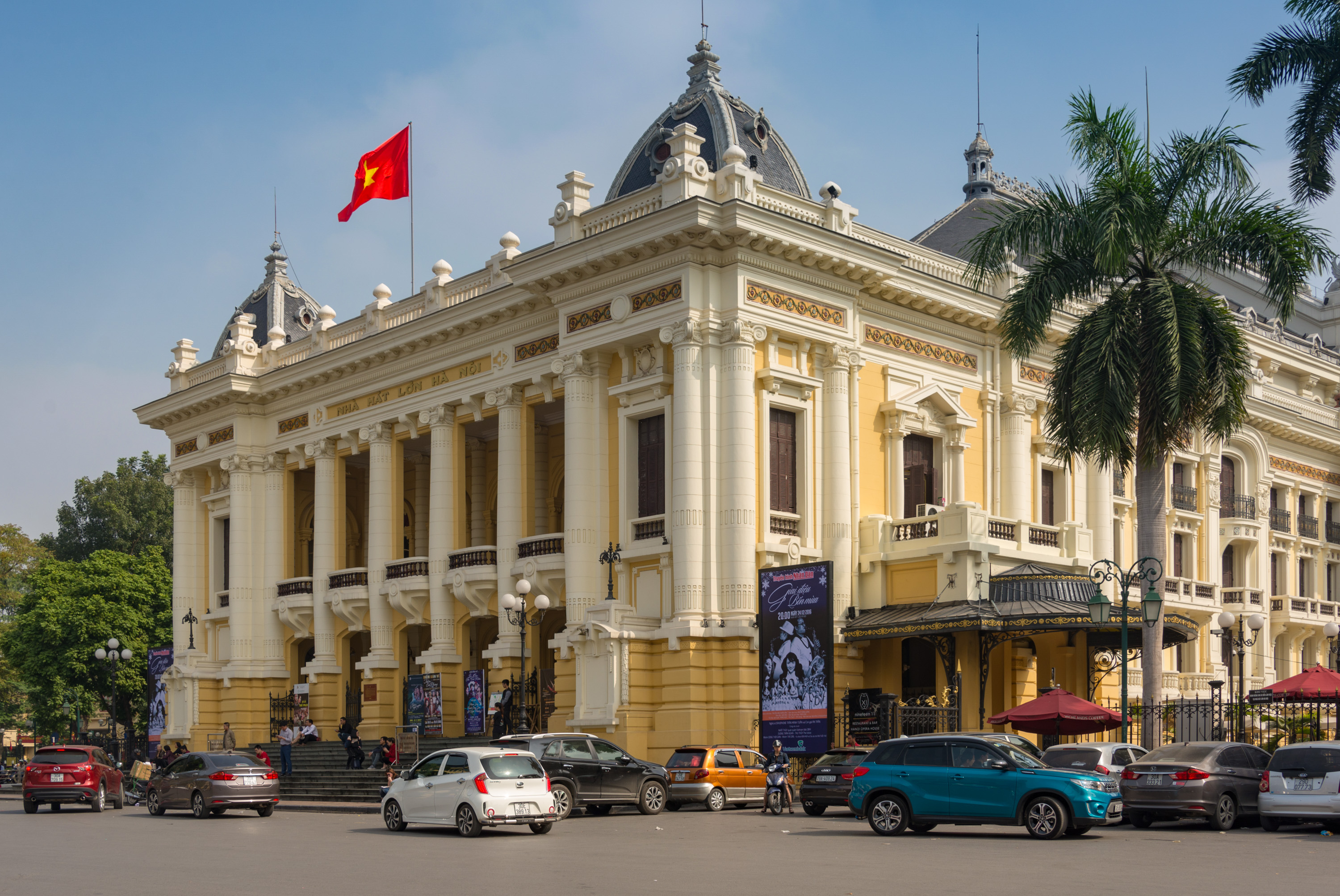
One of Hanoi's architectural crown jewels, the Hanoi Opera House was completed in 1911 and modeled after the Palais Garnier in Paris. The stunning French colonial building features neoclassical architecture with ornate details, grand columns, and beautiful proportions that command attention on Trang Tien Street.
While interior access is generally restricted to ticket holders for performances, the exterior alone justifies a visit for photography and architectural appreciation. The building is beautifully illuminated in the evening, creating romantic photo opportunities. The surrounding plaza and fountain area are pleasant for a rest during city walks.
If you have the opportunity, attending a performance inside is highly rewarding. The Opera House hosts various cultural events including ballet, opera, traditional Vietnamese music, and contemporary performances. Check the schedule in advance and book tickets online if interested—it's a special way to experience both the building's interior grandeur and Vietnam's performing arts scene.
St. Joseph's Cathedral
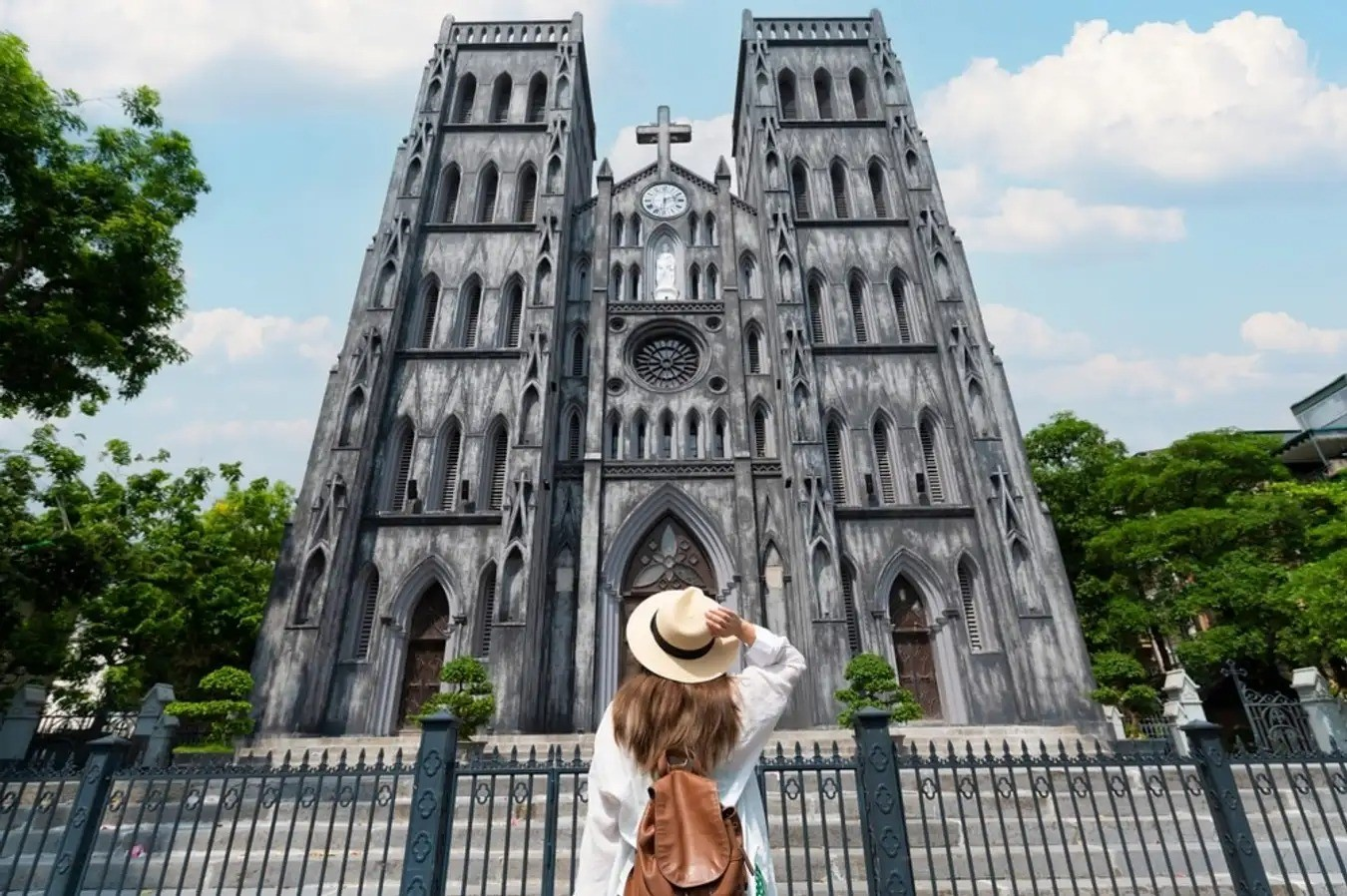
Built in 1886, St. Joseph's Cathedral is Hanoi's principal Catholic cathedral and one of the oldest churches in Vietnam. The neo-Gothic architecture deliberately echoes Notre-Dame de Paris, featuring twin bell towers, pointed arches, and stained glass windows—a striking European presence in the heart of Southeast Asia.
The cathedral's weathered gray facade adds character and historical authenticity. The building underwent extensive restoration in the 1990s, preserving its architectural integrity while modernizing structural elements. The interior features high vaulted ceilings, religious artwork, and a serene atmosphere that provides welcome respite from the bustling streets outside.
The cathedral is generally open for visits outside of mass times, though access to the main sanctuary may be restricted. Check the gate—if it's open, respectfully enter (dress modestly with covered shoulders and knees). The front plaza is a popular meeting spot for locals and tourists, with numerous cafes in the surrounding lanes. Visit early morning or late afternoon for the best lighting for photography. Christmas and Easter services attract large crowds and feature beautiful decorations.
Hoa Lo Prison Museum
Grimly nicknamed the "Hanoi Hilton" by American POWs during the Vietnam War, Hoa Lo Prison was originally built by French colonizers in 1896 to incarcerate Vietnamese political prisoners fighting for independence. The prison's history encompasses both French colonial oppression and American POW detention, making it a significant but sobering historical site.
The museum focuses primarily on the French colonial period, displaying the harsh conditions Vietnamese revolutionaries endured: cramped cells, leg irons, guillotine, and various instruments of punishment. The exhibits effectively convey the brutality of colonial imprisonment and the prisoners' resilience and revolutionary spirit.
A smaller section addresses the Vietnam War era when American pilots shot down over North Vietnam were imprisoned here. This portion presents a distinctly Vietnamese perspective, showing POWs playing basketball, celebrating Christmas, and receiving medical care—a narrative American veterans have disputed as propaganda that ignores torture and abuse. The contrasting perspectives make this museum thought-provoking regarding how history is presented and remembered.
Entry costs 30,000 VND. Allow 1-2 hours to fully explore the exhibits and read the information panels (mostly in Vietnamese with English translations). The experience is sobering and educational rather than entertaining. Photography is permitted. This is an important stop for anyone interested in Vietnam's complex 20th-century history.
Ba Dinh District
The political and ceremonial heart of Vietnam, Ba Dinh District houses the nation's most significant governmental buildings, monuments, and cultural institutions. This area is more spacious and formal than the Old Quarter, with wide boulevards, green spaces, and an atmosphere of national importance.
Ho Chi Minh Mausoleum
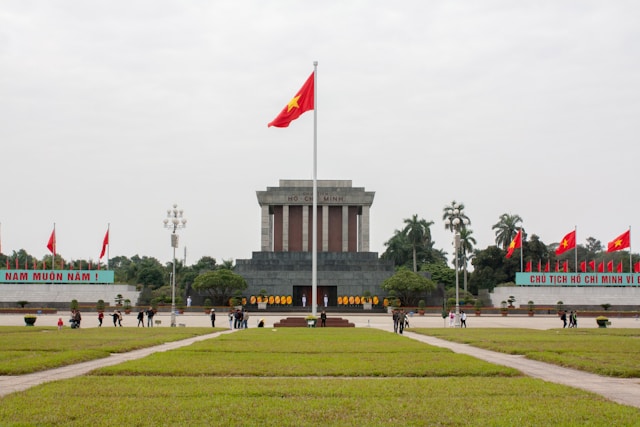
The imposing gray concrete mausoleum houses the embalmed body of Ho Chi Minh, Vietnam's revered revolutionary leader and founding father. The massive structure, completed in 1975 (one year after Ho's death), stands in stark Soviet-style architecture on Ba Dinh Square, where Ho Chi Minh declared Vietnam's independence on September 2, 1945.
Visiting the mausoleum is a solemn, highly regulated experience that requires respectful adherence to strict protocols. Dress code: No shorts, short skirts, sleeveless tops, or revealing clothing. Covered shoulders and knees are mandatory—authorities will turn away inappropriately dressed visitors without exception. Behavior: Maintain absolute silence, no talking whatsoever. Keep hands visible and out of pockets. Remove hats and sunglasses. No photography inside the mausoleum building. Walk slowly in single file—guards strictly enforce these rules.
Operating hours: Tuesday, Wednesday, Thursday, Saturday, and Sunday from 8:00 AM to 11:00 AM only. Closed Monday and Friday. Additionally, the mausoleum closes for approximately 3 months (typically October to November) each year when Ho Chi Minh's body is sent to Russia for preservation maintenance—verify before planning your visit during autumn.
Arrive early, ideally by 7:30 AM, as queues form quickly and the site closes promptly at 11:00 AM regardless of remaining queues. Large bags and cameras must be checked at the entrance (small fee). Security is tight with metal detectors and bag searches. The entire viewing lasts only 2-3 minutes as guards keep the line moving. You'll file past Ho Chi Minh's glass casket where his preserved body rests, guarded by motionless military sentries in crisp white uniforms.
The experience is surreal, historically significant, and provides insight into the profound reverence Vietnamese people hold for "Uncle Ho." Even if you're not particularly interested in political history, the cultural experience and the disciplined ceremony are remarkable. Entry is free, adding to the site's accessibility and national importance.
Ho Chi Minh's Stilt House & Presidential Palace
Within the same compound as the mausoleum, you'll find Ho Chi Minh's actual residence—a simple wooden stilt house built in 1958 where he lived and worked until his death in 1969. The modest two-room structure reflects Ho's famously austere lifestyle and his identification with rural Vietnamese people who traditionally lived in similar stilted houses.
The contrast between this humble dwelling and the adjacent French colonial Presidential Palace (where Ho refused to live, using it only for receiving foreign dignitaries) powerfully illustrates his rejection of colonial grandeur and connection to ordinary Vietnamese. The stilt house sits on pillars above a fish pond, surrounded by peaceful gardens—a serene setting that feels worlds away from the mausoleum's formality.
The Presidential Palace itself is a beautiful example of colonial architecture painted in distinctive mustard yellow, though interior access is generally not permitted. You can photograph the exterior and explore the landscaped grounds, which include century-old mango trees that provided fruit for Ho Chi Minh.
Entry tickets for this area are typically combined with the mausoleum complex. Allow 30-45 minutes to explore the grounds, visit the stilt house, and appreciate the gardens. The site provides valuable context for understanding Ho Chi Minh as a person beyond his revolutionary leader status.
One Pillar Pagoda
One of Hanoi's most iconic and photographed structures, the One Pillar Pagoda (Chua Mot Cot) is an architectural curiosity with deep Buddhist significance. Built in 1049 during the Ly Dynasty, the small temple structure rests atop a single stone pillar rising from a square lotus pond, designed to resemble a lotus blossom emerging from the water—a powerful Buddhist symbol of purity and enlightenment.
According to legend, Emperor Ly Thai Tong, childless and aging, dreamed that Bodhisattva Avalokitesvara appeared sitting on a lotus flower and handed him a baby boy. Shortly afterward, the emperor married a young peasant girl who bore him a son. In gratitude, he constructed this pagoda to honor the bodhisattva.
The current structure is a reconstruction—French forces destroyed the original in 1954 during their withdrawal from Vietnam. Despite its modest size (the building is quite small, just a few meters across), the pagoda's unique architecture and historical significance make it a worthwhile quick stop. The site is located within walking distance of the Ho Chi Minh complex, making it easy to combine into a Ba Dinh District morning.
You can walk around the pond for different viewing angles. Entry is free. The pagoda remains an active place of worship, so visitors should be respectful. This is primarily a photo opportunity and quick cultural stop rather than an extended visit—10-15 minutes is sufficient.
Temple of Literature (Van Mieu - Quoc Tu Giam)
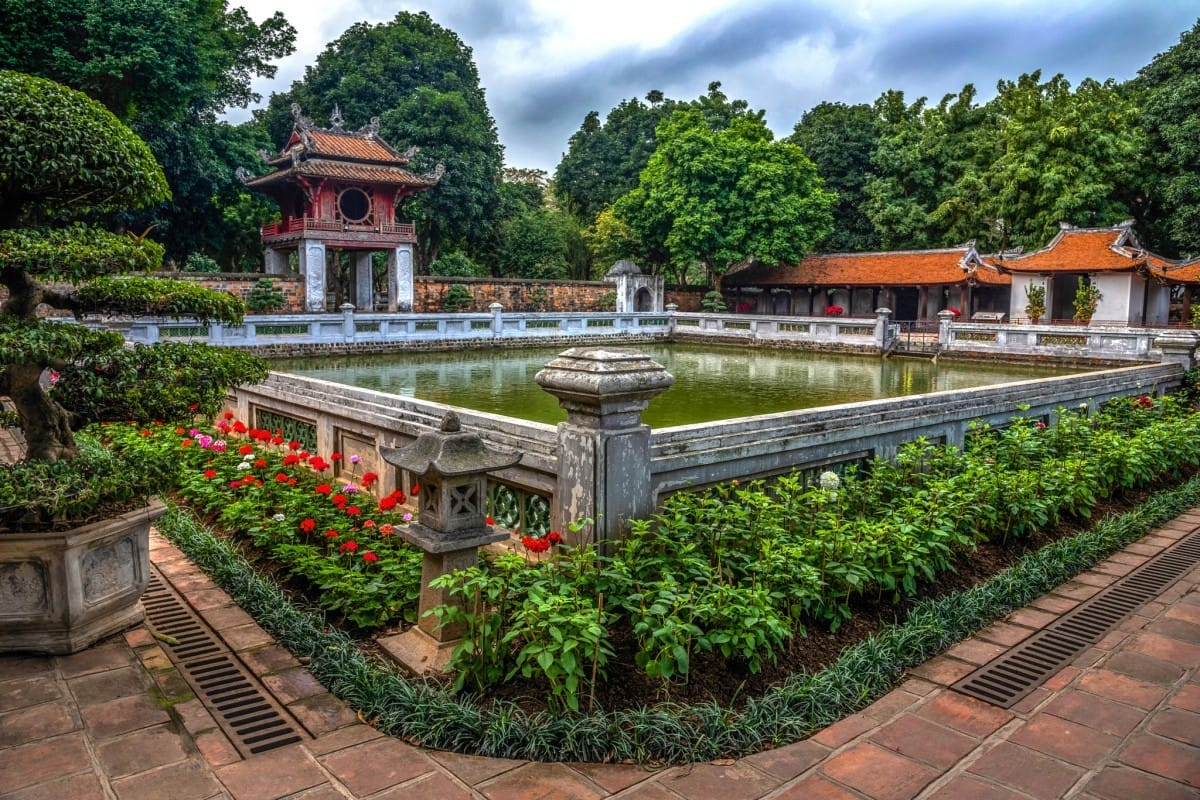
Vietnam's first national university, established in 1070, the Temple of Literature stands as one of Hanoi's most important cultural and historical sites. Originally built to educate sons of mandarins and nobility in Confucian principles, the institution later expanded to admit exceptionally talented commoners, producing scholars and administrators for nearly 700 years until 1779.
The temple complex is a masterpiece of traditional Vietnamese architecture and garden design, consisting of five courtyards connected by pathways, each space serving specific educational and ceremonial functions. The careful symmetry and peaceful atmosphere offer welcome respite from Hanoi's urban chaos—entering feels like stepping back centuries.
The complex's most treasured features are 82 stone steles (grave markers) mounted on the backs of stone turtles (symbols of longevity and wisdom). Each stele is inscribed with the names and brief biographies of doctoral graduates from examinations held between 1442 and 1779—Vietnam's most prestigious academic achievement. These steles were designated UNESCO World Heritage Documents in 2010, recognizing their historical and cultural significance.
Throughout the five courtyards, you'll discover beautiful pavilions, altars dedicated to Confucius and his disciples, the Great House of Ceremonies, and lush gardens with ancient trees. The fourth courtyard houses the actual examination halls where scholars once sat for grueling multi-day tests. Interpretive signs in English explain the history and significance of each area.
The temple frequently hosts traditional music performances (included with entry, check schedule upon arrival) and calligraphy demonstrations, adding cultural depth to your visit. Students preparing for exams often come here seeking blessing and inspiration—touching the turtle steles is believed to bring academic success.
Entry costs 30,000 VND. Allow 1-2 hours to properly explore and absorb the peaceful atmosphere. Visit early morning (8:00-9:00 AM) or late afternoon (after 3:00 PM) to avoid tour group crowds and heat. The site is beautifully maintained with shaded walkways making it pleasant even in summer. This is essential for anyone interested in Vietnamese culture, Confucian influence, or educational history.
Imperial Citadel of Thang Long
A UNESCO World Heritage Site since 2010, the Imperial Citadel of Thang Long represents over 1,000 years of Vietnamese history at the political center of the nation. The site served as the imperial capital under multiple dynasties from the 11th to 19th centuries, and later housed the North Vietnamese military command during the Vietnam War.
Much of the citadel was damaged or destroyed over centuries of warfare and urban development, but archaeological excavations have revealed fascinating layers of history. Visible remains include the Doan Mon (South Gate), the Dragon Staircase, various pavilions, and underground bunkers from the war era.
The site functions more as an archaeological park and museum than a preserved palace complex. Exhibitions display artifacts excavated from the site, including ceramics, tools, jewelry, and architectural fragments spanning multiple dynasties. The underground operations center used during the American War (Vietnam War) is particularly compelling, with preserved communications equipment and military maps.
Entry is 30,000 VND. The site is large and can require 1-2 hours to thoroughly explore. While less visually impressive than fully preserved monuments, history enthusiasts will find the archaeological significance and layered historical narrative fascinating. The site is less crowded than other Ba Dinh attractions, offering a more contemplative experience.
West Lake Area (Tay Ho)
Hanoi's largest lake and trendy residential district, West Lake offers a refreshing change of pace from the intensity of the Old Quarter. The area has become the favored neighborhood for expatriates, wealthy Vietnamese, and long-term visitors seeking a more spacious, tranquil urban environment.
Tran Quoc Pagoda
The oldest pagoda in Hanoi, Tran Quoc Pagoda dates to the 6th century, making it approximately 1,500 years old. The temple sits on a small peninsula jutting into West Lake, connected to the shore by a narrow causeway—a stunningly picturesque location that has made it one of Hanoi's most photographed religious sites.
The pagoda's centerpiece is an eleven-story stupa (tall tower) built in the 15th century to house sacred Buddhist relics. The bright red structure, surrounded by frangipani trees and manicured gardens, creates a serene atmosphere perfect for contemplation and photography. The site remains an active place of worship with monks residing on the premises and local Buddhists coming to pray and make offerings.
The best time to visit is sunset (around 5:00-6:00 PM depending on season) when the golden hour light illuminates the pagoda and reflects beautifully on the lake. Early morning (7:00-8:00 AM) also offers peaceful energy with fewer tourists and the chance to observe morning prayers and rituals.
Entry is free, though donations are welcome. Dress respectfully (covered shoulders and knees). Remove shoes before entering temple buildings. The site is relatively compact—30-45 minutes is sufficient to explore, take photos, and enjoy the tranquil atmosphere. The nearby lakeside promenade offers cafes and restaurants for extending your West Lake experience.
West Lake Promenade
A 17-kilometer path circumnavigates West Lake, offering cycling, jogging, and walking opportunities away from Hanoi's traffic chaos. While the entire loop takes 2-3 hours by bicycle, most visitors explore shorter sections, particularly the eastern shore near Tran Quoc Pagoda where development has created an attractive waterfront area.
The promenade is lined with upscale cafes, international restaurants, boutique hotels, and luxury apartments catering to the expat community. This area offers a glimpse of modern, prosperous Hanoi—a stark contrast to the Old Quarter's traditional chaos. Lakeside cafes serve excellent Vietnamese coffee, fresh juices, Western breakfast options, and are popular for laptop work among digital nomads.
Many hotels and hostels offer free bicycle rentals for guests. If you're staying near West Lake, an early morning or late afternoon bike ride around the lake (or portions of it) provides excellent exercise and a refreshing perspective on Hanoi. The sunsets over the lake are particularly beautiful.
The area also features flower gardens, small temples, and waterfront parks where locals practice tai chi, fly kites, and exercise. It's an excellent location for observing everyday Vietnamese life in a more spacious, modern context compared to the cramped Old Quarter.
Food & Dining
Hanoi rightfully claims the title of Vietnam's culinary capital, where food culture runs deeper than anywhere else in the country. Northern Vietnamese cuisine is characterized by subtler flavors compared to the south, with less sugar, fewer tropical fruits, and a greater emphasis on herbs, black pepper, and delicate balances. Eating in Hanoi is not merely sustenance—it's a cultural experience that reveals the soul of the city and its people.
Must-Try Hanoi Dishes
Pho (Phở)
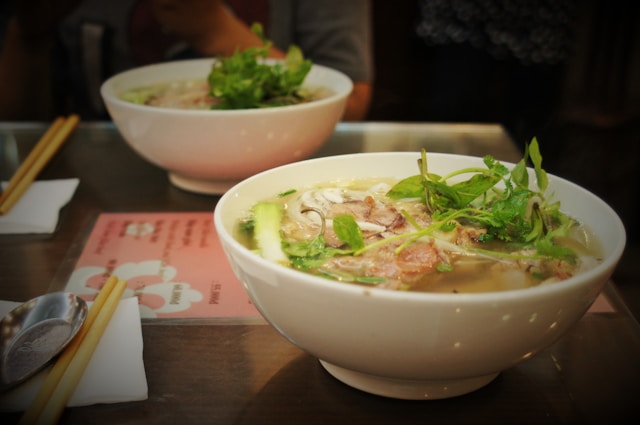
Hanoi is the birthplace of Vietnam's most iconic dish, and locals take their pho seriously with pride bordering on reverence. Hanoi-style pho is notably different from southern variations: the broth is clearer and more delicate, flavored primarily with beef bones, charred ginger, and onion, allowing the meat's natural flavors to shine. Southern pho tends toward sweeter, more heavily spiced broths with additional herbs and bean sprouts—ingredients that purists in Hanoi consider unnecessary additions.
Traditional Hanoi pho comes in two primary versions: Pho Bo (beef pho) served with thinly sliced beef, sometimes raw and cooked by the hot broth, and Pho Ga (chicken pho) featuring tender poached chicken. The accompaniments are minimal: fresh herbs (typically Thai basil and cilantro), lime wedges, and sliced chili. Fish sauce and chili sauce are available, though authentic pho requires little embellishment—the broth itself should be the star.
Pho is traditionally eaten for breakfast, and the best shops open early (6:00-7:00 AM) and often sell out by midday. While many places now serve pho all day for tourists, morning remains the authentic time to experience this dish alongside locals starting their day. Slurping noodles is not only acceptable but encouraged—it cools the hot noodles and shows appreciation for the food.
Famous pho restaurants in Hanoi:
- Pho Gia Truyen (49 Bat Dan): Perhaps Hanoi's most famous pho shop, serving pho since the 1950s with the same family recipe. Expect queues, tiny plastic stools, and absolutely delicious beef pho (only beef is served). No English menu, just order "pho" and enjoy. Around 60,000 VND ($2.50).
- Pho Thin (13 Lo Duc): Known for a unique style where beef is stir-fried before being added to the broth, creating richer, more caramelized flavors. Controversial among purists but beloved by many. Small shop, expect to share tables. Around 60,000 VND.
- Pho Bat Dan (49 Bat Dan, near Pho Gia Truyen): Another excellent Old Quarter option with lighter, more traditional broth. Often recommended as the best pho ga (chicken pho) in Hanoi. 40,000-60,000 VND.
Bun Cha
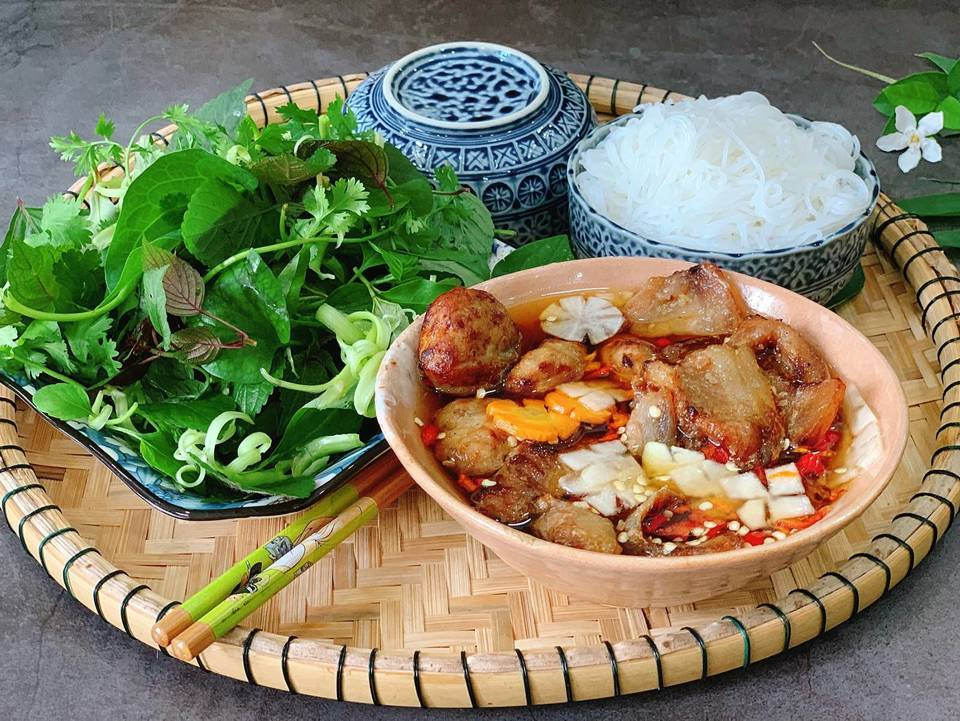
If pho is Hanoi's breakfast king, bun cha rules lunch. This quintessentially Hanoian dish gained international fame in 2016 when President Barack Obama and Anthony Bourdain shared a meal at a humble local restaurant, bringing global attention to this already beloved street food.
Bun cha consists of three components: charcoal-grilled pork patties (cha) and pork belly slices (nem), fresh white rice vermicelli noodles (bun), and a bowl of sweet-sour fish sauce-based dipping broth (nuoc cham) with pickled vegetables. The magic lies in the perfect balance—smoky grilled pork combined with cool noodles and herbs, all dipped in the tangy-sweet broth. Fresh herbs (perilla, lettuce, coriander), spring rolls (nem ran), and sometimes papaya salad accompany the dish.
The preparation is theatrical: vendors grill the pork over charcoal braziers on the sidewalk, creating enticing smoke and aroma that draws customers. The char on the meat is essential for authentic flavor. Eat bun cha by taking rice noodles with your chopsticks, adding herbs and a piece of grilled pork, then dipping everything in the broth before bringing it to your mouth.
Famous bun cha restaurants:
- Bun Cha Huong Lien (24 Le Van Huu): The "Obama Bun Cha" restaurant that became instantly famous after the presidential visit. They've preserved his table with glass protection and photos. The bun cha is genuinely excellent, not just tourist hype, though prices are slightly higher (80,000 VND vs 50,000-60,000 VND elsewhere) and it's always crowded with photo-seekers.
- Bun Cha Dac Kim (1 Hang Manh): Many locals argue this is actually the best bun cha in Hanoi, offering superior flavor at lower prices without the tourist circus. Small street-side location, peak lunch crowds. Around 50,000 VND.
- Bun Cha 34 (34 Hang Than): Less famous but consistently delicious with excellent grilled pork and generous portions. Frequented mostly by locals. Around 50,000 VND.
Bun Thang
A refined and labor-intensive dish that showcases Hanoi's sophisticated culinary traditions, bun thang is delicate chicken noodle soup garnished with shredded chicken, thinly sliced Vietnamese pork sausage (gio lua), shrimp, ribbons of egg omelet, fresh herbs, and sometimes dried shrimp. The clear, subtle broth is made from chicken and pork bones, simmered for hours to achieve perfect clarity and depth.
Bun thang's appeal lies in its elegance rather than bold flavors—each ingredient is carefully prepared and arranged to create visual beauty alongside taste. The dish originated in Hanoi's royal kitchens, and the meticulous preparation reflects this aristocratic heritage. It's considered appropriate for special occasions and is traditionally eaten during Tet (Lunar New Year).
For an authentic bun thang experience and to discover the best restaurants serving this Hanoi specialty, read our comprehensive guide to the top 5 bun thang restaurants in Hanoi, featuring detailed reviews, locations, pricing, and insider tips for enjoying this refined dish.
Cha Ca La Vong
This turmeric-marinated fish dish cooked tableside is so famous that an entire street (Cha Ca Street) is named after it. The dish features chunks of white fish (traditionally snakehead fish or catfish) marinated in turmeric, galangal, and fish sauce, then grilled and brought sizzling to your table in a pan with dill, spring onions, and peanuts.
You cook the fish at your table over a small burner, stirring in the dill and herbs as it continues cooking. The dish is served with rice vermicelli, shrimp paste (mam tom—very pungent, use sparingly at first!), fresh herbs, and crispy rice crackers. The combination of turmeric-flavored fish with abundant fresh dill creates a unique taste that's distinctively Northern Vietnamese.
Cha Ca La Vong Restaurant (14 Cha Ca Street): The original restaurant, established in 1871, still serves this dish using the founding family's recipe. The restaurant is expensive by Hanoi standards (around 150,000-200,000 VND per person) and has become quite touristy, but it remains a cultural experience. Service can be brusque. Many other restaurants now serve cha ca at lower prices with comparable quality—ask your hotel for local recommendations.
Banh Cuon
Delicate steamed rice rolls filled with minced pork, wood ear mushrooms, and shallots, served with fried shallots, fresh herbs, Vietnamese pork sausage (cha lua), and a fish sauce-based dipping sauce. The rice sheets are incredibly thin and silky, requiring significant skill to make properly. Watching banh cuon being made is mesmerizing—vendors spread rice batter on a cloth stretched over boiling water, creating thin sheets that cook in seconds before being filled and rolled.
This is traditionally a breakfast dish, though available throughout the day at specialized shops. The best banh cuon is served fresh and warm, not refrigerated. Banh Cuon Gia Truyen (14 Hang Ga Street)is famous for authentic banh cuon served in an atmospheric old house. Around 30,000-40,000 VND.
Hanoi's Iconic Beverages
Egg Coffee (Ca Phe Trung)
One of Hanoi's most unique culinary innovations, egg coffee was invented in the 1940s by Nguyen Van Giang at the Sofitel Legend Metropole Hotel when milk was scarce. He substituted egg yolk whipped with sugar and condensed milk to create a rich, creamy topping for Vietnamese coffee. The result is a dessert-like beverage with a thick, custardy foam floating on robust coffee—simultaneously strange and delicious.
The proper technique for drinking egg coffee involves first tasting the egg foam alone to appreciate its texture, then stirring it into the coffee to create a unified drink. The sweetness balances the coffee's bitterness perfectly. Best enjoyed in the afternoon as a treat rather than morning caffeine—it's quite rich and filling.
Famous egg coffee cafes:
- Giang Cafe (39 Nguyen Huu Huan): The original inventor's family still runs this cafe, now managed by his son. Hidden on the second floor of an unmarked building (look for the small sign and stairs), it's wonderfully authentic with old photos and a no-nonsense atmosphere. Around 35,000 VND.
- Cafe Dinh (13 Dinh Tien Hoang): Another old-school cafe with excellent egg coffee and lakeside location near Hoan Kiem Lake. Less touristy than some alternatives, with locals sitting on tiny stools. Around 30,000 VND.
- Cafe Pho Co (11 Hang Gai): Offers stunning rooftop views overlooking Hoan Kiem Lake from a traditional house. The setting is Instagram-perfect but prices are higher (50,000 VND). More polished and tourist-oriented but the view justifies the premium.
Bia Hoi (Fresh Beer)
Draft beer brewed daily without preservatives, bia hoi must be consumed immediately, resulting in low alcohol content (around 3%) and incredibly cheap prices—typically 5,000-10,000 VND ($0.20-0.40) per glass, possibly the cheapest beer anywhere in the world. The beer is light, refreshing, and perfect for Hanoi's warm climate and street food culture.
The bia hoi tradition is as much social as alcoholic—locals gather on sidewalks after work, sitting on child-sized plastic stools, drinking multiple rounds while snacking on peanuts, grilled meats, or spring rolls. The atmosphere is convivial and welcoming, with strangers often inviting others to join their table for shared drinking and conversation.
Ta Hien Street (Beer Street) is the epicenter of bia hoi culture, though hundreds of bia hoi joints operate throughout the city. Corner establishments with crowds of locals are always a good sign. Best enjoyed in the late afternoon and early evening (4:00-8:00 PM) when the working day ends and social drinking begins.
Best Food Areas
- Old Quarter: The absolute street food paradise, especially in the evening from 5:00-9:00 PM when vendors set up along every lane. Hang Buom Street specializes in seafood, Tong Duy Tan features vegetarian restaurants, and countless unnamed alleys hide incredible local eateries. Follow the crowds— Vietnamese are discerning diners, and busy stalls serve the best food.
- Dong Xuan Market area: The northern end of the Old Quarter near Dong Xuan Market offers the most authentic local eateries with minimal English and maximum flavor. Prices are lower, tourists are fewer, and the food is genuinely what locals eat daily. Be adventurous and point at what looks good.
- West Lake (Tay Ho): Upscale restaurants, international cuisine, lakeside dining, and trendy cafes serving everything from Vietnamese fusion to Italian, Japanese, and contemporary Western food. Significantly pricier than the Old Quarter but with better ambiance, air conditioning, and English menus. Popular with expats and wealthier Vietnamese.
- Xuan Dieu Street (West Lake): Sometimes called "Foreigner Street," this road along West Lake is lined with international restaurants, wine bars, craft beer pubs, and upscale Vietnamese restaurants. Perfect when you need a break from street food or want a date-night atmosphere.
Dining Tips
- Street food safety: Look for busy places filled with locals—high turnover means fresh ingredients. Vendors who've been in business for years (often generations) are reliable. Avoid places with flies, unrefrigerated meat, or suspicious smells. Generally, cooked-to-order food is safer than pre-prepared items sitting out.
- Plastic stools are normal: Even the most delicious food is often served on child-sized plastic stools at street-side locations. This is authentic Vietnamese dining culture—embrace the awkward seating and enjoy incredible food for minimal prices.
- Learn basic phrases: "Khong cay" (kong kai) means "not spicy," helpful if you're sensitive to heat. "Bao nhieu tien?" (bow new tee-en) means "how much?" for confirming prices. "Ngon" (ngawn) means "delicious"—say this to make vendors happy.
- Cash only: Most street vendors and small restaurants only accept cash. ATMs are abundant in the Old Quarter, but carry small bills (20,000, 50,000, 100,000 VND) as vendors often lack change for large notes.
- Peak dining times: Lunch rush is 11:30 AM-1:00 PM, dinner is 6:00-8:00 PM. Arriving slightly before or after peak times means shorter waits. Many street vendors close by 9:00-10:00 PM.
- Tap water: Never drink tap water. Bottled water is cheap and available everywhere. Ice in reputable restaurants is generally safe (made from purified water), but avoid ice at very basic street stalls if you have a sensitive stomach.
To learn more about Vietnamese dining culture, ingredient explanations, and food etiquette, explore our comprehensive guide to traditional Vietnamese cuisine and dining customs.
Cultural Experiences
Beyond sightseeing and eating, Hanoi offers numerous opportunities to engage actively with Vietnamese culture through traditional arts, crafts, and performance. These experiences provide deeper understanding and create memorable interactions beyond passive tourism.
Water Puppet Theater
Unique to Vietnam and dating to the 11th century, water puppetry (mua roi nuoc) originated in the flooded rice paddies of Northern Vietnam where farmers created entertainment during floods by manipulating wooden puppets on water. This folk art evolved into a sophisticated theatrical form that has become one of Vietnam's most distinctive cultural expressions.
Performances feature elaborately carved and painted wooden puppets appearing to move independently across a water stage, though they're actually controlled by hidden puppeteers standing waist-deep in water behind a bamboo screen. The puppets enact traditional stories: farmers planting rice, fishermen catching fish, legendary dragons, historical battles, and everyday village life. A live orchestra plays traditional Vietnamese instruments including drums, gongs, wooden clappers, and the dan bau (monochord zither), while singers narrate the stories in Vietnamese with emotional folk melodies.
Even without understanding Vietnamese, the performances are entertaining and visually captivating. The skill required to manipulate the puppets through long bamboo poles underwater is remarkable—creating swimming motions, dragon flights, and even fire-breathing effects. The shows typically last 50 minutes featuring multiple short vignettes showcasing different puppets and stories.
Primary venues:
- Thang Long Water Puppet Theatre (57B Dinh Tien Hoang): The most famous and professional venue, located near Hoan Kiem Lake in the Old Quarter. Multiple shows daily (typically 3:00 PM, 4:00 PM, 5:00 PM, 6:30 PM, and 8:00 PM—check current schedule). Tickets: 100,000 VND for rear seats, 200,000 VND for premium front/center seats. Book online in advance or purchase at the box office—shows can sell out during peak season. Front-row seats offer best visibility but may get slightly splashed.
- Golden Dragon Water Puppet Theatre (55B Nguyen Thi Minh Khai): Less famous but comparable quality with slightly lower prices. Good alternative if Thang Long is sold out.
Arrive 15-20 minutes early to get settled and purchase refreshments if desired. Photography is typically allowed but check current policies. This is suitable for all ages and is one of Hanoi's most worthwhile cultural experiences—don't skip it because it seems touristy; locals also attend and the artistry is genuinely impressive.
Traditional Craft Villages
The area surrounding Hanoi is dotted with traditional craft villages, each specializing in specific artisanal skills passed down through generations. These villages offer opportunities to observe traditional craftsmanship, purchase authentic products, and sometimes participate in hands-on workshops.
- Bat Trang Ceramic Village: Located about 13 kilometers southeast of Hanoi, Bat Trang has been producing ceramics for over 700 years. The village is filled with shops, kilns, and workshops where you can watch artisans shaping clay on wheels, painting intricate designs, and firing pieces in traditional kilns. Many shops offer hands-on experiences where you can try making your own pottery piece (around 50,000-100,000 VND for basic items). Products range from traditional bowls and vases to contemporary designs. Quality is generally good, prices are reasonable, and shipping can be arranged for large purchases. Reach Bat Trang by Grab (about 200,000 VND each way, 30-40 minutes) or organized tour. Allow 2-3 hours.
- Van Phuc Silk Village: About 10 kilometers southwest of Hanoi, this village has specialized in silk weaving for centuries. You can visit workshops to watch traditional weaving on manual looms, see the silk production process from silkworm cocoons to finished fabric, and purchase silk products including scarves, clothing, bedding, and fabric by the meter. Quality varies significantly—ask about pure silk versus silk blends and negotiate prices. Organized tours often include both Bat Trang and Van Phuc in a half-day itinerary.
While individual villages can be visited independently via Grab, half-day organized tours (around $20-30 per person) provide transportation, English-speaking guides, and context that enhances the experience significantly. Most tours include stops at both Bat Trang and Van Phuc plus lunch at a local restaurant.
Cooking Classes
Vietnamese cooking classes offer hands-on learning experiences that provide culinary skills and cultural insights you'll carry home. Most classes include market tours where you'll learn about ingredients, bargaining, and local food culture before returning to the kitchen to prepare 3-5 traditional dishes under instructor guidance.
Classes typically last 3-4 hours for morning or afternoon sessions, or 5-6 hours for full-day experiences. You'll learn classic dishes like pho, spring rolls, bun cha, or regional specialties depending on the class focus. The best aspect beyond the cooking itself is the cultural exchange, asking questions, and eating your self-prepared meal at the end.
Recommended cooking schools:
- Hanoi Cooking Centre: Professional instruction, excellent facilities, small class sizes, and comprehensive market tours. Multiple class options focusing on different cuisines. Around $35-40 per person for half-day classes.
- Hidden Hanoi: Combines cooking with cultural exploration, often visiting local homes and lesser-known neighborhoods. More immersive and personal than pure cooking schools. $40-50 per person.
- Apron Up Cooking Class: Focuses on street food and casual dining rather than formal cuisine. Fun, relaxed atmosphere with passionate instructors. Around $30-35 per person.
Book at least 2-3 days in advance during peak season. Classes accommodate various dietary restrictions if notified ahead. This is an excellent activity for food enthusiasts, couples, families with older children, or anyone wanting deeper culinary understanding.
Cyclo Tours
Traditional bicycle rickshaws (cyclos) offer a nostalgic, leisurely way to explore the Old Quarter from the passenger perspective while someone else navigates the chaotic traffic. You sit in front in a comfortable seat while the driver pedals behind you, providing unobstructed views perfect for photography and observation without worrying about traffic.
Cyclo tours work best for short explorations (1-2 hours) through specific neighborhoods rather than all-day transportation. The slow pace allows you to notice architectural details, street life, and hidden corners you'd miss while rushing in a car or on motorbike. Evening tours are particularly atmospheric as the city lights up and street life intensifies.
Important negotiation tips: Agree on the price firmly before starting—write it down if possible. Typical rates are 50,000-100,000 VND per hour, or 200,000-300,000 VND for a 2-hour neighborhood tour. Clarify whether the price is per person or per cyclo (if multiple people are traveling separately). Some drivers will try to demand much higher prices upon arrival—having a written agreement prevents disputes. Consider booking through your hotel or a tour company for fixed, transparent pricing.
Traditional Music & Dance
For visitors interested in Vietnam's performing arts beyond water puppets, several venues offer traditional music and dance performances:
- Ca Tru (Ceremonial Singing): This ancient form of chamber music, recognized by UNESCO as Intangible Cultural Heritage, features female vocalists performing poetic lyrics accompanied by traditional instruments. Performances occasionally occur at the Temple of Literature or specialized culture houses— check local event listings.
- Hanoi Opera House: Hosts ballet, opera, symphony concerts, and traditional Vietnamese music performances. The building's interior is stunning French colonial grandeur, and attending a performance here is a special cultural experience. Check the official website for upcoming shows and book tickets online. Dress code is smart casual to formal depending on the event.
Day Trips from Hanoi
Hanoi serves as the perfect base for exploring Northern Vietnam's most spectacular natural and cultural landmarks. The surrounding region offers dramatic limestone karsts, UNESCO World Heritage Sites, terraced rice fields, ethnic minority villages, and some of Vietnam's most photographed landscapes. Whether you have a single day or several to venture beyond the city, these destinations showcase the diversity and beauty that make Northern Vietnam unforgettable.
Halong Bay
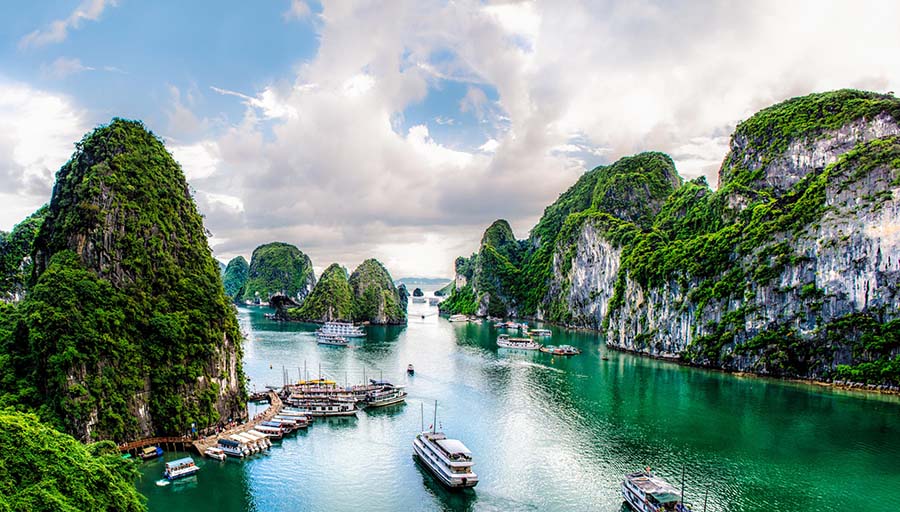
Distance: 165 kilometers, 3-4 hours by road from Hanoi
Perhaps Vietnam's most iconic destination, Halong Bay is a UNESCO World Heritage Site featuring nearly 2,000 limestone islands and islets rising dramatically from emerald waters. The surreal seascape has been shaped over millions of years by geological processes and erosion, creating towering karst formations, hidden caves, floating fishing villages, and secluded beaches that seem pulled from fantasy.
Day Trip vs Overnight Cruise: Day trips are possible but extremely rushed, typically running from 6:00 AM to 8:00-9:00 PM with 6-7 hours of driving for just 4-5 hours on the bay. You'll get a taste of Halong's beauty but miss the magical sunset, sunrise, and peaceful evening atmosphere. Overnight cruises (1-3 nights) are strongly recommended—they allow proper exploration, kayaking, cave visits, swimming, fresh seafood meals, and the unforgettable experience of waking up surrounded by limestone formations emerging from morning mist.
What to Expect: Most cruises follow similar itineraries: board at Hon Gai or Tuan Chau harbors (2-3 hours from Hanoi), sail through spectacular island scenery, visit Sung Sot Cave (Surprise Cave— a massive cavern with impressive stalactites and stalagmites), go kayaking or bamboo boat rides through lagoons and grottoes, swimming opportunities (seasonal, water can be cool), fresh seafood lunch and dinner on board, and optional activities like cooking demonstrations, tai chi sessions, or squid fishing. Overnight cruises include sunset drinks on deck and sunrise views—absolutely magical experiences.
Pricing: Day trips start around $40-60 per person. Overnight cruises range from $100-300+ depending on boat quality (budget boats vs luxury cruise ships), duration (1 vs 2 vs 3 nights), and included services. Higher-priced cruises offer better cabins, superior food, fewer passengers, and access to less crowded areas.
Booking: Book 2-3 days in advance during high season (October-April), 1 day ahead during low season. Many hostels and hotels offer booking services, though direct booking through reputable companies (check TripAdvisor reviews) or your hotel often provides better value. Be clear on what's included— transfers from Hanoi, meals, activities, taxes—as some advertised prices exclude significant additional costs.
For comprehensive planning including cruise recommendations, packing tips, best times to visit, and insider advice for maximizing your Halong Bay experience, read our complete Halong Bay travel guide with detailed information to help you choose the perfect cruise and make the most of this extraordinary destination.
Ninh Binh (Tam Coc)
Distance: 100 kilometers, 2 hours south of Hanoi
Often called "Halong Bay on land," Ninh Binh offers similarly dramatic limestone karst scenery but surrounded by lush rice paddies and winding rivers rather than ocean. The landscape is spectacularly photogenic, especially during green rice season (May-June) and golden harvest season (September-October). This makes an excellent alternative for travelers who can't spare time for overnight Halong Bay cruises but want stunning natural beauty.
Top Sites in Ninh Binh:
- Tam Coc Boat Ride: The highlight experience—a 2-3 hour boat ride on the Ngo Dong River, rowing through three natural caves (Tam Coc means "three caves") carved through limestone mountains by water erosion. Local women row the boats using their feet (incredibly skilled!), allowing them to rest their arms. The journey passes rice fields, limestone cliffs, and grazing water buffalo—incredibly peaceful and scenic. Cost: Around 150,000 VND per boat (fits 2 people) plus tip for your rower (50,000 VND suggested).Tip: Board early (8:00-9:00 AM) or late (after 2:00 PM) to avoid midday heat and peak tour group crowds.
- Trang An Boat Tour: A UNESCO World Heritage Site with a similar concept but larger scale— 3-4 hours rowing through caves, grottoes, and valleys. More touristy and structured than Tam Coc but arguably more spectacular scenery. This was a filming location for "Kong: Skull Island." Cost: 250,000 VND per boat plus tip. Choose Trang An if you want more dramatic cave experiences; choose Tam Coc for more intimate, less crowded atmosphere.
- Mua Cave Viewpoint: Climb approximately 500 steps to a mountaintop viewpoint offering panoramic 360-degree views over Ninh Binh's limestone karsts and rice paddies—one of Northern Vietnam's most photographed vistas. The climb is moderately strenuous, especially in heat, but absolutely worth the effort. Visit at sunrise or sunset for optimal light and fewer crowds. Entry: 100,000 VND.
- Bich Dong Pagoda: A beautiful 16th-century pagoda built into a mountainside in three levels connected by stone staircases. Peaceful atmosphere, caves, and nice views. Often combined with Tam Coc visits. Entry: Free (donations welcome).
Full Day Itinerary: Most visitors tackle Ninh Binh as a full day trip: depart Hanoi 8:00 AM, arrive Ninh Binh 10:00 AM, Tam Coc boat ride (or Trang An), lunch at local restaurant, climb Mua Cave for sunset views (or visit Bich Dong), depart 5:00-6:00 PM, return to Hanoi 8:00-9:00 PM.
Transportation Options: Organized tours cost $25-35 per person including transportation, guide, lunch, and entry fees—good value and hassle-free. DIY independent travel is possible: take bus from Giap Bat bus station to Ninh Binh (100,000 VND, 2 hours), then rent bicycle or motorbike to explore sites (more adventurous and flexible but requires navigation skills).
Best Time: May-June (green rice paddies), September-October (golden harvest season). Avoid midday heat (11:00 AM-2:00 PM) during summer.
Sapa
Distance: 350 kilometers northwest, 5-6 hours by road or overnight train
Sapa is Vietnam's premier mountain destination, perched at 1,600 meters elevation in the Hoang Lien Son mountain range near the Chinese border. The region is famous for dramatic terraced rice fields cascading down steep hillsides, ethnic minority villages (Hmong, Dao, Tay, Giay, and others) preserving traditional cultures and costumes, trekking opportunities through stunning mountain scenery, and cool climate that provides welcome relief from Vietnam's tropical heat. For complete information, see our comprehensive Sapa Travel Guide.
What to Do in Sapa:
- Trekking through rice terraces: The main attraction. Various routes range from easy 2-3 hour walks to challenging full-day treks. Popular routes include Lao Chai and Ta Van villages, Muong Hoa Valley, and Cat Cat Village. Local ethnic minority guides (often Hmong women) offer authentic experiences and support local communities—hiring one is recommended both for navigation and cultural exchange.
- Ethnic minority village visits: Visit Cat Cat Village (Black Hmong), Ta Van Village (Giay people), Lao Chai, and others. Experience traditional houses, observe textile weaving, and purchase handmade embroidered crafts directly from artisans. Be respectful—these are real communities, not theme parks.
- Fansipan Cable Car: Fansipan (3,143 meters) is Indochina's highest peak, nicknamed "The Roof of Indochina." A modern cable car (one of the world's longest) reaches near the summit with spectacular mountain views. The experience has become quite touristy with a pagoda complex built at the top, but the cable car ride itself through clouds is impressive. Cost: Around 700,000 VND ($28) round trip.
- Sapa Market: The Saturday evening and Sunday morning market draws ethnic minorities from surrounding villages for trading, socializing, and sometimes matchmaking. Vibrant atmosphere with colorful traditional clothing, local produce, and livestock. Authentic cultural experience if you time your visit correctly.
Duration: Sapa cannot be done as a day trip—it requires minimum 2 days/1 night, though 3 days/2 nights is ideal for proper exploration without rushing. The journey itself takes 5-6 hours each way, making a single day trip impossible.
Transportation: Overnight train (sleeper) is the most popular option—depart Hanoi around 9:00-10:00 PM, arrive Lao Cai station 5:00-6:00 AM, then 1-hour bus to Sapa town (maximizes time). Trains range from basic hard sleeper to luxury carriages. Alternatively, modern Limousine buses (sleeper buses) depart Hanoi day and night, taking 5-6 hours but allowing daytime or nighttime travel. The overnight train is a cultural experience itself, though not luxurious.
Best Time to Visit: September-November (harvest season, golden terraces, clear weather) and March-May (planting season, water-filled terraces reflecting sky). Avoid December-February when it's very cold and foggy (temperatures can drop to 0-5°C). Summer (June-August) is wet with frequent afternoon rain and possible landslides.
Pricing: Organized 2-day/1-night tours from Hanoi start around $80-150 per person including transportation, accommodation, most meals, trekking guide, and entrance fees. Higher prices usually mean better hotels, smaller groups, and more comprehensive itineraries. Independent travel is cheaper but requires more planning and booking accommodation in advance.
What to Pack: Layers (temperature varies with elevation and time of day), rain jacket, comfortable trekking shoes, sun protection, and warm jacket if visiting October-March.
Mai Chau Valley
Distance: 135 kilometers, 3-4 hours west of Hanoi
A peaceful valley inhabited primarily by White Thai ethnic minority people, Mai Chau offers a gentler alternative to Sapa—less dramatic scenery but also less developed, more accessible, and more suitable for travelers with limited time or mobility. The valley is characterized by lush green rice paddies, traditional stilt houses, and laid-back rural atmosphere.
Activities: Cycling through rice fields and villages (bicycles included with most homestays), easy walking tours to nearby villages (Lac Village and Pom Coong Village are main settlements), traditional Thai dance performances and music in the evenings, visiting local markets, and experiencing homestay life in traditional stilt houses with local families.
Duration & Transportation: Mai Chau can be visited as a long day trip (8:00 AM departure, 8:00-9:00 PM return) but is much better experienced as an overnight trip staying in a traditional homestay— one of Vietnam's most authentic cultural immersion opportunities. Tours cost around $40-70 for day trips, $60-100 for overnight trips including transportation, meals, homestay, and guide.
This destination appeals to travelers seeking rural tranquility, cultural interaction, and moderate outdoor activity without the intensity of Sapa trekking or crowds. It's particularly suitable for families, older travelers, or those wanting a peaceful escape from city chaos.
Perfume Pagoda (Chua Huong)
Distance: 60 kilometers south, 2 hours from Hanoi
One of Vietnam's most important Buddhist pilgrimage sites, Perfume Pagoda is actually a complex of Buddhist temples and shrines built into limestone cliffs and caves on Huong Tich Mountain. The site combines natural beauty with religious significance, creating a unique cultural and scenic experience.
The Experience: The journey is as important as the destination. Start with a scenic 1-hour boat ride along the Yen Stream through dramatic karst landscape (similar to Ninh Binh but with different character). Upon reaching the mountain base, either take a cable car or hike 3 kilometers uphill (1-2 hours, moderately strenuous) to reach Huong Tich Cave—the main sacred site. Inside this massive limestone cave, shrines and altars are lit by candles and incense, creating an atmospheric spiritual environment. The cave goes deep into the mountain with various chambers for worship and meditation.
Pilgrimage Season: The site is busiest during the Perfume Pagoda Festival from the 6th day of the first lunar month through the end of the third lunar month (typically January-March), when hundreds of thousands of Vietnamese pilgrims visit seeking blessings, good fortune, and spiritual merit. During peak festival weekends, the site becomes extremely crowded with 2-3 hour waits for boats—fascinating cultural experience but physically exhausting.
Duration & Logistics: Full day trip: depart Hanoi 7:00-8:00 AM, return 5:00-6:00 PM. Tours cost around $25-35 per person including transportation, boat rides, guide, and lunch. Entry fees and cable car (optional) are additional. The experience requires moderate fitness for hiking or willingness to pay for cable car. Wear comfortable shoes, bring water, and dress respectfully (covered shoulders and knees).
Best Time: Outside of the festival season (avoid January-March) for fewer crowds and more contemplative atmosphere. The site is beautiful year-round, though summer afternoons can be very hot and rainy.
Planning Your Day Trips
Practical Advice: Don't try to pack too many day trips into a short visit. The travel time is substantial, and rushing between destinations leads to exhaustion rather than enjoyment. For a 5-7 day Hanoi itinerary, we recommend one overnight trip (Halong Bay or Sapa) plus one full-day trip (Ninh Binh). This provides a balanced experience of city culture and surrounding natural beauty without constant movement.
Transportation Trade-offs: Organized tours are more expensive than independent travel but save significant time, energy, and stress. They handle logistics, provide English-speaking guides, and ensure you see highlights efficiently. Independent travel is cheaper and more flexible but requires research, navigation skills, and comfort with uncertainty. Choose based on your travel style, budget, and confidence level.
Before embarking on any day trip or overnight excursion from Hanoi, ensure your Vietnam e-Visa is approved and ready. Our expedited processing options include 1-day and 4-hour emergency service for travelers with urgent timelines, ensuring your adventure plans aren't delayed by visa processing.
Practical Information
Planning the practical aspects of your Hanoi visit ensures a smooth, enjoyable experience. From choosing the right neighborhood to stay in to understanding money, safety, and connectivity, these details make the difference between a stressful trip and a memorable adventure.
Where to Stay
Your choice of neighborhood significantly impacts your Hanoi experience. Each area offers distinct advantages and trade-offs to consider based on your priorities, budget, and travel style.
Old Quarter (Hoan Kiem District)
Pros: Maximum central location, walking distance to major attractions, highest concentration of restaurants and street food, vibrant atmosphere day and night, excellent transport connections, widest variety of budget accommodations, easy to meet other travelers, endless exploration opportunities within walking distance.
Cons: Can be very noisy at all hours (motorbikes, construction, vendors), air quality issues from traffic, streets are chaotic and crowded, rooms in budget accommodations can be small (tube houses), aggressive touts and vendors in some areas, touristy atmosphere in parts.
Best for: First-time visitors, short stays (2-3 days), budget travelers, backpackers, solo travelers, anyone wanting to be in the heart of the action with maximum convenience.
Recommended hotels:
- Budget: Hanoi Backpackers Hostel, Old Quarter View Hanoi Hostel (dorms from $5-10)
- Mid-range: Hanoi La Siesta Hotel & Spa, Essence Hanoi Hotel, Little Charm Hanoi Hotel ($40-80)
- Upscale: Essence Palace Hotel, La Siesta Premium Hang Be ($80-150)
French Quarter (Hoan Kiem District)
Pros: Elegant colonial atmosphere, quieter than Old Quarter while still central, wider streets and sidewalks, upscale dining and shopping, beautiful architecture, more space and better air circulation, still walking distance to Old Quarter attractions, more refined ambiance.
Cons: More expensive accommodations, fewer budget options, less street food diversity, slightly less vibrant nightlife compared to Old Quarter, can feel more formal and less authentically Vietnamese.
Best for: Couples, honeymoons, travelers seeking comfort and elegance, those sensitive to noise, anyone wanting central location with more refined atmosphere, business travelers, older travelers preferring comfort over budget.
Recommended hotels:
- Mid-range: Hotel de l'Opera Hanoi, Silk Path Boutique Hanoi ($60-120)
- Luxury: Sofitel Legend Metropole Hanoi (historic, iconic, $200-400+), Hilton Hanoi Opera ($120-250)
West Lake Area (Tay Ho District)
Pros: Peaceful and spacious, lakeside location with promenade for cycling/walking, trendy cafes and international restaurants, expat neighborhood with Western amenities, better air quality, more modern accommodations, less chaotic than Old Quarter, beautiful sunset views, easy parking if renting vehicle.
Cons: 15-20 minutes by taxi/Grab from Old Quarter (100,000-150,000 VND), fewer tourist attractions within walking distance, less authentic Vietnamese atmosphere, more expensive dining options, fewer budget accommodations, need transportation for sightseeing.
Best for: Longer stays (week+), families with children, travelers seeking relaxation over constant activity, digital nomads needing quiet workspaces, those who've visited Hanoi before and want different perspective, anyone tired of Old Quarter chaos.
Recommended hotels:
- Mid-range: Lakeview Hanoi Hotel, Sunset Westlake Hanoi ($50-100)
- Upscale: InterContinental Hanoi Westlake (overwater villas, $150-300), Pan Pacific Hanoi ($100-200)
Ba Dinh District
Pros: Near major cultural sites (Ho Chi Minh Mausoleum, Temple of Literature), quieter residential areas, wider streets, more spacious feeling, government district so well-maintained, some good local restaurants, moderate pricing.
Cons: Fewer dining and entertainment options, less convenient for Old Quarter attractions, less vibrant atmosphere, need transport for most activities, limited accommodation choices.
Best for: Travelers focused on historical/cultural sites, those wanting quiet location near major museums, budget-conscious travelers willing to sacrifice some convenience.
Safety Tips
Hanoi is generally very safe for tourists with low violent crime rates, especially compared to many Western cities. However, petty theft, scams, and traffic present real concerns requiring awareness and precaution.
Common Safety Concerns
- Bag Snatching: Motorbike-riding thieves occasionally grab bags, phones, or cameras from pedestrians or cyclo passengers. Rare but happens, especially in tourist areas. Precautions: Carry bags on the shoulder away from the street, use cross-body bags worn in front, keep phones in pockets not hands when near roads, stay alert when walking near traffic, don't wear expensive jewelry conspicuously.
- Traffic Safety: This is actually the greatest danger to tourists in Hanoi. Motorbikes dominate streets and sidewalks, often ignoring traffic signals and driving on pavements. Crossing streets requires technique: walk slowly and predictably so drivers can anticipate your path, never run or stop suddenly, make eye contact with drivers, cross in groups when possible for visibility, be extra cautious at intersections. Sidewalks are often impassable (parked motorbikes, vendor stalls) forcing pedestrians into streets—stay alert always.
- Common Scams: Overpriced taxis using rigged meters (solution: use Grab app), fake tour operators (book through your hotel or reputable companies), shoe repair "scam" (person damages your shoes then offers expensive repairs), tea/art gallery scams (friendly strangers invite you for tea or to see art, then present massive bills), inflated prices at markets and restaurants without menus (always ask price before ordering). Generally these are annoyances more than dangerous situations—stay alert, confirm prices beforehand, and walk away from suspicious offers.
- Women Travelers: Hanoi is generally safe for solo female travelers. Harassment is rare compared to some countries, though unwanted attention occasionally occurs. Dress modestly at religious sites (covered shoulders and knees). Avoid deserted areas late at night, though the Old Quarter is usually busy and safe. Vietnamese culture is conservative, so public displays of affection between couples may attract stares.
- Visa Requirements: Traveling without proper visa documentation is perhaps the biggest preventable "safety" issue—you'll be denied entry or boarding. Ensure your Vietnam e-Visa is approved before departure. Our service processes applications efficiently with various speed options to match your timeline.
Emergency Contacts
- Police: 113
- Ambulance: 115
- Fire: 114
- Tourist Police: 0243 826 5151
- Your country's embassy (program into phone before arrival)
General Advice: Use common sense, don't flaunt wealth, be aware of your surroundings, trust your instincts, and remember that the vast majority of Vietnamese people are honest, welcoming, and helpful to tourists.
Money & Payment
Currency: Vietnamese Dong (VND) is the official currency. As of 2026, exchange rates typically hover around 24,000-25,000 VND per $1 USD. Bills come in denominations from 1,000 VND to 500,000 VND—the many zeros can be confusing initially. A helpful mental shortcut: remove three zeros and divide by 24 to get approximate USD value (e.g., 240,000 VND ÷ 24 = roughly $10 USD).
ATMs: Widely available throughout Hanoi, especially in the Old Quarter and around Hoan Kiem Lake. Vietcombank, BIDV, Techcombank, and Sacombank are reliable options. Most ATMs dispense maximum 3-5 million VND per transaction (roughly $120-200), charging fees of 20,000-50,000 VND ($1-2) plus your home bank's international fees. Withdrawal limits vary by bank and card. ATMs are generally safe to use—choose machines inside banks or shopping centers rather than isolated street locations. Notify your bank of travel dates before departure to avoid cards being blocked for suspicious activity.
Credit Cards: Accepted at hotels, upscale restaurants, shopping malls, tour companies, and larger businesses. NOT accepted at street food vendors, local restaurants, markets, taxis (Grab allows card payment via app), most small shops, or for entrance fees at attractions. Visa and Mastercard are most widely accepted; American Express and Discover have limited acceptance. Some merchants add 2-3% surcharge for credit card payments—confirm before paying.
For comprehensive information about credit card acceptance across Vietnam, payment methods, and financial tips, read our guide on credit card usage in Vietnam.
Cash is King: Carry Vietnamese Dong in cash for daily expenses. Change large bills at hotels or restaurants before street food outings—vendors rarely have change for 500,000 VND notes when purchasing 30,000 VND pho. Small denominations (20,000, 50,000, 100,000 VND) are most useful. Keep emergency cash (US dollars) hidden separately from daily spending money.
Tipping: Not traditionally expected in Vietnamese culture but increasingly appreciated in tourist areas. Restaurants: 5-10% at upscale places (check if service charge already included), round up the bill at casual restaurants, no tipping expected at street food stalls. Hotels: 20,000-50,000 VND per bag for porters, 50,000-100,000 VND per day for housekeeping. Tours: 100,000-200,000 VND per day for guides, 50,000- 100,000 VND for drivers. Taxis/Grab: rounding up is polite but not expected.
Bargaining: Expected and necessary at markets, with street vendors, for souvenirs, and when hiring cyclos or motorbike taxis. NOT appropriate at restaurants, hotels, fixed-price shops, or modern retail stores. Start at 50-60% of the asking price, negotiate respectfully with smiles, be willing to walk away (often brings better prices), but don't haggle over trivial amounts—remember $1 USD matters much more to vendors than most tourists.
Connectivity & Communication
SIM Cards: Purchasing a Vietnamese SIM card upon arrival is highly recommended for navigation, Grab app usage, restaurant research, and emergency contact. SIM cards are available at the airport (slightly more expensive), in mobile phone shops throughout the Old Quarter, and from official carrier stores.
Major Carriers:
- Viettel: Best coverage nationwide, especially in rural areas. Recommended if traveling beyond Hanoi. Tourist packages: 30-day plans with 3-10GB data cost 100,000-300,000 VND ($4-12) including domestic calls and texts.
- Vinaphone: Good urban coverage, slightly cheaper than Viettel. Tourist packages similar pricing.
- Mobifone: Comparable to Vinaphone, good in cities. Tourist SIMs around 100,000-250,000 VND for 30 days.
Bring your passport for SIM card registration (legal requirement). Ensure your phone is unlocked before traveling—carrier-locked phones won't accept foreign SIMs. Installation is usually included in purchase— staff will set up the SIM and test connectivity.
WiFi: Free WiFi is ubiquitous in Hanoi—available at virtually all hotels, hostels, cafes, restaurants, shopping malls, and even many street food vendors. Quality varies significantly from blazing fast to frustratingly slow. The Old Quarter has such dense WiFi coverage that you can often hop between networks while walking. However, relying solely on WiFi without a local SIM card is limiting for navigation and communication when away from hotspots.
For comprehensive guidance on staying connected throughout your Vietnam travels, including detailed carrier comparisons, data packages, coverage maps, and troubleshooting tips, read our complete guide on staying connected while traveling Vietnam.
Essential Apps to Download:
- Grab: Ride-hailing and food delivery (essential for transportation)
- Google Maps: Navigation and business information (works excellently in Vietnam)
- Google Translate: Camera translation feature helps with menus and signs
- Maps.me: Offline maps if you prefer not to use data constantly
- XE Currency: Quick currency conversion (useful while shopping)
Weather & What to Pack
Hanoi's four-season climate requires thoughtful packing based on your travel dates. Unlike Southern Vietnam where shorts and t-shirts suffice year-round, Hanoi demands versatility.
General Packing List:
- Layerable Clothing: Temperatures fluctuate significantly between morning, midday, and evening, especially spring and autumn. Light layers allow adjusting to changing conditions throughout the day.
- Comfortable Walking Shoes: Essential—you'll walk extensively on uneven surfaces, sidewalks (when they exist), and stairs. Break in shoes before traveling to avoid blisters. Sandals are fine for summer but bring closed shoes for temple visits and cooler months.
- Rain Gear: Compact umbrella or light rain jacket for sudden showers (especially May- September). Even during dry season, brief rain can occur. Ponchos are cheap and available everywhere if you forget.
- Modest Clothing for Temples: Covered shoulders and knees required at religious sites. Light scarves or shawls work well for covering shoulders; long pants, long skirts, or capri-length pants for leg coverage. You may be refused entry or asked to rent covering garments if dressed inappropriately.
- Sun Protection: Hat, sunglasses, and high-SPF sunscreen for summer months. The tropical sun is intense—reapply sunscreen frequently. Sun-protective clothing (long sleeves, UV-rated fabrics) provides better protection than sunscreen alone.
- Light Jacket or Sweater: Essential for winter visits (December-February) when temperatures can drop to 10-15°C (50-59°F), especially mornings and evenings. Also useful for heavily air-conditioned buses and restaurants year-round.
- Daypack: Small backpack or cross-body bag for daily excursions carrying water, snacks, camera, rain gear, sunscreen, etc.
- Reusable Water Bottle: Staying hydrated is crucial. Refill at hotels—most have filtered water stations. Reduces plastic waste.
- Basic First Aid: Personal medications, pain reliever, anti-diarrheal medication, band-aids, antibiotic ointment. Pharmacies are common in Hanoi but having basics provides peace of mind.
- Insect Repellent: Mosquitoes are present, especially near West Lake and during evening. DEET-based repellent works best.
- Power Adapter: Vietnam uses Type A, C, and G plugs (220V). Bring universal adapter if your devices use different plug types.
What NOT to Bring: Excessive valuables or expensive jewelry (unnecessary and increases theft risk), too many clothes (laundry service is cheap and fast in Hanoi), bulky guidebooks (digital versions or blog research suffices), formal clothing unless attending specific events.
Health & Medical
Vaccinations: Consult a travel medicine doctor 4-6 weeks before departure for personalized recommendations. Commonly recommended vaccines for Vietnam include Hepatitis A and B, Typhoid, Tetanus, and Japanese Encephalitis (for rural areas or longer stays). Routine vaccines (MMR, etc.) should be current. COVID-19 vaccination may have requirements—check current entry regulations.
Hospitals & Clinics: Hanoi has several international-standard medical facilities with English-speaking doctors:
- Vinmec International Hospital: Modern facility, excellent reputation, expensive but Western standards. 458 Minh Khai Street, Hai Ba Trung District.
- Family Medical Practice Hanoi: International clinic popular with expats, Western doctors. 298 Kim Ma, Ba Dinh District.
- Hanoi French Hospital (Hôpital Français de Hanoi): French-standard care, international doctors. 1 Phuong Mai, Dong Da District.
Travel Insurance: Strongly recommended. Medical costs at international hospitals can be very expensive ($100-500+ for consultations, thousands for serious treatment). Ensure your policy covers medical evacuation, emergency treatment, and any adventure activities (motorbike riding, trekking). Verify coverage before departure and carry insurance documents.
Water & Food Safety: Never drink tap water—always use bottled water for drinking and brushing teeth. Ice in reputable restaurants is generally safe (made from purified water), but avoid ice at basic street stalls if you have a sensitive stomach. Food safety at busy street vendors is generally good—high turnover means fresh ingredients. Avoid unpeeled fruits and raw vegetables unless washed in purified water. Your body needs time to adjust to different bacteria—mild digestive issues in the first few days are normal. Bring anti-diarrheal medication just in case.
Sample Itineraries
Whether you have a weekend or a full week, these itineraries help you make the most of your time in Hanoi by balancing major attractions, cultural experiences, food adventures, and day trips. Adjust based on your interests, energy levels, and weather conditions.
Flying in for a quick weekend from Singapore, Hong Kong, or Bangkok? Our Vietnam Weekend Itineraries Guide provides complete 2-3 day plans for Hanoi, Ho Chi Minh City, and Da Nang with priority visa processing tips for last-minute travelers.
2-Day Hanoi Essentials
Perfect for a quick city break or as part of a longer Vietnam tour.
Day 1: Old Quarter & French Quarter
- 7:00 AM - Breakfast Pho: Start your day like a local at Pho Gia Truyen or Pho Bat Dan. Embrace the plastic stools and incredible flavors. (1 hour)
- 8:00 AM - Hoan Kiem Lake Morning: Walk around the lake, observe tai chi practitioners and morning exercisers, visit Ngoc Son Temple (30,000 VND entry). Peaceful start before the chaos begins. (1.5 hours)
- 9:30 AM - Old Quarter Exploration: Get lost wandering the 36 ancient streets. Visit Dong Xuan Market, photograph tube houses, browse shops, absorb the atmosphere. (2 hours)
- 12:00 PM - Lunch Break: Bun cha at Bun Cha Dac Kim or Bun Cha Huong Lien (Obama restaurant). (1 hour)
- 1:00 PM - French Quarter Walking: Stroll wide boulevards admiring colonial architecture. Visit St. Joseph's Cathedral, photograph Hanoi Opera House exterior, explore boutique shops. (2 hours)
- 3:00 PM - Hoa Lo Prison Museum: Important historical perspective on French colonialism and Vietnam War. Sobering but educational. (1.5 hours)
- 5:00 PM - Egg Coffee Break: Refresh at Giang Cafe (original), Cafe Dinh, or Cafe Pho Co (rooftop views). (1 hour)
- 6:30 PM - Dinner: Choose from countless Old Quarter restaurants based on your appetite— seafood, Vietnamese cuisine, international options all available. (1.5 hours)
- 8:00 PM - Ta Hien Beer Street: Join locals and travelers on tiny plastic stools drinking cheap bia hoi. Excellent people-watching and social atmosphere. (1-2 hours)
Day 2: Ba Dinh District & Culture
- 7:30 AM - Ho Chi Minh Mausoleum: Arrive early to minimize queues. Follow strict dress code and behavior rules. Also visit One Pillar Pagoda and Ho Chi Minh's Stilt House in the complex. (2-2.5 hours total including queuing)
- 10:00 AM - Temple of Literature: Peaceful exploration of Vietnam's first university. Beautiful courtyards, stone stelae, traditional architecture. Allow time to absorb the atmosphere. (1.5-2 hours)
- 12:00 PM - Lunch: Local restaurant near Temple of Literature or return to Old Quarter. (1 hour)
- 1:00 PM - Afternoon Choice:
Option A: Vietnam Museum of Ethnology (excellent but requires taxi/Grab, 30 min each way)— comprehensive overview of Vietnam's ethnic groups. (2-3 hours)
Option B: West Lake & Tran Quoc Pagoda for relaxation, lakeside cafes, and beautiful sunset views. (2-3 hours)
Option C: Return to Old Quarter for shopping, additional exploration, or rest at hotel. - 5:00 PM - Freshen Up: Return to hotel to rest and prepare for evening. (1 hour)
- 6:00 PM - Water Puppet Theatre: Experience this unique Vietnamese art form at Thang Long Water Puppet Theatre. (1 hour show plus travel time)
- 8:00 PM - Farewell Dinner: Choose a special restaurant for your final meal—perhaps upscale Vietnamese fusion or traditional favorites. (1.5-2 hours)
- 10:00 PM - Optional: Weekend Night Market if Friday-Sunday, or relaxed drinks at rooftop bar overlooking city.
3-Day Comprehensive Experience
Adds cultural depth and day trip options to the 2-day essentials.
Day 1 & 2: Follow the 2-day itinerary above for city exploration.
Day 3: Day Trip Choice
Option A - Ninh Binh/Tam Coc (Recommended): Full day organized tour or DIY adventure featuring stunning "Halong Bay on land" scenery. Tam Coc boat ride, Mua Cave viewpoint climb, Bich Dong Pagoda. Depart 8:00 AM, return 6:00-7:00 PM. ($25-35 for organized tour)
Option B - Craft Villages & West Lake Relaxation: Morning visit to Bat Trang Ceramic Village (pottery workshop), lunch, afternoon exploring West Lake area with lakeside cycling, Tran Quoc Pagoda, trendy cafes. More relaxed pace, less travel time. (Half-day tour ~$30-40 or DIY with Grab)
Option C - Cooking Class: Half-day Vietnamese cooking class with market tour. Learn to make pho, spring rolls, bun cha. Usually 9:00 AM-1:00 PM or 2:00 PM-6:00 PM. Afternoon/morning free for additional exploration, shopping, or rest. ($30-40 per person)
5-Day with Day Trips
Ideal balance of city exploration and surrounding regions—recommended for most travelers.
Day 1-2: City Exploration
Follow the 2-day essentials itinerary covering Old Quarter, French Quarter, Hoan Kiem Lake, Ba Dinh District attractions, food experiences, and water puppet theatre.
Day 3: Ninh Binh Day Trip
Full day to Tam Coc/Ninh Binh. Tam Coc boat ride through limestone caves, Mua Cave viewpoint climb (500 steps but spectacular panoramic views), Bich Dong Pagoda, cycling through rice fields. Depart Hanoi 8:00 AM, return 6:00-7:00 PM. Organized tour or independent travel. Bring sun protection, water, and camera.
Day 4: Relaxed City Day
- Morning: West Lake cycling or walking along the promenade, visit Tran Quoc Pagoda (best at sunrise for photography). Lakeside breakfast at trendy cafe. (3 hours)
- Afternoon: Vietnamese cooking class with market tour—hands-on learning, cultural insights, and delicious lunch you prepared yourself. (3-4 hours)
- Evening: Weekend Night Market if Friday-Sunday (pedestrian-only streets, shopping, street food, entertainment), or explore Hanoi's cafe culture—try various coffee styles at traditional cafes.
Day 5: Half-Day Halong Bay or Perfume Pagoda
Option A - Half-Day Halong Bay: Some tours offer half-day experiences departing very early (5:00-6:00 AM) and returning late (8:00-9:00 PM). Extremely long day with lots of driving but allows Halong Bay experience without overnight commitment. Only choose if you can't spare two days—overnight is far superior. (~$50-70)
Option B - Perfume Pagoda: Scenic boat ride through karst landscape, cable car or hike to mountain cave temple complex. Important Buddhist pilgrimage site. Full day: depart 7:00-8:00 AM, return 5:00- 6:00 PM. (~$25-35)
Option C - Rest & Shop: If day trips have exhausted you, spend the day leisurely shopping for souvenirs, revisiting favorite foods, getting massages, exploring neighborhoods you missed, or simply relaxing before departure.
Week-Long Northern Vietnam Adventure
Combines Hanoi with major regional attractions—perfect for comprehensive Northern Vietnam experience.
Day 1-2: Hanoi City Exploration
Cover essentials: Old Quarter, Hoan Kiem Lake, Ba Dinh District (Ho Chi Minh Mausoleum, Temple of Literature), French Quarter, food experiences, water puppet show. Follow the 2-day essentials itinerary structure.
Day 3-4: Halong Bay Overnight Cruise
2-day/1-night Halong Bay cruise (optimal duration). Hotel pickup around 8:00 AM Day 3, board boat at noon, cruise through limestone islands, kayaking, cave visits (Sung Sot Cave), sunset on deck, fresh seafood dinner, overnight on boat. Morning Day 4: sunrise tai chi (optional), breakfast, continued cruising, return to harbor noon, arrive Hanoi 4:00-5:00 PM. This is infinitely better than rushed day trips. ($100-250 depending on boat quality)
Day 5: Ninh Binh OR Rest Day
Option A: Full day to Ninh Binh/Tam Coc if you want maximum adventure—boat ride, Mua Cave viewpoint, rural cycling. Beautiful complement to Halong Bay's water scenery.
Option B: Rest day in Hanoi after Halong Bay cruise and before Sapa. Sleep in, explore West Lake area leisurely, enjoy spa/massage, shopping, café culture. Prepare for Sapa trek.
Day 6-7: Sapa Mountain Trek
2-day/1-night Sapa experience. Take overnight sleeper train departing Hanoi ~9:00-10:00 PM Day 5 (or Day 6 morning if you chose rest day), arrive Lao Cai station ~5:00-6:00 AM, bus to Sapa town (1 hour), full day trekking through rice terraces visiting ethnic minority villages (Hmong, Dao, Tay people), overnight at local homestay or hotel, second day additional trekking or Fansipan cable car, return Hanoi via overnight train (depart Lao Cai ~8:00-9:00 PM Day 7, arrive Hanoi early morning Day 8) or daytime bus. Overnight trains maximize time by traveling while sleeping. ($80-150 for organized 2D/1N tours). See our Sapa Travel Guide for detailed trekking routes and planning tips.
Alternative: Replace Sapa with Ha Giang Loop (3-4 days motorbike adventure through northern mountains—for experienced riders only, incredibly scenic but challenging).
General Itinerary Advice
- Don't Over-Schedule: Build in flexibility and rest time. Constantly rushing between attractions leads to exhaustion and prevents spontaneous discoveries that often become favorite memories.
- Weather Contingencies: Have backup indoor plans for rainy days—museums, cooking classes, shopping malls, spa treatments, extended café sessions.
- Meal Planning: Don't plan every meal in detail—some of the best food experiences come from spontaneous street vendor discoveries or local recommendations. Do mark 2-3 "must-try" restaurants but stay flexible.
- Early Starts: Many itineraries suggest early morning activities because attractions are less crowded, weather is cooler, and you'll experience authentic local life before tourist crowds arrive. However, if you're not a morning person, adjust accordingly—better to enjoy experiences at your natural rhythm than force yourself miserably awake at dawn.
- Visa First: Before finalizing any itinerary, ensure your Vietnam e-Visa is approved. Our streamlined service offers standard processing (3 business days) or expedited options (1-day or 4-hour emergency service) to match your travel timeline. Don't let visa concerns delay your planning—apply today and travel with confidence.