Sapa Travel Guide 2026
Introduction & Overview
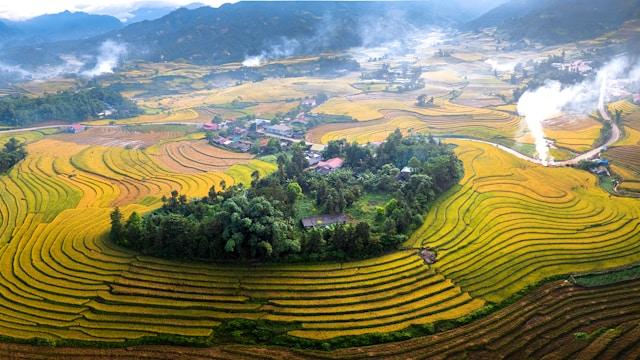
Sapa is Vietnam's premier mountain destination, a breathtaking highland town perched at 1,600 meters elevation in the Hoang Lien Mountains of northern Vietnam's Lao Cai Province. Famous for its spectacular terraced rice fields, vibrant ethnic minority cultures, and dramatic mountain scenery, Sapa offers a completely different experience from Vietnam's coastal cities and beaches.
What makes Sapa truly special is its unique combination of natural beauty and cultural authenticity. The cascading rice terraces that blanket the mountainsides transform with the seasons—from water-filled mirrors in planting season to golden waves during harvest. The surrounding valleys are home to H'mong, Red Dao, Tay, and Giay ethnic minorities who maintain traditional lifestyles, wearing distinctive handmade clothing and living in remote villages accessible only by foot.
Compared to other northern Vietnam destinations, Sapa offers more developed infrastructure and easier access than the remote Ha Giang Loop, more dramatic mountain scenery than the accessible karsts of Ninh Binh, and a completely different experience from the beach-focused south. It's the perfect destination for travelers seeking trekking adventures, cultural immersion, and stunning photography opportunities.
Beyond the terraced fields, Sapa serves as the base for conquering Fansipan (3,143m)—Indochina's highest peak—via cable car or challenging multi-day trek. The town itself has evolved from a French colonial hill station into a vibrant hub for adventure travelers, while surrounding villages remain largely unchanged, offering authentic homestay experiences and traditional markets.
Best Time to Visit Sapa
The best time to visit Sapa is September to November, particularly late September to October for the iconic golden rice harvest. This period combines:
- Golden rice terraces: The most photogenic time when terraces turn brilliant yellow before harvest
- Clear weather: Post-rainy season brings crisp air and excellent visibility
- Comfortable temperatures: 15-20°C (59-68°F) during the day, cooler at night
- Cultural festivities: Post-harvest celebrations in ethnic minority villages
March to May (spring) is the second-best period, offering a different spectacle as terraces are filled with water for planting, creating mirror-like reflections. Wildflowers bloom across the mountains, and temperatures are mild (15-20°C). However, some fog and drizzle are possible.
December to February (winter) brings cold weather (5-10°C or 41-50°F), occasional frost, and even snow on Fansipan peak. While the rice terraces are bare, the atmospheric fog and misty mountains create a mystical ambiance. This is low season with fewer tourists and lower prices, but bring very warm clothing and be prepared for poor visibility.
June to August (summer) is the rainy season with lush green terraces but frequent afternoon downpours. Trails become muddy and slippery, and fog can obscure views. However, this is also the quietest period with the lowest accommodation prices. If you don't mind rain and want to avoid crowds, this period offers an authentic experience.
How Many Days to Spend in Sapa
We recommend spending 2 to 3 days in Sapa to experience the destination properly:
- 2 days/1 night (minimum): A weekend trip from Hanoi via overnight train. Allows one full day of trekking to nearby villages like Cat Cat and Lao Chai/Ta Van, plus time to explore Sapa town and market.
- 3 days/2 nights (recommended): Ideal for most travelers. Provides time for multiple trekking routes at a relaxed pace, visit to Fansipan via cable car, exploration of several ethnic villages, and proper cultural immersion without feeling rushed.
- 4-5 days: Perfect for serious trekkers wanting extended routes through remote villages, those attempting the Fansipan summit trek (2-3 days), or travelers seeking deep cultural experiences with multiple homestay nights.
Most visitors combine Sapa with Hanoi (Sapa's gateway city) and sometimes Halong Bay for a comprehensive northern Vietnam experience covering mountains, cities, and seascapes.
Getting to Sapa from Hanoi
Sapa is located 330 kilometers northwest of Hanoi in Lao Cai Province, near the Chinese border. All visitors must travel through Hanoi to reach Sapa, making the capital city your entry point to Vietnam. Before booking your trip, ensure you have a Vietnam e-Visa, which allows up to 90 days in the country and can be processed in as little as 2 days with priority processing.
Overnight Sleeper Train (Most Popular)
The overnight sleeper train is the preferred option for most travelers, offering the best combination of comfort, cost-effectiveness, and time efficiency:
- Route: Hanoi to Lao Cai station (not Sapa—you must then take a bus/taxi for the final hour to Sapa town)
- Duration: 8-9 hours overnight (depart Hanoi 9:00-10:00 PM, arrive Lao Cai 5:00-6:00 AM)
- Cost: $20-40 USD depending on berth type (4-berth soft sleeper most comfortable)
- Booking: Reserve tickets 1-2 weeks in advance, especially for weekends and holiday periods
- Transfer: Upon arrival at Lao Cai station, buses and taxis wait to take passengers to Sapa town (1 hour, ~$2-5)
Berth options: 4-berth soft sleeper (most comfortable, $35-40), 6-berth soft sleeper ($25-30), or hard sleeper ($20-25). Choose lower berths for easier access and more headroom. The train saves you accommodation costs for one night and maximizes your time in Sapa.
Bus or Minivan
Direct buses and minivans run from Hanoi to Sapa town (5-6 hours, $12-20). Departures are typically in the morning (6:00-7:00 AM) and evening (9:00-10:00 PM for sleeper buses). While cheaper than the train, buses are less comfortable, especially on the winding mountain roads. Reputable companies include Sapa Express, The Sinh Tourist, and Groovy Gecko.
Private Car or Transfer
For maximum comfort and flexibility, hire a private car with driver ($100-150 for the vehicle, fits 4 passengers). The journey takes 5-6 hours with stops for photos and meals. This option works well for families, those with limited time, or travelers who prefer daytime travel to see the scenery.
Getting Around Sapa
Once in Sapa town, most attractions are within walking distance. For treks to distant villages, you'll arrange transportation through your hotel or trekking guide. Motorbike taxis (xe om) can take you to nearby villages for a few dollars. Some travelers rent motorbikes to explore independently, though mountain roads are challenging and foggy conditions are common.
International travelers: You'll fly into Noi Bai International Airport in Hanoi first. Consider using the Airport Fast-Track Service at Noi Bai to skip immigration queues after your long international flight, then take the overnight train to Sapa the same evening or next day.
Sapa Town Overview
Sapa town sits at 1,600 meters elevation on a hillside, offering stunning valley views when the fog lifts. The compact town center is easily walkable, though steep streets require some fitness. At its heart is the main square near the distinctive Stone Church (built by French colonists in 1895), surrounded by hotels, restaurants, trekking agencies, and souvenir shops.
The Sapa Market operates daily but becomes especially vibrant on Saturday evenings and Sunday mornings when H'mong, Red Dao, and other ethnic minorities descend from surrounding villages to trade goods, socialize, and sell handicrafts. This is one of the best cultural experiences in Sapa—arrive early Sunday morning (6:00-7:00 AM) to see the market at its most authentic before tourist crowds arrive.
Sapa's restaurant scene caters to international travelers with Vietnamese, Western, Indian, and fusion options. The town has numerous cafes perfect for warming up with Vietnamese coffee or hot chocolate after a cold trek. Nightlife is quiet compared to Vietnamese cities, though several bars offer drinks and live music. ATMs are available in the town center—withdraw cash here as villages don't have banking facilities.
Best Trekking Routes & Villages
Trekking through rice terraces to ethnic minority villages is Sapa's main attraction. Trails range from easy 2-hour walks to challenging multi-day expeditions. Hiring a local guide is highly recommended—many are H'mong or Dao women from the villages who provide navigation, cultural insights, and direct support to local communities.
Easy Treks (2-4 hours)
Cat Cat Village
The closest and most accessible trek from Sapa town, Cat Cat village is home to Black H'mong people and sits just 2 kilometers downhill. The paved path descends through terraced fields to the village, where you can see traditional wooden houses, a small waterfall, and handicraft demonstrations (weaving, dyeing). The trek is suitable for all fitness levels and families with children. Entrance fee: ~50,000 VND ($2).
Sin Chai Village
A 5-kilometer trek from Sapa town, Sin Chai is a Red Dao village with fewer tourists than Cat Cat. The trail offers beautiful valley views and passes through rice terraces. Red Dao people are known for their distinctive red headdresses and traditional herbal baths. Round trip takes 3-4 hours.
Ham Rong Mountain
Located on the edge of Sapa town, Ham Rong (Dragon's Jaw) Mountain features orchid gardens, landscaped paths, and panoramic viewing platforms overlooking Sapa valley and surrounding peaks. The climb takes 1-2 hours and doesn't require a guide. Best visited in clear weather for views. Entrance fee: ~70,000 VND ($3).
Moderate Treks (4-6 hours)
Lao Chai & Ta Van Villages (Most Popular)
This classic route descends from Sapa town through the stunning Muong Hoa Valley, passing endless terraced rice fields before reaching Lao Chai (Black H'mong village) and Ta Van (Giay people village). The 12-kilometer trek takes 4-5 hours and showcases Sapa's most photogenic landscapes. Many travelers arrange homestays in Ta Van village to experience rural life firsthand. Your guide will typically arrange lunch at a local home.
Y Linh Ho Village
A beautiful alternative to the busy Lao Chai route, Y Linh Ho sits in a valley of spectacular terraced fields. The Black H'mong village sees fewer tourists, offering a more authentic atmosphere. The trek from Sapa takes 4-5 hours and can be combined with Lao Chai/Ta Van for a longer day.
Muong Hoa Valley
Following the Muong Hoa River through the valley floor, this trek connects multiple villages and passes ancient carved stones of archaeological significance. The relatively flat valley floor makes for easier walking than hillside routes, though you'll still ascend and descend to villages. Distance and duration vary depending on your route (4-8 hours possible).
Challenging Treks (Full Day or Multi-Day)
Ta Phin Village
A more remote Red Dao community located 17 kilometers from Sapa, Ta Phin requires a full day (6-8 hours round trip) or can be reached by motorbike. The village is known for traditional Red Dao herbal baths and beautiful embroidery. The trek is more challenging with steeper climbs but rewards with fewer tourists and more authentic cultural experiences.
Multi-Day Village Circuit
Serious trekkers can arrange 2-3 day circuits that loop through multiple remote villages with overnight homestays. These treks venture into areas tourists rarely reach, offering deep cultural immersion and stunning scenery. Physical fitness and mental preparation for basic living conditions are essential. Always arrange these treks through reputable agencies with experienced guides.
Trekking Tips
- Hire local guides: Support ethnic minority communities by hiring H'mong, Dao, or Giay guides who live in the villages. They provide authentic perspectives and language skills. Cost: $15-25 per day per group.
- What to bring: Sturdy hiking shoes with good grip (trails get muddy), rain jacket (weather changes quickly), warm layers, sun protection, water, and snacks. Bring small bills for purchases in villages.
- Trail conditions: Paths range from paved walkways to muddy mountain trails. After rain, expect slippery conditions. Dry season (September-May) offers the best trekking conditions.
- Cultural respect: Ask permission before photographing people, especially children. Don't enter homes uninvited. When buying handicrafts, negotiate fairly but remember these sales provide crucial income.
- Aggressive sellers: Some H'mong women approach tourists on trails offering to guide you, then pressure you to buy handicrafts. If you've already arranged a guide, politely decline. If you accept their assistance, understand you're expected to purchase items.
Fansipan: The Roof of Indochina
At 3,143 meters (10,312 feet), Fansipan is the highest peak in Vietnam, Cambodia, and Laos—earning its nickname "The Roof of Indochina." Located 9 kilometers from Sapa town, Fansipan offers two dramatically different ways to reach the summit:
Fansipan Cable Car (Easy Option)
Opened in 2016, the world-record-setting cable car whisks visitors from the base station to near the summit in just 20 minutes. From the upper station, it's a 600-step climb (or take a funicular) to the actual peak marked by a large statue and temples. On clear days, views extend across mountain ranges to the Chinese border.
- Cost: ~750,000 VND ($30-35) for round-trip cable car + funicular
- Duration: 3-4 hours total including cable car, summit time, and return
- Fitness required: Minimal—suitable for all ages and fitness levels
- Best time: Early morning (7:00-8:00 AM) for the best chance of clear views before fog rolls in
The cable car complex includes restaurants, souvenir shops, and landscaped gardens. While less adventurous than trekking, it allows you to experience Indochina's highest peak without the physical demands and time commitment of climbing.
Fansipan Summit Trek (Challenging Option)
Before the cable car, reaching Fansipan's summit required a grueling 2-3 day expedition. The trek is still possible for experienced hikers seeking adventure:
- Duration: 2-3 days (7-8 hours up, 4-5 hours down)
- Difficulty: Very challenging—steep climbs, altitude effects, unpredictable weather
- Requirements: Good physical fitness, proper gear, experienced guide mandatory, camping equipment
- Cost: $150-250 depending on group size and services included
- Best season: September-November and March-May (avoid rainy season)
The trek passes through bamboo forests, rhododendron groves, and alpine meadows. You'll camp overnight on the mountain. Altitude sickness, cold temperatures (near freezing at the summit), and exhaustion are common challenges. Only attempt this trek if you're experienced in mountain hiking and properly prepared.
Ethnic Minority Culture
Sapa's ethnic minorities are what transform the region from merely scenic to culturally profound. Five main groups inhabit the mountains and valleys around Sapa, each maintaining distinct languages, customs, clothing, and traditions passed down through generations.
H'mong People (Black H'mong)
The most numerous ethnic group in Sapa, the Black H'mong (named for their indigo-dyed clothing) live in villages like Cat Cat, Lao Chai, and Y Linh Ho. H'mong women wear distinctive outfits: indigo jackets, pleated skirts, leg wraps, and silver jewelry. Many speak basic English learned from decades of tourism. H'mong culture revolves around rice cultivation, hemp weaving, and elaborate New Year celebrations. Their handicrafts—embroidered bags, woven textiles—showcase intricate patterns with cultural significance.
Red Dao (Dzao) People
Red Dao people are immediately recognizable by the women's bright red headdresses decorated with coins, beads, and tassels. Found in villages like Ta Phin and Sin Chai, Red Dao culture includes traditional herbal medicine and therapeutic baths using dozens of medicinal plants. Red Dao homes feature ancestral altars and traditional architecture. The community is known for exceptional embroidery skills, with intricate geometric and natural patterns.
Giay (Dzay) People
The Giay people inhabit Ta Van village and other locations in the Muong Hoa Valley. Their traditional dress includes colorful embroidered shirts, headdresses, and jewelry. Giay culture emphasizes music and dance, with traditional instruments and songs performed during festivals. Ta Van is one of the most popular homestay destinations, where Giay families welcome travelers into their homes.
Tay People
Vietnam's largest ethnic minority group has a smaller presence in the immediate Sapa area but significant populations in the broader region. Tay people traditionally build houses on stilts, practice wet rice farming, and are known for weaving. Their culture is distinct from H'mong and Dao traditions, with different language, customs, and social structures.
Homestay Experiences
Staying overnight in ethnic minority villages offers unparalleled cultural immersion. Homestays are very basic but authentic:
- Accommodations: Sleep on thin mattresses on the floor in shared rooms (sometimes separated by gender). Bring a sleeping bag liner in winter for extra warmth.
- Facilities: Basic squat toilets, cold water showers (or none), limited electricity, charging available but not guaranteed
- Meals: Simple but delicious home-cooked food served family-style—expect rice, stir-fried vegetables, chicken or pork, and local specialties. Some hosts offer local rice wine.
- Cost: $5-10 per person including dinner, breakfast, and sleeping space
- Etiquette: Remove shoes before entering, offer to help with meal preparation or cleaning, respect privacy, ask permission for photos, bring small gifts (fruit, sweets, school supplies appreciated)
Homestays directly benefit local families and provide income beyond agriculture. The experience offers a genuine glimpse into rural mountain life—sitting around the fire, sharing meals, learning about traditional farming, and understanding the challenges these communities face.
Buying Handicrafts Ethically
Purchasing handicrafts supports ethnic minority incomes, but approach it thoughtfully. Buy directly from makers in villages rather than tourist shops in Sapa town (which often import mass-produced items from China). Look for genuine handwork—uneven stitching and variations indicate authentic pieces. Negotiate respectfully but fairly—remember these sales are crucial income. Ask your guide to help explain the cultural significance of patterns and techniques.
Rice Terraces: When & Where to See Them
Sapa's cascading rice terraces are among Asia's most spectacular landscapes. Carved into mountainsides over centuries, these terraces demonstrate incredible agricultural engineering and create stunning visual patterns. The terraces transform dramatically with the seasons, offering different photographic opportunities throughout the year.
Rice Terrace Calendar
- May-June (Planting Season): Farmers flood terraces and transplant young rice seedlings. The water-filled terraces reflect sky and clouds, creating mirror-like effects. This is one of the most beautiful periods for photography, especially at sunrise and sunset when colors reflect in the water.
- July-August (Growing Season): Terraces turn brilliant green as rice plants mature. The lush color contrasts beautifully with the mountains. This is rainy season, so expect afternoon showers and fog, but the terraces are at their greenest.
- September-October (Harvest Season): The most iconic and photogenic period. Terraces turn golden yellow as rice ripens, creating the postcard images Sapa is famous for. Late September to early October is absolute peak time. Farmers begin harvesting, and you can see traditional methods in action.
- November-April (Fallow Season): After harvest, terraces are bare brown earth or stubble. While less visually dramatic, the mountain scenery and cultural experiences remain excellent. This period sees fewer tourists and lower prices.
Best Locations to See Rice Terraces
- Muong Hoa Valley: The premier rice terrace location, especially the area between Lao Chai and Ta Van villages. Vast expanses of terraces cascade down both valley sides, creating epic panoramas.
- Y Linh Ho Village area: Less touristy than Muong Hoa but equally beautiful, with terraces surrounding the village and excellent viewpoints from hillsides.
- Cat Cat village surroundings: The terraces near Cat Cat are easily accessible and offer good photography despite heavy tourist traffic.
- O Quy Ho Pass: The mountain pass between Sapa and Lai Chau features roadside terraces with dramatic elevation changes. Stop for photos during motorbike tours or day trips.
Photography Tips
For the best terrace photos, wake up early for sunrise light (soft golden hour illumination, morning mist in valleys). Overcast days work well during green season, diffusing harsh light. During harvest season, shoot on sunny days to maximize golden colors. Use wide-angle lenses to capture the scale, telephoto lenses to compress layers of terraces. Include human elements (farmers working, ethnic minority people) for scale and cultural context.
Other Attractions & Activities
Love Waterfall (Thac Tinh Yeu)
Located 15 kilometers from Sapa town, Love Waterfall tumbles 100 meters down a rocky cliff into a turquoise pool. The hike to the falls takes 1-2 hours through bamboo forest and requires some scrambling over rocks. Best visited during or after rainy season (June-September) when water flow is strongest. Entrance fee: ~70,000 VND ($3).
Silver Waterfall (Thac Bac)
On the road to Fansipan cable car station, Silver Waterfall drops 200 meters down the mountainside. You can view it from the roadside or climb stairs for closer views. Combined easily with a Fansipan cable car visit. No entrance fee.
Heaven's Gate (Tram Ton Pass)
Vietnam's highest mountain pass at 1,900 meters, Heaven's Gate offers spectacular views (when not shrouded in fog) and marks the border between Lao Cai and Lai Chau provinces. Popular photo stop on motorbike tours.
Bac Ha Market
Every Sunday, the town of Bac Ha (100 kilometers from Sapa) hosts one of northern Vietnam's most authentic ethnic minority markets. Flower H'mong, Phu La, and other groups trade livestock, produce, and handicrafts. The market is far more authentic and less touristy than Sapa's market. Day trips from Sapa available (4-5 hours total travel time).
Cooking Classes
Learn to prepare H'mong and northern Vietnamese dishes in hands-on cooking classes. You'll visit local markets, select ingredients, and cook traditional recipes. Classes typically last 3-4 hours and cost $25-35.
Red Dao Herbal Baths
Experience traditional Red Dao medicine by soaking in wooden tubs filled with hot water infused with medicinal herbs. The therapeutic baths are believed to improve circulation, heal aches, and boost immunity. Available in Ta Phin village and some Sapa hotels. Cost: $5-15.
Where to Stay in Sapa
Sapa offers accommodation options ranging from basic hostels to luxury hotels with valley views, plus authentic village homestays. Your choice depends on desired comfort level, budget, and how much cultural immersion you seek.
Sapa Town (Convenient & Comfortable)
Budget Options ($10-25/night)
Backpacker hostels and guesthouses cluster around the town center, offering dorm beds and private rooms. Facilities include hot showers, Wi-Fi, and communal areas to meet other travelers. Some provide free breakfast and trekking advice. Popular choices include Sapa Rooms, Golden Fansipan Backpackers, and Sapa Backpackers Hostel.
Mid-Range Hotels ($30-80/night)
Comfortable hotels with private rooms, hot water, heating (essential in winter), and often valley views from balconies. Many mid-range hotels offer breakfast, arrange trekking tours, and provide helpful staff. Look for hotels on hillside streets for the best views. The town center is convenient but can be noisy.
Luxury Hotels ($100-250/night)
High-end hotels and resorts offer panoramic mountain views, on-site restaurants, spas, fireplaces, and upscale amenities. The Aira Boutique Sapa Hotel & Spa, Pao's Sapa Leisure Hotel, and Hotel de la Coupole deliver luxury comfort after days of trekking. Some are located away from the town center for quieter settings.
Village Homestays (Authentic Experience)
Staying with H'mong, Dao, or Giay families in their homes provides the most authentic cultural experience. Understand what to expect before booking:
- Accommodations: Thin mattresses on wooden floors in shared rooms (sometimes separated by gender, sometimes mixed with other travelers), basic blankets provided (bring sleeping bag liner in winter)
- Facilities: Squat toilets (usually outside), cold water for washing (sometimes no shower), limited or no electricity, no heating (bundle up in winter)
- Meals: Home-cooked dinner and breakfast included (rice, vegetables, meat, local specialties), served family-style
- Cost: Extremely affordable at $5-10 per person including meals
- Experience: Sitting around the fire with your host family, learning about their life, watching the sunrise over terraces, experiencing genuine rural hospitality
Popular homestay villages include Ta Van (most popular, relatively comfortable homestays), Lao Chai (nearby Ta Van, similar experience), Y Linh Ho (more remote, fewer tourists), and Ta Phin (Red Dao village, herbal baths available). Book homestays through trekking guides or hotels—don't just show up unannounced.
Which to choose? If you value comfort and convenience, stay in Sapa town hotels. If you seek authentic cultural immersion and can handle basic conditions, do at least one night in a village homestay. Many travelers combine both: hotel for the first night, homestay during a trek, then return to a hotel for a hot shower before leaving Sapa.
For families traveling with children, consider comfort levels carefully. Town hotels work better for young children, while village homestays are suitable for adventurous kids aged 10+. Our Family Travel Guide provides more advice on family-friendly accommodations throughout Vietnam.
Food & Dining in Sapa
Sapa's food scene combines northern Vietnamese mountain cuisine with international options catering to tourists. Local specialties reflect the cold climate and ethnic minority influences.
Sapa Specialties
- Thit trau gac bep (smoked buffalo meat): Buffalo meat smoked over the kitchen fire for preservation, resulting in tender, flavorful meat with a distinctive smoky taste
- Ca hoi (salmon hot pot): Salmon raised in cold mountain streams, served in hot pot with vegetables and herbs
- Com lam (bamboo rice): Sticky rice cooked inside bamboo tubes, creating a unique texture and subtle bamboo flavor
- Chao au tau (black bean porridge): Warming breakfast porridge made from black beans, perfect for cold mornings
- Local vegetables: Mountain vegetables including chayote shoots, wild mushrooms, and bitter greens
- Corn wine (ruou ngo): Local rice wine made from mountain corn, offered during homestays and at markets (quite strong!)
Where to Eat in Sapa Town
Restaurants around the main square offer Vietnamese staples (pho, fried rice, stir-fries) plus international menus (pasta, pizza, burgers) for homesick travelers. Prices are reasonable ($3-8 for meals). The Little Sapa Restaurant and Hill Station Signature Restaurant are reliable choices. For authentic local food, venture to smaller eateries away from the main square where prices drop and authenticity increases.
Cafes throughout town serve excellent Vietnamese coffee (ca phe sua da), hot chocolate, and warming drinks perfect after cold treks. Many cafes have balconies with valley views—ideal spots to relax with a book.
Eating at Homestays
Homestay meals are simple but delicious: steamed rice, stir-fried vegetables (often from the family's garden), chicken or pork, and perhaps tofu or fish. Meals are served family-style with everyone eating together. Vegetarians should inform hosts in advance—they'll accommodate. Don't expect variety or elaborate dishes; the appeal is experiencing genuine home cooking and sharing meals with your hosts.
Practical Information
Visa Requirements
All international visitors to Vietnam need a visa. Apply for your Vietnam e-Visa online before your trip—it's valid for up to 90 days and allows entry through all airports including Hanoi's Noi Bai Airport (your entry point for Sapa). The e-Visa process takes 3-10 days normally, or you can use 2-day priority processing if you're booking close to your travel dates.
Note for travelers from China: Sapa is near the China-Vietnam border (Lao Cai border crossing). If entering Vietnam overland from Yunnan Province, your e-Visa is accepted at the Lao Cai border checkpoint. See our Vietnam visa guide for Chinese citizens for information about land border entry requirements.
Don't wait until the last minute—secure your visa before booking trains and hotels.
Money & ATMs
ATMs are available in Sapa town center (near the main square). Withdraw enough cash to cover your entire stay, plus extra for village visits—ethnic minority villages have no ATMs or banking facilities. Most restaurants and hotels in Sapa town accept cards, but homestays, trekking guides, and market vendors require cash. Bring small bills (20,000 VND and 50,000 VND notes) for purchases in villages.
Internet & Phone Coverage
Sapa town has reliable 4G coverage and Wi-Fi in hotels and cafes. However, signal drops in remote villages—don't rely on phones for navigation on treks. Download offline maps before heading out. For tips on staying connected throughout Vietnam, see our guide to Vietnam SIM cards and internet.
Weather Preparation
Sapa's weather is highly variable and can change within hours. Even in summer, bring warm layers for cold mornings and evenings. Rain can occur any time of year—a waterproof jacket is essential. The sun is strong at high altitude despite cool temperatures—wear sunscreen and a hat. Winter (December-February) requires serious cold weather gear: thermal layers, warm jacket, gloves, and hat as temperatures drop to 5°C or lower.
Essential Packing List
- Sturdy hiking shoes or boots with good grip (trails get slippery)
- Waterproof jacket and rain pants
- Warm layers (fleece or down jacket, even in summer)
- Quick-dry trekking pants (avoid jeans—heavy when wet)
- Sun protection (hat, sunglasses, sunscreen)
- Headlamp or flashlight (villages have limited lighting)
- Personal toiletries (homestays don't provide these)
- Insect repellent
- Small day pack for treks
- Water bottle or hydration system
- Cash in small bills
- Power bank (charging not always available in villages)
Health & Safety
Sapa is generally very safe for travelers. The main health concern is preventing injuries on slippery trails—good footwear and hiking poles help. At 1,600 meters, altitude effects are minimal, but some people with respiratory conditions may notice thinner air. Bring any prescription medications as pharmacies have limited supplies. Sapa's hospital can handle minor issues but serious medical problems require return to Hanoi.
The water is not safe to drink—stick to bottled water. Homestay food is generally safe as meals are cooked fresh. Bring basic first aid supplies: bandages, pain relievers, anti-diarrheal medication, and blister treatment.
Language
Vietnamese is the official language, though many ethnic minority people speak their traditional languages at home. In Sapa town, English is widely spoken in hotels, restaurants, and tour agencies. Many H'mong women who work in tourism speak impressive English. In remote villages, English is less common—having a guide helps bridge language barriers.
Sample Itineraries
2-Day/1-Night Weekend Escape from Hanoi
Perfect for travelers short on time or wanting a quick mountain getaway from Hanoi.
- Day 1 Evening: Board overnight sleeper train from Hanoi (9:00-10:00 PM departure)
- Day 2 Morning: Arrive Lao Cai station (5:00-6:00 AM), bus to Sapa town (1 hour), check into hotel, breakfast and freshen up
- Day 2 Afternoon: Trek to Cat Cat village (2-3 hours), return to Sapa, explore town and market, dinner
- Day 3 Morning: Early breakfast, half-day trek to Lao Chai and Ta Van villages (4-5 hours) or Fansipan cable car visit
- Day 3 Afternoon: Lunch, bus back to Lao Cai station, board return train to Hanoi (afternoon or evening departure)
This compressed itinerary maximizes limited time but involves minimal sleep on trains. Suitable for young, energetic travelers who don't mind the rush.
3-Day/2-Night Sapa Immersion (Recommended)
The ideal balance of trekking, culture, and comfort without feeling rushed.
- Day 1: Overnight train from Hanoi, arrive Sapa morning, check-in and rest, afternoon trek to Cat Cat village or explore Sapa town and market, evening enjoy Sapa restaurants
- Day 2: Full-day trek through Muong Hoa Valley to Lao Chai and Ta Van villages, lunch with local family, optional homestay in Ta Van village OR return to Sapa hotel, evening relax or join cooking class
- Day 3: Morning Fansipan cable car and summit visit OR shorter trek to Y Linh Ho village, lunch in Sapa town, afternoon free time for shopping or Love Waterfall visit, evening return train to Hanoi or continue to next destination
This itinerary allows proper trekking experiences without exhaustion, includes major sights, and provides time to absorb the mountain atmosphere.
5-Day Extended Northern Vietnam Loop
Combine Sapa with Hanoi and Halong Bay for a comprehensive northern Vietnam experience covering mountains, cities, and seascapes.
- Days 1-2: Explore Hanoi (Old Quarter, Hoan Kiem Lake, museums, street food)
- Day 2 Evening: Overnight train to Sapa
- Days 3-4: Sapa trekking (multiple villages, Fansipan, homestay experience)
- Day 4 Evening: Return train to Hanoi
- Day 5: Hanoi to Halong Bay (2-day/1-night cruise begins)
- Day 6: Halong Bay cruise continues, return to Hanoi afternoon
This itinerary showcases northern Vietnam's diversity. Alternatively, skip Halong Bay and spend 3 full days in Sapa for deeper mountain immersion and multi-day trekking routes.
Sapa vs Other Mountain Destinations
Sapa vs Ha Giang Loop
Both offer spectacular mountain scenery and ethnic minority culture, but with different characteristics:
- Sapa: More accessible (overnight train from Hanoi), better infrastructure (hotels/restaurants), easier trekking, famous rice terraces, very developed tourism, suitable for all fitness levels and families with older kids
- Ha Giang: More remote (northern border region), requires 3-4 day motorbike loop, dramatic mountain passes and karst landscapes, less developed tourism, more adventurous, requires motorbike riding skills and physical endurance
Choose Sapa if: You have limited time (2-3 days), prefer trekking over motorbiking, want comfortable accommodations, traveling with family, or seeking easier access.
Choose Ha Giang if: You have 4+ days, love motorbike adventures, seek more remote/untouched areas, are an experienced rider, and want dramatic mountain passes.
Sapa vs Ninh Binh
Both offer stunning landscapes but completely different experiences:
- Sapa: High mountains (1,600m+), cold weather, trekking-focused, rice terraces, ethnic minorities, requires overnight travel from Hanoi
- Ninh Binh: Lower elevation karst formations, warmer weather, boat tours through caves, cycling through countryside, only 2 hours from Hanoi (easy day trip or overnight)
Many travelers visit both—Ninh Binh for accessible nature, Sapa for mountain adventures. If you have limited time, Ninh Binh is easier to reach; if you want challenging treks and ethnic culture, choose Sapa.
Frequently Asked Questions
Do I need a visa to visit Sapa?
Yes, most international visitors need a visa to visit Sapa, Vietnam. Apply for your Vietnam e-Visa online before your trip. The e-Visa allows stays of up to 90 days and can be processed in as little as 2 days with priority processing. You must have your visa before arriving in Hanoi, as Sapa is accessed via domestic travel from Hanoi.
What is the best time to see rice terraces in Sapa?
The best time to see rice terraces in Sapa is September to October during harvest season, when the terraces turn golden yellow—the most photogenic period. May to June (planting season with water-filled reflective terraces) and July to August (lush green growing season) also offer beautiful but different visual experiences.
How do I get from Hanoi to Sapa?
The most popular way is the overnight sleeper train from Hanoi to Lao Cai (departing 9-10 PM, arriving 5-6 AM, taking 8-9 hours), then a 1-hour bus or taxi to Sapa town. Alternatively, you can take a direct bus or minivan (5-6 hours) or hire a private car. The overnight train is preferred as it saves a day and accommodation costs.
Is Sapa worth visiting?
Absolutely yes. Sapa offers a completely different experience from Vietnam's beaches and cities—dramatic mountain scenery, spectacular terraced rice fields, authentic ethnic minority villages, excellent trekking opportunities, and the chance to summit Fansipan (Indochina's highest peak). It's one of Vietnam's most unique destinations and should not be missed.
What should I wear in Sapa?
Wear layers as weather changes quickly. Essential items include sturdy hiking shoes with good grip, rain jacket, warm layers (fleece or light jacket even in summer), long pants for trekking, sun hat, and sunscreen. Winter (December-February) requires serious warm clothing as temperatures drop to 5-10°C or lower. Always bring rain gear regardless of season.
Can I visit Sapa without a guide?
Yes, you can visit nearby villages like Cat Cat without a guide (just 2km from town). However, hiring a local guide is highly recommended for longer treks—they provide navigation, cultural insights, support local communities, and many are H'mong or Dzay women from the villages. For multi-day treks or remote villages, a guide is essential for safety and navigation.
Is Sapa family-friendly?
Sapa is family-friendly for children aged 10 and above who enjoy hiking and outdoor activities. Shorter treks like Cat Cat village and the Fansipan cable car are suitable for most ages. However, longer treks involve challenging terrain, and village homestays have very basic facilities. Consider your children's fitness levels and comfort with basic accommodations. See our Family Travel Guide for more advice on traveling Vietnam with kids.
How cold does Sapa get?
Sapa's temperature varies significantly by season. Winter (December-February) is cold at 5-10°C (41-50°F), occasionally dropping to freezing with possible snow on Fansipan peak. Spring and autumn average 15-20°C (59-68°F). Summer (June-August) is warmest at 20-25°C (68-77°F) but with more rain. Nights are always significantly cooler than days—bring warm layers year-round.
What is Fansipan and should I climb it?
Fansipan is Vietnam's highest mountain at 3,143 meters, nicknamed the "Roof of Indochina." You can reach the summit via a 20-minute cable car ride (easy, suitable for all fitness levels, costs about $35) or a challenging 2-3 day trek requiring guides and excellent fitness. The cable car option offers stunning views without the physical demands. Most visitors choose the cable car unless they're experienced mountain trekkers.
Are homestays in Sapa safe?
Yes, homestays in Sapa villages are very safe. Local families are welcoming and experienced in hosting travelers. Accommodations are basic (mattresses on floors, shared facilities, limited electricity) but clean and secure. Homestays offer authentic cultural immersion and directly support ethnic minority communities. Bring cash as card payments are not accepted in villages.
Conclusion
Sapa stands as one of Vietnam's most distinctive destinations, offering experiences you simply cannot find elsewhere in the country. The combination of terraced rice fields cascading down mountainsides, authentic ethnic minority cultures maintaining centuries-old traditions, challenging treks through stunning landscapes, and the opportunity to summit Indochina's highest peak creates a destination that appeals to adventurers, photographers, and cultural enthusiasts alike.
Whether you trek through golden harvest terraces in October, stay overnight with a H'mong family in their village home, ride the cable car to Fansipan's summit, or simply soak in the mountain atmosphere while sipping Vietnamese coffee overlooking misty valleys, Sapa rewards every visitor with unforgettable memories. The destination challenges you physically with steep trails and high altitudes while enriching you culturally through interactions with communities whose way of life has changed little despite the passage of time.
Start planning your Sapa adventure by securing your Vietnam e-Visa well in advance of your trip. With visa in hand, book your overnight train from Hanoi, pack your hiking boots and warm layers, and prepare for an adventure into Vietnam's mountains that will rank among the highlights of your Southeast Asian travels.