Digital Nomad Guide to Vietnam 2026: Remote Work & Living

Welcome to the ultimate guide for digital nomads considering Vietnam as their next remote work destination. Whether you're a seasoned nomad or planning your first international remote work adventure, Vietnam offers an unbeatable combination of affordable living, excellent infrastructure, vibrant culture, and a thriving digital nomad community.
In recent years, Vietnam has emerged as one of Southeast Asia's premier destinations for remote workers and digital nomads. The country's rapid development, combined with its traditional charm, creates a unique environment where you can work productively while immersing yourself in rich cultural experiences. From the bustling streets of Ho Chi Minh City to the historic charm of Hanoi and the beach lifestyle of Da Nang, Vietnam offers diverse options to suit every nomad's preferences.
Why Vietnam is Perfect for Digital Nomads
Exceptional Value for Money: Vietnam consistently ranks as one of the most affordable countries in Southeast Asia. Digital nomads can enjoy a comfortable lifestyle for $1,000-2,000 USD per month, including accommodation, food, coworking spaces, and entertainment. This is roughly 60-70% cheaper than living in major Western cities, allowing you to save significantly while maintaining or even improving your quality of life.
Reliable Internet Infrastructure: Gone are the days when Southeast Asian countries had unreliable internet. Vietnam now boasts excellent connectivity with fiber optic internet widely available in major cities. Home internet speeds of 50-100 Mbps are standard, and coworking spaces often offer even faster connections. 4G and 5G mobile networks provide reliable backup options, ensuring you stay connected wherever you work.
Thriving Digital Nomad Community: You won't be alone in Vietnam. The country hosts a growing community of digital nomads, remote workers, and entrepreneurs from around the world. Major cities like Ho Chi Minh City, Hanoi, and Da Nang have established expat and nomad networks with regular meetups, networking events, and social gatherings. This makes it easy to find your tribe, combat loneliness, and build meaningful connections.
Diverse Lifestyle Options: Whether you crave the energy of a modern metropolis, prefer working steps from the beach, or seek cultural immersion in ancient cities, Vietnam offers it all. You can easily switch between cities to find your ideal environment or experience different lifestyles throughout your stay.
Incredible Food Culture: Vietnamese cuisine is renowned worldwide, and eating out is both affordable and delicious. Street food meals cost as little as $1-3 USD, while restaurant dining remains budget-friendly. The food scene ranges from traditional pho and banh mi to modern cafes and international cuisine, ensuring you'll never tire of dining options.
Safety and Stability: Vietnam is one of Southeast Asia's safest countries for foreigners. Violent crime against tourists and expats is extremely rare. While petty theft exists (as in any country), basic precautions keep you safe. The country enjoys political stability and a welcoming attitude toward foreign visitors and workers.
Strategic Location in Southeast Asia: Vietnam's position makes it an ideal base for exploring the region. Neighboring countries like Thailand, Cambodia, Laos, and Singapore are just a short flight away. This is perfect for visa runs (which we'll discuss later) and weekend adventures. Budget airlines make regional travel affordable, with flights often costing $50-150 USD round trip.
Post-COVID Remote Work Boom
The COVID-19 pandemic fundamentally changed how we work, accelerating the adoption of remote work globally. Vietnam has been a major beneficiary of this shift. As companies worldwide embraced distributed teams and location-independent work, Vietnam positioned itself as an attractive destination for these newly mobile workers.
From 2020 to 2026, Vietnam has seen exponential growth in its digital nomad population. Coworking spaces have multiplied, international communities have expanded, and infrastructure has continued improving to meet the needs of remote workers. Cities like Da Nang have specifically marketed themselves as digital nomad destinations, investing in facilities and services to attract this growing demographic.
The Vietnamese government has taken note of this trend, streamlining visa processes and improving services for foreign visitors. While Vietnam doesn't yet offer a specific "digital nomad visa" like some countries, the e-visa system provides a straightforward, affordable option for stays of up to 90 days, which can be extended through visa runs or multiple visa applications.
What This Guide Covers
This comprehensive guide provides everything you need to successfully live and work as a digital nomad in Vietnam. We'll cover:
- Visa options and strategies for short-term and long-term stays, including application processes and visa run planning
- Detailed city guides for Ho Chi Minh City, Hanoi, and Da Nang, the top three digital nomad destinations
- Cost of living breakdowns with realistic monthly budgets for different lifestyle levels
- Internet and connectivity information, including providers, speeds, and reliability
- Coworking spaces and cafe recommendations in major cities with pricing and amenities
- Practical tips for managing time zones, banking, taxes, and daily life logistics
- Community and networking resources to help you connect with fellow nomads and build friendships
- Health, wellness, and safety considerations for maintaining your well-being abroad
- Sample 3-month itinerary showing how to experience Vietnam while working remotely
- Long-term strategies for those planning extended stays beyond 90 days
Whether you're planning a one-month trial or a year-long adventure, this guide will help you navigate the logistics, avoid common pitfalls, and make the most of your digital nomad experience in Vietnam.
Understanding Visa Options for Digital Nomads
Navigating visa requirements is one of the most important aspects of planning your digital nomad journey to Vietnam. While Vietnam doesn't currently offer a specific "digital nomad visa," the country's e-visa system provides a flexible, straightforward option for remote workers. Understanding your visa options and planning strategically will ensure you can stay in Vietnam legally and stress-free.
Vietnam E-Visa Overview
The Vietnam e-visa is an electronic visa that allows foreign nationals to enter Vietnam for tourism or business purposes. Introduced in 2017 and expanded in 2023, the e-visa has become the preferred choice for most digital nomads due to its convenience and flexibility.
Key Features of the E-Visa:
- Duration: Available for stays of up to 90 days (approximately 3 months)
- Entry Types: Single entry or multiple entry options available
- Processing Time: Typically processed in 3-10 business days, with expedited options available
- Application Process: Entirely online - no embassy visit required
- Entry Points: Valid for entry through all Vietnamese airports, land borders, and seaports
- Extension: Cannot be extended from within Vietnam; requires leaving and reapplying
- Purpose: Available for both tourist and business purposes
Why 90-Day Multiple Entry is Ideal for Digital Nomads
For most digital nomads, the 90-day multiple entry e-visa is the optimal choice. Here's why:
Flexibility for Visa Runs: Multiple entry means you can leave Vietnam and return without applying for a new visa. This is perfect for exploring neighboring countries like Thailand, Cambodia, or Laos on weekends or short breaks. Many nomads use these trips as "visa runs" - leaving Vietnam before their visa expires and returning on a new visa.
Full 3-Month Experience: Ninety days gives you enough time to properly settle into Vietnamese life, establish routines, build community connections, and truly experience the culture. It's long enough to feel like a local but short enough to avoid overstaying concerns.
Cost-Effective: The 90-day visa offers the best value compared to shorter duration options. Rather than applying for multiple 30-day visas, a single 90-day visa reduces administrative hassle and overall costs.
Travel Within Southeast Asia: With multiple entry, you can use Vietnam as your base while exploring the region. Fly to Thailand for a week, return to Vietnam, then head to Cambodia - all on the same visa. This flexibility is invaluable for nomads who want to experience multiple countries.
Ready to start your digital nomad journey? Apply for your Vietnam e-visa now and secure your entry before booking flights.
Single Entry vs Multiple Entry
Single Entry E-Visa:
- Allows one entry into Vietnam during the validity period
- Once you leave Vietnam, the visa becomes invalid even if time remains
- Slightly less expensive than multiple entry
- Best for nomads planning to stay in Vietnam continuously for the entire duration
- Requires a new visa application if you want to return after leaving
Multiple Entry E-Visa:
- Allows unlimited entries and exits during the 90-day validity period
- Perfect for visa runs to neighboring countries
- Enables weekend trips and regional travel without visa concerns
- More flexibility for unpredictable travel plans
- Recommended for most digital nomads
E-Visa Application Process
Applying for a Vietnam e-visa is straightforward and can be completed entirely online in about 15-20 minutes. Here's what you need:
Required Documents:
- Valid Passport: Must be valid for at least 6 months from your entry date
- Digital Passport Photo: Recent photo meeting Vietnam's specifications (4x6 cm, white background, no glasses)
- Passport Scan: Clear, high-quality scan of your passport's information page
- Contact Information: Email address for receiving the e-visa approval
- Payment Method: Credit/debit card for visa fee payment
- Entry/Exit Dates: Planned dates of entry and exit (can be approximate)
Application Steps:
- Visit the official e-visa application website or use a trusted visa service
- Fill in personal information exactly as it appears in your passport
- Upload required documents (passport scan and photo)
- Select visa type (tourist or business purpose)
- Choose duration and entry type (single or multiple)
- Select entry point (you can list multiple options)
- Pay the visa fee online
- Receive confirmation email with application reference number
- Wait for processing (check status online with reference number)
- Receive approved e-visa via email
- Print e-visa and carry it when traveling to Vietnam
Processing Speeds: Choose What Works for You
Different digital nomads have different timelines. Vietnam's visa system offers multiple processing speeds to accommodate various situations:
Normal Processing (3-10 working days):
- Standard processing timeline for most applications
- Most economical option
- Best for nomads planning ahead with flexible travel dates
- Recommended to apply at least 2-3 weeks before your intended travel date
2-Day Processing:
- Expedited processing with guaranteed 2 working day turnaround
- Ideal for nomads with confirmed flights but limited planning time
- Good balance between speed and cost
- Most popular choice for digital nomads with semi-urgent needs
1-Day Processing:
- Fast-track option for quick turnaround
- Perfect for last-minute travel plans or spontaneous decisions
- Receive approval within one working day
- Peace of mind for time-sensitive situations
Urgent Processing (4 hours):
- Emergency processing for immediate travel needs
- Approval within 4 hours during working hours
- Premium pricing reflects expedited service
- Best for unexpected opportunities or emergency situations
Weekend/Holiday Processing:
- Special service available on weekends and Vietnamese public holidays
- Apply before 14:00, receive approval by 17:30 same day
- Ensures you don't lose time waiting for working days
Not sure which processing speed is right for you? Compare all e-visa processing options to find the best fit for your timeline and budget.
Tourist vs Business Purpose
When applying for your e-visa, you'll need to select either "tourist" or "business" as your purpose of visit. For digital nomads, the choice can be confusing. Here's what you need to know:
Tourist E-Visa:
- Appropriate for remote workers employed by foreign companies
- No intention to work for Vietnamese companies or earn local income
- Working remotely on your laptop for overseas employers is accepted
- Most digital nomads use tourist visas without issues
- Standard choice for the majority of nomads
Business E-Visa:
- Intended for those conducting business activities in Vietnam
- Appropriate if attending meetings with Vietnamese companies
- Used by those exploring business opportunities or partnerships
- May require additional documentation (invitation letter, business registration)
- Not typically necessary for standard digital nomad activities
The Legal Gray Area: It's important to understand that working remotely on a tourist visa exists in a legal gray area in Vietnam (as it does in most countries without dedicated digital nomad visas). Technically, you're not allowed to work in Vietnam without a work permit. However, the reality is that thousands of digital nomads work remotely on tourist visas without issues, as long as they're employed by foreign companies and not earning income from Vietnamese sources.
For most digital nomads working for international clients or employers, the tourist e-visa is the practical and widely accepted choice. If you have specific concerns about your situation, consider consulting with an immigration specialist or exploring business visa options.
Long-term Stay Strategies: Visa Runs Explained
Since Vietnam's e-visa cannot be extended from within the country, digital nomads planning to stay longer than 90 days need to employ a "visa run" strategy. This has become a normal practice among the nomad community and offers an opportunity to explore Southeast Asia.
What is a Visa Run?
A visa run involves leaving Vietnam before your current visa expires, spending a brief period (typically 1-7 days) in another country, and then returning to Vietnam on a new visa. This allows you to effectively stay in Vietnam for extended periods while remaining compliant with visa regulations.
Popular Visa Run Destinations:
- Bangkok, Thailand: Most popular choice due to frequent flights, great food scene, and vibrant city life. Flights from Ho Chi Minh City or Hanoi take about 2 hours and often cost $80-150 USD round trip.
- Phnom Penh, Cambodia: Closest option from Ho Chi Minh City, with flights under 1 hour. Budget-friendly destination with interesting history and culture. Land border crossings also possible.
- Siem Reap, Cambodia: Visit the iconic Angkor Wat temples while handling your visa run. Combines practical needs with incredible sightseeing.
- Vientiane, Laos: Quieter, more laid-back option. Direct flights from Hanoi make it convenient for northern Vietnam-based nomads.
- Singapore: For those wanting a more developed environment, though more expensive. Perfect for combining visa runs with business networking or shopping.
- Kuala Lumpur, Malaysia: Another modern city option with great food and cultural diversity.
How Long Should You Stay Out?
There's no official minimum time you must spend outside Vietnam between visits. Some nomads do quick overnight trips, while others use visa runs as opportunities for week-long adventures. Most nomads find that 3-7 days strikes a good balance - enough time to enjoy a new destination without disrupting work routines too much.
Visa Run Planning Tips:
- Apply for your new visa while abroad: Don't wait until you return to apply. Use the 2-day or 1-day processing option to have your new visa approved before you fly back to Vietnam.
- Book flights with flexible dates: Build in buffer time in case your visa application takes longer than expected.
- Use budget airlines: VietJet, AirAsia, and other budget carriers offer affordable regional flights.
- Combine work with travel: Many nomads work from cafes or coworking spaces in their visa run destination, treating it as a change of scenery rather than lost work time.
- Plan multiple runs in advance: If you know you'll stay in Vietnam for 6-12 months, map out your visa runs early to budget for flights and choose exciting destinations.
- Join nomad groups: Connect with other nomads for visa run buddy opportunities - traveling with others can make the experience more enjoyable.
Alternative Long-term Options
While visa runs work well for most digital nomads, those planning to stay in Vietnam for a year or longer might explore alternative options:
- Business Visa with Sponsorship: If you establish strong business connections in Vietnam, some companies can sponsor longer-term business visas. This typically requires an ongoing business relationship.
- Teaching English: Teaching at a language center part-time can provide work permit sponsorship while allowing you to continue remote work. Most positions require a bachelor's degree and TEFL/TESOL certification.
- Establishing a Business Entity: Some long-term nomads register a Vietnamese business entity, which enables longer visa options. This requires significant commitment and administrative work.
For most digital nomads, the visa run strategy using 90-day e-visas remains the simplest, most flexible approach. It provides a good balance of legality, convenience, and the opportunity to explore Southeast Asia.
Visa Application Timing
Before Booking Flights: Always apply for your visa before booking flights and accommodation. While visa rejections are rare for applicants who provide complete and accurate information, securing your visa first eliminates any risk of losing flight costs.
Recommended Timeline:
- 3-4 weeks before travel: Ideal time to apply using normal processing, giving you plenty of buffer time
- 1-2 weeks before travel: Use 2-day processing for faster approval
- Less than 1 week before travel: Consider 1-day or urgent processing
- Already have flights booked: Use expedited processing to ensure approval before departure
Ready to secure your visa and start your Vietnam adventure? Apply for your 90-day multiple entry e-visa today.
Best Cities for Digital Nomads in Vietnam
Vietnam offers diverse cities that cater to different digital nomad lifestyles and preferences. Whether you thrive in fast-paced urban environments, prefer beachfront working, or seek cultural immersion, Vietnam has a city for you. Let's explore the top destinations for remote workers in detail.
Quick City Comparison
| City | Best For | Monthly Cost | WiFi Quality | Nomad Community | Vibe |
|---|---|---|---|---|---|
| Ho Chi Minh City | Fast-paced, networking, nightlife | $900-1,500 | Excellent | Large, established | Urban, energetic |
| Hanoi | Culture, food, four seasons | $800-1,400 | Excellent | Large, diverse | Cultural, traditional |
| Da Nang | Beach lifestyle, relaxation | $800-1,400 | Good-Excellent | Growing, friendly | Relaxed, beach-focused |
| Hoi An | Creativity, slow living | $700-1,200 | Good | Small, tight-knit | Peaceful, artistic |
Ho Chi Minh City (Saigon): The Dynamic Metropolis
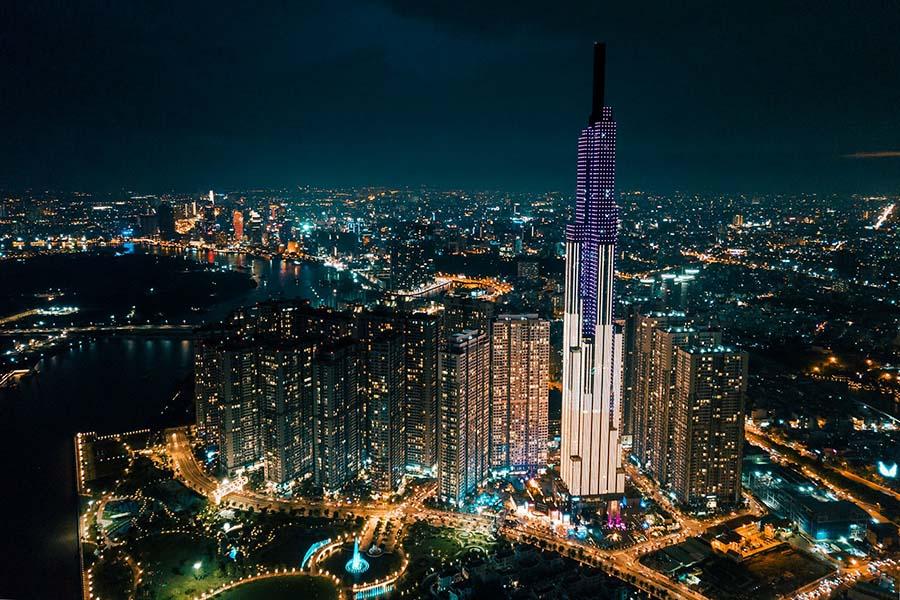
Ho Chi Minh City, affectionately known as Saigon, is Vietnam's largest city and economic powerhouse. With over 10 million people, HCMC offers the most developed infrastructure, largest digital nomad community, and most diverse opportunities for remote workers. If you thrive in bustling urban environments with endless options for work, food, and entertainment, HCMC is your city.
Why Digital Nomads Choose HCMC
Largest Nomad Community: HCMC hosts Vietnam's largest concentration of digital nomads, remote workers, and entrepreneurs. This means extensive networking opportunities, regular meetups, and an established support system for new arrivals. You'll never struggle to find like-minded people.
Best Coworking Infrastructure: The city boasts the highest number and variety of coworking spaces in Vietnam. From boutique spaces with artistic vibes to large corporate-style facilities, you'll find options to match your work style and budget.
International Vibe: HCMC feels the most international of Vietnamese cities, with Western amenities, international restaurants, English widely spoken, and a cosmopolitan atmosphere. This makes the transition easier for first-time visitors to Vietnam.
Business Opportunities: As Vietnam's economic center, HCMC offers the most opportunities for entrepreneurship, networking, and business development. Many startups and tech companies are based here.
Vibrant Nightlife and Social Scene: From rooftop bars to street food alleys to live music venues, HCMC never sleeps. After-work socializing is easy and varied.
Districts Breakdown for Digital Nomads
District 1 - The Heart of the City:
District 1 is Saigon's central business district and tourist hub. It's where you'll find the highest concentration of coworking spaces, cafes, restaurants, and entertainment options. While more expensive than other districts, it offers unbeatable convenience and walkability.
- Best for: First-time visitors, short-term stays, those who want everything within walking distance
- Accommodation: $500-1,200/month for studio/1-bedroom apartments
- Pros: Central location, most coworking spaces, excellent public transport access, tourist infrastructure
- Cons: Most expensive, noisy, heavy traffic, touristy feel
- Neighborhood highlights: Ben Thanh Market, Nguyen Hue Walking Street, Dong Khoi Street (upscale shopping)
District 2 (Thao Dien) - The Expat Haven:
Thao Dien in District 2 is the premier expat and digital nomad neighborhood. Located across the Saigon River from District 1, it offers a more relaxed atmosphere with tree-lined streets, boutique cafes, international restaurants, and a strong sense of community. This is where many long-term nomads settle.
- Best for: Long-term stays, those seeking work-life balance, expat community immersion
- Accommodation: $600-1,000/month for studio/1-bedroom apartments
- Pros: Quieter than District 1, beautiful tree-lined streets, strong cafe culture, international schools (for families), Saigon River views
- Cons: Farther from central coworking spaces (20-minute Grab ride), fewer local Vietnamese experiences, can feel like an expat bubble
- Neighborhood highlights: Thao Dien Village, Saigon River walkway, An Phu supermarket (imported goods)
District 3 and Binh Thanh - Local Flavor, Better Value:
Districts 3 and Binh Thanh offer a middle ground between the expat bubble and full local immersion. These areas are more authentically Vietnamese while still offering good infrastructure and proximity to District 1. You'll save money on accommodation while experiencing more of local life.
- Best for: Budget-conscious nomads, those seeking cultural immersion, medium-term stays
- Accommodation: $400-700/month for studio/1-bedroom apartments
- Pros: More affordable, authentic Vietnamese experience, excellent street food, still close to District 1
- Cons: Less English spoken, fewer Western amenities, narrower streets with heavier motorbike traffic
- Neighborhood highlights: Turtle Lake area (District 3), local markets, traditional cafes
Top Coworking Spaces in HCMC
- Dreamplex: Premium coworking chain with multiple HCMC locations. Modern design, excellent facilities, strong community. Day pass: $15-20, Monthly: $200-300. Locations in District 1, 2, and Binh Thanh.
- The Hive: Popular among creatives and startups. Collaborative atmosphere, regular events, good coffee. Day pass: $12-15, Monthly: $180-250. Multiple locations including District 1.
- Toong: Vietnamese coworking brand with professional environment. Good for those needing quiet work space. Day pass: $10-15, Monthly: $150-220. Several locations across the city.
- Start Coworking Campus: Large space with diverse membership. Strong startup ecosystem, networking events. Day pass: $15, Monthly: $200-280. Located in District 1.
- Circo Co-Working: Boutique space with artistic vibe. Smaller, more intimate community. Day pass: $12, Monthly: $170-220. District 3 location.
- Saigon Coworking: Budget-friendly option with solid basics. No-frills but reliable. Day pass: $8-10, Monthly: $100-150. District 1.
Best Cafes for Working in HCMC
HCMC's cafe culture is thriving, with countless cafes welcoming laptop workers. Here are standout options:
- The Workshop: Industrial-chic cafe with multiple floors, excellent WiFi, plenty of power outlets. Popular with freelancers. Multiple locations in District 1 and 2.
- L'Usine: Stylish cafe-restaurant with boutique shopping. Great for client calls in a professional setting. District 1.
- Bosgaurus Cafe: Quirky decor, strong Vietnamese coffee, reliable internet. Budget-friendly. District 3.
- Starbucks Reserve: When you need reliable chain quality. Multiple locations, consistent WiFi, comfortable seating. Good for long work sessions.
- The Coffee House: Vietnamese chain with hundreds of locations. Affordable, good coffee, reliable internet. Great fallback option everywhere.
- Bluebird's Nest: Beautiful garden cafe in Thao Dien (District 2). Peaceful atmosphere, strong WiFi, healthy food menu.
- Marou Chocolate Cafe: Local chocolate shop with excellent coffee. Quieter spot for focused work. District 1.
- Saigon Oi Cafe: Vietnamese-style cafe with fast WiFi and affordable drinks. Popular with local freelancers. District 3.
Monthly Cost of Living in HCMC
Budget Digital Nomad ($900-1,200/month):
- Accommodation: $400-500 (studio in District 3 or Binh Thanh)
- Food: $250-350 (mostly local food, occasional Western meals)
- Coworking/Cafe: $80-120 (mix of cafe working and occasional coworking day passes)
- Transportation: $40-60 (Grab, occasional taxi)
- Entertainment: $80-120 (budget activities, street food nightlife)
- Miscellaneous: $50-100 (phone, toiletries, etc.)
Mid-Range Digital Nomad ($1,200-2,000/month):
- Accommodation: $600-800 (nice 1-bedroom in District 1 or Thao Dien)
- Food: $400-500 (mix of local and Western food, regular restaurant dining)
- Coworking: $180-250 (monthly membership at good coworking space)
- Transportation: $80-120 (regular Grab usage, occasional longer trips)
- Entertainment: $150-250 (rooftop bars, activities, weekend trips)
- Gym: $40-60 (local gym membership)
- Miscellaneous: $100-150
Comfortable/Luxury Digital Nomad ($2,000-4,000+/month):
- Accommodation: $1,000-2,000 (luxury apartment in prime location)
- Food: $600-1,000 (fine dining, imported foods, delivery apps)
- Coworking: $250-350 (premium coworking with all amenities)
- Transportation: $200-300 (frequent Grab, occasional private car)
- Entertainment: $400-800 (high-end bars, activities, travel)
- Gym/Wellness: $80-150 (international gym chain or boutique fitness)
- Miscellaneous: $200-400
Community and Networking in HCMC
HCMC's digital nomad community is the most established in Vietnam. Regular events include:
- Saigon Digital Nomads: Facebook group with 5,000+ members. Weekly meetups at various venues.
- Startup Grind Saigon: Monthly startup networking events. Great for entrepreneurs.
- Coworking Space Events: Most spaces host weekly networking, workshops, or social events.
- Language Exchanges: Multiple weekly language exchange meetups for practicing Vietnamese and making local friends.
- Sports Leagues: Football (soccer), ultimate frisbee, running clubs - great for fitness and socializing.
Pros and Cons of HCMC for Digital Nomads
Pros:
- Largest digital nomad community in Vietnam
- Most coworking spaces and cafe options
- Best infrastructure and international amenities
- Excellent nightlife and entertainment
- Strong startup and business ecosystem
- Easy access to Mekong Delta for weekend trips
- Year-round warm weather (tropical climate)
Cons:
- Most expensive city in Vietnam
- Heavy traffic and pollution
- Noisy, especially in central districts
- Can feel overwhelming and hectic
- Hot and humid year-round with rainy season (May-November)
- Less traditional Vietnamese culture compared to Hanoi
For detailed information about exploring HCMC beyond work, check out our comprehensive Ho Chi Minh City Travel Guide.
Hanoi: The Cultural Heart with Four Seasons
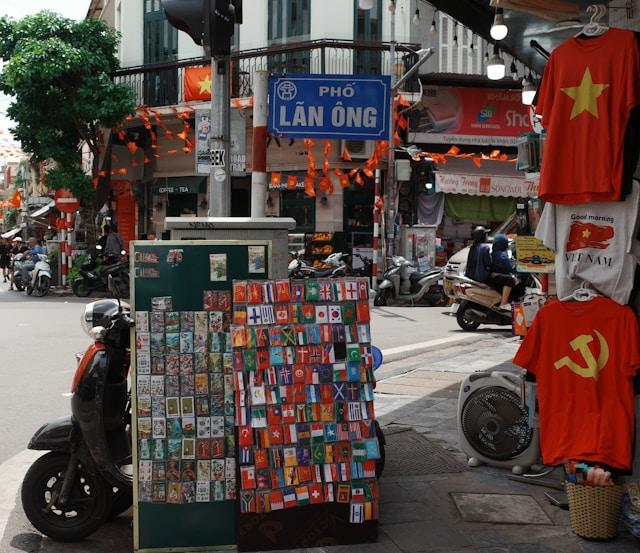
Vietnam's capital city offers a completely different vibe from HCMC. Hanoi is steeped in history and tradition, with over 1,000 years as a political and cultural center. For digital nomads who appreciate culture, incredible food, and experiencing four seasons, Hanoi is an excellent choice.
Why Digital Nomads Choose Hanoi
Unparalleled Food Scene: Hanoi is considered Vietnam's culinary capital. The food here is legendary, from street food to fine dining. Many nomads choose Hanoi primarily for the incredible, authentic Vietnamese cuisine.
Rich Culture and History: Living in Hanoi means immersion in Vietnamese culture. Ancient temples, French colonial architecture, museums, and traditional craft villages create a living history lesson.
Four Seasons: Unlike southern Vietnam's perpetual summer, Hanoi experiences four distinct seasons. While winters (December-February) can be chilly (10-15°C/50-59°F), many nomads appreciate the climate variety and cooler working temperatures.
Slower Pace: While still a major city of 8+ million, Hanoi feels more relaxed than HCMC. Life moves at a slightly slower pace, which some nomads find better for work-life balance.
Gateway to Northern Vietnam: Hanoi's location makes it easy to explore spectacular destinations like Halong Bay, Sapa, Ninh Binh, and Mai Chau on weekends.
Best Neighborhoods for Digital Nomads
Old Quarter - Historic Chaos and Culture:
The Old Quarter is Hanoi's ancient commercial district with narrow streets named after the goods historically sold there. It's chaotic, vibrant, and quintessentially Vietnamese. While noisy and busy, it offers the most authentic Hanoi experience.
- Best for: Short-term stays, cultural immersion, those who love being in the center of action
- Accommodation: $350-600/month for basic apartments; $600-900 for nicer renovated spaces
- Pros: Incredible street food, walkable to attractions, authentic atmosphere, abundant cafes
- Cons: Very noisy, narrow streets, crowded, pollution, difficult for motorbikes
- Highlights: Hoan Kiem Lake, weekend night market, beer street (Ta Hien)
West Lake (Tay Ho) - The Expat Sanctuary:
Tay Ho district surrounds West Lake, Hanoi's largest lake and premier expat neighborhood. It's quieter, cleaner, and more spacious than the Old Quarter while still offering excellent amenities. Most long-term foreign residents live here.
- Best for: Long-term stays, those seeking peace and nature, expat community connection
- Accommodation: $500-900/month for studio/1-bedroom with lake views
- Pros: Beautiful lakeside setting, excellent cafes and restaurants, international supermarkets, quieter environment, biking culture
- Cons: Farther from Old Quarter attractions, less authentic Vietnamese feel, pricier than other areas
- Highlights: Lakeside cycling/walking path, Tran Quoc Pagoda, international food scene
French Quarter (Hoan Kiem District) - Elegant and Central:
The French Quarter features wide tree-lined boulevards, colonial architecture, and a more refined atmosphere. It's between the Old Quarter and the government district, offering a balance of convenience and elegance.
- Best for: Those wanting central location with less chaos, history enthusiasts, café culture lovers
- Accommodation: $450-800/month for studio/1-bedroom apartments
- Pros: Beautiful architecture, numerous cafes, walkable, cultural attractions, less hectic than Old Quarter
- Cons: Mid-range pricing, can still be noisy, fewer local food options than Old Quarter
- Highlights: St. Joseph's Cathedral, Opera House, trendy cafe scene
Top Coworking Spaces in Hanoi
- Toong Hanoi: Multiple locations including one at Hanoi's iconic Hoan Kiem Lake. Modern facilities, professional environment. Day pass: $10-15, Monthly: $150-220.
- The Hanoi Social Club: Beloved by digital nomads for its relaxed atmosphere, garden setting, and strong community. Also serves excellent food. Day pass: $12, Monthly: $180-240. Near West Lake.
- HATCH! Coworking: Creative space with regular events and workshops. Strong startup community. Day pass: $12-15, Monthly: $170-230. Old Quarter location.
- Hanoihub: Budget-friendly option with solid amenities. Good for long-term members. Day pass: $8-10, Monthly: $120-180. Multiple locations.
- Start Network Hanoi: Part of larger Vietnam coworking network. Professional environment, good for meetings. Day pass: $15, Monthly: $200-270. Ba Dinh district.
- Up Coworking Space: Smaller, boutique space with personalized service. Day pass: $10, Monthly: $150-200. French Quarter.
Best Cafes for Working in Hanoi
Hanoi's cafe culture is legendary, with unique Vietnamese cafe styles mixed with modern specialty coffee shops:
- Gong Cha (not the chain): Traditional Vietnamese cafe with multiple floors. Strong WiFi, affordable drinks, popular with students and freelancers. Old Quarter.
- Tranquil Books & Coffee: Bookstore-cafe with peaceful atmosphere. Ideal for focused work. Near West Lake.
- Runam Bistro: Beautiful space with Korean-Vietnamese fusion. Great for afternoon work sessions. West Lake area.
- The Hanoi Coffee: Multiple locations, consistent quality, laptop-friendly. Good WiFi and comfortable seating throughout the city.
- Maison Marou Hanoi: Boutique chocolate and coffee shop. Quieter environment for concentrated work. French Quarter.
- Loading T: Gaming cafe that also welcomes remote workers. Fast internet (obviously), fun atmosphere. Multiple locations.
- Aha Cafe: Local chain with distinctive architecture and reliable service. Affordable, laptop-friendly. Various locations.
- The Note Coffee: Famous for walls covered in sticky notes. Touristy but reliable WiFi and central location. Old Quarter.
- Egg Coffee Shops: Try traditional egg coffee (cà phê trứng) at cafes like Cafe Giang or Cafe Dinh. Unique Hanoi experience, though not ideal for all-day working.
Monthly Cost of Living in Hanoi
Hanoi is generally slightly cheaper than HCMC, especially for accommodation and food:
Budget Digital Nomad ($800-1,200/month):
- Accommodation: $350-500 (basic apartment in less central areas or shared accommodation)
- Food: $250-350 (primarily local food, amazing street food scene)
- Coworking/Cafe: $80-120 (mostly cafe working)
- Transportation: $30-50 (buses, occasional Grab)
- Entertainment: $80-120 (local bars, weekend trips)
- Miscellaneous: $50-100
Mid-Range Digital Nomad ($1,200-1,800/month):
- Accommodation: $500-700 (comfortable apartment in West Lake or French Quarter)
- Food: $350-500 (mix of local and international food)
- Coworking: $150-220 (monthly coworking membership)
- Transportation: $60-100 (regular Grab usage)
- Entertainment: $150-250 (activities, weekend trips to Halong Bay/Sapa)
- Gym: $30-50 (local gym)
- Miscellaneous: $100-150
Comfortable/Luxury Digital Nomad ($1,800-3,500+/month):
- Accommodation: $800-1,500 (high-end apartment with West Lake views)
- Food: $500-800 (fine dining, imported foods)
- Coworking: $200-270 (premium coworking)
- Transportation: $150-250 (frequent Grab, private car rental)
- Entertainment: $350-600 (upscale bars, regular travel)
- Gym/Wellness: $60-120 (international gym or boutique fitness)
- Miscellaneous: $150-300
Community and Networking in Hanoi
- Hanoi Digital Nomads: Active Facebook group with regular meetups and events.
- Hanoi Massive: Large expat community group with diverse members and activities.
- Language Exchange Meetups: Several weekly events for practicing Vietnamese and English.
- Hash House Harriers Hanoi: Running/social club with weekly events. Great for fitness and socializing.
- Startup/Tech Meetups: Regular networking events for entrepreneurs and tech professionals.
Pros and Cons of Hanoi for Digital Nomads
Pros:
- Best food scene in Vietnam, authentic cuisine
- Rich cultural experiences and historical sites
- Four seasons (variety in weather)
- Slightly cheaper than HCMC
- Strong expat and nomad community
- Gateway to stunning northern Vietnam destinations
- More traditional Vietnamese atmosphere
- Beautiful French colonial architecture
Cons:
- Cold, damp winter can be uncomfortable (Dec-Feb)
- Air pollution issues, especially in winter
- Less developed infrastructure than HCMC
- More conservative and traditional atmosphere
- Fewer international amenities
- Chaotic traffic in Old Quarter
- English less widely spoken than in HCMC
Explore everything Hanoi has to offer with our comprehensive Hanoi Travel Guide.
Da Nang: Beach Lifestyle Meets Modern City
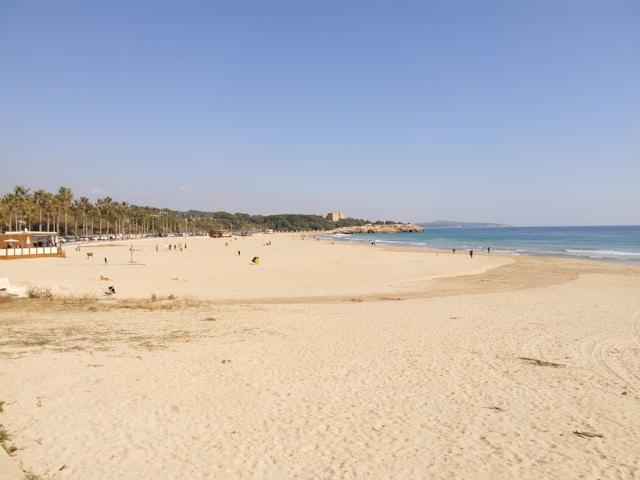
Da Nang has rapidly emerged as a top digital nomad destination in Vietnam, offering the perfect blend of beach lifestyle, modern infrastructure, and relaxed atmosphere. If you dream of working with ocean views, taking surf breaks during lunch, and enjoying a more laid-back pace, Da Nang deserves serious consideration.
Why Digital Nomads Choose Da Nang
Beach Lifestyle: Da Nang boasts some of Vietnam's best beaches, including world-famous My Khe Beach. Imagine starting your morning with a beach run, working from a beachfront cafe, and ending your day with sunset surfing. This lifestyle attracts nomads seeking work-life balance and outdoor activities.
Modern Infrastructure: Despite its more relaxed vibe, Da Nang is a modern city with excellent infrastructure. The city has invested heavily in development, resulting in clean streets, good urban planning, and reliable services - all while maintaining a manageable size.
Growing Digital Nomad Hub: Da Nang has intentionally positioned itself as a digital nomad destination. The community is smaller than HCMC or Hanoi but growing rapidly, offering a good balance between community and intimacy.
Proximity to Hoi An: Just 30 minutes away is Hoi An, the UNESCO World Heritage ancient town. This gives you two destinations in one - modern beach city and historic cultural town.
Outdoor Activities: Beyond beaches, Da Nang offers hiking in Marble Mountains, exploring Ba Na Hills, surfing, kitesurfing, and easy access to national parks. Perfect for active nomads.
Best Areas for Digital Nomads in Da Nang
My An Beach Area (An Thuong) - The Nomad Central:
An Thuong area around My An Beach has become Da Nang's digital nomad headquarters. The neighborhood features a high concentration of cafes, coworking spaces, international restaurants, and beachfront living. It's where most nomads base themselves.
- Best for: Beach lovers, surfers, those wanting easy access to nomad community
- Accommodation: $400-800/month for studio/1-bedroom apartments, often with ocean views
- Pros: Beach access, best cafe scene, growing coworking spaces, international restaurants, bikeable/walkable
- Cons: Can feel touristy, slightly more expensive than other areas, farther from city center
- Highlights: My Khe Beach, An Thuong Street (cafe street), sunset bars
Son Tra Peninsula - Peaceful Nature:
The Son Tra Peninsula offers a more secluded, nature-focused living experience. With mountains meeting the sea, it's ideal for those wanting tranquility while still being close to the city.
- Best for: Nature lovers, those seeking quiet, meditation and wellness focus
- Accommodation: $350-700/month, with some spectacular viewpoint locations
- Pros: Peaceful, natural setting, less traffic, beautiful views, fresh air
- Cons: Need motorbike for mobility, fewer immediate amenities, more isolated feel
- Highlights: Linh Ung Pagoda with Lady Buddha statue, hiking trails, secluded beaches
Downtown Da Nang - Urban Convenience:
The city center offers urban conveniences, shopping centers, local markets, and easier access to transportation hubs. It's more authentically Vietnamese with fewer tourists.
- Best for: Those preferring city life, budget-conscious nomads, cultural immersion seekers
- Accommodation: $300-600/month for studio/1-bedroom
- Pros: More affordable, local experience, shopping and services, central location
- Cons: No beach access, less nomad-focused, need to travel to beach/coworking areas
- Highlights: Han Market, Dragon Bridge, riverside cafes
Top Coworking Spaces in Da Nang
- Enouvo Space: Modern coworking with tech company on upper floors. Professional environment, excellent WiFi, air-conditioned. Day pass: $10-12, Monthly: $120-180. Near beach area.
- Up Coworking Space Da Nang: Dedicated nomad space with strong community. Regular events, comfortable setup. Day pass: $10, Monthly: $130-190. An Thuong area.
- 43 Factory Coffee Roaster: Hybrid cafe-coworking space. Coffee roastery with dedicated work areas. Day pass: $8-10, Monthly: $100-150. Industrial-chic vibe.
- CoWork Co-lab: Smaller, community-focused space. Good for building close connections. Day pass: $8, Monthly: $100-140. Downtown location.
- Work Saigon Da Nang: Branch of HCMC coworking brand. Professional setup, part of larger network. Day pass: $12, Monthly: $150-200.
Best Cafes for Working in Da Nang
Da Nang's cafe scene is exploding, with many cafes specifically catering to digital nomads:
- The Espresso Station: Popular nomad hangout with excellent coffee, strong WiFi, beachfront location. Often busy with laptop workers. An Thuong.
- Danang Coffee Roastery: Specialty coffee shop with multiple locations. Consistently good WiFi and workspace. Various neighborhoods.
- The Bloom Coffee & Tea: Beautiful space with indoor and outdoor seating. Laptop-friendly, healthy food menu. Near My Khe Beach.
- Root Coffee: Cozy spot popular with local freelancers and international nomads. Good coffee, relaxed vibe. Downtown.
- Amaretto Coffee: Multiple locations, reliable internet, comfortable seating. Good for long work sessions.
- Workaholic Coffee: The name says it all - specifically designed for working. Fast WiFi, power outlets everywhere. An Thuong area.
- Coffee 43 Factory: Beyond the coworking, the cafe area welcomes drop-in workers. Fresh roasted coffee, industrial atmosphere.
- Summer Coffee: Beachfront cafe with ocean views. Inspiring setting for creative work. My An Beach.
Monthly Cost of Living in Da Nang
Da Nang offers excellent value, generally cheaper than HCMC and similar to or slightly less than Hanoi:
Budget Digital Nomad ($800-1,200/month):
- Accommodation: $350-500 (basic studio or shared apartment)
- Food: $250-350 (local food with occasional Western meals)
- Coworking/Cafe: $80-120 (mix of cafe working and occasional coworking)
- Transportation: $40-60 (motorbike rental or Grab)
- Entertainment: $80-120 (beach activities, local nightlife)
- Miscellaneous: $50-100
Mid-Range Digital Nomad ($1,200-1,800/month):
- Accommodation: $500-700 (nice apartment near beach)
- Food: $350-500 (balanced local and international dining)
- Coworking: $130-190 (monthly coworking membership)
- Transportation: $60-100 (motorbike rental plus occasional Grab)
- Entertainment: $150-250 (surfing lessons, weekend trips to Hoi An)
- Gym/Activities: $40-60 (gym or activity memberships)
- Miscellaneous: $80-150
Comfortable/Luxury Digital Nomad ($1,800-3,500+/month):
- Accommodation: $800-1,500 (beachfront apartment or villa)
- Food: $500-800 (fine dining, international cuisine)
- Coworking: $150-200 (premium workspace)
- Transportation: $150-250 (motorbike plus frequent Grab/private car)
- Entertainment: $300-600 (water sports, spa treatments, weekend getaways)
- Gym/Wellness: $60-120 (premium gym or wellness center)
- Miscellaneous: $150-300
Community and Networking in Da Nang
- Da Nang Digital Nomads: Growing Facebook group with regular beach meetups and coworking sessions.
- Da Nang Expats: Established expat community welcoming to nomads.
- Coworking Events: Regular networking events at various coworking spaces.
- Beach Sports: Volleyball, surfing groups, morning run clubs - easy way to make active friends.
- Language Exchanges: Weekly meetups for cultural exchange.
Pros and Cons of Da Nang for Digital Nomads
Pros:
- Beautiful beaches and beach lifestyle
- Modern, clean, well-planned city
- Excellent work-life balance
- Growing but still intimate nomad community
- Affordable compared to Western beach destinations
- Close to Hoi An (30 minutes)
- Abundant outdoor activities
- Good weather most of the year
- Less chaotic than HCMC/Hanoi
- International airport with regional connections
Cons:
- Smaller nomad community than HCMC/Hanoi
- Fewer coworking options
- Limited public transportation (motorbike often necessary)
- Less nightlife and entertainment than bigger cities
- Rainy season (September-December) can be intense
- Can feel less culturally rich than Hanoi
- English less widely spoken outside nomad areas
- Typhoon season risk (though rare)
Discover everything Da Nang and nearby Hoi An offer in our Da Nang & Hoi An Travel Guide.
Other Cities Worth Considering
While HCMC, Hanoi, and Da Nang are the top three choices, several other Vietnamese cities attract digital nomads:
Hoi An - Slow Living and Creative Culture:
Just 30 minutes from Da Nang, Hoi An offers a completely different atmosphere. This UNESCO World Heritage ancient town is known for lantern-lit streets, custom tailors, and a slower pace of life. The small but dedicated nomad community is creative-focused (writers, designers, artists). Monthly costs: $700-1,200. Best for those seeking inspiration, tranquility, and artistic community.
Dalat - Mountain Cool Climate and Coffee Culture:
Located in Vietnam's Central Highlands, Dalat offers a refreshing escape from tropical heat with a cool mountain climate (15-24°C year-round). The city is surrounded by pine forests, waterfalls, and coffee plantations. Small nomad community focused on wellness and outdoor activities. Monthly costs: $600-1,100. Perfect for those who overheat easily or miss cooler weather.
Nha Trang - Beach Party Town:
Vietnam's beach capital and premier diving destination attracts nomads seeking beach life with more nightlife than Da Nang. Nha Trang offers island hopping, world-class diving at Hon Mun, and extensive water sports. The atmosphere is more touristy and party-oriented with a small but growing nomad presence. Monthly costs: $700-1,300. Best for younger nomads who want beach days, diving adventures, and vibrant nights. Several beachfront cafes cater to laptop workers.
Phu Quoc - Island Paradise:
Vietnam's largest island offers pristine beaches, diving, and tropical island living. Infrastructure has improved dramatically with new airport and resorts. Very small nomad community, more isolated feel. Monthly costs: $800-1,500. Perfect for those wanting true island escape while working remotely.
Detailed Cost of Living Breakdown for Digital Nomads
One of Vietnam's biggest appeals for digital nomads is the exceptional value for money. Your dollars, euros, or pounds stretch significantly further here than in Western countries or even other popular nomad destinations like Thailand or Bali. Let's break down exactly what you can expect to spend across different categories and lifestyle levels.
Accommodation Costs
Studio Apartments (20-30 sqm):
- Budget: $250-400/month - Basic but functional, local neighborhoods
- Mid-range: $400-650/month - Good condition, decent location, amenities
- High-end: $650-1,000/month - Modern building, prime location, facilities
One-Bedroom Apartments (35-50 sqm):
- Budget: $350-550/month - Older buildings, local areas
- Mid-range: $550-850/month - Nice finish, good neighborhoods, pools/gyms
- High-end: $850-1,500/month - Luxury buildings, serviced apartments, premium areas
Factors Affecting Rent:
- Location: District 1 HCMC and Tay Ho Hanoi command premium prices. District 3 or Binh Thanh in HCMC, or areas farther from centers, offer better value.
- Building Age: Newer buildings (built after 2015) cost 20-40% more than older apartments with similar size and location.
- Furnishing: Furnished apartments (standard for short/medium-term rentals) cost 15-30% more than unfurnished.
- Amenities: Buildings with pools, gyms, security, and elevators command higher rents.
- Lease Term: 3-month leases are standard. Longer commitments (6-12 months) can reduce rent by 10-20%.
How to Find Accommodation:
- Facebook Groups: "Saigon Housing", "Hanoi Housing", city-specific expat groups
- Real Estate Agents: Usually charge 1 month's rent as commission, often split with landlord
- Airbnb: Good for first month while you search, negotiate monthly rates (30-50% discount)
- Local Websites: batdongsan.com.vn, mogi.vn, chotot.com (Vietnamese language)
- Walking Around: "For Rent" signs (Cho Thuê) - ask locals or use Google Translate
Food and Dining Costs
Vietnam's food scene offers incredible variety at all price points. You can eat delicious meals for under $2 or splurge on fine dining for $30-50.
Street Food and Local Restaurants:
- Breakfast: Pho or banh mi - $1-2 USD
- Lunch: Rice dishes (cơm), noodles, bun - $1.50-3 USD
- Dinner: Similar prices, more variety - $2-4 USD
- Snacks: Spring rolls, banh xeo - $1-2 USD
- Coffee: Vietnamese coffee at local cafe - $0.75-1.50 USD
Mid-Range Restaurants (Vietnamese and Asian):
- Full meals: $4-8 USD per person
- Nicer Vietnamese restaurants: $6-12 USD per person
- Asian cuisine (Japanese, Korean, Thai): $8-15 USD per person
Western Food and International Restaurants:
- Casual Western (burgers, pizza, pasta): $8-15 USD
- Brunch cafes: $10-18 USD including coffee
- Fine dining: $25-60 USD per person
- Western-style coffee (Starbucks, specialty cafes): $3-5 USD
Groceries and Cooking at Home:
- Weekly market shopping (local produce, meat): $15-25 USD
- Supermarket weekly shop (mix local/imported): $30-50 USD
- Imported Western products: 2-3x home country prices
- Local products: Significantly cheaper than Western countries
Alcohol:
- Local beer (Bia Hoi, Saigon Beer) at local places: $0.50-1 USD
- Beer at Western bars/restaurants: $2-4 USD
- Cocktails at nice bars: $5-10 USD
- Cocktails at rooftop/premium venues: $10-15 USD
- Bottle of local wine: $8-15 USD
- Imported wine: $15-40 USD
Realistic Monthly Food Budgets:
- Budget Nomad: $250-350 - Primarily local food, occasional Western meals, cooking some meals, street food and local cafes
- Mid-Range Nomad: $400-550 - Balanced mix of local and Western food, regular restaurant dining, daily cafe coffee, occasional fine dining
- Comfortable Nomad: $600-900 - Frequent Western food, imported groceries, regular fine dining, daily specialty coffee, food delivery services
Coworking and Workspace Costs
Coworking Space Memberships:
- Day Pass: $8-20 USD depending on space and location
- 5-Day Pass: $40-70 USD
- 10-Day Pass: $70-120 USD
- Monthly Hot Desk: $100-220 USD (average $150-180)
- Monthly Dedicated Desk: $200-350 USD
- Private Office: $400-800+ USD depending on size
Cafe Working:
- Coffee/tea per session: $1.50-5 USD depending on cafe type
- 3-4 sessions per week: $20-60/month
- Daily cafe working: $80-150/month
- Note: Many cafes expect multiple orders for extended stays
Home Internet:
- 50 Mbps fiber: $10-15 USD/month
- 100 Mbps fiber: $15-20 USD/month
- Installation fee: $0-30 USD (sometimes waived)
- Note: Many serviced apartments include internet in rent
Transportation Costs
Motorbike:
- Monthly rental: $50-90 USD for automatic scooter
- Purchase used: $300-800 USD (can resell when leaving)
- Fuel per month: $15-25 USD for normal use
- Parking: $1-2 USD per month (apartment), $0.20-0.50 per park elsewhere
Grab (Ride-hailing):
- GrabBike (motorbike taxi): $0.50-2 USD for short trips
- GrabCar: $2-5 USD for short trips in city
- Airport transfers: $8-15 USD depending on location
- Heavy monthly use: $60-120 USD
Public Transport:
- Bus fare: $0.30-0.50 USD per trip
- Monthly bus pass: $10-15 USD
- Note: Public transport limited in most Vietnamese cities except Hanoi's new metro
Domestic Travel:
- Budget airlines within Vietnam: $30-80 USD one way
- Sleeper train: $20-60 USD depending on class and distance
- Long-distance bus: $10-30 USD
Entertainment and Activities
- Gym membership (local): $20-40 USD/month
- Gym membership (international chain like California Fitness): $50-80 USD/month
- Yoga/Pilates classes: $5-12 USD per class, $50-100/month unlimited
- Movie ticket: $4-6 USD
- Massage (1 hour): $8-15 USD local, $20-40 USD spa
- Museum/attraction entry: $2-8 USD
- Weekend day trip tour: $20-50 USD
- Weekend beach getaway: $80-200 USD including transport and hotel
Miscellaneous Costs
- SIM card with data (unlimited 4G): $5-10 USD/month
- Haircut: $3-8 USD local, $15-30 USD at international salons
- Laundry service: $0.60-1 USD per kg
- Toiletries and basics: $20-40 USD/month
- Cleaning service: $8-15 USD per session
Complete Monthly Budget Examples
Frugal Digital Nomad: $850-1,200/month
- Accommodation: $350-450 (basic studio, local area)
- Food: $250-350 (mostly local food, cooking some meals)
- Workspace: $80-120 (cafe working, occasional coworking day pass)
- Transportation: $35-60 (motorbike rental or Grab)
- SIM/Phone: $8-12
- Entertainment: $80-120 (local activities, budget travel)
- Miscellaneous: $50-100
Comfortable Digital Nomad: $1,400-2,000/month
- Accommodation: $600-800 (nice apartment, good location)
- Food: $400-550 (balanced local and Western, regular dining out)
- Coworking: $150-220 (monthly membership)
- Transportation: $70-120 (motorbike + regular Grab use)
- SIM/Phone: $10-15
- Entertainment: $150-250 (gym, activities, weekend trips)
- Miscellaneous: $100-150
Luxury Digital Nomad: $2,500-4,000+/month
- Accommodation: $1,000-1,800 (luxury apartment, prime location)
- Food: $600-1,000 (fine dining, imported foods, regular delivery)
- Coworking: $250-350 (premium workspace with amenities)
- Transportation: $180-300 (motorbike + frequent Grab/private car)
- SIM/Phone: $15-25
- Entertainment: $350-600 (premium gym, spa, frequent travel)
- Wellness: $80-150 (massage, yoga, health services)
- Miscellaneous: $200-400
Money-Saving Tips for Digital Nomads
- Embrace Local Food: Eating like a local can cut your food costs by 50-70%. Vietnamese street food is delicious, safe (choose busy stalls), and incredibly cheap.
- Negotiate Long-term Rent: Commit to 6+ months for 10-20% discount on rent.
- Share Coworking Memberships: Some spaces allow shared memberships or punch cards you can split with nomad friends.
- Get a Motorbike: Buying a used motorbike ($300-600) pays for itself in 2-3 months vs. daily Grab use. Sell it when you leave.
- Use Local Services: Vietnamese salons, tailors, repair shops are excellent quality at fraction of Western-oriented businesses.
- Shop at Local Markets: Fresh produce, meat, and goods at markets are 30-50% cheaper than supermarkets.
- Travel Off-Peak: Domestic flights and hotels are significantly cheaper on weekdays and outside holidays.
- Make Your Own Coffee: Vietnamese coffee and brewing equipment are cheap. Save $3-5 daily by making coffee at home, save fancy cafes for work sessions.
For more insights on Vietnamese living costs, check our Vietnam travel blog for tips from long-term expats.
Internet & Connectivity for Remote Work
Reliable internet is non-negotiable for digital nomads, and Vietnam delivers. The country has invested heavily in telecommunications infrastructure, resulting in excellent connectivity across major cities. Here's everything you need to know about staying connected while working remotely in Vietnam.
Home Internet Options
Fiber Optic Internet:
Fiber optic internet is widely available in Vietnamese cities, offering fast, reliable connections perfect for video calls, large file uploads, and streaming.
- 50 Mbps: $10-15 USD/month - Sufficient for most remote work needs, HD video calls, streaming
- 100 Mbps: $15-20 USD/month - Ideal for power users, multiple devices, 4K streaming
- 200+ Mbps: $20-30 USD/month - Overkill for most, but available if needed
Major Internet Providers:
- VNPT: State-owned provider with extensive coverage. Reliable but customer service can be slow.
- Viettel: Military-owned provider, generally considered most reliable with best coverage.
- FPT: Private company with good service and English-speaking support. Popular with expats.
Installation Process:
- Contact provider (visit office or call hotline)
- Provide passport copy and rental agreement/proof of address
- Schedule installation appointment (usually within 2-5 days)
- Technician installs modem and activates service (30-60 minutes)
- Pay first month and possible installation fee ($0-30 USD, sometimes waived)
Important Notes:
- Some landlords include internet in rent - check before signing
- Serviced apartments usually include internet
- Minimum contract is typically 6-12 months, but can often be terminated early with 1 month notice
- Bring passport and patience - setup requires some paperwork
Mobile Internet (4G/5G)
Vietnam's mobile internet is excellent and serves as a reliable backup or primary connection for nomads. 4G coverage is ubiquitous in cities and expanding in rural areas. 5G is rolling out in major cities.
Best Carriers for Digital Nomads:
- Viettel: Best coverage nationwide, fastest speeds, most reliable. Highly recommended.
- Vinaphone (VNPT): Good coverage in cities, competitive pricing, solid second choice.
- Mobifone: Decent coverage, slightly cheaper, acceptable for city use.
SIM Card and Data Plans:
- Tourist SIM (airports): $10-15 USD for 30 days, 4-6 GB data. Convenient but not best value.
- Local SIM with prepaid data: $5-10 USD/month for 3-6 GB data packages
- Unlimited data packages: $8-12 USD/month for truly unlimited 4G (speeds may reduce after certain threshold)
- Pay-as-you-go data: Not recommended for heavy users; packages are much better value
Getting a Vietnamese SIM Card:
- At the Airport: Tourist SIMs available at arrival halls (Tan Son Nhat HCMC, Noi Bai Hanoi, Da Nang Airport). More expensive but immediate.
- Provider Stores: Viettel, Vinaphone, and Mobifone have stores throughout cities. Requires passport copy. Best value.
- Small Shops: "Sim the" signs everywhere sell SIM cards and top-ups. May have language barrier but very convenient.
Registration Requirements:
Vietnam requires passport registration for all SIM cards. Bring your passport or a clear copy. The process takes 5-10 minutes in stores. Unregistered SIMs will stop working after initial credit expires.
Top-Up Methods:
- Scratch cards purchased at any shop ($2, $5, $10 denominations)
- Mobile banking apps (once you have Vietnamese bank account)
- Provider apps (can link international credit cards)
- Payment kiosks (automated machines in convenience stores)
Internet Speed Expectations
Home Fiber Connection:
- Download: 45-95 Mbps on 50 Mbps plan, 90-100+ Mbps on 100 Mbps plan
- Upload: Typically 20-40 Mbps
- Latency: 10-30 ms to local servers, 150-250 ms to US/Europe
- Reliability: Generally very stable with rare outages
4G Mobile:
- Download: 20-60 Mbps depending on location and congestion
- Upload: 10-25 Mbps
- Coverage: Excellent in cities, good on highways, patchy in mountains
Coworking Spaces:
- Premium spaces: 100-300 Mbps, very reliable
- Mid-range spaces: 50-100 Mbps, generally reliable
- Budget spaces: 30-50 Mbps, can be congested during peak hours
Cafe WiFi:
- Varies wildly: 5-50 Mbps typical
- Chain cafes (Starbucks, Highlands): Usually reliable, 20-40 Mbps
- Independent cafes: Hit or miss, ask for WiFi password and test before settling in
- Peak times (lunch, after work): Speeds can drop significantly
Video Call Quality
Zoom/Google Meet/Microsoft Teams:
- HD video calls (720p): Works perfectly on fiber and good 4G
- Multiple participants: No issues with standard plans
- Screen sharing: Smooth with 50+ Mbps connections
- Best times: Morning and early afternoon typically have best speeds
- Avoid: Late evening (8-10 PM) when many people stream video
Tips for Important Calls:
- Use wired connection (ethernet) instead of WiFi when possible
- Have mobile hotspot ready as backup
- Test connection 10 minutes before important meetings
- Close bandwidth-heavy applications
- Consider coworking space for critical client calls
Backup Internet Strategies
Smart digital nomads always have backup connectivity options:
- Primary + Mobile Hotspot: Most common setup. Home/coworking fiber as primary, 4G hotspot as backup. Mobile data plans are cheap enough to maintain unlimited plan ($8-12/month) just for peace of mind.
- Dual SIM Cards: Get SIMs from two different providers (Viettel + Vinaphone). If one network has issues, switch to the other.
- Portable WiFi Device: Rent or buy a portable 4G router ($40-80 one-time). Can hold SIM card and provide WiFi to multiple devices.
- Know Nearby Coworking Spaces: Keep list of 2-3 coworking spaces near your accommodation for emergency work relocations.
- Cafe Backup List: Identify 3-4 cafes with reliable WiFi you can retreat to if home internet fails.
VPN Considerations
Do You Need a VPN in Vietnam?
Vietnam does have internet restrictions, though less severe than countries like China. Some Western websites and services are occasionally blocked or slow. Many digital nomads use VPNs for:
- Accessing company networks securely
- Banking and financial transactions
- Streaming services (accessing home country content)
- General privacy and security
- Bypassing occasional website blocks
VPN Performance:
- Most reputable VPNs work well in Vietnam
- Expect 20-40% speed reduction when VPN active
- Singapore and Hong Kong servers usually provide best speeds for Vietnam users
- Popular choices: ExpressVPN, NordVPN, Surfshark (no endorsement, just commonly used by nomad community)
Internet Troubleshooting Tips
- Slow speeds: Restart modem/router, check if neighbors are streaming, try different DNS (8.8.8.8 Google DNS often helps)
- Frequent disconnections: Check cable connections, contact provider, consider switching providers
- Can't access certain websites: Try VPN, use mobile data, clear browser cache
- Provider issues: Most providers have hotlines with English support. Ask your landlord or local friend to help if language barrier exists.
For comprehensive guidance on staying connected throughout your Vietnam journey, read our stay connected while traveling in Vietnam guide.
Practical Tips for Working Remotely from Vietnam
Successfully working remotely from Vietnam requires more than just good internet and a laptop. Here are essential practical considerations for maintaining productivity, managing logistics, and thriving as a digital nomad in Vietnam.
Time Zone Management
Vietnam Time Zone: GMT+7 (Indochina Time)
Vietnam does not observe daylight saving time, which simplifies scheduling but means time differences with other countries shift throughout the year.
Time Differences with Major Regions:
- US West Coast: +15 hours (Vietnam 9 AM = California 6 PM previous day)
- US East Coast: +12 hours (Vietnam 9 AM = New York 9 PM previous day)
- UK/Ireland: +7 hours (+6 during BST) (Vietnam 2 PM = London 7 AM)
- Central Europe: +6 hours (+5 during CEST) (Vietnam 2 PM = Berlin 8 AM)
- Australia (Sydney): -3 hours (-2 during AEDT) (Vietnam 9 AM = Sydney 12 PM)
- Singapore/Malaysia: -1 hour (Vietnam 9 AM = Singapore 8 AM)
- Thailand: Same time zone
Strategies for Working with Different Time Zones:
- Working with US teams: Expect late afternoon/evening calls (4-11 PM Vietnam time for US working hours). Many nomads adjust their schedule: wake late, work into evening. Alternatively, focus on asynchronous work and schedule 1-2 evening calls per week.
- Working with European teams: Better overlap. Afternoon Vietnam time (1-6 PM) aligns with European mornings. Standard Vietnam working hours (9 AM - 6 PM) provide 3-4 hours of overlap.
- Working with Asian/Australian teams: Excellent overlap. Near-identical or only 1-4 hour differences make synchronous collaboration easy.
- Fully asynchronous work: If your work doesn't require real-time collaboration, Vietnam's time zone is ideal - work during the day while other time zones sleep, wake up to their responses.
Time Management Tools:
- Every Time Zone (everytimezone.com) - Visual comparison of working hours across zones
- World Time Buddy - Meeting scheduler across time zones
- Google Calendar - Set multiple time zones in settings
- Timezone.io - Slack integration showing team members' local times
Banking and Money Management
ATMs and Cash Withdrawal:
- ATMs everywhere in cities - finding one is never a problem
- Daily withdrawal limits: Usually $200-400 USD equivalent (5-10 million VND)
- ATM fees: $2-4 per transaction from Vietnamese banks, plus your home bank's foreign transaction fees
- Best ATMs for foreigners: HSBC, Vietcombank, and Techcombank tend to have higher limits and better English interfaces
- Always select "no conversion" when ATM offers to convert - use your bank's rate instead
International Money Transfers:
- Wise (formerly TransferWise): Most popular among nomads. Low fees, good exchange rates, can hold multiple currencies. Widely recommended.
- PayPal: Accepted by many Vietnamese businesses and freelancers, though fees are higher than Wise.
- Western Union/MoneyGram: Available but expensive. Only for emergencies.
- Bank transfers: International wire transfers are slow (3-7 days) and expensive ($25-50 fees). Avoid if possible.
Opening a Vietnamese Bank Account:
Opening a local bank account can be challenging on a tourist visa. Requirements and policies vary by bank:
- Easier banks for foreigners: Vietcombank, Techcombank, HSBC Vietnam
- Requirements: Passport, visa, proof of address (rental agreement or temporary residence registration), sometimes Vietnamese phone number
- Minimum deposit: Usually 500,000 VND (~$20 USD)
- Debit card: Issued immediately or within a week
- Monthly fees: Often free for basic accounts
- Reality check: Many digital nomads on tourist visas never bother with local accounts and rely on ATMs and international transfer services
Credit Card Acceptance:
- Increasing but not universal - Vietnam is still largely cash-based
- Widely accepted: International hotels, upscale restaurants, shopping malls, airline tickets, tour bookings
- Rarely accepted: Street food, local markets, small shops, taxis (Grab accepts cards via app)
- Visa and Mastercard most widely accepted; American Express limited
- Foreign transaction fees: Check your card - some charge 2-3%, others charge nothing
Learn more in our guide about credit card acceptance in Vietnam.
Cash Management Tips:
- Always carry cash - you'll need it daily
- Keep small bills (10,000 - 50,000 VND notes) for street food and small purchases
- Withdraw larger amounts less frequently to minimize ATM fees
- Use hotel safe or secure accommodation to store extra cash
- Count your cash when received - mistakes happen, usually honest errors
Taxes and Legal Compliance
Vietnam Tax Residency:
You become a tax resident of Vietnam if you meet either condition:
- Presence in Vietnam for 183 days or more in a calendar year, OR
- Have a habitual place of abode in Vietnam (permanent accommodation with registered residence, regardless of actual time spent)
Implications for Digital Nomads:
- Most digital nomads on tourist visas staying less than 183 days don't become tax residents and don't owe Vietnamese taxes
- Even if staying longer via visa runs, without permanent residence registration, tax residency is unlikely
- Working remotely for foreign companies while in Vietnam typically doesn't trigger Vietnamese tax obligations if you're not a tax resident
- Income from Vietnamese sources (Vietnamese clients, Vietnamese company employment) is always taxable
Home Country Tax Obligations:
Important: Being outside your home country doesn't automatically exempt you from home country taxes. Tax situations vary widely by country:
- US Citizens: Must file US taxes regardless of where they live. Foreign Earned Income Exclusion (FEIE) may apply if you qualify. Consult a US expat tax specialist.
- UK Citizens: May become non-resident for tax purposes after leaving UK, but rules are complex. Seek advice from UK expat tax specialist.
- EU Citizens: Tax rules vary by country. Some countries tax worldwide income, others don't. Research your specific country's rules.
- Australians/Canadians: Tax residency rules based on various factors including ties to home country.
Recommendation: Consult with a tax professional familiar with international remote work and your home country's tax laws. Tax situations are highly individual, and proper planning can save money and avoid problems. This guide cannot provide tax advice.
Power, Electricity, and Adapters
Vietnam Electrical System:
- Voltage: 220V (some older buildings may have 110V - rare)
- Frequency: 50 Hz
- Plug Types: Types A, C, and G most common
- Type A: US-style two flat pins (most common)
- Type C: European two round pins (common)
- Type G: UK-style three rectangular pins (less common)
What You Need:
- Most modern electronics (laptops, phones, camera chargers) are dual voltage (110-240V) and will work fine - check your device's power adapter label
- Universal travel adapter recommended - brings you flexibility across Southeast Asia
- If staying long-term, buy cheap local adapters at any electronics shop (under $2)
- Power banks essential for working in cafes and backup power
Power Considerations:
- Power outages rare in cities but do happen occasionally - usually resolved within 1-2 hours
- Most coworking spaces and modern buildings have backup generators
- Keep laptop charged and power bank ready for important work days
- Cafes usually have power outlets, but popular spots may have all outlets taken - arrive early
- Surge protectors are a good idea for protecting expensive equipment
Staying Productive: Work Environment Tips
- Establish routines: Without office structure, create your own. Same wake time, same workspace, same work hours helps maintain productivity.
- Separate work and life: Even in a studio apartment, designate a specific work area. Physical separation helps mental separation.
- Use coworking for focus: When home distractions mount or motivation wanes, coworking spaces provide professional environment and accountability.
- Vary your workspace: Alternate between home, coworking, and cafes to maintain freshness and avoid monotony.
- Schedule exploration time: Block time for discovering new cafes, neighborhoods, and experiences. Don't let work consume your Vietnam adventure.
- Weekend trips are essential: Regular breaks to explore Vietnam prevent burnout and remind you why you chose the nomad lifestyle.
- Join accountability groups: Many coworking spaces and nomad groups have focus sessions or accountability partners.
- Manage distractions: Vietnam offers endless temptations. Use website blockers, set phone to do-not-disturb, communicate working hours to new friends.
Communication Apps to Download
- Zalo: Vietnam's most popular messaging app. Essential for communicating with Vietnamese landlords, service providers, and making local friends.
- Grab: Ride-hailing and food delivery. Absolutely essential. Like Uber but much better in Vietnam.
- Google Translate: Download Vietnamese offline. Camera translation feature helps read menus and signs.
- Google Maps: Excellent coverage in Vietnam. Download offline maps for backup.
- Xe (currency): Real-time currency conversion
- WhatsApp: Popular among expat community for group chats and events
- Facebook/Facebook Messenger: Vietnam is Facebook-obsessed. Essential for finding accommodation, joining groups, attending events.
Building Community and Network as a Digital Nomad
One of the biggest challenges of digital nomad life is combating loneliness and building meaningful connections in a new place. Fortunately, Vietnam has a vibrant, welcoming nomad and expat community. Here's how to find your tribe and build a social life.
Why Community Matters
The freedom of location independence comes with a cost: isolation. Unlike traditional employment where colleagues and office socializing are built-in, remote workers must intentionally create social structures. Loneliness is one of the top reasons nomads quit the lifestyle or experience depression abroad.
Building community provides:
- Mental health support and friendship
- Professional networking and collaboration opportunities
- Local knowledge and practical help
- Shared experiences and activities
- A sense of belonging despite being far from home
Facebook Groups: Your Gateway to Community
Facebook dominates social networking in Vietnam. Joining relevant groups is the fastest way to connect with the nomad and expat community.
Digital Nomad-Specific Groups:
- "Digital Nomads Vietnam": Largest Vietnam-wide group. General questions, meetup announcements, advice.
- "Saigon Digital Nomads": Ho Chi Minh City focused. Regular meetups, coworking sessions, events.
- "Hanoi Digital Nomads": Hanoi-specific community. Smaller but active.
- "Da Nang Digital Nomads & Remote Workers": Growing community for beach-based nomads.
- "Southeast Asia Digital Nomads": Regional group for nomads traveling across SEA.
General Expat Groups:
- "Saigon Expats": 40,000+ members. Mix of nomads, teachers, long-term expats. Useful for practical advice.
- "Hanoi Massive": Large Hanoi expat community. Events, recommendations, housing.
- "Expats in Da Nang": Da Nang expat community welcoming to nomads.
- City-specific groups for other locations
Housing Groups:
- "Saigon Housing For Expats and Foreigners"
- "Hanoi Housing, Jobs & Apartments"
- "Da Nang Accommodation for Expats"
Interest-Based Groups:
- "Saigon Sports & Social" - Sports leagues and activities
- "Hanoi Hash House Harriers" - Running/drinking club (it's a thing!)
- "Saigon Runners" - Running community
- "Vietnam Hiking & Trekking"
- "Yoga in Vietnam"
- Many more for specific interests
Using Facebook Groups Effectively:
- Introduce yourself when joining - people are welcoming
- Search before asking - many questions already answered
- Contribute value - share your knowledge and experiences
- Attend meetups posted in groups - show up even if nervous
- Be respectful and positive - these communities are self-moderated
Coworking Spaces as Social Hubs
Beyond productivity, coworking spaces serve as built-in social networks for nomads:
- Regular Faces: Seeing the same people regularly leads to natural friendships
- Community Events: Most spaces host weekly social events, workshops, talks, or happy hours
- Collaboration Opportunities: Meet potential collaborators, clients, or co-founders
- Skill Sharing: Informal knowledge exchange happens naturally
- Newcomer Friendly: Coworking communities are explicitly welcoming to new members
Tips for Making Friends at Coworking Spaces:
- Attend opening/networking events
- Don't always wear headphones - signal openness to conversation
- Participate in community Slack/WhatsApp groups
- Offer help when you have expertise someone needs
- Suggest lunch or coffee breaks with regulars
- Join coworking social outings and activities
Regular Meetups and Events
Digital Nomad Meetups:
- Many cities have weekly or monthly nomad meetups
- Typically at bars, cafes, or coworking spaces
- Announced in Facebook groups
- Attend even if going alone - that's the norm
- Mix of regulars and newbies creates welcoming atmosphere
Language Exchange Events:
- Weekly events in all major cities
- Practice Vietnamese with locals wanting to practice English
- Cultural exchange and local friend-making opportunity
- Usually free or cheap (pay for your own drinks)
- Search "language exchange [city name]" on Facebook
Tech and Startup Events:
- Startup Grind: Monthly startup networking events in HCMC and Hanoi
- Tech meetups: React Vietnam, DevOps Vietnam, Data Science Vietnam, etc.
- Pitch nights: Startup pitching events attracting entrepreneurs
- Listed on meetup.com and Facebook events
Sports and Activities:
- Hash House Harriers: Running/walking club with social focus, active in HCMC and Hanoi
- Football (soccer) leagues: Weekly pickup games and organized leagues
- Ultimate Frisbee: Growing community in major cities
- Running clubs: Morning group runs in most cities
- Yoga and fitness classes: Often have social aspects
- Beach volleyball: Popular in Da Nang
Making Local Vietnamese Friends
While expat and nomad communities are great, connecting with Vietnamese locals enriches your experience:
- Language exchanges: Mentioned above, excellent for local friendships
- Learn some Vietnamese: Even basic efforts are appreciated and open doors
- Frequent the same local spots: Regular vendors, cafe owners, gym - familiarity builds relationships
- Be genuinely curious: Ask about culture, food, recommendations - people love sharing their country
- Respect customs: Show cultural sensitivity and appreciation
- Attend local events: Festivals, celebrations - participate when invited
- Tinder/dating apps: Besides romance, many locals use apps to make international friends
Dealing with Loneliness and Homesickness
Even with strong community, lonely periods happen. This is normal:
- Acknowledge it: Loneliness is a normal part of nomad life, not a personal failure
- Reach out proactively: Message people for coffee, attend events even when you don't feel like it
- Stay connected to home: Regular calls with family and old friends maintain connections
- Consider slow travel: Staying longer in each place allows deeper connections
- Join accountability or mastermind groups: Regular check-ins with same people builds bonds
- Therapy/counseling: Online therapy services like BetterHelp work from anywhere
- Take breaks from solo travel: Invite friends to visit or travel with other nomads
- Physical exercise: Proven mood booster and natural way to meet people
Building Your Personal Network
- Say yes to invitations: Especially early on, accept social invitations even if outside comfort zone
- Host your own gatherings: Organize meetups, dinners, activities - leadership attracts connections
- Follow up: Exchange contacts with people you click with and actually follow up
- Introduce people: Be a connector - introduce nomads to each other based on shared interests
- Maintain relationships: Even when you move on, stay connected with people who matter
- Quality over quantity: A few deep friendships beat hundreds of shallow connections
Health, Wellness, and Safety in Vietnam
Maintaining your physical and mental health while traveling is crucial for sustainable nomad life. Vietnam is generally safe and offers good healthcare, but knowing what to expect and how to prepare will keep you healthy and secure.
Healthcare in Vietnam
Healthcare Quality:
Vietnam has a two-tier healthcare system. Public hospitals are affordable but crowded with language barriers. Private international hospitals cater to foreigners with high standards, English-speaking staff, and modern facilities - but at higher (though still reasonable by Western standards) costs.
International Hospitals and Clinics:
- Ho Chi Minh City:
- Columbia Asia Saigon International Clinic
- Family Medical Practice
- Franco-Vietnamese Hospital
- Raffles Medical
- Hanoi:
- Hanoi French Hospital
- Family Medical Practice Hanoi
- Vinmec International Hospital
- Da Nang:
- Family Medical Practice Da Nang
- Vinmec Hospital Da Nang
- Hoan My Da Nang Hospital
Healthcare Costs (without insurance):
- General practitioner consultation: $30-60 USD
- Specialist consultation: $50-100 USD
- Dental cleaning: $25-50 USD
- Dental filling: $30-80 USD
- Basic blood tests: $30-80 USD
- X-rays: $20-50 USD
- Hospital emergency room: $100-300 USD
- Prescription medications: Usually very affordable, $5-30 USD for common drugs
Health Insurance for Digital Nomads:
Essential: Get comprehensive international health insurance. While Vietnam healthcare is affordable, serious medical issues or medical evacuation can cost tens of thousands of dollars.
- Popular options: SafetyWing, World Nomads, Cigna Global, IMG Global, Integra Global (no specific recommendations, research what fits your needs)
- What to look for:
- Coverage in Vietnam and countries you'll visit
- Emergency medical evacuation
- Hospitalization coverage
- Outpatient care
- Prescription medication
- Pre-existing conditions policy (if applicable)
- Mental health coverage (increasingly important)
- Cost range: $40-200 USD per month depending on age, coverage level, deductible
Common Health Issues and Prevention
Food and Water Safety:
- Street food: Generally safe despite Western fears. Choose busy stalls with high turnover. Watch food being cooked fresh.
- Water: Don't drink tap water. Bottled water is cheap and available everywhere. Ice in establishments is usually fine (made from filtered water).
- Travelers' diarrhea: Common in first weeks. Your system adjusts. Stay hydrated, rest, let it pass. Severe cases: see a doctor.
- Prevention: Wash hands frequently, use hand sanitizer, avoid uncooked vegetables at questionable establishments, be cautious with seafood.
Air Pollution:
- HCMC and Hanoi: Air quality can be poor, especially during dry season and rush hours
- Symptoms: Respiratory irritation, coughing, sore throat, eye irritation
- Protection: N95 or KN95 masks on bad air quality days, stay indoors with air purifier, use air quality apps (AirVisual) to monitor
- Da Nang: Better air quality due to coastal location and wind
Heat and Humidity:
- Tropical climate can be draining, especially for those from cooler climates
- Stay hydrated (drink more water than you think you need)
- Wear sunscreen daily (sun is strong)
- Take breaks in air-conditioned spaces
- Adjust work schedule - work in cool mornings and evenings if needed
- Heat exhaustion is real - rest if feeling dizzy, nauseous, or extremely fatigued
Mosquito-Borne Diseases:
- Dengue fever occurs in Vietnam, especially during rainy season
- Malaria risk is very low in cities, only a concern in remote rural areas
- Prevention: Use mosquito repellent (DEET), wear long sleeves/pants at dawn/dusk, use mosquito nets if sleeping in non-AC accommodations
- Dengue symptoms: High fever, severe headache, pain behind eyes, joint/muscle pain. See doctor immediately if suspected.
Vaccinations:
Recommended vaccinations for Vietnam (consult your doctor or travel clinic):
- Routine vaccines (MMR, DPT, flu)
- Hepatitis A (food/water contamination)
- Hepatitis B (if not previously vaccinated)
- Typhoid (food/water)
- Japanese Encephalitis (if spending extended time in rural areas)
- Rabies (if planning rural travel or animal contact)
Safety and Personal Security
Overall Safety:
Vietnam is one of Southeast Asia's safest countries. Violent crime against foreigners is very rare. The main risks are petty theft and traffic accidents.
Common Scams and Theft:
- Phone snatching from motorbikes: Most common theft. Don't use phone while standing on street, especially near road. Thieves on motorbikes grab and speed away.
- Bag snatching: Similar to phone snatching. Wear bags across body, not on street side.
- Pickpocketing: Rare but possible in crowded areas. Use cross-body bags, keep valuables in front pockets.
- Taxi scams: Use Grab app instead of street taxis. If taking street taxi, ensure meter is running correctly.
- Overcharging: More common than theft. Always ask prices beforehand, especially at markets and with street vendors.
Traffic Safety:
- Vietnam's biggest risk is traffic. Road accidents cause more injuries to foreigners than all other incidents combined.
- If riding a motorbike: ALWAYS wear a helmet, drive defensively, assume others won't follow rules, avoid rush hour, don't drive after drinking
- Crossing streets: Walk slowly and steadily - don't stop or run. Traffic flows around you.
- Consider not renting a motorbike until you've observed traffic patterns for days/weeks
- Grab bike/car is always safer than driving yourself, especially at night or if you've been drinking
Safety Tips for Solo Travelers (Including Women):
- Vietnam is generally safe for solo female travelers
- Harassment is rare compared to many countries
- Use registered taxis/Grab, especially at night
- Stay in well-lit, populated areas after dark
- Trust your instincts - if situation feels wrong, leave
- Share location with friends when meeting new people
- Join expat/nomad groups for built-in safety network
- Dress modestly when visiting temples or rural areas (out of respect more than safety)
For comprehensive safety information, read our guide on staying safe while traveling in Vietnam.
Mental Health and Wellness
Mental Health Challenges for Nomads:
- Loneliness and isolation (addressed in community section)
- Culture shock and adjustment stress
- Lack of routine and structure
- Distance from support systems
- Work-life boundaries blur
- Decision fatigue from constant choices
Maintaining Mental Wellness:
- Create routines: Even without office structure, establish daily routines for stability
- Physical exercise: Regular exercise massively impacts mental health
- Sleep hygiene: Maintain consistent sleep schedule despite flexibility
- Mindfulness practices: Meditation, yoga, journaling - find what works for you
- Social connection: Prioritize making friends and maintaining relationships
- Purpose and goals: Have clear work goals and personal development objectives
- Professional help: Online therapy is available from anywhere. Don't hesitate to use it.
Fitness and Wellness Options:
- Gyms: Widely available, $20-80/month depending on quality
- Yoga studios: Numerous options in all major cities, $5-12 per class
- Martial arts: Muay Thai, BJJ, boxing gyms available
- Running: Parks and waterfront areas good for running, join running clubs
- Swimming: Many apartment buildings have pools, public pools available
- Massage and spa: Affordable wellness option, $8-40 per session
Emergency Contacts
- Police: 113
- Ambulance: 115
- Fire: 114
- Tourist Hotline: 1800-1080 (English support)
- Save your country's embassy contact information
- Save your accommodation address in Vietnamese (for taxis/emergencies)
- International hospital numbers (listed above)
Frequently Asked Questions
Here are answers to the most common questions digital nomads ask about living and working in Vietnam.
Can I legally work on a tourist visa in Vietnam?
Working on a tourist visa in Vietnam exists in a legal gray area. While you technically cannot be employed in Vietnam without a work permit, working remotely for foreign companies on your laptop without earning income from Vietnamese sources is widely accepted in practice. Thousands of digital nomads work on tourist visas without issues. However, it's important to understand you're technically not supposed to work, and the situation could theoretically change. Most nomads find this an acceptable risk for the lifestyle benefits.
Do I need a business visa to work remotely for a foreign company?
If you're working remotely for a foreign company and not earning income from Vietnamese sources, a tourist e-visa is typically sufficient and what most digital nomads use. A business visa is more appropriate if you're conducting business activities in Vietnam, attending meetings with Vietnamese companies, or exploring business opportunities. For standard remote work, the 90-day tourist e-visa with multiple entry is the most popular choice among digital nomads.
What is the best visa option for digital nomads in Vietnam?
The 90-day multiple entry e-visa is the most popular option for digital nomads. It allows you to stay for up to 3 months and make visa runs to neighboring countries like Thailand, Cambodia, or Laos. This gives you flexibility to explore Southeast Asia while maintaining your base in Vietnam. Many nomads chain multiple 90-day visas together for longer stays using the visa run strategy.
Is Vietnam safe for solo digital nomads?
Yes, Vietnam is generally very safe for solo digital nomads, including women traveling alone. Violent crime against foreigners is rare. The main concerns are petty theft (especially phone and bag snatching from motorbikes) and traffic accidents. Stay vigilant in crowded areas, secure your belongings, be cautious in traffic, and use common sense. The digital nomad community in major cities is well-established and supportive.
What is the internet speed like in Vietnam for remote work?
Vietnam has excellent internet infrastructure suitable for remote work. Major cities like Ho Chi Minh City, Hanoi, and Da Nang typically offer speeds of 50-100 Mbps for home fiber internet and reliable connections in coworking spaces and cafes. Video calls via Zoom or Google Meet work smoothly. Mobile data networks (4G/5G) are also fast and reliable with good coverage in urban areas. Viettel and Vinaphone are the most reliable carriers.
How much does it cost to live as a digital nomad in Vietnam per month?
Digital nomads can live comfortably in Vietnam on $1,200-2,000 USD per month for a mid-range lifestyle. Budget nomads can manage on $850-1,200, while those seeking more comfort might spend $2,500-4,000+. This includes accommodation, food, coworking space or cafe working, transportation, entertainment, and travel within Vietnam. Ho Chi Minh City and Hanoi are slightly more expensive than Da Nang and other cities.
What are the best cities in Vietnam for digital nomads?
The top three cities are Ho Chi Minh City (vibrant, fast-paced, largest nomad community and most coworking spaces), Hanoi (cultural, cooler climate, incredible food scene, strong expat community), and Da Nang (beach lifestyle, growing community, excellent work-life balance). Hoi An is popular for a slower pace and creative atmosphere, while Dalat attracts those seeking cool mountain weather. Each city offers excellent coworking spaces, reliable internet, and supportive communities.
Can I work from cafes in Vietnam or do I need a coworking space?
Both options work well in Vietnam. Cafe culture is strong, and many cafes welcome laptop workers with reliable WiFi, power outlets, and comfortable seating for $2-5 per coffee. However, coworking spaces offer better internet reliability, professional environment, air conditioning, networking opportunities, and dedicated work areas ($150-220/month). Many nomads use a combination: coworking spaces for important meetings and focused work, cafes for casual working and variety.
How do digital nomads make friends and find community in Vietnam?
Vietnam has a thriving digital nomad community with many ways to connect. Join Facebook groups like "Digital Nomads Vietnam" or city-specific groups, attend coworking space events and meetups, participate in language exchanges, join fitness classes or sports groups, and attend startup/tech networking events. Cities like HCMC, Hanoi, and Da Nang have regular nomad meetups announced in Facebook groups. The community is welcoming and it's easy to make friends through shared coworking spaces.
What time zone is Vietnam in and how does it affect remote work?
Vietnam is in GMT+7 (Indochina Time) with no daylight saving time. This works well for remote workers with Asian clients (excellent overlap), European clients (afternoon Vietnam time is European morning, providing 3-4 hours of overlap), but can be challenging for US-based teams as it requires working late evenings or nights Vietnam time. Many nomads working with Western clients adjust their schedules to work afternoons and evenings, or focus on asynchronous work to manage the time difference.
Do I need to pay taxes in Vietnam as a digital nomad?
Tax residency in Vietnam is generally established after 183 days in a calendar year or having a permanent residence registration. Most digital nomads staying on tourist visas and working for foreign companies don't become tax residents. However, you still need to maintain compliance with your home country's tax obligations (US citizens must file regardless of location; other countries vary). Tax situations differ widely by individual circumstances, so it's advisable to consult with a tax professional familiar with international remote work.
Can I get a Vietnamese bank account as a digital nomad?
Opening a local bank account in Vietnam can be challenging on a tourist visa, with requirements varying by bank. Some banks (Vietcombank, Techcombank, HSBC Vietnam) are more foreigner-friendly but typically require passport, visa, proof of address, and sometimes Vietnamese phone number. Most nomads on short/medium-term stays use international money transfer services like Wise (formerly TransferWise), PayPal, or withdraw cash from ATMs with their home country cards, which is usually sufficient.
Is healthcare good in Vietnam for digital nomads?
Private healthcare in major Vietnamese cities is excellent with modern facilities, English-speaking doctors, and international hospitals. Care quality matches Western standards at a fraction of the cost. A doctor consultation costs $30-60 compared to hundreds in the US. It's essential to have international health insurance that covers you in Vietnam for serious medical issues or emergencies. Common health issues include minor food-related illness and respiratory problems from pollution, both easily treatable.
Essential Resources for Digital Nomads in Vietnam
Bookmark these resources to make your digital nomad life in Vietnam easier and more connected.
Useful Websites and Apps
Accommodation:
- Facebook Housing Groups (city-specific) - Best for long-term rentals
- Airbnb - Good for first month while searching
- batdongsan.com.vn - Vietnamese real estate site
- mogi.vn - Property listings
Transportation:
- Grab - Essential ride-hailing and food delivery app
- Google Maps - Excellent for navigation in Vietnam
- 12go.asia - Booking buses and trains across Vietnam
- VietJet, Bamboo Airways - Budget domestic flights
Communication:
- Zalo - Vietnam's primary messaging app
- WhatsApp - Expat community communications
- Facebook/Messenger - Essential for groups and events
- Google Translate - Download Vietnamese offline
Food Delivery:
- Grab Food - Most popular, widest selection
- Be - Vietnamese alternative to Grab
- Baemin (HCMC) - Korean delivery service
- Gojek (HCMC) - Indonesian service entering market
Coworking and Workspace:
- coworker.com - Directory of coworking spaces
- Spacious - Coworking booking platform
- Individual coworking space websites for membership
Weather and Air Quality:
- AirVisual (IQAir) - Real-time air quality monitoring
- Weather apps - Standard weather apps work fine
Banking and Money:
- Wise (formerly TransferWise) - International transfers
- XE Currency - Exchange rate converter
- PayPal - Accepted by many Vietnamese businesses
Facebook Groups (Join These)
Digital Nomad Groups:
- Digital Nomads Vietnam
- Saigon Digital Nomads
- Hanoi Digital Nomads
- Da Nang Digital Nomads & Remote Workers
- Southeast Asia Digital Nomads
General Expat Groups:
- Saigon Expats
- Hanoi Massive
- Expats in Da Nang
- Expats and Locals of Vietnam
Housing Groups:
- Saigon Housing For Expats and Foreigners
- Hanoi Housing, Jobs & Apartments
- Da Nang Accommodation for Expats
Activity Groups:
- Saigon Sports & Social
- Hanoi Hash House Harriers
- Vietnam Hiking & Trekking
- Various sports and interest-specific groups
Emergency Contacts
- Police: 113
- Ambulance: 115
- Fire: 114
- Tourist Hotline: 1800-1080
Embassies (Save your country's contact):
- US Embassy Hanoi: +84-24-3850-5000
- UK Embassy Hanoi: +84-24-3936-0500
- Australian Embassy Hanoi: +84-24-3774-0100
- Canadian Embassy Hanoi: +84-24-3734-5000
- (Search "[your country] embassy Vietnam" for specific contact)
Recommended Reading and Podcasts
- Nomad List: Vietnam city pages with data-driven insights
- Vietnam Coracle: Excellent independent Vietnam travel blog
- The Remote Show: Podcast about remote work lifestyle
- Digital Nomad subreddit: r/digitalnomad community
Start Your Digital Nomad Journey in Vietnam
Vietnam offers an unbeatable combination for digital nomads: affordable living costs, excellent infrastructure, reliable internet, diverse lifestyle options, rich culture, incredible food, and a welcoming, established nomad community. Whether you're seeking the energy of Ho Chi Minh City, the cultural richness of Hanoi, or the beach lifestyle of Da Nang, Vietnam has a place for you.
The rise of remote work has transformed how we think about living and working. Vietnam has positioned itself as one of Southeast Asia's premier destinations for this new generation of location-independent workers. The infrastructure is ready, the community is thriving, and the opportunities for both professional growth and personal adventure are limitless.
Starting your digital nomad journey in Vietnam is straightforward: secure your e-visa, book your accommodation for the first month, arrive with an open mind, and begin exploring. The beauty of the digital nomad lifestyle is its flexibility - try different cities, adjust your routine, find what works for you, and embrace the adventure.
Remember that being a digital nomad isn't just about working from exotic locations - it's about growth, learning, cultural immersion, and experiencing life in new ways. Vietnam will challenge you, inspire you, feed you incredibly well, and introduce you to people and experiences you'll carry with you forever.
The practical details matter - understanding visas, finding reliable internet, managing your finances - but don't let logistics paralyze you. Thousands of digital nomads before you have successfully navigated these challenges, and the community is always willing to help newcomers. Start with the basics, learn as you go, and don't be afraid to make mistakes.
Whether you're planning a one-month trial, a three-month deep dive, or a year-long Southeast Asian adventure with Vietnam as your base, the time to start is now. The world of remote work has opened doors that previous generations couldn't imagine. Vietnam is waiting to welcome you with open arms, steaming bowls of pho, and endless opportunities.
Your adventure begins with a single step: applying for your Vietnam e-visa. Don't wait for the "perfect time" - there's no such thing. Start planning today, book your ticket, and take the leap. The digital nomad community in Vietnam is ready to welcome you, and your next chapter is waiting to unfold.
Ready to begin your digital nomad journey in Vietnam? Apply for your 90-day multiple entry e-visa today and take the first step toward your location-independent lifestyle in one of Southeast Asia's most exciting destinations.
For more information about exploring Vietnam beyond work, check out our comprehensive Vietnam travel guides covering all major destinations, or browse our Vietnam travel blog for tips, stories, and practical advice from experienced travelers and long-term residents.
Welcome to Vietnam. Welcome to the digital nomad life. Your adventure starts now.