Da Nang & Hoi An Travel Guide 2026: Complete Guide to Central Vietnam
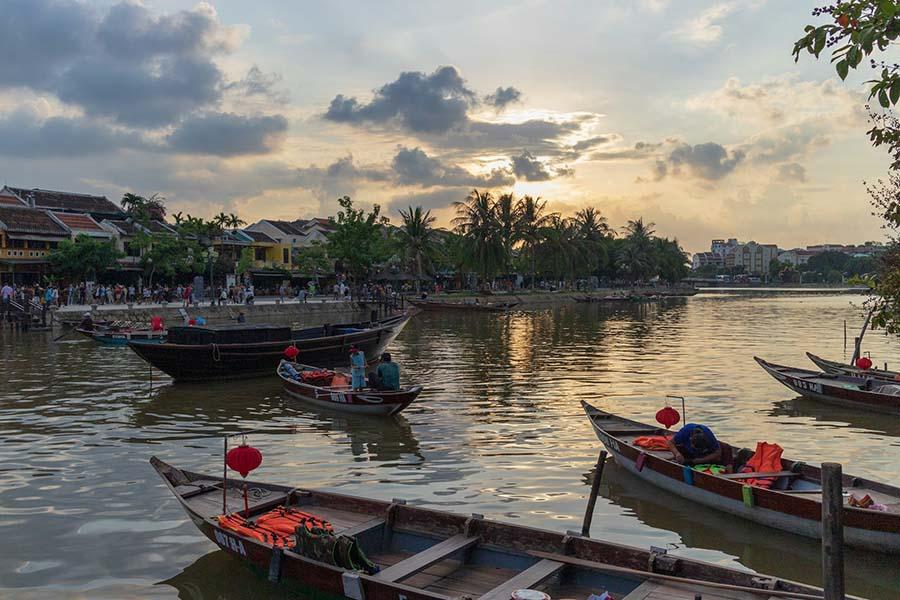
Introduction: Why Visit Da Nang & Hoi An Together?
Central Vietnam is home to two of the country's most captivating destinations: the modern coastal city of Da Nang and the enchanting ancient town of Hoi An. Located just 30 kilometers apart, these complementary destinations offer the perfect combination of beach relaxation, cultural immersion, historical exploration, and culinary adventure. Together, they attract over 90,000 searches monthly from travelers planning their Vietnam journey.
Da Nang is Vietnam's third-largest city and fastest-growing tourism hub. With pristine beaches stretching for kilometers, dramatic mountain passes, modern infrastructure, and a vibrant food scene, Da Nang represents contemporary Vietnam at its finest. The city serves as the transportation hub for Central Vietnam, with Da Nang International Airport welcoming millions of international visitors annually.
Hoi An, a UNESCO World Heritage Site, is a beautifully preserved ancient trading port that has retained its historic charm for over 400 years. With lantern-lit streets, centuries-old architecture, world-renowned tailors, and some of Vietnam's best cuisine, Hoi An feels like stepping back in time. The town's magical atmosphere intensifies after sunset when thousands of colorful silk lanterns illuminate the streets and riverside.
Most travelers visit both destinations in a single trip, typically spending 2-3 nights in Da Nang for beach time and modern amenities, then 2-3 nights in Hoi An for cultural immersion and old-world charm. This combination offers the best of both worlds: relaxation and adventure, modern and traditional, beach and culture.
Before you begin planning your Central Vietnam adventure, ensure your travel documents are in order. Vietnam requires most international visitors to obtain a visa before arrival. Our streamlined Vietnam e-Visa service makes the application process quick and hassle-free, allowing you to secure your visa online in just minutes with approval within 3 business days. Don't let visa requirements delay your trip—apply now and start counting down to your Central Vietnam adventure!
Key Highlights of the Region
- Da Nang's pristine beaches: My Khe Beach (named one of the world's most beautiful by Forbes), Non Nuoc Beach, and more kilometers of white sand coastline
- Hoi An Ancient Town: UNESCO World Heritage Site with 800+ preserved historic buildings
- Marble Mountains: Five marble and limestone hills with caves, temples, and panoramic views
- Hai Van Pass: One of the world's most scenic coastal drives
- My Son Sanctuary: UNESCO World Heritage ancient Hindu temple complex (Champa ruins)
- Golden Bridge: Instagram-famous bridge held by giant stone hands
- Hoi An's lantern festivals: Full moon celebrations with thousands of lanterns
- World-class cuisine: Central Vietnamese specialties including cao lau, banh mi, and white rose dumplings
- Custom tailoring: Hoi An's legendary tailors can create bespoke clothing in 24-48 hours
- Cham Islands: Protected marine park perfect for snorkeling and diving day trips
Da Nang is an excellent choice for travelers seeking beaches combined with culture. If you're looking for pure beach and diving focus, consider Nha Trang (Vietnam's diving capital), or for a tropical island atmosphere, explore Phu Quoc. However, no destination matches the unique blend of beach, culture, and history that Da Nang and Hoi An offer together.
Getting There & Visa Requirements
Da Nang International Airport
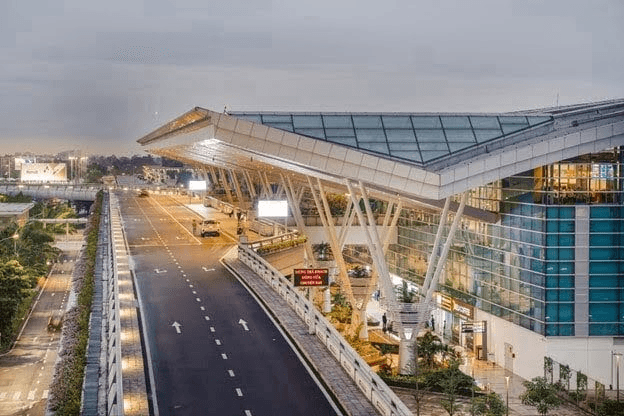
Da Nang International Airport (DAD) is Central Vietnam's primary aviation gateway and the country's third-busiest airport, serving over 14 million passengers annually. The modern, efficiently-run airport features a single terminal handling both domestic and international flights.
Is Da Nang the Right Airport for You? Wondering if Da Nang is the perfect gateway for your Vietnam adventure? Check out our Best Airports to Enter Vietnam Guide to compare Da Nang with Hanoi and Ho Chi Minh City based on your itinerary, beach access, and travel style.
Airport Facilities: The terminal offers comprehensive facilities including currency exchange counters, ATMs, SIM card vendors (Viettel, Vinaphone, Mobifone), tourist information desks, cafés, restaurants, duty-free shopping, and car rental agencies. The airport is clean, modern, and much less crowded than Hanoi or Ho Chi Minh City airports.
International Connections: Direct international flights connect Da Nang with major Asian hubs including Bangkok, Singapore, Seoul, Tokyo, Hong Kong, Shanghai, Taipei, and Kuala Lumpur. Flights from Europe, Australia, and North America typically require one connection through these Asian cities. Major airlines serving Da Nang include Vietnam Airlines, Vietjet Air, Bamboo Airways, Korean Air, Thai Airways, and Singapore Airlines.
Domestic Connections: Frequent daily flights connect Da Nang with Hanoi (1.5 hours), Ho Chi Minh City (1.5 hours), and other Vietnamese destinations. Budget airlines like Vietjet and Bamboo Airways often offer fares as low as $25-40 USD for domestic routes when booked in advance.
Immigration & Fast-Track Services: During peak travel seasons and when multiple international flights arrive simultaneously, immigration queues at Da Nang Airport can extend to 45-90 minutes. To bypass the lines and start your vacation immediately, consider our premium Fast-Track Airport Service at Da Nang. Our VIP meet-and-greet service ensures you breeze through immigration in minutes with professional assistance through all airport procedures.
Want to learn more about fast-track services? Read our comprehensive Vietnam Airport Fast-Track Guide for detailed information about service options, pricing, the step-by-step process, and expert tips for Da Nang Airport.
Visa Requirements for Vietnam
Important: Most international visitors require a visa to enter Vietnam. Ensure you have your visa approved before traveling to avoid being denied boarding or entry at the airport.
The most convenient option is to apply for a Vietnam e-Visa online. Our streamlined application process takes just 5-10 minutes to complete, and you'll receive your approved e-Visa via email within 3 business days. The e-Visa is valid for up to 90 days with single or multiple entry options, perfect for most tourist and business trips.
E-Visa Benefits:
- 100% online application—no embassy visits required
- Quick approval within 3 business days (or faster with priority processing)
- Valid for entry through Da Nang International Airport and all major Vietnamese ports of entry
- Single or multiple entry options available
- Up to 90 days validity
- Downloadable PDF delivered to your email—print or show on mobile device at immigration
Need your visa urgently? We offer expedited processing options including 1-day and emergency 4-hour service for last-minute travelers. To ensure your application is approved without delays, check our guide on how to avoid common visa rejection mistakes. Apply now and travel with confidence!
Transportation from Da Nang Airport
The airport is conveniently located just 3km from Da Nang city center and 30km from Hoi An. Several transportation options are available:
To Da Nang City Center (3-5 km)
- Grab (Ride-Hailing App): The most convenient and reliable option. Download the Grab app before arrival. A GrabCar to central Da Nang costs approximately 40,000-70,000 VND ($1.50-3 USD) and takes 10-15 minutes. GrabBike (motorbike) is cheaper at 20,000-35,000 VND but only suitable with minimal luggage.
- Official Airport Taxi: Mai Linh and Vinasun taxis are available at the official taxi stand outside arrivals. Expect to pay 60,000-100,000 VND ($2.50-4 USD) to city center hotels. Ensure the meter is running.
- Hotel Shuttle: Many Da Nang hotels offer complimentary or low-cost airport pickup service. Arrange in advance with your hotel.
To Hoi An (30 km)
- Grab: The most popular option. A GrabCar to Hoi An Ancient Town costs approximately 200,000-300,000 VND ($8-12 USD) and takes 35-45 minutes depending on traffic.
- Airport Taxi: Fixed-rate taxis to Hoi An cost around 350,000-450,000 VND ($14-18 USD). Confirm the price before departure.
- Private Transfer: Pre-booked private transfers cost $12-20 USD and include meet-and-greet service with a driver holding your name sign. Many hotels and online booking platforms offer this service.
- Shared Shuttle Bus: Some companies operate shared airport shuttles to Hoi An for around 120,000-150,000 VND ($5-6 USD) per person. Schedules align with major flight arrivals but involve multiple stops.
Alternative: Arriving via Hanoi or Ho Chi Minh City
If direct international flights to Da Nang aren't available from your departure city, you can fly into Hanoi (Northern Vietnam) or Ho Chi Minh City (Southern Vietnam) and take a connecting domestic flight to Da Nang. Both Hanoi and HCMC offer far more international connections.
Domestic flights from Hanoi or HCMC to Da Nang are frequent (10-20 flights daily), affordable ($30-80 USD depending on booking time), and take just 1.5 hours. Alternatively, the scenic Reunification Express train offers an overnight journey from Hanoi (14-16 hours) or HCMC (18-20 hours) with beautiful coastal views—a memorable experience for those with extra time.
Planning to explore multiple cities? Check out our Hanoi Travel Guide and Ho Chi Minh City Travel Guide for comprehensive information about Vietnam's capital and largest metropolis.
Getting Around the Region
Traveling between Da Nang and Hoi An, as well as exploring each destination, is straightforward with multiple transportation options to suit different budgets and preferences.
Between Da Nang and Hoi An
The 30-kilometer journey between these two cities takes 35-50 minutes depending on traffic. Here are your options:
- Grab (Recommended): The most flexible and convenient option. GrabCar costs 180,000- 280,000 VND ($7-11 USD) one way. Book through the app anytime, and a driver will pick you up at your exact location.
- Private Transfer: Hotels can arrange private cars for around $12-18 USD one way. Useful if you have lots of luggage or traveling in a group.
- Local Bus: The yellow bus #1 runs between Da Nang city center and Hoi An approximately every 20-30 minutes from 5:30 AM to 6:00 PM. Cost is just 30,000 VND ($1.20 USD) per person. The journey takes about 1 hour with multiple stops. Buses can be crowded and aren't ideal with large luggage, but it's the budget choice.
- Taxi: Official taxis (Mai Linh, Vinasun) cost around 300,000-400,000 VND ($12-16 USD) one way. Always ensure the meter is running.
- Motorbike Rental: For confident riders, renting a motorbike ($5-8 USD per day) offers freedom to explore at your own pace. The road between Da Nang and Hoi An is well-maintained and scenic, passing through coastal areas and local villages. International Driving Permit recommended but not always enforced.
Getting Around Da Nang
Da Nang is a spread-out city where most attractions are too far apart to walk between them:
- Grab: The primary way most travelers get around. Fares within the city are very affordable, typically 25,000-60,000 VND ($1-2.50 USD) for most trips.
- Motorbike Rental: Hotels and rental shops offer motorbikes for 100,000-150,000 VND ($4-6 USD) per day. Da Nang has good roads and is easier to navigate than Hanoi or HCMC. Helmets are mandatory.
- Bicycle: Some hotels offer complimentary bicycles. Cycling works well along the beach promenade but isn't practical for reaching distant attractions like Marble Mountains or Ba Na Hills.
- Taxi: Mai Linh and Vinasun are reputable companies. Always use the meter.
Getting Around Hoi An
Hoi An Ancient Town is compact, pedestrian-friendly, and best explored on foot. The historic center is closed to motorbikes and cars from 8:00 AM to 11:00 AM and 3:00 PM to 9:30 PM.
- Walking: The best way to experience Hoi An Ancient Town. Most hotels, restaurants, and attractions are within a 10-20 minute walk.
- Bicycle: Hotels typically provide free bicycle rentals. Perfect for exploring areas beyond the old town, including An Bang Beach (4 km), rice paddies, and local villages. Cycling through Hoi An's narrow lanes is a quintessential experience.
- Motorbike: Useful for reaching An Bang Beach or nearby attractions outside the old town. Rentals cost 80,000-120,000 VND ($3-5 USD) per day. Remember: motorbikes cannot enter the ancient town during restricted hours.
- Grab: Available but less necessary given Hoi An's small size. Useful for trips to the beach or when you don't want to cycle.
Organized Tours
For destinations like My Son Sanctuary, Ba Na Hills (Golden Bridge), Hai Van Pass, and Cham Islands, organized tours are the most practical option. Most tours include hotel pickup/drop-off, entrance fees, guide, and sometimes meals. Book through your hotel, local tour agencies, or reputable online platforms. Prices typically range from $15-60 USD per person depending on the destination and tour quality.
Da Nang: The Beach City
Da Nang has transformed from a quiet coastal city into one of Vietnam's most dynamic destinations. With stunning beaches backed by dramatic mountains, a rapidly modernizing skyline, excellent dining, vibrant nightlife, and warm hospitality, Da Nang offers the perfect blend of relaxation and urban energy.
Da Nang's Best Beaches
Da Nang's coastline stretches for over 30 kilometers, offering some of Asia's finest beaches with soft white sand, clean waters, and consistent waves.
My Khe Beach
My Khe Beach was named by Forbes as one of the world's most beautiful beaches and is Da Nang's most famous stretch of sand. The beach extends for several kilometers along Da Nang's eastern coast, offering pristine conditions, gentle waves suitable for swimming, and stunning mountain backdrops.
What to Expect: Soft white sand, warm clear water year-round, professional lifeguards during peak hours, beach chair and umbrella rentals (50,000-100,000 VND/$2-4 USD per day), showers and changing facilities, and numerous beachfront restaurants and cafés.
Best For: Swimming, surfing (September-March when waves are bigger), sunbathing, morning beach walks, and watching spectacular sunrises.
Beach Clubs & Restaurants: The beachfront is lined with excellent venues including Soul Kitchen, Bread & Butter Beach House, Waterfront Restaurant, and Bikini Beach Bar, offering everything from Vietnamese cuisine to Western comfort food, cocktails, and fresh seafood.
Non Nuoc Beach
Located south of My Khe near the Marble Mountains, Non Nuoc Beach is quieter and more laid-back. This area has attracted luxury resort development, with properties like Furama Resort, Pullman, and Hyatt lining the coastline.
What to Expect: Pristine sand, crystal-clear water, fewer crowds than My Khe, luxury resort beach clubs, and beautiful views of the Marble Mountains.
Best For: Peaceful beach time, luxury resort experiences, families, and those seeking a more refined beach atmosphere.
Beach Safety Tips
- Swimming: Conditions are generally safe year-round. Lifeguards are present during peak hours at My Khe. Respect red flags indicating dangerous conditions.
- Waves: September-March brings bigger waves—great for surfers but be cautious if you 're not a strong swimmer.
- Sun Protection: The tropical sun is intense. Use high-SPF sunscreen, seek shade during midday (11 AM-2 PM), and stay hydrated.
- Belongings: Keep valuables secure. Most beach clubs and hotels offer lockers or secure storage.
Top Da Nang Attractions
1. Marble Mountains (Ngu Hanh Son)
Five marble and limestone hills named after the five elements (metal, wood, water, fire, earth), the Marble Mountains are among Da Nang's most iconic landmarks. These sacred peaks contain numerous caves, Buddhist and Hindu grottoes, pagodas, and lookout points offering panoramic views of the coastline.
Highlights: Climb stairs carved into the rock, explore natural caves transformed into temples, visit the impressive Huyen Khong Cave with sunlight streaming through natural skylights, see the giant Buddha statue, and enjoy 360-degree views from the summit.
Location: 8 km south of Da Nang city center, between Da Nang and Hoi An
Entrance Fee: 40,000 VND ($1.60 USD); elevator to summit 15,000 VND ($0.60 USD) optional
Hours: Daily 7:00 AM - 5:30 PM
Time Needed: 2-3 hours
Tips: Wear comfortable shoes with good grip (stairs can be steep and slippery). Dress modestly for temple areas. Visit early morning or late afternoon to avoid midday heat and crowds. The marble carving village at the base sells beautiful stone sculptures and souvenirs.
2. Ba Na Hills & Golden Bridge
Ba Na Hills is a massive mountain resort complex featuring Vietnam's most Instagram-famous attraction: the Golden Bridge held aloft by giant stone hands. The complex also includes a French village replica, gardens, temples, amusement park, and cable car system offering spectacular views.
Highlights: Golden Bridge (Cau Vang) with its giant hand supports, one of the world' s longest cable car rides, French Village with European architecture, Fantasy Park indoor amusement park, Linh Ung Pagoda, beautiful gardens, and cool mountain climate (20°C/68°F even in summer).
Location: 25 km west of Da Nang (approximately 45 minutes by car)
Entrance Fee: 750,000-900,000 VND ($30-36 USD) including cable car and most attractions
Hours: Daily 7:00 AM - 10:00 PM (cable car hours vary)
Time Needed: Full day (6-8 hours)
Tips: Arrive early (7:00-8:00 AM) to avoid crowds at the Golden Bridge. Bring a light jacket as mountain temperatures are significantly cooler. Most tours include lunch. Photography drones are not permitted. The complex is massive—wear comfortable walking shoes.
3. Dragon Bridge (Cau Rong)
Da Nang's most striking modern landmark, the Dragon Bridge spans the Han River with a steel dragon design. The dragon's head actually breathes fire and water in spectacular weekend shows.
Fire & Water Show: Every Saturday and Sunday at 9:00 PM, the dragon breathes fire (for several minutes) followed by water spray. Crowds gather on both sides of the bridge to watch. Best viewing spots are along Bach Dang Street on the riverfront.
Best Time to Visit: Evening when illuminated with colorful LED lights. The bridge is particularly photogenic at sunset and during the weekend shows.
4. Son Tra Peninsula (Monkey Mountain)
This lush peninsula north of Da Nang city offers pristine nature, beautiful beaches, and the massive Lady Buddha statue (Linh Ung Pagoda). The peninsula is home to the endangered red-shanked douc langur monkeys, earning it the nickname "Monkey Mountain."
Highlights: 67-meter-tall Lady Buddha statue (tallest in Vietnam), Linh Ung Pagoda with ocean views, scenic coastal drive with lookout points, secluded beaches, jungle hiking trails, and wildlife spotting opportunities.
Access: Rent a motorbike or hire a car/driver for the day (the peninsula is large and requires motorized transport). The winding mountain road offers spectacular coastal views.
5. Han Market & Riverside
Da Nang's central market is the heart of local commerce and a great place to experience everyday Vietnamese life. The riverside promenade along the Han River is perfect for evening strolls with views of illuminated bridges.
What to Find: Fresh produce, seafood, meats, Vietnamese street food, clothing, souvenirs, fabrics, and household goods. The food section on the second floor serves excellent local dishes at very affordable prices.
Da Nang Nightlife
Da Nang's nightlife scene has grown significantly, offering everything from sophisticated rooftop bars to beach clubs and lively local beer spots. The city is more relaxed and less touristy than HCMC or Hanoi nightlife, with reasonable prices and friendly locals. For insights into Vietnam's nightlife culture, read our comprehensive guide on Vietnam nightlife.
Popular Nightlife Areas
- My Khe Beach Bars: Beach clubs and bars along the beachfront offer sunset cocktails, live music, and ocean views. Popular spots include Soul Kitchen, Waterfront, and Bikini Beach Bar.
- Bach Dang Riverside: The riverfront promenade features bars, cafés, and restaurants with bridge views and breezes. Great for evening walks and drinks.
- An Thuong Area: Just behind My Khe Beach, this neighborhood has emerged as Da Nang' s dining and nightlife hub with trendy restaurants, cocktail bars, craft beer spots, and cafés.
Recommended Bars & Clubs
- Sky36 (Novotel Da Nang Premier): Da Nang's highest rooftop bar on the 36th floor with 360-degree city views, craft cocktails, and DJ music. Dress code enforced on weekends.
- Brilliant Top Bar (Brilliant Hotel): Rooftop bar with ocean views, infinity pool, and affordable drinks ($3-6 USD cocktails). More relaxed than Sky36.
- New Phuong Dong (Golden Pine Pub): Popular local spot with affordable beer, live music, and authentic Vietnamese pub atmosphere. Packed with locals and expats on weekends.
- Bamboo 2 Bar: Long-standing expat favorite with pool tables, sports on TV, and affordable drinks. Friendly staff and international crowd.
Where to Stay in Da Nang
Da Nang offers excellent accommodation value with options ranging from budget hostels to luxury beach resorts. Most visitors choose to stay near My Khe Beach for convenient beach access and the best selection of restaurants and bars.
Budget ($15-35/night)
- Hostels & Guesthouses: The An Thuong area behind My Khe Beach has numerous budget options. Dorm beds start at $6-10 USD, private rooms $15-25 USD. Popular choices: Hola Beach Hostel, Lucy's House, Memory Hostel. Facilities include air conditioning, hot water, free breakfast, and social atmosphere.
Mid-Range ($35-80/night)
- Beachfront Hotels: Numerous 3-4 star hotels line My Khe Beach offering ocean views, pools, and beachfront locations at very reasonable prices. Recommendations: Hoa An Hotel, Furama Resort (sometimes available in this range with deals), Brilliant Hotel, Rosaka Hotel. Most include breakfast, beach access, and helpful staff.
Luxury ($80-250/night)
- Beach Resorts: Da Nang has attracted major international resort brands. Exceptional properties include Hyatt Regency Da Nang, Pullman Da Nang Beach Resort, Premier Village Da Nang, InterContinental Da Nang Sun Peninsula Resort (hillside luxury), and Sheraton Grand Da Nang Resort. Expect infinity pools, spa facilities, multiple restaurants, private beach access, and world-class service.
Where to Stay
- My Khe Beach Area (Recommended): Best beach access, numerous restaurants and bars, walkable neighborhood, and central location.
- Non Nuoc Beach: Quieter, more upscale resort area near Marble Mountains. Best for luxury resort stays and families.
- City Center: More local atmosphere, near Han Market and the riverfront, but requires transportation to reach beaches (5-10 minutes).
Hoi An: The Ancient Town
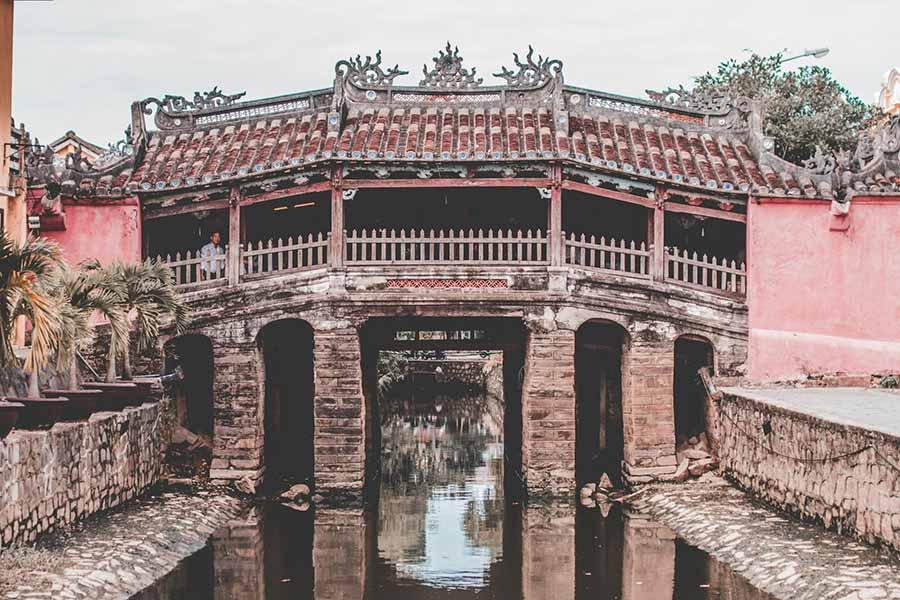
Hoi An is one of Southeast Asia's most enchanting destinations and a UNESCO World Heritage Site that has preserved its historic character for over 400 years. This ancient trading port, once a bustling hub connecting Asia with Europe, has retained its traditional architecture, narrow pedestrian streets, and timeless atmosphere while adapting to modern tourism with excellent hotels, restaurants, and services.
What makes Hoi An truly magical is its lantern-lit evenings. As the sun sets, thousands of colorful silk lanterns illuminate the ancient town, casting a warm glow over the historic buildings, bridges, and riverside. The combination of well-preserved architecture, vibrant cultural traditions, world-class cuisine, and the enchanting lantern displays creates an atmosphere unlike anywhere else in Vietnam.
Hoi An Ancient Town
The heart of Hoi An is its Ancient Town, a remarkably preserved collection of over 800 historic buildings showcasing Chinese, Japanese, French, and Vietnamese architectural influences. The entire old town is a pedestrian zone during most hours, creating a peaceful, car-free environment perfect for wandering.
Ancient Town Ticket
To enter specific heritage houses, assembly halls, museums, and some temples within the Ancient Town, you need an Old Town ticket (120,000 VND/$5 USD). The ticket grants access to 5 attractions of your choice from about 20 available options and is valid for multiple days. You can purchase tickets at designated booths throughout the old town.
Note: Many restaurants, shops, and streets in the Ancient Town can be accessed for free without a ticket. You only need the ticket to enter the designated heritage sites, museums, and assembly halls. Most visitors find that exploring the atmospheric streets, bridges, and riverfront areas is equally rewarding without entering every ticketed site.
Must-See Ancient Town Highlights
1. Japanese Covered Bridge (Chua Cau)
Hoi An's most iconic symbol, this beautiful covered bridge was built by the Japanese community in the 1590s. The unique structure features a temple inside the bridge, intricate carvings, and statues of dogs and monkeys guarding the entrances. The bridge appears on Vietnamese 20,000 dong banknotes.
Entrance: Requires Old Town ticket
Best Time: Early morning (6:00-8:00 AM) before crowds arrive, or evening when illuminated
2. Tan Ky Old House
One of the best-preserved merchant houses in Hoi An, this 200-year-old home showcases traditional Vietnamese architecture with Chinese and Japanese influences. The knowledgeable family still lives here and offers fascinating insights into the house's history and architectural features.
Location: 101 Nguyen Thai Hoc Street
Entrance: Requires Old Town ticket
3. Assembly Halls (Hoi Quan)
These ornate meeting halls served the Chinese communities in Hoi An. The most impressive include:
- Fujian Assembly Hall: Largest and most elaborate, dedicated to the goddess of the sea with stunning decorations, altars, and courtyard gardens
- Cantonese Assembly Hall: Beautiful courtyard and intricate wood carvings
- Phuc Kien Assembly Hall: Colorful ceramics and impressive gate
4. Museum of Folk Culture
This excellent museum provides context about traditional Hoi An life, customs, and culture through exhibits, artifacts, and reconstructed traditional spaces. Air-conditioned and informative—a great mid-day respite from the heat.
5. Riverside Promenade & Waterfront
The picturesque riverfront along the Thu Bon River is the social heart of Hoi An. Lined with restaurants, cafés, and shops, this area comes alive in the evening with lanterns reflected in the water, traditional boats, and vibrant energy. It's free to enjoy and arguably the most atmospheric part of town.
Hoi An's Famous Lanterns
Silk lanterns in every color, size, and shape are Hoi An's signature craft. The tradition dates back centuries, and today hundreds of lantern shops line the streets creating a magical atmosphere after dark.
Lantern Experience
- Evening Illumination: From around 6:00 PM onward, thousands of lanterns light up the Ancient Town creating one of Vietnam's most photogenic scenes.
- Floating Lanterns: For 10,000-20,000 VND ($0.40-0.80 USD), you can release a floating candle lantern on the river while making a wish—a beloved Hoi An tradition. Vendors on the riverside sell the lanterns every evening.
- Full Moon Festival: On the 14th day of each lunar month, Hoi An hosts a special lantern festival where the Ancient Town turns off electric lights and is illuminated entirely by lanterns and candles. The atmosphere is extraordinary with traditional music, cultural performances, and even more lanterns than usual. Plan your visit around this if possible!
- Lantern Making Class: Several shops offer hands-on classes (1-2 hours, $5-15 USD) where you design and create your own silk lantern to take home.
Hoi An's Legendary Tailors
Hoi An is world-famous for its skilled tailors who can create custom-made clothing in as little as 24 hours. The town has hundreds of tailor shops offering suits, dresses, shirts, coats, and more at a fraction of Western prices.
How Tailoring Works
- Choose a Shop: Research recommended tailors (ask your hotel or check recent reviews). Quality varies significantly—choose carefully rather than just picking the cheapest option.
- Select Fabric & Design: Browse fabric options (silk, linen, wool, cotton, etc.) and choose a design from their catalog, bring a photo/garment to copy, or describe what you want.
- Measurements: The tailor takes detailed measurements (15-20 measurements for a suit or dress).
- First Fitting: Usually 12-24 hours later, you return for a first fitting to check fit and make adjustments.
- Final Fitting & Pickup: After final adjustments (usually 12 hours later), you pick up your completed garment.
Tailor Tips
- Time Required: Allow at least 2-3 days in Hoi An for tailoring to accommodate fittings. Rush jobs are possible but may compromise quality.
- Prices: Custom suits start around $80-150 USD (fabric quality affects price), dresses $30-80 USD, shirts $15-30 USD. Quality tailors cost more but deliver better results.
- Reputable Tailors: Yaly Couture, Kimmy Tailor, Bebe Tailor, A Dong Silk, and Thu Thuy are among the most consistently recommended. Expect to pay more at these established shops but receive superior craftsmanship.
- Bring Examples: Bring a favorite garment or detailed photos to help the tailor understand exactly what you want.
- Inspect Quality: Check seams, stitching, zippers, buttons, and overall construction carefully before accepting the final product.
- International Shipping: Most tailors offer international shipping if you need adjustments after returning home.
Hoi An Beaches
While Hoi An's Ancient Town is the main draw, the area also offers beautiful beaches just a short bike ride away.
An Bang Beach
An Bang Beach has become Hoi An's most popular beach destination, located just 4 km from the Ancient Town. This laid-back beach offers soft sand, calm waters, excellent beach clubs, and a more relaxed vibe than Da Nang's beaches.
What to Expect: Long stretch of sandy beach, calm swimming conditions, beach clubs with loungers and cocktails (Soul Kitchen, Karma Waters, Chill Beach Club), fresh seafood restaurants, and sunset views.
Getting There: Easy 15-20 minute bicycle ride from town (most hotels provide free bikes), or 5-minute taxi/Grab ride (40,000-60,000 VND/$1.60-2.40 USD).
Cua Dai Beach
Closer to town (3 km), Cua Dai Beach has suffered from erosion in recent years but still offers a quiet beach option with several resorts. Less developed than An Bang.
Hoi An Experiences & Activities
Cooking Classes
Hoi An is one of Vietnam's top destinations for cooking classes, offering hands-on experiences where you learn to prepare traditional Central Vietnamese dishes. Most classes include market visits, herb garden tours, cooking instruction, and lunch/dinner with the dishes you've prepared.
Popular Classes: Red Bridge Cooking School (riverside setting, excellent reputation), Gioan Cooking Class, Green Bamboo Cooking School, and Morning Glory Cooking School.
Cost: Half-day classes cost $25-40 USD per person including transportation.
Traditional Boat Rides
Explore the Thu Bon River and surrounding waterways on a traditional Vietnamese boat. Options include sunset cruises, morning fishing trips with local fishermen, and transportation to nearby islands and villages.
Cost: 1-hour river cruise 100,000-150,000 VND ($4-6 USD) per person, or charter a private boat for $10-15 USD.
Bicycle Tours Through Rice Paddies
Cycling through the countryside surrounding Hoi An offers a peaceful escape into rural Vietnamese life. Pedal past vibrant green rice paddies, water buffalo, small villages, vegetable gardens, and friendly locals. Many hotels offer free bicycles, or you can rent one for 20,000-30,000 VND ($0.80-1.20 USD) per day.
Popular Routes: Cam Thanh Coconut Village, Tra Que Vegetable Village (famous herb gardens), and the Cam Kim Island loop.
Photography Opportunities
Hoi An is a photographer's paradise. The best shots include lantern-lit streets after dark, the Japanese Bridge at sunset, riverside reflections, colorful boats, morning market scenes, and the ancient architecture. Early morning (6:00-8:00 AM) and evening (6:00-9:00 PM) offer the best light and atmosphere.
Where to Stay in Hoi An
Hoi An offers excellent accommodation options across all budgets, with particularly good value in the mid- range category. Most visitors stay within walking distance of the Ancient Town for maximum convenience.
Budget ($15-35/night)
- Hostels & Guesthouses: Hoi An has numerous charming budget accommodations with character. Popular choices: Tribee Kinh Hostel (stylish budget option), Hoi An Chic Hotel, Ha An Hotel, and Sunflower Hotel Hoi An. Most include breakfast, bicycle rental, and air conditioning.
Mid-Range ($35-80/night)
- Boutique Hotels: Hoi An excels in this category with beautiful boutique properties featuring traditional architecture, pools, and excellent service. Recommendations: Little Hoi An Central Boutique Hotel, Lantana Hoi An Boutique Hotel, Allegro Hoi An (Little Luxury Hotel), and Pho Hoi Riverside Resort. Breakfast is typically included, and many offer complimentary bicycles, cooking classes, or boat rides.
Luxury ($80-250+/night)
- Luxury Resorts: Several world-class resorts are located just outside the ancient town or along the beach. Top properties: Anantara Hoi An Resort (riverside luxury), Four Seasons Resort The Nam Hai (beachfront ultra-luxury), Almanity Hoi An Wellness Resort (spa focus), and La Siesta Hoi An Resort & Spa. These resorts offer pools, spas, fine dining, and shuttle services to the Ancient Town.
Where to Stay
- Near Ancient Town (Recommended): Walking distance to the old town for easy exploration day and night. Most restaurants and activities are nearby.
- An Bang Beach Area: Perfect if you prioritize beach time over Ancient Town access. More laid-back atmosphere but requires transport to town (4 km).
- Cam Chau Area: Across the river from the Ancient Town. Quieter and more residential but still very close (5-10 minute walk or quick bicycle ride to the old town).
Day Trips & Nearby Attractions
The Da Nang and Hoi An region serves as an excellent base for exploring some of Central Vietnam's most remarkable destinations. These day trips offer ancient history, natural beauty, adventure activities, and scenic drives.
1. My Son Sanctuary
My Son is a UNESCO World Heritage Site featuring the ruins of an ancient Hindu temple complex built by the Champa civilization between the 4th and 14th centuries. Often compared to Cambodia's Angkor Wat or Indonesia's Borobudur, My Son is Vietnam's most important Cham archaeological site.
What to See: Over 70 temples and towers in various states of preservation, intricate brick architecture and stone carvings, Cham cultural performances (traditional music and dance), and a small museum with artifacts and historical context.
Distance from Hoi An: 40 km (1 hour drive)
Distance from Da Nang: 70 km (1.5 hours)
Entrance Fee: 150,000 VND ($6 USD)
Best Time to Visit: Early morning (7:00-8:00 AM arrival) before heat and crowds peak. The site has minimal shade.
Tour Options: Half-day tours from Hoi An cost $15-25 USD including transportation, guide, and entrance fee. Some tours combine My Son with boat trips or other attractions.
What to Bring: Sun protection (hat, sunscreen), water, comfortable walking shoes, and modest clothing (temple site).
2. Cham Islands (Cu Lao Cham)
The Cham Islands are a group of eight small islands located 15 km offshore from Hoi An, designated as a UNESCO Biosphere Reserve. The islands offer pristine beaches, excellent snorkeling and diving, traditional fishing villages, and a peaceful escape from the mainland.
Activities: Snorkeling in crystal-clear waters with vibrant coral and marine life, diving (PADI certified sites), swimming on white-sand beaches, seafood lunch in the fishing village, visiting the traditional Hai Tang Pagoda, and relaxing in paradise-like surroundings.
Getting There: Speedboat from Cua Dai Pier (30 minutes) or traditional wooden boat (1-2 hours). Most visitors take organized tours.
Tour Options: Full-day tours cost $25-40 USD including boat transfer, snorkeling equipment, seafood lunch, guide, and entrance fees. Diving tours cost $60-90 USD including 2 dives and equipment.
Best Season: March-September (calm seas and good visibility). The islands are often inaccessible October-February due to rough seas.
Tips: Bring swimwear, towel, sunscreen, and underwater camera. Motion sickness medication if you're prone to seasickness on the speedboat. The islands are relatively undeveloped— enjoy the pristine nature! For more information about diving in Vietnam, read our comprehensive diving in Vietnam guide.
3. Hai Van Pass
The Hai Van Pass (Ocean Cloud Pass) is considered one of the world's most scenic coastal drives, a 20-kilometer mountain road connecting Da Nang with Lang Co Beach to the north. The pass reaches 496 meters elevation, offering spectacular views of mountains, coastline, and clouds drifting below.
Highlights: Breathtaking panoramic views, abandoned French colonial fortress at the summit, winding mountain roads (21 kilometers of curves), photo opportunities at multiple viewpoints, and descent to beautiful Lang Co Beach.
Best Way to Experience:
- Motorbike: The most rewarding option for confident riders. Rent a motorbike in Da Nang or Hoi An and ride the pass independently. Take your time at viewpoints. The road is well-maintained but requires skill with curves and gradients. Full-day motorbike trip: Da Nang → Hai Van Pass → Lang Co Beach → return via coastal road. Rental cost: 120,000-180,000 VND ($5-7 USD) per day.
- Private Car with Driver: More comfortable and safe option. Hire a car for the day ($40-60 USD) with stops at viewpoints. Can combine with visits to Lang Co Beach and optional lunch.
- Organized Easy Rider Tour: Professional drivers (called "Easy Riders") take you on the back of their motorbikes with expert navigation and local knowledge. Tours cost $30-50 USD per person for full day including lunch.
Safety Tips: The pass is exposed to wind and weather. Avoid during heavy rain or fog when visibility is poor. Wear proper footwear (not flip-flops) if riding a motorbike. Take breaks— don't rush the ride.
4. Lang Co Beach
Just beyond Hai Van Pass lies Lang Co, a stunning crescent-shaped beach with turquoise water, white sand, and mountain backdrops. This peaceful area has remained relatively undeveloped, offering a tranquil alternative to Da Nang's busier beaches.
Activities: Swimming, sunbathing, fresh seafood lunch at beachfront restaurants, visiting the lagoon, and relaxing in a pristine setting.
Best Combined With: Hai Van Pass motorbike trip or as a stop on the way to Hue (further north).
5. Hue (Extended Day Trip or Overnight)
Hue, Vietnam's former imperial capital, is located 100 km north of Da Nang (approximately 2-2.5 hours by car). While possible as a long day trip, Hue deserves at least one overnight stay to properly explore its numerous UNESCO World Heritage Sites.
Main Attractions: Imperial Citadel (massive walled fortress and palace complex), royal tombs of Nguyen Dynasty emperors (elaborate mausoleums set in gardens and hills), Thien Mu Pagoda (iconic 7-story pagoda), Perfume River boat trips, and authentic Hue cuisine (the city is famous for its royal court cooking traditions).
Day Trip or Overnight? A day trip from Da Nang/Hoi An allows you to see main highlights but involves 4-5 hours of travel time. An overnight stay lets you experience Hue more thoroughly, including evening scenes along the Perfume River and the city's unique culinary culture.
6. Ba Na Hills & Golden Bridge (from Hoi An)
While Ba Na Hills is covered in the Da Nang section, it's also accessible as a day trip from Hoi An (approximately 1-hour drive). Tours from Hoi An cost slightly more ($35-50 USD) but offer convenient hotel pickup and drop-off.
Food & Dining in Central Vietnam
Central Vietnam, particularly Hoi An, is widely considered to offer some of Vietnam's finest cuisine. The region's unique dishes combine fresh ingredients, complex flavors, and culinary traditions passed down through generations. Several Central Vietnamese specialties cannot be found elsewhere in the country.
For a deeper dive into Vietnamese cuisine, explore our comprehensive guides on Vietnamese street food and traditional Vietnamese dishes.
Must-Try Central Vietnamese Dishes
Cao Lau (Hoi An's Signature Dish)
Cao lau is Hoi An's most famous dish and cannot be authentically recreated elsewhere. This unique noodle dish features thick rice noodles (made with water from a specific ancient well), slices of roasted pork, fresh greens, crispy rice crackers, and a small amount of flavorful broth. The noodles have a distinctive texture—somewhere between fresh and crispy—that comes from the traditional preparation method.
Where to Try: Cao Lau Ba Le (family recipe for generations), Morning Glory Restaurant (upscale version), and virtually every restaurant in Hoi An serves their version.
Cost: 30,000-50,000 VND ($1.20-2 USD)
White Rose Dumplings (Banh Bao Banh Vac)
These delicate translucent dumplings are shaped like roses and filled with minced shrimp or pork, topped with crispy fried shallots and served with a sweet and savory dipping sauce. The dumpling skin is made from rice flour and is incredibly thin and soft.
Where to Try: White Rose Restaurant (original recipe, family has been making these for generations), Morning Glory Restaurant
Cost: 30,000-40,000 VND ($1.20-1.60 USD) per plate
Banh Mi (Vietnamese Baguette Sandwich)
While banh mi is found throughout Vietnam, many food experts consider the version from Central Vietnam (particularly Hoi An and Da Nang) to be the best. The crispy French baguette is filled with pâté, various Vietnamese cold cuts, pickled vegetables, fresh cilantro, cucumber, and chili sauce.
Famous Spots:
- Banh Mi Phuong (Hoi An): Made famous by Anthony Bourdain, this tiny shop serves arguably Vietnam's best banh mi. Expect queues but they move quickly. Cost: 25,000 VND ($1 USD).
- Madam Khanh (Hoi An): Another legendary spot with creative variations and generous fillings. Cost: 25,000-40,000 VND ($1-1.60 USD).
- Banh Mi Ba Lan (Da Nang): A local favorite with authentic flavors. Cost: 20,000- 30,000 VND ($0.80-1.20 USD).
Mi Quang (Central Vietnam Noodle Dish)
Mi Quang is a distinctive Central Vietnamese noodle dish featuring wide, flat yellow rice noodles, small amount of rich broth, fresh herbs, peanuts, rice crackers, and your choice of protein (shrimp, pork, chicken, or eel). Unlike pho, Mi Quang is not soup-based—the noodles are slightly moist but not swimming in broth.
Where to Try: Widely available in both Da Nang and Hoi An at local restaurants and street stalls.
Cost: 30,000-50,000 VND ($1.20-2 USD)
Com Ga (Hoi An Chicken Rice)
Hoi An's version of chicken rice features fragrant turmeric-infused rice, poached or roasted chicken, fresh herbs, pickled vegetables, and a flavorful dipping sauce. The dish has influences from neighboring countries but with a distinct Hoi An twist.
Where to Try: Com Ga Ba Buoi (famous family-run spot), various restaurants throughout Hoi An Ancient Town
Cost: 35,000-50,000 VND ($1.40-2 USD)
Banh Xeo (Central Vietnam Style Savory Crepe)
While banh xeo exists throughout Vietnam, the Central Vietnamese version is smaller and crispier than the Southern version. The turmeric-yellow rice flour crepe is filled with shrimp, pork, and bean sprouts, then served with mountains of fresh herbs and lettuce. Wrap pieces in lettuce with herbs and dip in sweet fish sauce.
Best Place: Banh Xeo Ba Duong (Hoi An) - a simple family-run spot that's been perfecting the recipe for decades
Cost: 30,000-40,000 VND ($1.20-1.60 USD)
Best Restaurants in Hoi An
Budget-Friendly Local Spots ($1-3 USD per dish)
- Banh Mi Phuong: The legendary banh mi shop. Simple, delicious, iconic.
- Com Ga Ba Buoi: Outstanding chicken rice. Always packed with locals—good sign!
- Cao Lau Ba Le: Family recipe cao lau for generations. Authentic and affordable.
- Nu Eatery: Excellent Vietnamese street food in a trendy, clean setting. Great for trying multiple dishes.
Mid-Range Restaurants ($3-8 USD per dish)
- Morning Glory Restaurant: Famous restaurant by renowned chef Ms. Vy, showcasing traditional Hoi An specialties in a refined setting. Multiple locations. Excellent cao lau, white rose, and other regional dishes.
- Bale Well (Cafe 96): Overlooking the river, this multi-story restaurant offers great views, traditional dishes, and live traditional music in the evenings.
- Vy's Market Restaurant: Another Ms. Vy establishment with a market-to-table concept and cooking stations where you can watch dishes being prepared.
- Mango Mango: Western and Vietnamese fusion with consistently high quality, nice atmosphere, and vegetarian options.
Upscale Dining ($10-20 USD per person)
- The Waterfront Restaurant: Elegant riverside dining with Vietnamese and international cuisine, excellent wine list, and white-tablecloth service. Romantic setting.
- Maison Marou (Faifo Coffee): Upscale chocolate café and restaurant by Vietnam's premium chocolate brand. Beautiful space, sophisticated menu, excellent desserts.
- Secret Garden Restaurant: Hidden garden setting with traditional Vietnamese dishes and a romantic, peaceful atmosphere.
Best Restaurants in Da Nang
Local Favorites ($1-3 USD)
- Bun Cha Ca 91 Nguyen Chi Thanh: Famous fish cake noodle soup. Always crowded with locals.
- Mi Quang 1A: Excellent mi quang noodles at unbeatable prices.
- Com Nieu Sai Gon: Traditional broken rice dishes served in clay pots. Unique presentation.
Mid-Range Options ($3-8 USD)
- Madame Lan Restaurant: Beloved local institution serving Central Vietnamese cuisine since 1986. Family recipes and warm hospitality.
- Bread of Life: Western and Vietnamese breakfast/brunch spot. Popular with expats and tourists. Excellent coffee.
- Fatfish: Beachfront restaurant with fresh seafood, Vietnamese dishes, and Western options. Great beach views.
Upscale Dining ($10-25 USD)
- Waterfront Restaurant: Elegant riverside dining with seafood specialties and extensive wine selection.
- La Maison 1888 (InterContinental): Fine dining with French-Vietnamese fusion by a Michelin-starred chef team. Expensive but exceptional for special occasions.
- Olivia Restaurant: Contemporary European cuisine in a stylish setting. Excellent steaks and pastas.
Vegetarian & Vegan Options
Both Da Nang and Hoi An offer excellent vegetarian and vegan options. Many Vietnamese Buddhist temples serve vegetarian food, and numerous restaurants cater specifically to plant-based diets:
- The Herbal Boutique (Hoi An): 100% vegan restaurant with creative Vietnamese and international dishes. Beautiful garden setting.
- Minh Hien Vegetarian Restaurant (Hoi An): Authentic Vietnamese vegetarian dishes at local prices. Very popular.
- Hum Vegetarian (Da Nang): Upscale vegetarian/vegan dining with creative plant-based interpretations of Vietnamese classics.
Sample Itineraries for Da Nang & Hoi An
These suggested itineraries help you make the most of your time in Central Vietnam, whether you have a quick weekend or an extended stay. Adjust based on your interests, travel pace, and energy levels.
Perfect weekend destination from Asia: Da Nang and Hoi An combine beaches, culture, and scenic mountains in one compact area. See our complete Vietnam Weekend Itineraries Guide for detailed 2-3 day plans including this region, plus Hanoi and Ho Chi Minh City options.
3-Day Quickie Itinerary
Perfect for travelers with limited time who want to hit the main highlights of both destinations.
Day 1: Arrive Da Nang & Beach Time
- Morning: Arrive at Da Nang Airport, transfer to beach hotel, check in, relax after travel
- Afternoon: Beach time at My Khe Beach, swim, sunbathe, enjoy beachfront lunch
- Evening: Sunset walk along the beach promenade, seafood dinner, visit Dragon Bridge (check if it's weekend for fire show at 9 PM), drinks at a riverside bar
Day 2: Da Nang Attractions & Transfer to Hoi An
- Morning: Early visit to Marble Mountains (arrive 7:30 AM before crowds), climb stairs, explore caves and temples, enjoy views
- Late Morning: Check out of Da Nang hotel, transfer to Hoi An (30 minutes)
- Afternoon: Check in to Hoi An hotel, lunch in Ancient Town, explore the old town streets, visit Japanese Bridge, assembly halls, and traditional houses (purchase Old Town ticket)
- Evening: Experience lantern-lit Ancient Town after dark (most magical time!), riverside dinner, release floating lantern on the river, shopping for souvenirs and lanterns
Day 3: Hoi An & Departure
- Morning: Early morning walk through Ancient Town before crowds, Vietnamese coffee at a riverside café, visit Hoi An Central Market, last-minute shopping or tailor fittings
- Midday: Cycle to An Bang Beach (20 minutes), beach lunch, swim, relax
- Afternoon: Return to hotel, check out, transfer to Da Nang Airport for departure flight
5-Day Recommended Itinerary
This balanced itinerary allows time for both destinations plus one day trip without rushing. Recommended for most visitors.
Day 1: Arrive Da Nang & Beach Relaxation
- Morning/Afternoon: Arrive Da Nang Airport, transfer to beach hotel, settle in, afternoon beach time at My Khe Beach
- Evening: Sunset beach walk, seafood dinner, explore An Thuong neighborhood, drinks at a beach bar or rooftop bar (Sky36 or Brilliant Top Bar)
Day 2: Ba Na Hills & Golden Bridge Full Day
- Early Morning: Depart hotel 6:30-7:00 AM for Ba Na Hills (beat crowds)
- Full Day: Cable car to summit, photograph Golden Bridge, explore French Village, Fantasy Park, gardens, temples, lunch included, return late afternoon
- Evening: Rest at hotel, dinner at a local restaurant, evening stroll along Han River
Day 3: Marble Mountains, Son Tra Peninsula & Transfer to Hoi An
- Morning: Marble Mountains (8:00 AM), explore for 2-3 hours, then drive to Son Tra Peninsula to visit Lady Buddha statue and enjoy coastal views
- Afternoon: Check out of Da Nang hotel, lunch, transfer to Hoi An, check in to Hoi An hotel
- Evening: First exploration of Hoi An Ancient Town at sunset and after dark, riverside dinner, experience the magical lantern atmosphere
Day 4: My Son Sanctuary & Hoi An Beach
- Morning: Half-day tour to My Son Sanctuary (depart 7:30 AM, return 12:30 PM), explore ancient Cham temples with guide
- Afternoon: Lunch in Hoi An, cycle to An Bang Beach, beach time, swim, beach club drinks
- Evening: Return to Ancient Town, tailor shopping or fittings, cooking class (evening classes available), or traditional boat ride at sunset
Day 5: Hoi An Free Day & Departure
- Morning: Sleep in or early morning Ancient Town photography walk, breakfast at a favorite café, tailor final fittings and pickups, souvenir shopping
- Midday: Lunch at a recommended restaurant (Morning Glory or Com Ga Ba Buoi), last-minute relaxation or bicycle ride through rice paddies
- Afternoon: Check out, transfer to Da Nang Airport for departure
7-Day Comprehensive Itinerary
This leisurely pace allows for all major attractions plus multiple day trips and plenty of beach/relaxation time.
Day 1: Arrive Da Nang & Beach Orientation
- Morning/Afternoon: Airport arrival, hotel check-in, beach time, area familiarization
- Evening: Sunset at beach, seafood dinner, Dragon Bridge visit
Day 2: Da Nang Beach Day & Water Sports
- Morning: Surfing lesson or stand-up paddleboarding at My Khe Beach
- Afternoon: Beach club lunch and relaxation, swimming
- Evening: Explore Da Nang city center, Han Market visit, dinner at Madame Lan Restaurant, riverside drinks
Day 3: Ba Na Hills & Golden Bridge
- Full day excursion to Ba Na Hills (6:30 AM departure, 4:00 PM return)
- Evening: Rest, casual dinner near hotel
Day 4: Hai Van Pass Motorbike Adventure & Lang Co Beach
- Full day motorbike trip over Hai Van Pass (or Easy Rider tour)
- Stop at viewpoints, visit Lang Co Beach, seafood lunch
- Return via coastal road, evening at leisure
Day 5: Transfer to Hoi An, Ancient Town Exploration
- Morning: Leisurely check-out, stop at Marble Mountains en route to Hoi An
- Afternoon: Hoi An check-in, lunch, comprehensive Ancient Town exploration with Old Town ticket, visit Japanese Bridge, assembly halls, old houses, museums
- Evening: Lantern-lit streets, riverside dinner, floating lantern ceremony, tailor shopping (measurements taken)
Day 6: My Son Sanctuary & Hoi An Cooking Class
- Morning: Half-day My Son tour (7:30 AM-12:30 PM)
- Afternoon: Rest at hotel, cycle through rice paddies and villages
- Evening: Cooking class (Red Bridge or Gioan), enjoy your prepared dishes for dinner
Day 7: Cham Islands Snorkeling Trip or Beach Day & Departure
- Option A: Full-day Cham Islands snorkeling trip (March-September only), or
- Option B: Relaxing morning at An Bang Beach, final tailor pickups, last-minute shopping
- Afternoon: Checkout, transfer to Da Nang Airport, departure
10-Day Luxury Itinerary
For those who want to experience everything Central Vietnam offers at a relaxed pace with luxury touches.
This itinerary includes all attractions from the 7-day plan plus: overnight trip to Hue to explore the Imperial City and royal tombs, PADI diving certification course at Cham Islands (3 days) or multiple diving trips, spa days at luxury resorts, additional cooking classes and cultural workshops, day trip to Phong Nha Caves (if interested in adventure), extra beach relaxation days, and ample time for custom tailoring with multiple fittings.
Practical Information
When to Visit: Weather & Best Months
Central Vietnam has a distinct weather pattern different from Northern and Southern Vietnam. Understanding the seasons helps you plan the perfect trip.
Dry Season (February to August) - Best Time to Visit
This is peak tourist season and the most popular time to visit Da Nang and Hoi An. The weather is generally excellent:
- February-April: Ideal weather with temperatures 24-30°C (75-86°F), minimal rainfall, comfortable humidity, and clear skies. Perfect for all activities including beaches, sightseeing, and day trips. This is peak season—expect higher prices and more crowds.
- May-August: Hot summer months with temperatures 28-35°C (82-95°F). Excellent beach weather but can be very hot midday. Occasional brief afternoon showers. Sea is warm and calm—perfect for swimming, snorkeling, and water sports. July-August is peak domestic tourism season when Vietnamese families travel, so beaches can be crowded.
Rainy Season (September to January) - Lower Prices, Fewer Crowds
The rainy season brings challenges but also advantages for budget travelers willing to work around weather:
- September-November: Heaviest rainfall period with frequent storms and typhoons. October-November can bring severe weather including flooding in Hoi An Ancient Town. Temperatures remain warm (24-28°C/75-82°F). Beach conditions can be rough with strong waves and currents. Many outdoor activities are affected. Significant hotel discounts (30-50% off) and far fewer tourists.
- December-January: Transitional period with decreasing rainfall but can still be cool and damp. Temperatures 20-25°C (68-77°F). Some rainy days but interspersed with nice weather. Lower prices still available. Christmas and New Year holidays see a tourist increase with higher prices during that specific period.
Special Events to Consider
- Tet (Vietnamese Lunar New Year): Late January/Early February. Major holiday when Vietnam shuts down—many restaurants and businesses close for 3-7 days, prices increase significantly, and locals travel to visit family. Can be interesting culturally but logistics are challenging. Book everything well in advance.
- Hoi An Lantern Festival: 14th day of each lunar month (monthly). The Ancient Town turns off electric lights and is illuminated entirely by lanterns and candles. Cultural performances, traditional music, and special atmosphere. Highly recommended—plan your visit around this if possible!
- Da Nang International Fireworks Festival: Held annually in June-July. International fireworks competition along the Han River. Spectacular displays, but accommodation prices spike and availability is limited.
Budget Guide: Daily Costs
Da Nang and Hoi An offer excellent value for money compared to Western destinations, though prices have risen with tourism growth.
Budget Traveler ($25-40 USD per day)
- Accommodation: $10-20 USD/night (hostel dorm or budget guesthouse)
- Food: $8-12 USD/day (street food, local restaurants, self-catering breakfast)
- Transportation: $3-5 USD/day (Grab, local bus, bicycle rental)
- Activities: $5-10 USD/day (occasional paid attraction, mostly free exploration)
- Total: Approximately $25-40 USD per day
Mid-Range Traveler ($60-100 USD per day)
- Accommodation: $30-50 USD/night (comfortable 3-star hotel or boutique property)
- Food: $20-30 USD/day (mix of local restaurants and nicer establishments, coffee shops)
- Transportation: $8-12 USD/day (Grab, occasional taxi, day trip transportation)
- Activities: $15-25 USD/day (entrance fees, tours, experiences)
- Total: Approximately $60-100 USD per day
Luxury Traveler ($150-300+ USD per day)
- Accommodation: $80-200+ USD/night (luxury resort or 5-star hotel)
- Food: $50-80 USD/day (upscale restaurants, hotel dining, drinks)
- Transportation: $20-40 USD/day (private drivers, premium services)
- Activities: $50-100 USD/day (private tours, spa treatments, premium experiences)
- Total: Approximately $150-300+ USD per day
Money Matters
Vietnam's currency is the Vietnamese Dong (VND). Approximate 2026 exchange rates: $1 USD ≈ 25,000 VND | €1 EUR ≈ 27,000 VND | £1 GBP ≈ 31,000 VND (rates fluctuate).
- ATMs: Widely available throughout Da Nang and Hoi An. Most accept international cards (Visa, Mastercard, Maestro). Withdrawal limits typically 2,000,000-5,000,000 VND ($80-200 USD) per transaction. Foreign transaction fees may apply from your home bank.
- Credit Cards: Accepted at hotels, upscale restaurants, shopping malls, and larger stores. Most street food, local restaurants, markets, and small shops are cash-only. Always carry sufficient cash for daily expenses. For detailed information, read our guide on credit card acceptance in Vietnam.
- Currency Exchange: Exchange counters at Da Nang Airport, gold shops, and banks offer fair rates. Major hotels also exchange currency but usually at less favorable rates. Avoid exchanging with street vendors.
- Bargaining: Expected at markets, with street vendors, and at some shops. Not appropriate at restaurants, hotels, or established stores with fixed prices. Aim for 50-70% of the initial asking price for souvenirs and market goods.
Internet & Staying Connected
Staying connected in Central Vietnam is easy and affordable. Most travelers purchase a local SIM card for the best rates and convenience.
- SIM Cards: Available at Da Nang Airport immediately after immigration (most convenient) or at mobile phone shops throughout both cities. Major carriers: Viettel (best coverage nationwide), Vinaphone, and Mobifone. Tourist SIM packages with 4G/5G data (20-50 GB) plus calls cost 100,000- 300,000 VND ($4-12 USD) for 15-30 days. Bring your passport for registration. Airport vendors speak English and will activate your SIM immediately.
- WiFi: Free WiFi is standard at virtually all hotels, cafés, restaurants, and many public spaces. Connection speeds are generally good in both Da Nang and Hoi An.
- Essential Apps: Download before or upon arrival: Grab (transportation and food delivery), Google Maps (navigation), Google Translate (language help with camera translation feature), XE Currency (quick currency conversion).
For comprehensive connectivity information including portable WiFi devices and international roaming options, read our complete guide on staying connected while traveling in Vietnam.
Safety Tips
Da Nang and Hoi An are generally very safe destinations with low crime rates, especially compared to major Western cities. However, standard travel precautions apply:
- Petty Theft: Keep valuables secure. Be aware of pickpockets in crowded areas and markets. Don't leave phones, cameras, or bags unattended at beaches or restaurants. Use hotel safes for passports and extra cash.
- Bag Snatching: Motorbike bag snatching can occur (though less common than in HCMC or Hanoi). When sitting at outdoor cafés, keep bags on the inside away from the street, not hanging on the street-side of chairs.
- Traffic Safety: Both cities have significant motorbike traffic. When crossing streets, look both ways, walk slowly and steadily (don't stop or run), and make eye contact with drivers. Motorbikes will flow around you. If renting a motorbike, wear a helmet (legally required), drive defensively, and get familiar with the bike in a quiet area first.
- Swimming Safety: Respect red flags at beaches indicating dangerous conditions. Rip currents can occur. Lifeguards are present at popular beaches during peak hours. Avoid swimming alone in isolated areas.
- Scams: Generally minimal in Da Nang and Hoi An compared to other Vietnamese cities. Main issues: Taxi drivers not using meters (use Grab instead), overcharging at markets (bargain and know approximate prices), and very rare gem/art scams. If something seems too good to be true, it probably is.
- Emergency Numbers: Police: 113 | Ambulance: 115 | Fire: 114
What to Pack
Packing appropriately for Central Vietnam's tropical climate and cultural sites ensures a comfortable trip:
Clothing
- Lightweight, breathable clothing (cotton, linen, moisture-wicking fabrics)
- Modest clothing for temple visits (covering shoulders and knees—lightweight pants/skirt and t-shirt or blouse)
- Swimwear and beach cover-up
- Light rain jacket or umbrella (essential if traveling September-January)
- Light sweater or cardigan for air-conditioned spaces and Ba Na Hills (mountain areas are cooler)
- Comfortable walking shoes (sneakers or walking sandals)
- Flip-flops/sandals for beach and casual wear
- Sun hat or cap
Essentials
- High-SPF sunscreen (30+ minimum) and after-sun lotion
- Insect repellent (mosquitoes present especially near water and at dusk)
- Reusable water bottle (tap water is not potable—refill with filtered/bottled water)
- Small daypack for day trips and beach visits
- Power adapter (Type A, C, or D plugs; 220V)
- Portable charger/power bank for your phone
- Basic first aid kit and any prescription medications
- Photocopy of passport and visa (keep separate from originals)
Optional but Recommended
- Waterproof phone case for beach and water activities
- Dry bag for protecting belongings on boat trips
- Lightweight scarf (versatile for sun protection, temple visits, air-conditioned transport)
- Vietnamese phrasebook or translation app
- GoPro or action camera for water sports and adventure activities
Who Should Visit Da Nang & Hoi An?
Central Vietnam's combination of beaches, culture, history, cuisine, and natural beauty makes it suitable for virtually every traveler type. Here's why different types of visitors love this region:
First-Time Visitors to Vietnam
Da Nang and Hoi An are ideal for Vietnam first-timers. The region offers a perfect introduction to Vietnamese culture, food, and hospitality without the overwhelming chaos of Hanoi or Ho Chi Minh City. Infrastructure is modern, English is widely spoken in tourist areas, and the pace is manageable. The combination of beach relaxation and cultural immersion provides a well-rounded Vietnamese experience in a compact, easy-to-navigate area.
Beach Lovers & Water Sports Enthusiasts
Da Nang's pristine beaches offer world-class coastal experiences. My Khe and Non Nuoc beaches provide ideal conditions for swimming, surfing, stand-up paddleboarding, and simply relaxing on beautiful sand with mountain backdrops. The Cham Islands offer excellent diving and snorkeling in protected marine environments. For comprehensive information about diving in Vietnam, explore our diving in Vietnam guide.
History & Culture Enthusiasts
Hoi An Ancient Town (UNESCO World Heritage Site) and My Son Sanctuary (UNESCO Cham ruins) provide deep historical and cultural experiences. The well-preserved architecture, traditional customs, and living heritage offer authentic insights into Vietnam's past. Assembly halls, ancient houses, and museums tell fascinating stories of trade, cultural exchange, and centuries of tradition.
Food & Culinary Travelers
Central Vietnamese cuisine is widely considered the country's finest, with unique regional dishes found nowhere else. From humble street food to refined restaurants, the culinary scene is outstanding. Cooking classes, market tours, and the sheer variety of authentic local eateries make this region a food lover's paradise.
Photographers & Instagram Travelers
The photogenic appeal is endless: lantern-lit ancient streets, the Golden Bridge's giant hands, pristine beaches at sunrise, Marble Mountains' dramatic peaks, colorful boats on the Thu Bon River, traditional architecture, vibrant markets, and stunning mountain passes. Every corner offers photo opportunities.
Couples & Honeymooners
The romantic atmosphere, luxury resorts, beautiful beaches, and enchanting evening ambiance (especially Hoi An's lantern-lit streets) create perfect conditions for couples. Private boat rides at sunset, couples' spa treatments, beachfront dinners, and peaceful rice paddy bike rides offer intimate experiences. Read our comprehensive Vietnam honeymoon guide for more romance-focused travel tips.
Families with Children
Both cities are family-friendly with safe beaches, interesting attractions suitable for kids (Ba Na Hills amusement park, beach activities, bike rides), excellent accommodation options, and generally welcoming attitudes toward children. Food is accessible for pickier eaters, and healthcare facilities are adequate for common issues.
Budget Backpackers
Excellent budget infrastructure with affordable hostels, cheap local food ($1-3 USD per meal), inexpensive transportation, and many free or low-cost activities (walking through Ancient Town, beaches, cycling, market visits). It's possible to travel comfortably on $25-40 USD per day. For more backpacking tips, see our backpacking Vietnam guide.
Digital Nomads & Remote Workers
Da Nang has emerged as a top Southeast Asian destination for digital nomads with excellent internet connectivity, numerous co-working spaces and cafés, affordable cost of living, great weather, beaches for after-work relaxation, and a growing expat community. Monthly apartment rentals are reasonable ($300-800 USD for decent accommodation), and the quality of life is high.
Adventure & Outdoor Enthusiasts
Motorbike trips over Hai Van Pass, hiking in the Marble Mountains, diving/snorkeling at Cham Islands, surfing at My Khe Beach, cycling through countryside, and exploring caves offer plenty of active adventures beyond typical sightseeing.
Frequently Asked Questions
Do I need a visa to visit Da Nang and Hoi An?
Most international visitors require a visa to enter Vietnam. The easiest option is applying for a Vietnam e-Visa online, which is approved within 3 business days and valid for up to 90 days. The e-Visa allows entry through Da Nang International Airport and all other major Vietnamese ports. A few nationalities qualify for visa exemptions (typically 15-45 days depending on nationality)—check current requirements for your specific passport.
Should I stay in Da Nang or Hoi An?
Most travelers visit both, staying 2-3 nights in each location. Stay in Da Nang if you prioritize beaches, modern amenities, nightlife, and convenient access to Ba Na Hills and other northern attractions. Stay in Hoi An if you prefer cultural immersion, historic atmosphere, charming boutique hotels, and pedestrian-friendly exploration. Ideally, experience both! They're only 30 km apart (35-minute drive) and offer very different vibes.
How many days should I spend in Da Nang and Hoi An?
Minimum 3-4 days to see main highlights (1-2 nights in Da Nang, 2 nights in Hoi An). Recommended 5-7 days for a comfortable pace including day trips to My Son, Ba Na Hills, and beach time. Ideal 7-10 days to thoroughly explore both destinations plus day trips to Cham Islands, Hai Van Pass, and potentially Hue.
Is it safe to travel to Da Nang and Hoi An?
Yes, both cities are very safe by international standards. Crime rates are low, and violent crime against tourists is extremely rare. Standard precautions apply: watch for pickpockets in crowded areas, keep valuables secure, use reputable transportation (Grab), and be cautious with traffic when crossing streets. Solo female travelers generally feel safe here.
What is the best time to visit Da Nang and Hoi An?
February to August is the dry season and best time to visit, with February-April offering ideal weather (comfortable temperatures, minimal rain, clear skies). May-August is hotter but excellent for beach activities. September-November is the rainy season with frequent storms and potential flooding—lower prices but weather risks. December-January is transitional with variable weather.
Can I visit both cities in one day?
It's possible but not recommended. Da Nang and Hoi An each deserve at least 1-2 full days to properly experience. Many organized tours offer "Da Nang & Hoi An day tours" from other cities (like Hue or even Ho Chi Minh City), but these only provide brief superficial glimpses. If you have limited time, prioritize Hoi An Ancient Town as it's more unique and atmospheric.
Do people speak English in Da Nang and Hoi An?
English is widely spoken in tourist areas, hotels, restaurants, tour companies, and by younger Vietnamese. Communication in tourist zones is generally easy. However, outside main tourist areas and with older locals, English proficiency drops significantly. Download Google Translate app with camera function for menus and signs. Learning a few basic Vietnamese phrases is appreciated.
How much does it cost to visit Da Nang and Hoi An?
Budget travelers can manage on $25-40 USD per day (hostels, street food, free activities). Mid-range travelers typically spend $60-100 USD per day (comfortable hotels, mix of restaurants, tours). Luxury travelers spend $150-300+ USD per day (upscale resorts, fine dining, private tours). Accommodation and food are the main expenses—both offer excellent value compared to Western destinations.
Is Hoi An Ancient Town free to visit?
Walking through the streets, riverside, and most areas of Hoi An Ancient Town is free. However, to enter specific heritage houses, assembly halls, museums, and some temples, you need an Old Town ticket (120,000 VND/$5 USD) which grants access to 5 attractions of your choice. Many visitors enjoy simply wandering the atmospheric streets without entering ticketed sites.
What should I wear in Da Nang and Hoi An?
Lightweight, breathable clothing suitable for hot, humid weather. Beachwear is fine at beaches but cover up when entering temples or visiting local areas away from tourist zones. When visiting temples and religious sites, cover shoulders and knees (lightweight pants or skirt, t-shirt or blouse). Comfortable walking shoes for sightseeing, flip-flops for beach and casual wear.
Can I drink the tap water in Da Nang and Hoi An?
No, tap water is not safe to drink. Always drink bottled or filtered water. Most hotels provide complimentary bottled water or filtered water dispensers. Restaurants and cafés use filtered water for drinks and ice. Brush teeth with bottled water to be safe. Avoid ice in drinks from street vendors unless you can verify it's made from filtered water (established restaurants are generally fine).
Is it worth getting custom clothes made in Hoi An?
Absolutely! Hoi An's tailors are world-famous for quality custom clothing at reasonable prices. A custom suit costs $80-150 USD, dresses $30-80 USD, shirts $15-30 USD depending on fabric quality and tailor reputation. Allow at least 2-3 days in Hoi An for fittings. Research recommended tailors (Yaly Couture, Kimmy Tailor, Bebe Tailor are consistently good) rather than just choosing the cheapest option.
How do I get from Da Nang Airport to Hoi An?
Da Nang International Airport is 30 km from Hoi An (35-45 minute drive). Options: Grab car (200,000- 300,000 VND/$8-12 USD), pre-booked private transfer ($12-20 USD with meet-and-greet), airport taxi (fixed rate 350,000-450,000 VND/$14-18 USD), or shared shuttle bus (120,000-150,000 VND/$5-6 USD per person). Grab is most popular for its reliability and transparent pricing.
Are there ATMs in Da Nang and Hoi An?
Yes, ATMs are widely available throughout both cities, especially in central tourist areas. Most accept international cards (Visa, Mastercard, Maestro). Withdrawal limits typically 2,000,000-5,000,000 VND ($80-200 USD) per transaction. Your home bank may charge foreign transaction fees (typically $3-5 USD per withdrawal plus percentage fee). Notify your bank before traveling to prevent card blocks.
What food is Hoi An famous for?
Hoi An is famous for unique Central Vietnamese dishes including: Cao Lau (special noodles with pork found only in Hoi An), White Rose Dumplings (delicate shrimp dumplings shaped like roses), Banh Mi (many consider Hoi An's version the best in Vietnam), Com Ga (Hoi An chicken rice), and Mi Quang (Central Vietnam noodle dish). The region is considered one of Vietnam's top culinary destinations.
Can I use credit cards in Da Nang and Hoi An?
Credit cards are accepted at hotels, upscale restaurants, shopping malls, and larger stores. However, most street food stalls, local restaurants, markets, small shops, and taxis are cash-only. Always carry sufficient Vietnamese Dong for daily expenses. For detailed information, read our guide on credit card acceptance in Vietnam.
What is the Hoi An Lantern Festival?
On the 14th day of each lunar month (roughly once per month), Hoi An hosts a special Lantern Festival. The Ancient Town turns off all electric lights and is illuminated entirely by thousands of traditional lanterns and candles. Cultural performances, traditional music, and special activities take place. The atmosphere is magical and highly photogenic. Check the lunar calendar and try to time your visit with this event if possible!
Is Da Nang good for surfing?
Yes, My Khe Beach in Da Nang offers good surfing conditions, especially September-March when waves are bigger and more consistent. Waves are generally beginner to intermediate level. Several surf schools offer lessons ($20-30 USD for 2 hours including board rental). Da Nang has emerged as a surfing destination with a growing surf community and annual competitions.
How do I get around Hoi An without a motorbike?
Hoi An Ancient Town is compact and pedestrian-friendly—walking is the best way to explore. Most hotels provide complimentary bicycles, which are perfect for reaching An Bang Beach (4 km) and exploring the countryside. Grab is available for longer distances. The old town prohibits motorbikes and cars during most hours (8:00-11:00 AM and 3:00-9:30 PM), so you don't need motorized transport anyway.
Can I visit Cham Islands year-round?
No. The best season for Cham Islands is March-September when seas are calm and visibility is good for snorkeling/diving. October-February brings rough seas, strong winds, and poor visibility—boat trips are often canceled or highly uncomfortable during these months. Always check weather conditions before booking.
Plan Your Perfect Central Vietnam Adventure
Da Nang and Hoi An represent the best of Vietnam: pristine beaches, rich history, vibrant culture, outstanding cuisine, and warm hospitality, all in a manageable, accessible region. Whether you're seeking beach relaxation, cultural immersion, adventure activities, or culinary exploration, Central Vietnam delivers unforgettable experiences.
The combination of modern Da Nang with its stunning coastline and mountain backdrop, paired with ancient Hoi An's enchanting lantern-lit streets and living heritage, creates a perfectly balanced Vietnamese experience. With excellent infrastructure, safety, affordability, and variety, it's no wonder this region attracts millions of travelers annually and consistently ranks among Asia's top destinations.
Essential Steps Before Your Trip
- Secure Your Visa: Apply for your Vietnam e-Visa well in advance of your travel dates. Processing takes 3 business days (or faster with our priority processing service). Don't risk last-minute visa stress—apply now!
- Book Fast-Track Service: If arriving during peak season or tight on time, consider our Da Nang Airport Fast-Track Service to skip immigration queues and start your vacation immediately. Read our complete Vietnam Airport Fast-Track Guide for details.
- Book Accommodation Early: Da Nang and Hoi An hotels fill up quickly during peak season (February-August), especially around holidays and the Lantern Festival dates. Book at least 2-4 weeks in advance for best selection and prices.
- Plan Your Itinerary: Decide how many days to allocate to each city and which day trips interest you most. Book popular tours (Ba Na Hills, My Son, Cham Islands) in advance during peak season.
- Check the Lunar Calendar: If possible, time your Hoi An visit with the monthly Lantern Festival (14th day of lunar month) for the most magical experience.
Ready to Explore Central Vietnam?
Start your journey by securing your travel documents today. Our streamlined Vietnam e-Visa application takes just minutes to complete, and you'll receive approval within days. With your visa sorted, you can focus on the exciting part: planning beaches, ancient streets, incredible food, and unforgettable adventures in Da Nang and Hoi An.
Central Vietnam awaits with pristine beaches, lantern-lit ancient streets, warm hospitality, and memories that will last a lifetime. Safe travels and enjoy every moment of your Da Nang and Hoi An adventure!
→ Apply for Your Vietnam e-Visa Now
→ Book Da Nang Airport Fast-Track Service
→ Explore More Vietnam Travel Guides