Mekong Delta Travel Guide 2026
Welcome to the Mekong Delta
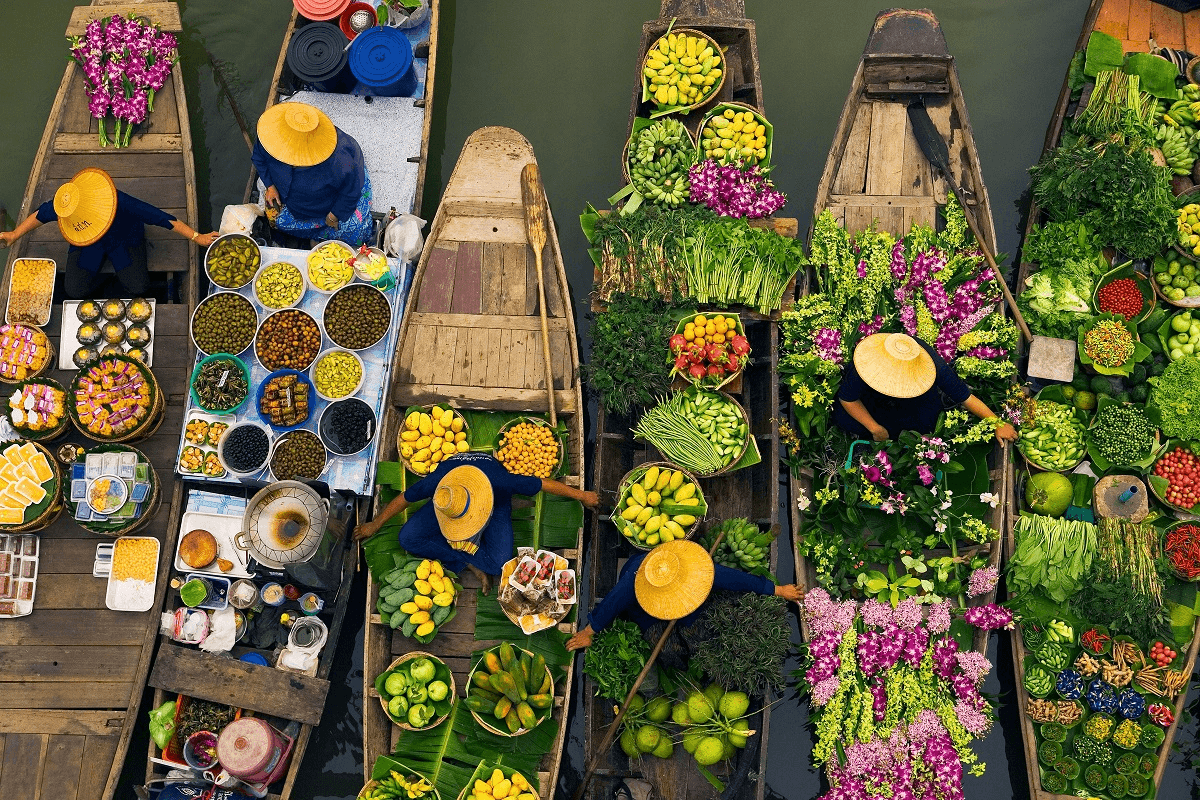
The Mekong Delta, known as the "Rice Bowl of Vietnam," is a vast maze of rivers, swamps, and islands in southwestern Vietnam where the mighty Mekong River spreads out across the countryside before flowing into the South China Sea. This fertile delta region produces half of Vietnam's agricultural output and is home to bustling floating markets, lush fruit orchards, traditional villages, and a unique river culture that has existed for centuries.
Covering an area of approximately 40,000 square kilometers and home to around 17 million people, the Mekong Delta is a world away from the hustle of Ho Chi Minh City. Here, life revolves around the rivers and canals that crisscross the landscape. You'll witness farmers tending rice paddies, vendors selling fresh produce from boats at dawn, families living in stilt houses above the water, and monks maintaining ancient pagodas along the riverbanks.
For travelers, the Mekong Delta offers an authentic glimpse into rural Vietnamese life. Whether you're gliding through narrow canals on a sampan, cycling past coconut groves and rice fields, sampling exotic fruits straight from the orchard, or staying overnight at a family-run homestay, the Delta provides experiences that are impossible to find elsewhere in Vietnam. Before visiting, ensure you have a valid Vietnam e-Visa to enter the country - the application process is straightforward and takes just 3 business days.
Best Time to Visit the Mekong Delta
The Mekong Delta has a tropical climate with two distinct seasons, and choosing the right time to visit can significantly impact your experience.
Dry Season (November to April) - Best Time
The dry season is generally the best time to visit the Mekong Delta. From November through April, you'll enjoy sunny skies, lower humidity, and minimal rainfall. Temperatures range from 25-32°C (77-90°F), making it comfortable for boat trips, cycling tours, and exploring outdoor markets. This is peak tourist season, especially December through February, when pleasant weather coincides with holidays. Book accommodations in advance during this period.
Rainy Season (May to October)
The wet season brings daily afternoon downpours and higher humidity, with water levels rising significantly throughout the Delta. While this might seem inconvenient, the rainy season has its advantages: the landscape turns brilliant green, fruit harvests are at their peak, there are fewer tourists, and prices are lower. Floating markets continue to operate year-round. Just be prepared for occasional flooding and muddy conditions. September and October typically see the heaviest rainfall.
Fruit Seasons
If you're a fruit lover, plan your visit around harvest seasons: mangoes (March-June), longans (July-August), rambutans (May-September), durians (May-August), and dragon fruit (year-round with peaks in summer). The annual Fruit Festival in Can Tho typically takes place in May or June, celebrating the Delta's abundant harvests with cultural performances and fruit displays.
How to Get to the Mekong Delta
From Ho Chi Minh City
Most international travelers reach the Mekong Delta from Ho Chi Minh City, which serves as the main gateway. There are several transportation options:
Bus: The most economical option. Public buses depart from the Mien Tay Bus Station in Ho Chi Minh City to all major Delta destinations. Journey times vary: My Tho (2 hours, 70km), Ben Tre (2.5 hours, 85km), Can Tho (3-4 hours, 170km), Vinh Long (3 hours, 135km), and Chau Doc (5-6 hours, 245km). Tickets cost $5-10. Companies like Phuong Trang (FUTA) and Mai Linh offer comfortable coaches with air conditioning.
Organized Tour: Day tours from Ho Chi Minh City to My Tho or Ben Tre start from $15-25 per person and include transportation, guide, boat trips, and lunch. Multi-day tours to Can Tho with floating market visits range from $50-150 depending on accommodation level. Tours are convenient but follow set itineraries with less flexibility.
Private Car or Taxi: For comfort and flexibility, hire a private car with driver ($50-80 one-way to Can Tho, negotiable for multi-day trips). Most hotels in Ho Chi Minh City can arrange this, or use ride-hailing apps. This option works well for families or groups of 3-4 people.
Visa Requirements
All international visitors need a valid visa to enter Vietnam. The easiest option is applying for a Vietnam e-Visa online, which is approved within 3 business days and valid for 90 days with multiple entries. You can apply from anywhere in the world. For business travelers or longer stays, consider the Vietnam Business Visa. Make sure to apply at least one week before your travel date to allow time for processing.
Most travelers fly into Tan Son Nhat International Airport in Ho Chi Minh City. If you have early morning flights or want to skip immigration queues, consider booking Airport Fast-Track Service for a smooth arrival experience.
Main Destinations in the Mekong Delta
The Mekong Delta encompasses 13 provinces, each with unique attractions. Here are the top destinations that should be on your itinerary:
Can Tho - The Delta's Capital
Can Tho is the largest city in the Mekong Delta and the best base for exploring the region. It's famous for the spectacular Cai Rang Floating Market, the Delta's largest and most photogenic market. Wake up before dawn to catch boats laden with tropical fruits, vegetables, and goods trading on the water from 5-7 AM. The city's Ninh Kieu Wharf along the Can Tho River is a lovely promenade for evening strolls, with restaurants, cafes, and river views.
Don't miss the Binh Thuy Ancient House, a beautiful example of 19th-century Franco-Vietnamese architecture, or take a day trip to Tra Su Cajuput Forest, a flooded forest ecosystem 50km from Can Tho where you can glide through green corridors of cajuput trees and spot diverse bird species. Can Tho has the best accommodation and dining options in the Delta, making it ideal for 2-3 night stays.
My Tho - Closest to Ho Chi Minh City
Just 70km from Ho Chi Minh City, My Tho is the most accessible Delta destination and popular for day trips. The Tien River flows through the city, and boat tours typically visit four islands in the river: Dragon, Unicorn, Phoenix, and Tortoise islands. These tours include visits to local cottage industries like coconut candy making and honey bee farms, fruit orchards where you can sample exotic fruits, and traditional music performances.
Visit the impressive Vinh Trang Pagoda, a blend of Vietnamese, Chinese, and Cambodian architectural styles with beautiful gardens. My Tho's central market is bustling and authentic, selling fresh produce, seafood, and local specialties. While My Tho is convenient for quick visits, consider staying overnight in nearby Ben Tre or continuing to Can Tho for a more immersive experience.
Ben Tre - Coconut Kingdom
Ben Tre province is known as the "Land of Coconuts" due to its extensive coconut groves. The entire economy revolves around coconut products - coconut candy, coconut oil, coconut wine, and even houses made from coconut wood. Visit family-run workshops to see how workers make coconut candy by hand, a sweet treat flavored with durian, peanuts, or chocolate.
Ben Tre is excellent for cycling tours through villages and coconut plantations, offering a peaceful glimpse into rural Delta life. Take a sampan ride through narrow canals shaded by coconut palms, visit the Vam Ho Bird Sanctuary to see thousands of storks and egrets, and try local specialties like elephant ear fish. Ben Tre is less touristy than My Tho but still easily accessible for day trips or overnight stays.
Vinh Long - Authentic Island Life
Vinh Long offers one of the most authentic Delta experiences, particularly on An Binh and Binh Hoa Phuoc islands in the Tien River. These lush islands are perfect for cycling, with quiet roads winding past fruit orchards, flower gardens, and traditional brick kilns. Many families offer homestay accommodation, providing an opportunity to experience Delta life firsthand - sharing meals, helping with farming activities, and learning about river culture.
The Cai Be Floating Market operates on the border between Vinh Long and Tien Giang provinces. While smaller than Cai Rang, it's more accessible for day trips from Ho Chi Minh City and offers an authentic market experience with less tourist infrastructure. Visit the ornate Cai Be Cathedral and browse the handicraft stalls selling woven baskets and pottery.
Chau Doc - Border Town with Hill Tribe Culture
Located near the Cambodia border, Chau Doc has a unique multicultural atmosphere with Vietnamese, Khmer, Cham Muslim, and Chinese communities. The town is famous for its floating fish farms - entire villages of houses built on empty metal drums that float on the Bassac River. You can visit these farms and see how families raise catfish in cages beneath their homes.
Sam Mountain (Nui Sam) just outside town offers panoramic Delta views and is dotted with temples, pagodas, and shrines. It's an important pilgrimage site, especially during festivals. Chau Doc serves as a gateway to Cambodia - fast boats run daily to Phnom Penh (5 hours, $25-35), making it a popular stop for travelers doing the Vietnam-Cambodia circuit. The town has a laid-back vibe and good riverside restaurants serving fresh fish.
Tra Vinh - Khmer Culture and Temples
Tra Vinh province has a significant Khmer population (about 30%), giving it a distinctly different cultural flavor from other Delta provinces. The province has over 140 Khmer pagodas, many featuring the characteristic Cambodian architecture with colorful exteriors and intricate carvings. Ang Pagoda (Chua Ang) and Hang Pagoda (Chua Hang) are among the most beautiful.
Visit Ba Om Pond, a scenic lake surrounded by ancient trees and Khmer temples, popular for picnics and relaxation. The Bang Lang Stork Garden is home to thousands of storks, herons, and other water birds that create a spectacular sight during nesting season (November-June). Tra Vinh is off the main tourist trail, offering an authentic and peaceful Delta experience.
Ca Mau - Vietnam's Southernmost Point
Ca Mau marks the southernmost tip of Vietnam and offers a remote, adventurous experience. The province is characterized by mangrove forests, shrimp farms, and wildlife-rich wetlands. U Minh Ha National Park protects one of Southeast Asia's largest cajuput forests, home to rare species like fishing cats, otters, and various snake species.
Visit Ca Mau Cape (Mui Ca Mau) where a monument marks the southernmost point of Vietnam - a meaningful site for Vietnamese people. The nearby Dat Mui area has mangrove forests accessible by boat tours. Ca Mau requires more effort to reach and is best suited for travelers with extra time who want to explore beyond the typical tourist circuit.
Other Notable Destinations
Long Xuyen: The capital of An Giang province, a commercial hub with a large Catholic cathedral and floating markets. Sa Dec: A charming river town famous for its flower nurseries - the best place to see the Delta's ornamental flower industry. Nga Bay: A small town where seven rivers meet, with an authentic floating market and traditional crafts.
Complete Guide to Mekong Delta Floating Markets
Floating markets are the iconic image of the Mekong Delta - bustling waterways filled with boats loaded with fresh produce, vendors calling out their wares, and the vibrant colors of tropical fruits against the early morning light. These markets have operated for centuries, serving as the traditional commerce centers for Delta communities where river transport was easier than road travel.
Cai Rang Floating Market (Can Tho)
Cai Rang is the largest and most famous floating market in the Mekong Delta, located about 6km from Can Tho city center. Hundreds of boats gather in the early morning, each displaying a tall pole (called "cay beo") with samples of their goods - pineapples, watermelons, cabbages, or whatever they're selling. The market operates daily from 5 AM to 9 AM, with peak activity between 6-7 AM. Arrive before sunrise for the best atmosphere and photography light.
Hire a small motorboat from Ninh Kieu Wharf in Can Tho (negotiate around $10-15 for a 2-hour tour, or join a group tour for $5-8 per person). You'll weave between the larger wholesale boats and smaller retail boats selling coffee, noodle soup (pho), and snacks to vendors. Buy fresh tropical fruits or enjoy a bowl of steaming pho served right on the water - a quintessential Delta experience.
Phung Hiep Floating Market (Hau Giang)
Located where seven rivers meet, Phung Hiep is considered the most authentic floating market in the Delta. It's more remote than Cai Rang (35km from Can Tho), sees fewer tourists, and maintains traditional trading practices. The market operates from 4 AM to 8 AM daily, with the most activity around sunrise. Unlike Cai Rang which focuses on fruits and vegetables, Phung Hiep also sells rice, fish, and other staples.
Getting to Phung Hiep requires more effort - hire a private car or motorbike from Can Tho, or join an organized tour. The reward is a more authentic experience with less tourist infrastructure and photo opportunities without crowds. This market appeals to travelers seeking genuine cultural experiences over convenient tourist attractions.
Cai Be Floating Market (Vinh Long)
Cai Be is smaller than Cai Rang but more accessible for day trips from Ho Chi Minh City, located between My Tho and Vinh Long. The market sits at the intersection of several provinces, making it an important trading hub. Operations run from 6 AM to 10 AM daily, with less emphasis on wholesale trading than Cai Rang - you'll see more retail boats selling directly to tourists and locals.
Combine a Cai Be market visit with trips to nearby handicraft villages, fruit orchards, and the impressive French colonial-era Cai Be Cathedral. Boat tours from Vinh Long or My Tho typically include market visits along with island explorations, making this a good option for limited time schedules.
Nga Bay Floating Market (Hau Giang)
Nga Bay is a small, authentic market in Hau Giang province where seven rivers converge (nga bay means "seven ways"). This market sees very few tourists, offering perhaps the most genuine experience. It operates from 5 AM to 8 AM daily and maintains traditional trading methods without tourist-oriented services. You'll need to arrange private boat transport and likely won't find English-speaking guides, but the authenticity is unmatched.
Floating Market Etiquette and Tips
Timing: Arrive early - markets wind down by 9 AM. The most photogenic light and busiest activity happens around sunrise. What to Bring: Camera, sun hat, sunscreen, small Vietnamese dong notes for purchases. Respect: Ask permission before photographing people closely. Don't stand up or make sudden movements in small boats. Support vendors by purchasing fruits, snacks, or coffee. Bargaining: Gentle bargaining is acceptable but don't be overly aggressive - these are working markets, not tourist attractions. Tours vs. Independent: Organized tours provide convenience and context; independent boat hire offers flexibility and potentially more authentic experiences.
Unique Experiences in the Mekong Delta
Beyond floating markets, the Mekong Delta offers numerous activities that immerse you in the region's unique culture and landscapes:
Homestay Experiences
Staying at a family-run homestay provides the most authentic Delta experience. You'll sleep under mosquito nets in simple but clean rooms, share home-cooked meals featuring ultra-fresh ingredients from gardens and rivers, and participate in daily activities like fruit harvesting, rice farming, or fishing. Homestays are particularly common on An Binh Island (Vinh Long), in Can Tho, and in Ben Tre province.
Conditions are basic - expect fan-cooled rooms, shared bathrooms, and simple furnishings. This isn't luxury tourism but cultural immersion. Most homestay families speak limited English but communicate through smiles, gestures, and genuine hospitality. Prices range from $10-25 per person per night including meals. Many travelers cite their homestay as the highlight of their Delta visit, offering connections and insights impossible to gain from hotels.
Cycling Through Villages
The Delta's flat terrain and network of small roads make it perfect for cycling. Pedal through villages where water buffalo graze, past emerald rice paddies, through coconut groves, and along canals lined with fruit trees. You'll encounter friendly locals going about daily life - farmers working fields, children playing, and vendors selling from roadside stalls. The best cycling areas are An Binh Island (Vinh Long), Ben Tre countryside, and around Tra Vinh. Bicycle rental costs $2-5 per day; many homestays and hotels provide bikes for free.
Fruit Orchard Visits
The Delta is Vietnam's fruit basket, producing mangoes, longans, rambutans, dragon fruit, durians, star fruit, and dozens of other tropical varieties. Visit working orchards where you can sample fresh fruits straight from the trees - often as many varieties as you can eat. Guides explain cultivation methods, harvest seasons, and local uses. Many orchards also produce honey, keep bees, and show traditional food processing. These visits are included in most organized tours or can be arranged independently through homestays.
Cooking Classes
Learn to prepare Delta specialties like canh chua ca (sweet and sour fish soup), ca kho to (caramelized fish in clay pot), or banh xeo (crispy rice flour pancakes). Classes typically start with market visits to select fresh ingredients, then hands-on cooking instruction in family kitchens or at cooking schools. You'll finish by eating your creations. Can Tho and Vinh Long offer the most cooking class options ($20-40 per person). This is an excellent way to understand Delta cuisine and take home practical skills.
Rice Farming Experiences
As the "Rice Bowl of Vietnam," rice farming is central to Delta life. Some farms and homestays offer hands-on experiences where you can try plowing fields (sometimes with water buffalo), planting rice seedlings, or harvesting grain. You'll gain appreciation for the backbreaking labor behind every bowl of rice. The agriculture in Vietnam is fascinating, with the Delta producing three rice harvests annually thanks to the fertile soil and year-round warm climate.
Narrow Canal Boat Rides
While larger boats take you to floating markets and between towns, the most magical experiences happen on small sampans navigating narrow canals barely wider than the boat itself. Glide through tunnels of overhanging vegetation, past houses built on stilts, under monkey bridges (cau khi - footbridges made from a single bamboo pole), and watch daily life unfold along the water. These intimate boat rides offer the Delta's most peaceful moments and best photo opportunities. Sampan rides are typically included in tours or cost $5-10 for 1-2 hours if arranged directly.
Bird Watching and Wildlife
The Delta's wetlands attract diverse bird species. Visit Vam Ho Bird Sanctuary (Ben Tre), Bang Lang Stork Garden (Tra Vinh), or Gao Giong Cajuput Forest (Dong Thap) to see thousands of storks, egrets, herons, and ibises. Early morning or late afternoon offer the best viewing, especially during nesting season (November-June). Tra Su Cajuput Forest near Chau Doc is excellent for both birds and other wildlife. Bring binoculars if you're a serious birder, though the sheer numbers make viewing easy even without equipment.
Mekong Delta Food and Cuisine
Delta cuisine is defined by abundance - the rich soil and rivers provide an incredible variety of fresh ingredients that shape a distinctive culinary tradition. The food is generally sweeter than Northern Vietnamese cuisine, with more coconut milk, tropical fruits, and freshwater fish. Here are the signature dishes to try:
Canh Chua Ca (Sweet and Sour Fish Soup): The quintessential Delta dish, made with freshwater fish like catfish or snakehead, tamarind or pineapple for sourness, tomatoes, bean sprouts, herbs, and elephant ear stems. The balance of sweet, sour, and savory flavors with ultra-fresh fish makes this soup memorable. Every family has their own version.
Hu Tieu: A noodle soup with Chinese influences, particularly popular in My Tho and Sa Dec. Made with pork bone broth, rice or tapioca noodles, pork, shrimp, and Chinese vegetables. Some versions are served dry with broth on the side. The My Tho version (hu tieu My Tho) is famous throughout Vietnam.
Ca Kho To (Caramelized Fish in Clay Pot): Fish simmered in caramelized sugar, fish sauce, coconut water, and spices until the sauce thickens into a rich, savory-sweet glaze. Traditionally cooked in clay pots (to) which gives the dish its name. Served with steamed white rice to absorb the delicious sauce.
Banh Xeo (Crispy Pancakes): Rice flour crepes colored yellow with turmeric, filled with pork, shrimp, bean sprouts, and herbs, then folded and crisped on both sides. Wrap pieces in fresh lettuce and herbs, dip in nuoc cham (fish sauce), and enjoy the contrast of crispy and fresh. The Delta version tends to be larger and crispier than Central Vietnamese banh xeo.
Elephant Ear Fish (Ca Tai Tuong): A dramatic dish where an entire fish is deep-fried until crispy and served standing upright to resemble an elephant's ear. Diners wrap pieces of fish in rice paper with herbs, vegetables, and noodles. It's as much about the presentation and interactive eating experience as the taste.
Coconut Specialties: Ben Tre's coconut candy (keo dua) is famous throughout Vietnam - chewy candy made from coconut milk, sugar, and malt, often flavored with durian, peanuts, or chocolate. Try coconut wine (ruou dua), refreshing coconut water straight from young green coconuts, and coconut ice cream. Everything coconut is exceptional in Ben Tre.
Tropical Fruits: The Delta grows incredible fruit - sweet pineapples, creamy mangoes, fragrant longans, spiky rambutans, pungent durians, dragon fruit, star fruit, and jackfruit. Visit during fruit season to sample varieties you've never encountered. Markets and street vendors sell fresh fruit incredibly cheap - buy a bag of assorted fruits for a few dollars.
Where to Eat: For authentic experiences, eat where locals eat - at markets, street stalls, and small family-run restaurants (com binh dan). Ninh Kieu Wharf in Can Tho has riverside restaurants with good atmosphere and fresh seafood. Homestays provide home-cooked Delta meals that are often the best food you'll have. Most dishes cost $1-3 at local places, $3-8 at tourist-oriented restaurants.
Sample Mekong Delta Itineraries
Depending on your available time, here are suggested itineraries to help you plan your Delta adventure:
One-Day Trip from Ho Chi Minh City
Best for: Limited time, first taste of the Delta
Destination: My Tho or Ben Tre
Depart Ho Chi Minh City early morning (7-8 AM), arrive My Tho around 9:30 AM. Take boat tour to islands, visit fruit orchards, see coconut candy making, enjoy traditional music, lunch of local specialties. Return to Ho Chi Minh City by 5-6 PM. This whirlwind day covers the Delta basics but barely scratches the surface. Consider it a preview that might inspire a longer return trip.
Two Days / One Night - Can Tho Focus
Best for: Floating market experience, reasonable time investment
Day 1: Travel from Ho Chi Minh City to Can Tho (3-4 hours). Afternoon cycling around rice paddies and villages or visit Binh Thuy Ancient House. Evening stroll along Ninh Kieu Wharf, dinner with river views.
Day 2: Wake up 4:30 AM for Cai Rang Floating Market boat tour (5-8 AM). Return for breakfast, then either visit Tra Su Cajuput Forest or return to Ho Chi Minh City in the afternoon.
This itinerary provides the essential Delta experience - floating market, river culture, and a taste of countryside life - without feeling too rushed.
Three Days / Two Nights - Delta Loop
Best for: Comprehensive experience, multiple destinations
Day 1: Ho Chi Minh City to My Tho. Boat tour to islands, fruit orchards, coconut candy workshop. Continue to Ben Tre or Vinh Long for overnight homestay experience.
Day 2: Morning cycling through villages and coconut groves. Travel to Can Tho (2-3 hours). Afternoon exploring Can Tho city. Evening at Ninh Kieu Wharf.
Day 3: Early morning Cai Rang Floating Market. Return to Ho Chi Minh City via a different route, possibly stopping at bird sanctuaries or additional markets.
This loop covers multiple provinces and experiences while maintaining a comfortable pace.
Five Days / Four Nights - Comprehensive Delta
Best for: Deeper cultural immersion, off-the-beaten-path destinations
Day 1: Ho Chi Minh City to Vinh Long. An Binh Island homestay, cycling, fruit orchards.
Day 2: Cai Be Floating Market, explore handicraft villages, continue to Can Tho.
Day 3: Cai Rang Floating Market, Tra Su Cajuput Forest, travel to Chau Doc.
Day 4: Chau Doc floating fish farms, Sam Mountain, explore multicultural neighborhoods.
Day 5: Travel to Tra Vinh to see Khmer pagodas and Ba Om Pond, then return to Ho Chi Minh City.
This comprehensive itinerary includes both major highlights and lesser-visited destinations for a complete Delta understanding.
Seven Days - Delta + Phu Quoc Combination
Best for: Combining river culture with beach relaxation
Days 1-4: Follow the 3 or 4-day Delta itinerary ending in Can Tho or Chau Doc.
Day 5: Travel from Chau Doc or Can Tho to Ha Tien or Rach Gia (coastal towns) by bus.
Days 5-7: Fast ferry to Phu Quoc Island for 2-3 days of beaches, snorkeling, and seafood. Return to Ho Chi Minh City via direct flight from Phu Quoc.
This combination gives you both authentic river culture and tropical beach relaxation - many travelers' favorite Vietnam itinerary.
Where to Stay in the Mekong Delta
Accommodation options range from basic homestays to comfortable hotels. Here's what to expect in major destinations:
Can Tho
Can Tho offers the widest accommodation selection in the Delta. The Ninh Kieu Wharf area has numerous hotels with river views ranging from budget ($15-30) to mid-range ($40-80) to luxury ($100+). Popular options include Victoria Can Tho Resort (colonial-style luxury with pool and spa), Nam Bo Boutique Hotel (excellent value mid-range), and numerous mini-hotels along Hai Ba Trung Street. Book ahead during peak season (December-February). For authentic experiences, several families offer homestays on the outskirts of Can Tho.
Vinh Long / An Binh Island
An Binh Island is the premier homestay destination in the Delta. Numerous families offer clean rooms in traditional wooden houses, home-cooked meals, and warm hospitality for $10-25 per person including breakfast and dinner. Popular homestays include Ut Trinh Homestay, Sau Giao Homestay, and Muoi Beo Homestay. Conditions are basic but authentic. Vinh Long city has standard hotels if you prefer more comfort while still being close to island experiences.
My Tho and Ben Tre
My Tho has mostly budget and mid-range hotels ($15-50) catering to day-trippers and overnight visitors. Ben Tre offers both hotels in town and rural homestays in the countryside. The homestay option provides much better cultural experiences if you're staying overnight. Ham Luong Homestay and Mekong Rustic Homestay in Ben Tre are well-regarded options offering comfort with authenticity.
Chau Doc
Chau Doc has decent accommodation concentrated along the riverfront. Victoria Chau Doc Hotel is the top option with colonial architecture and mountain views. Murray Guesthouse and Trung Nguyen Hotel offer good budget options ($10-25). Some floating houses on the river offer unique stays, though facilities are very basic. Book ahead during Tet (Vietnamese New Year) and other major festivals when the town fills with pilgrims visiting Sam Mountain.
Booking Tips
Book Can Tho hotels in advance during peak season. For homestays, advance booking is less critical except during Tet, but it's courteous to call or message 1-2 days ahead. Many homestays don't appear on international booking sites - ask hotels, tour operators, or locals for recommendations. Prices quoted often include meals at homestays but rarely at hotels - clarify when booking. Expect basic amenities at homestays: fan cooling, mosquito nets, shared bathrooms, and simple furnishings. This is part of the authentic experience.
Practical Information for the Mekong Delta
Visa and Entry Requirements
All international visitors need a visa to enter Vietnam. The easiest option is the Vietnam e-Visa, which you can apply for online from anywhere in the world. The e-Visa is valid for 90 days with single or multiple entries, costs $25 USD, and is typically approved within 3 business days. Apply at least one week before your travel date to allow processing time. Business travelers should consider the Vietnam Business Visa for longer stays. Make sure your passport is valid for at least 6 months beyond your entry date.
Money and Banking
Vietnamese dong (VND) is the currency. Major towns like Can Tho, My Tho, and Chau Doc have ATMs that accept international cards. However, smaller towns and rural areas have limited banking services, so withdraw sufficient cash before heading to remote areas. Many homestays and small restaurants only accept cash. Credit cards are accepted at higher-end hotels and restaurants in Can Tho but rarely elsewhere. Bring small denomination notes (20,000 VND, 50,000 VND) for markets and street food.
Internet and Communication
Mobile coverage is good in towns and along main roads but spotty in remote areas. Purchase a Vietnamese SIM card with data plan in Ho Chi Minh City before heading to the Delta - Viettel offers the best rural coverage. Most hotels and many cafes offer WiFi, but homestays typically don't have internet. For tips on staying connected while traveling, check out our guide on staying connected in Vietnam. Consider downloading offline maps before your trip.
Health and Safety
The Mekong Delta is generally very safe. Violent crime against tourists is rare. Common sense precautions apply: watch your belongings in crowded markets, don't leave valuables unattended, and be cautious with your passport. Drink only bottled or purified water - don't drink tap water or use ice in rural areas. Use strong sunscreen (SPF 50+) and reapply frequently - the tropical sun is intense, especially on boats. Bring insect repellent with DEET to prevent mosquito bites. Dengue fever occurs in the Delta, so take mosquito prevention seriously. Ensure your routine vaccinations are current; consider hepatitis A and typhoid vaccines for rural travel.
What to Pack
Pack light, breathable clothing in natural fabrics like cotton or linen - the humidity makes synthetic fabrics uncomfortable. Bring a wide-brimmed sun hat, quality sunglasses, and waterproof sandals or water shoes for boat trips. A lightweight rain jacket is essential during the wet season. Modest clothing is important for temple visits - cover shoulders and knees. A small waterproof bag protects phones and cameras during boat trips. Bring basic medications, hand sanitizer, and any prescription medicines (pharmacies in small towns have limited stock). A reusable water bottle reduces plastic waste. Don't overpack - laundry services are cheap and widely available.
Cultural Etiquette
Delta people are warm and friendly but appreciate respectful behavior. Remove shoes before entering homes, including homestays. Dress modestly, especially at religious sites - shoulders and knees covered. Ask permission before photographing people, particularly at close range. Some monks and ethnic minorities prefer not to be photographed. Learn basic Vietnamese greetings - "xin chao" (hello) and "cam on" (thank you) go a long way. When invited to eat, wait for the host to indicate where to sit and to begin eating. Pointing your feet at people or religious objects is disrespectful. Public displays of affection should be minimal. Bargaining is expected at markets but be respectful and good-humored about it.
Language
Vietnamese is the primary language. English is spoken at tourist-oriented hotels, restaurants, and tour companies in Can Tho and My Tho, but rarely in rural areas or at homestays. Learn basic Vietnamese phrases or use translation apps. Most homestay hosts don't speak English but communicate through gestures, smiles, and genuine warmth. This language barrier is part of the authentic experience and rarely causes serious problems.
Traveling the Mekong Delta with Kids
The Mekong Delta is an excellent family destination. Children are fascinated by boat rides, floating markets, exotic fruits, and rural life so different from their usual experiences. The Delta is safe, locals are welcoming to families, and there's enough variety to keep kids engaged.
Best Destinations for Families: Can Tho and My Tho have the best infrastructure with comfortable hotels and restaurants familiar with family needs. An Binh Island offers family-friendly homestays with space for children to run around. The Monkey Islands near My Tho, where kids can see monkeys up close (though they can be aggressive - supervise carefully), are popular with families. Cycling tours through villages at a gentle pace work well for older children.
Activities Kids Love: Boat rides (kids find these thrilling, especially narrow canal sampans), floating markets (the colors and activity captivate children), fruit orchards (picking and tasting fresh fruit), coconut candy workshops (watching candy making is fascinating), cycling through rice fields, feeding fish at farms, and simple pleasures like playing with local children in villages.
Safety Considerations: Always ensure children wear proper life jackets on boats - check that jackets are the right size and properly secured. Many local boats have basic or no safety equipment, so bring your own if traveling with very young children. The tropical sun is intense - use strong sunscreen, sun hats, and sun-protective clothing. Keep children well-hydrated. Watch children carefully near water, especially along riverbanks and at floating markets. Be cautious with street food if children have sensitive stomachs - stick to cooked foods at busy stalls with high turnover.
Practical Tips: Pack snacks and familiar foods in case children don't like local cuisine, though most kids enjoy rice, noodles, fresh fruit, and spring rolls. Bring entertainment for bus rides between destinations. Choose hotels over homestays if children need more comfort and predictability. Can Tho is the best base for families, offering comfort while accessing key attractions. For more family travel advice, see our complete Vietnam family travel guide.
Photography Tips for the Mekong Delta
The Mekong Delta is incredibly photogenic with colorful floating markets, lush landscapes, river life, and authentic cultural scenes. Here's how to capture stunning images:
Best Locations: Cai Rang Floating Market (boats laden with produce, vendors in conical hats), narrow canals with overhanging vegetation, rice paddies especially during planting or harvest, sunset along Can Tho River from Ninh Kieu Wharf, fruit orchards with colorful tropical fruits, monkey bridges and traditional houses, local markets with vibrant produce displays.
Timing and Light: Golden hour (shortly after sunrise and before sunset) provides beautiful soft light. Floating markets require early morning starts (before sunrise) but reward you with gorgeous light and peak activity. Midday harsh light is challenging - use it for high-contrast scenes or find shade. Overcast days during rainy season provide soft, even light that works well for portraits and detailed shots.
Technical Tips: Bring weather protection for your camera - sudden rain showers and boat spray can damage equipment. A waterproof bag is essential. Use fast shutter speeds (1/250 second or faster) to freeze action on moving boats. Wide-angle lenses (16-35mm) capture expansive river scenes and work well in boats. Telephoto lenses (70-200mm) are useful for compressed market scenes and candid portraits without intruding. Bring extra batteries - the humidity drains them faster. Consider a polarizing filter to reduce glare on water and enhance sky colors.
Respect and Ethics: Always ask permission before photographing people at close range, especially vendors, monks, and ethnic minorities. Some prefer not to be photographed - respect their wishes. Don't obstruct vendors trying to conduct business at floating markets just for photos. Consider purchasing something from vendors you photograph. Avoid intrusive behavior at homestays - these are people's homes, not museums. Be sensitive about photographing children - always ask parents first. Share photos with locals when possible - they usually appreciate seeing themselves in your images and it creates a positive interaction.
How the Mekong Delta Compares to Other Vietnam Regions
Mekong Delta vs. Northern Vietnam: The Delta is flatter, hotter, and more water-based than the mountainous north. While Northern Vietnam offers dramatic landscapes like Sapa's terraced rice fields and Halong Bay's limestone karsts, the Delta provides river culture and agricultural abundance. Northern Vietnam sees more international tourists, while the Delta remains more authentically Vietnamese. Food in the Delta is sweeter with more coconut and tropical fruits compared to Northern cuisine.
Mekong Delta vs. Central Coast: Central Vietnam (Nha Trang, Hoi An, Hue) offers beaches, historical sites, and UNESCO World Heritage Sites. The Delta offers working-class culture and agricultural landscapes. Central Vietnam is more developed for tourism with better infrastructure, while the Delta provides more authentic, rustic experiences. Both regions are hot, but the coast has sea breezes that the Delta lacks.
Mekong Delta vs. Phu Quoc: Phu Quoc is Vietnam's beach paradise with white sand, clear water, resorts, and seafood. The Delta is about river culture, agriculture, and authentic experiences. Combine both for the perfect trip - Delta cultural immersion followed by Phu Quoc beach relaxation. The two regions complement each other perfectly and are easy to connect via bus and ferry.
Frequently Asked Questions
Do I need a visa to visit the Mekong Delta?
Yes, the Mekong Delta is part of Vietnam, so you need a valid visa. Most travelers can apply for a Vietnam e-Visa online, which is valid for 90 days and allows multiple entries. The e-Visa process is simple and approved within 3 business days.
What is the best time to visit the Mekong Delta?
The dry season from November to April is the best time to visit, with pleasant weather and easier travel. Peak season is December-February. The rainy season (May-October) brings flooding but also lush green landscapes and fewer tourists. Floating markets operate year-round.
How do I get to the Mekong Delta from Ho Chi Minh City?
From Ho Chi Minh City, you can reach the Mekong Delta by bus (2-4 hours to most destinations, $5-10), organized tour (day trips from $15), or private car/taxi ($50-80 one-way). My Tho is closest at 70km, Can Tho is 170km away. Many hotels can arrange transportation.
Is the Mekong Delta safe for tourists?
Yes, the Mekong Delta is very safe for tourists. Violent crime is rare. Use common sense: watch belongings in crowded markets, drink bottled water, use sun protection, and wear life jackets on boats. The Delta is known for friendly, welcoming locals.
What are the best floating markets in the Mekong Delta?
The top floating markets are: Cai Rang (largest, near Can Tho, most photogenic), Phung Hiep (most authentic, 7 rivers meet), Cai Be (between My Tho and Vinh Long, good for day trips), and Nga Bay (smaller, less touristy). Visit early morning (5-7 AM) for the best experience.
How many days do I need for the Mekong Delta?
For a day trip from Ho Chi Minh City, visit My Tho or Ben Tre. For floating markets and Can Tho, allow 2 days/1 night minimum. For a comprehensive experience covering multiple destinations, 3-5 days is ideal. Seven days allows for a leisurely exploration including remote areas.
Should I take an organized tour or travel independently?
Day trips from Ho Chi Minh City are easiest with organized tours ($15-30). For multi-day trips, independent travel offers more flexibility and authenticity - buses connect major towns easily, and homestays provide local experiences. Tours are convenient for first-timers; independent travel suits adventurous travelers.
What should I pack for the Mekong Delta?
Pack light, breathable clothing, a sun hat, strong sunscreen (SPF 50+), sunglasses, insect repellent, sandals or water shoes, rain jacket, and a reusable water bottle. Bring modest clothing for temple visits. A waterproof bag protects electronics during boat trips. Cash is essential as ATMs are limited outside major towns.
Can I visit the Mekong Delta with children?
Yes, the Mekong Delta is excellent for families. Kids love boat rides, fruit orchards, cycling tours, and monkey islands. Can Tho and My Tho are best for families with good infrastructure. Ensure children wear life jackets on boats, use sun protection, and stay hydrated. Many homestays welcome families.
What is the best way to experience local culture in the Mekong Delta?
Stay at a family-run homestay for authentic cultural immersion. Visit early morning floating markets, take cooking classes, cycle through villages, help with rice farming or fruit harvesting, attend local festivals, explore Khmer pagodas in Tra Vinh, and eat at local markets. Learning a few Vietnamese phrases enhances interactions.
Start Planning Your Mekong Delta Adventure
The Mekong Delta offers an authentic Vietnam experience that few other destinations can match. From the bustling commerce of Cai Rang Floating Market to the peaceful canals shaded by coconut palms, from the warmth of homestay families to the abundance of tropical fruits fresh from the orchard, the Delta reveals a side of Vietnam that remains rooted in tradition despite rapid modernization elsewhere.
Whether you have just one day for a quick excursion from Ho Chi Minh City or a full week to explore remote corners, the Mekong Delta rewards every visitor with unforgettable experiences and insights into Vietnamese rural life. The combination of natural beauty, cultural authenticity, delicious food, and genuine hospitality makes this region essential for any comprehensive Vietnam itinerary.
Before you go, ensure you have your Vietnam e-Visa sorted out - the online application takes just a few minutes and is approved within 3 business days. Consider combining your Delta visit with other regions: the dynamic energy of Ho Chi Minh City, the pristine beaches of Phu Quoc, or the mountain landscapes of Sapa. If you're working remotely while traveling, check out our Digital Nomad Vietnam guide for practical tips on staying productive on the road.
The Mekong Delta is waiting to share its stories, flavors, and hospitality. Pack light, bring an open mind, and prepare for an adventure through Vietnam's agricultural heartland. The rivers, markets, and villages of the Delta will leave you with memories and photographs you'll treasure for years to come.