Vietnam Healthcare & Medical Guide 2026: Everything Travelers Need to Know
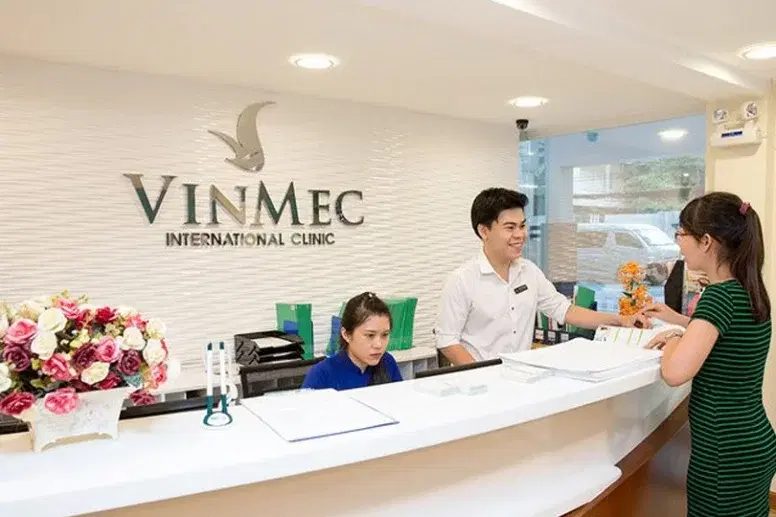
Healthcare is a critical consideration for any international traveler, and Vietnam presents a tale of two systems: excellent international private hospitals in major cities versus basic public facilities. Understanding how to navigate Vietnamese healthcare, what insurance you need, where to find quality treatment, and how to prevent common travel illnesses can mean the difference between a minor inconvenience and a trip-ending crisis.
This comprehensive guide provides everything travelers need to know about staying healthy and accessing medical care in Vietnam.
Understanding Vietnam's Healthcare System
Two-Tier System
Vietnam's healthcare operates on distinct levels:
Public Hospitals:
- Serve primarily Vietnamese citizens
- Subsidized by government
- Overcrowded, long wait times
- Limited English-speaking staff
- Basic facilities by Western standards
- Very affordable but challenging for foreigners
Private International Hospitals:
- Cater to expatriates and foreign travelers
- English-speaking doctors (many Western-trained)
- Modern facilities and equipment
- International standards of care
- Significantly more expensive (but still less than Western countries)
- Direct billing with international insurance
For Travelers: Always use private international hospitals and clinics. The cost difference is worth the quality of care, communication ability, and comfort level.
Healthcare Quality in Vietnam
Major Cities (Hanoi, HCMC, Da Nang):
- Excellent private facilities: Comparable to Western hospitals for routine issues
- Specialist care available: Most specialties represented
- Modern equipment: MRI, CT scan, advanced diagnostics
- Limitations: Complex cases, specialized surgeries, cutting-edge treatments may require evacuation
Secondary Cities (Nha Trang, Hue, Hoi An):
- Limited international facilities: Smaller clinics, fewer specialists
- Basic care available: Common illnesses, minor injuries
- Serious cases: Transfer to Hanoi or HCMC
Rural Areas:
- Very basic facilities: Minimal English, limited resources
- Emergency only: Stabilization before transfer
- Medical evacuation often necessary
Bottom Line: Vietnam handles routine medical issues well in major cities. Serious conditions, major trauma, or complex surgeries typically require medical evacuation to Singapore, Bangkok, or home country.
Top International Hospitals and Clinics
Hanoi
International SOS Vietnam - Hanoi:
- Address: Room 602A, Level 6, Capital Tower, 109 Tran Hung Dao Street, Hoan Kiem District
- 24/7 Hotline: +84 24 3718 6390
- Services: General practice, emergency care, specialist consultations, medical evacuation coordination
- Operating: Since 1989
- Staff: 150 employees, 50%+ medical professionals
- Certifications: ISO 9001:2015, ISO 45001:2018, ISO/IEC 27001:2013
- Special Services: Manages ~2,500 cases annually, 35 medical/security evacuations, partners with 800+ local healthcare providers, supports 35 remote sites
- Insurance: Direct billing with major international insurers
- Languages: English, French, Japanese, Korean
Family Medical Practice Hanoi:
- Multiple locations in Hanoi
- Comprehensive family healthcare
- Pediatrics, dental, specialist consultations
- Western-trained doctors
- Expat favorite
Vinmec International Hospital Times City:
- Large modern facility
- Full range of specialties
- Latest medical technology
- Competitive pricing for international hospital
- Vietnamese chain with international standards
Hanoi French Hospital:
- French medical standards
- Established international reputation
- Central location
- Full range of medical services
Ho Chi Minh City
International SOS Vietnam - HCMC:
- Address: Unit 708A, 7th Floor, 106 Nguyen Van Troi Street, Phu Nhuan District
- 24/7 Hotline: +84 28 3999 8100
- Services: Same comprehensive care as Hanoi location
- Largest: HCMC location is largest International SOS facility in Vietnam
Family Medical Practice HCMC:
- Multiple locations including District 1, District 2 (Thao Dien), District 7
- Same high standards as Hanoi location
- Very popular with expats and travelers
- Comprehensive medical, dental, pediatric services
Columbia Asia Saigon International Clinic:
- District 1 location (central)
- Singapore-based healthcare group
- 24-hour emergency services
- Wide range of specialties
Vinmec Central Park:
- District Binh Thanh (central)
- Large modern hospital
- Full-service medical center
- Good value for quality
Franco-Vietnamese Hospital (FV Hospital):
- District 7 (expat area)
- French medical standards
- Comprehensive services including maternity
- High-end facility
Raffles Medical:
- High-end Singapore-based clinic
- District 1 location
- Premium services, premium prices
- Popular with business travelers
Da Nang
Family Medical Practice Da Nang:
- Only international-standard clinic in Da Nang
- General practice, emergency care, dental
- Limited compared to Hanoi/HCMC but adequate for most issues
- Serious cases transferred to HCMC or Hanoi
Vinmec Da Nang:
- Newer facility
- Growing services
- Good alternative to FMP
Da Nang Hospital:
- Local hospital with international department
- English-speaking staff available
- More basic than dedicated international facilities
Other Cities
Nha Trang:
- Vinmec Nha Trang (international standards)
- Smaller international clinics
- Serious cases transferred to HCMC
Hoi An / Hue:
- Very limited international healthcare
- Small clinics for minor issues only
- Transfer to Da Nang or HCMC for anything serious
Phu Quoc:
- Vinmec Phu Quoc (newer facility)
- Resort island medical facilities
- Limited compared to mainland
- Serious cases evacuated to HCMC
Medical Costs in Vietnam
Typical Costs Without Insurance
Consultations:
- General practitioner: $50-100 USD
- Specialist consultation: $100-200 USD
- Emergency room visit: $200-500 USD
- House call: $150-300 USD
Common Procedures:
- Basic blood work: $30-80 USD
- X-ray: $30-60 USD
- CT scan: $200-400 USD
- MRI: $300-600 USD
- Ultrasound: $50-150 USD
Hospitalization:
- Private room per night: $150-400 USD
- ICU per night: $500-1,500 USD
- Simple surgery: $2,000-10,000 USD
- Complex surgery: $10,000-50,000 USD
Dental Care:
- Cleaning: $30-80 USD
- Filling: $40-100 USD
- Root canal: $150-400 USD
- Crown: $200-600 USD
- Implant: $800-1,500 USD
Medications:
- Antibiotics: $10-30 USD
- Common medications: $5-20 USD
- Prescription drugs generally affordable
Medical Evacuation:
- Vietnam to Singapore/Bangkok: $15,000-50,000 USD
- Vietnam to US/Europe: $100,000-200,000+ USD
Comparison: Vietnam medical costs are 50-70% lower than US/Western Europe but still significant without insurance.
Insurance vs. Out-of-Pocket
Example Scenario: Dengue fever requiring 3-day hospitalization
Out-of-pocket:
- Hospital admission: $200
- 3 nights private room: $900 ($300/night)
- IV fluids, monitoring: $400
- Blood tests (daily): $150
- Doctor consultations: $300
- Medications: $100
- Total: ~$2,050 USD
With insurance:
- Pay nothing (direct billing)
- Or pay and reimburse (depending on policy)
- Peace of mind
Verdict: Insurance essential—one hospitalization pays for years of premiums.
Travel Insurance for Vietnam
Why Insurance is Non-Negotiable
Medical Treatment: Vietnam medical costs add up quickly for anything beyond basic consultation
Medical Evacuation: This is the BIG reason. Serious conditions require evacuation costing $15,000-200,000 USD
Trip Interruption: Flight changes, accommodation costs if medical issues arise
Lost/Stolen Items: Common in tourist areas
Peace of Mind: Focus on recovery, not costs
Choosing Travel Insurance
Essential Coverage Features:
-
Medical Coverage: Minimum $100,000 USD (prefer $250,000+)
-
Medical Evacuation: Minimum $250,000 USD (critical!)
-
Repatriation: Return home if necessary
-
24/7 Assistance Hotline: Multi-lingual support
-
Direct Billing: With major Vietnam hospitals (check network)
-
Pre-Existing Conditions: Coverage if applicable (usually requires meeting certain conditions)
Optional but Valuable:
- Trip cancellation/interruption
- Lost/delayed baggage
- Adventure sports coverage (if motorbiking, diving, trekking)
- Electronics coverage
- Rental car damage
Recommended Travel Insurance Providers
World Nomads:
- Popular with travelers
- Flexible policies
- Adventure activities covered (with appropriate plan)
- Purchase even after trip started
- Cost: $40-100 USD for 2-week trip (age/coverage dependent)
SafetyWing:
- Designed for digital nomads and long-term travelers
- Monthly subscription model
- Covers multiple countries
- Cost: ~$45 USD/month
Allianz Global Assistance:
- Comprehensive coverage
- Strong global network
- Good medical coverage limits
- Cost: $50-120 USD for 2-week trip
IMG Global:
- High coverage limits
- Good for longer trips
- Direct billing with many hospitals
- Cost: varies by coverage selected
Travel Guard:
- AIG-backed
- Comprehensive plans
- Good customer service
- Cost: $60-140 USD for 2-week trip
Insurance for Different Traveler Types
Short-Term Tourists (1-3 weeks):
- Standard travel insurance sufficient
- Focus on medical and evacuation coverage
- Check adventure activity coverage if needed
- Cost: $40-120 USD
Digital Nomads / Long-Term Travelers (3+ months):
- Long-term travel insurance or nomad-specific plans
- SafetyWing or World Nomads long-term plans
- Higher coverage limits recommended
- Cost: $45-80 USD/month
Expats / Long-Term Residents:
- International health insurance (not travel insurance)
- Cigna Global, Bupa International, Allianz
- Ongoing coverage, higher limits, more comprehensive
- Cost: $150-800 USD/month (age/coverage dependent)
- See our Expat Living Guide
Families with Children:
- Family travel insurance plans
- Ensure pediatric coverage
- Check dental and vision if needed
- Cost: $100-250 USD for family of 4, 2-week trip
Seniors:
- Age limits vary by provider (some cut off at 70-75)
- Specialized senior travel insurance available
- Pre-existing condition coverage critical
- Cost: Higher premiums ($100-300+ USD for 2 weeks)
Pharmacies and Medications
Pharmacy Access
Availability: Pharmacies (nhà thuốc) everywhere in cities, including:
- Independent pharmacies
- Chain pharmacies (Pharmacity, Medicare, Guardian)
- 24-hour pharmacies in major cities
- Hospital pharmacies
Prescription Requirements:
- Many medications available without prescription (including antibiotics)
- Controlled substances require prescription
- Quality varies—stick to reputable pharmacies
Common Medications Available
Over-the-Counter:
- Pain relievers (paracetamol, ibuprofen)
- Antibiotics (amoxicillin, azithromycin—no prescription required!)
- Antihistamines
- Stomach medications (antacids, anti-diarrhea)
- Cold and flu medicines
- Motion sickness medication
- Insect repellent, sunscreen
International Brands: Available in major pharmacies in large cities
Generic Medications: Widely available, much cheaper than branded versions
Prices: Very affordable compared to Western countries
- Antibiotics course: $5-15 USD
- Pain relievers: $2-5 USD
- Common medications: $3-10 USD
Reputable Pharmacy Chains
Pharmacity:
- Largest chain
- Modern, organized
- English-speaking staff (varies by location)
- Reliable quality
Guardian:
- International chain
- High standards
- Good for travelers seeking familiar brands
- Slightly more expensive
Medicare:
- Vietnamese chain
- Widespread locations
- Good quality
Hospital Pharmacies:
- Most reliable for prescription medications
- Higher prices but guaranteed quality
Bringing Medications from Home
Recommendations:
- Bring full supply of prescription medications
- Carry medications in original packaging
- Bring copy of prescription (with generic names)
- Keep medications in carry-on luggage
- Check Vietnam customs regulations for controlled substances
Why Bring Your Own:
- Ensure quality and correct dosage
- Avoid counterfeit medications
- Some Western brands unavailable in Vietnam
- Convenience
Customs Considerations:
- Most personal medications allowed
- Narcotics, strong painkillers may require documentation
- Large quantities may raise questions (bring reasonable amount)
Common Health Issues for Travelers
Traveler's Diarrhea
Most common health issue for Vietnam travelers
Causes:
- Contaminated food or water
- Different bacteria than home
- Street food hygiene varies
Symptoms:
- Frequent loose stools
- Abdominal cramping
- Nausea
- Fever (sometimes)
Prevention:
- Drink only bottled or boiled water
- Avoid ice in drinks (at local places)
- Choose busy restaurants (high turnover)
- Well-cooked food safer than raw
- Peel fruits yourself
- Wash hands frequently
Treatment:
- Oral rehydration salts (essential—buy at pharmacy)
- Maintain hydration
- Bland diet (rice, bananas, toast)
- Loperamide for symptom control (use cautiously)
- Antibiotics if severe or persistent (azithromycin, ciprofloxacin available at pharmacies)
- See doctor if: blood in stool, high fever, severe pain, no improvement after 48 hours
Recovery: Usually 2-3 days with proper treatment
Heat Exhaustion and Heat Stroke
Common in Vietnam: Tropical climate, high humidity
Heat Exhaustion Symptoms:
- Heavy sweating
- Weakness, dizziness
- Nausea
- Headache
- Muscle cramps
Heat Stroke Symptoms (EMERGENCY):
- High body temperature (40°C+/104°F+)
- Confusion, altered mental state
- No sweating despite heat
- Rapid heartbeat
- Loss of consciousness
Prevention:
- Stay hydrated (drink water constantly)
- Light, breathable clothing
- Hats, sunglasses
- Avoid midday sun (11am-3pm)
- Take frequent breaks in air-conditioning
- Acclimatize gradually
Treatment:
- Heat exhaustion: Move to shade/AC, drink water with electrolytes, rest, cool body with water
- Heat stroke: EMERGENCY—call ambulance immediately, cool body aggressively while waiting
Dengue Fever
Risk: Present in Vietnam, especially rainy season (May-October)
Transmission: Aedes mosquito (day-biting, common in urban areas)
Symptoms (4-7 days after bite):
- High fever (39-40°C / 102-104°F)
- Severe headache
- Pain behind eyes
- Joint and muscle pain ("breakbone fever")
- Rash
- Mild bleeding (nose, gums)
No vaccine or specific treatment: Supportive care only
Prevention (ONLY prevention available):
- Mosquito repellent with DEET (30-50%)
- Long sleeves/pants at dawn and dusk
- Air-conditioned or screened accommodations
- Eliminate standing water
- Insecticide-treated bed nets
If You Suspect Dengue:
- See doctor immediately
- Blood test confirms diagnosis
- Avoid aspirin and ibuprofen (increases bleeding risk)
- Use paracetamol for fever/pain
- Stay hydrated
- Rest
- Severe cases require hospitalization (monitor platelets)
Recovery: Usually 1-2 weeks
Respiratory Issues and Air Quality
Hanoi Air Quality: Major concern (AQI often 100-150, winter peaks at 147+)
Symptoms:
- Coughing, wheezing
- Throat irritation
- Difficulty breathing
- Eye irritation
Who's at Risk:
- People with asthma, COPD
- Children
- Elderly
- Those sensitive to pollution
Protection:
- Check daily AQI (AirVisual app)
- N95 masks on high pollution days
- Air purifiers in accommodation (essential for longer stays)
- Limit outdoor exercise on bad air days
- Consider coastal cities (Da Nang, Nha Trang) if sensitive
Cuts, Scrapes, and Infections
Tropical Climate: Minor wounds can become infected quickly in heat/humidity
Prevention:
- Clean wounds immediately with clean water
- Apply antibiotic ointment
- Keep covered and dry
- Change bandages frequently
Signs of Infection:
- Increasing redness, swelling
- Pus, discharge
- Red streaks from wound
- Fever
Treatment:
- See doctor if infection suspected
- Antibiotics usually clear quickly
- Don't ignore infected wounds (can become serious)
Vaccinations for Vietnam Travel
Required Vaccinations
Yellow Fever: Only if arriving from yellow fever endemic countries (parts of Africa, South America)
Otherwise: No mandatory vaccinations to enter Vietnam
Recommended Vaccinations
Consult your doctor 4-6 weeks before travel:
Routine Vaccinations (ensure up-to-date):
- MMR (measles, mumps, rubella)
- DTaP (diphtheria, tetanus, pertussis)
- Polio
- Influenza
Hepatitis A:
- Recommended for all travelers
- Transmitted through contaminated food/water
- Common in developing countries
- Vaccine very effective
Hepatitis B:
- Recommended if: sexual contact possible, medical procedures, tattoos/piercings, long-term stay
- Transmitted through blood/bodily fluids
Typhoid:
- Recommended if: eating street food, rural travel, adventurous eating
- Transmitted through contaminated food/water
- Vaccine moderately effective
Japanese Encephalitis:
- Consider if: rural areas, rainy season, prolonged stay (1+ month)
- Mosquito-borne viral infection
- Serious disease but low risk for typical travelers
Rabies (Pre-Exposure):
- Consider if: working with animals, remote trekking, long-term stay
- Dogs, monkeys, bats can carry rabies
- Post-exposure treatment available but pre-exposure vaccination simpler
Malaria:
- Low risk in most tourist areas (no prophylaxis usually needed)
- Higher risk: rural, forested areas especially near borders
- Consult travel medicine doctor for your specific itinerary
Medical Emergencies
Emergency Numbers
General Emergency: 115 (ambulance)
- Limited English capability
- Response times vary (better in cities)
Police: 113
Fire: 114
International Hospitals:
- Save 24/7 hotline for your city
- International SOS: +84 24 3718 6390 (Hanoi), +84 28 3999 8100 (HCMC)
- Family Medical Practice and other hospitals have 24/7 hotlines
Your Insurance:
- Save 24/7 assistance number
- Call for guidance on where to go
- Arrange direct billing or payment guarantee
What to Do in Emergency
For Serious Emergencies:
- Call international hospital directly (faster, better than 115 ambulance)
- Call your insurance 24/7 hotline
- If unable to call, take taxi/Grab to nearest international hospital emergency room
- Have someone call ahead if possible
- Bring passport, insurance card, credit card
For Non-Life-Threatening Issues:
- Call international clinic/hospital for advice
- Go to clinic during business hours if not urgent
- Save emergency room costs for true emergencies
Medical Evacuation:
- Insurance company coordinates
- International SOS arranges evacuation flights
- Common destinations: Singapore, Bangkok (higher level care)
- May require accompanying family member
Staying Healthy: Prevention Tips
Food and Water Safety:
- Bottled water only (widely available, cheap)
- Brushing teeth: Use bottled water
- Ice: Avoid in local places (fine in international hotels/restaurants)
- Street food: Choose busy stalls (high turnover), watch food being cooked fresh
- Raw vegetables: Avoid at local places
- Fruits: Peel yourself
- Seafood: Well-cooked only (avoid raw)
Mosquito Protection:
- DEET repellent (30-50%)
- Long sleeves/pants at dawn/dusk
- Air-conditioned or screened rooms
- Mosquito nets if needed
Sun Protection:
- High SPF sunscreen (50+)
- Reapply every 2 hours
- Hats and sunglasses
- Seek shade 11am-3pm
Hand Hygiene:
- Wash hands frequently
- Hand sanitizer when soap unavailable
- Before eating always
Safe Sex:
- Condoms essential
- HIV and STIs present in Vietnam
Traffic Safety:
- Look all directions before crossing
- Hold children's hands near roads
- Use Grab instead of renting motorbikes (if inexperienced)
- Wear helmets always
Scam Awareness:
- Keep valuables secure
- Be aware in crowded areas (pickpockets)
- Use reputable taxis (Grab preferred)
Medical Tourism in Vietnam
Vietnam is becoming a medical tourism destination due to:
Affordable Costs: 60-70% cheaper than Western countries
Quality Care: International-standard private hospitals
Popular Procedures:
- Dental work (crowns, implants, veneers)
- Cosmetic surgery
- Eye surgery (LASIK)
- Orthopedic procedures
- General surgery
Combining Treatment and Tourism: Recover in beautiful destinations
Considerations:
- Research hospitals thoroughly
- Verify doctor credentials
- Understand recovery period
- Travel insurance may not cover elective procedures
- Plan extra time for complications
Final Health Recommendations
Before Travel:
- Visit travel medicine doctor 4-6 weeks ahead
- Get recommended vaccinations
- Purchase comprehensive travel insurance (with evacuation!)
- Bring adequate supply of prescription medications
- Pack basic first aid kit
- Save emergency numbers in phone
During Travel:
- Stay hydrated constantly
- Practice food and water safety
- Use mosquito repellent diligently
- Protect from sun and heat
- Keep insurance card accessible always
- Listen to your body (rest when needed)
If You Get Sick:
- Go to international hospital/clinic (don't wait hoping it improves)
- Contact insurance for direct billing
- Follow medical advice completely
- Rest adequately
- Inform insurance of hospitalization immediately
- Keep all receipts for insurance claims
Conclusion
Vietnam's healthcare system serves travelers well in major cities, with international hospitals providing excellent care for routine issues. The combination of quality private healthcare, affordable costs (with insurance), and tropical disease risks makes travel insurance with generous medical and evacuation coverage absolutely essential.
By choosing reputable hospitals, preventing common illnesses through smart precautions, and having insurance backing you, you can travel Vietnam confidently knowing quality medical care is available if needed.
Before your Vietnam adventure: Secure comprehensive travel insurance, get recommended vaccinations, and save emergency contacts. Then focus on enjoying your trip knowing you're prepared for any health situation.
Start your healthy Vietnam journey: Apply for your Vietnam E-Visa today, and add airport fast-track services for a smooth arrival so you can start your adventure in good health!
Safe and healthy travels in Vietnam!
Share:
Created: Mar 14, 2026 | Modified: Mar 14, 2026
Related Posts
Complete Vietnam Expat Living Guide 2026: Your Essential Handbook for Moving to Vietnam
Moving to Vietnam as an expatriate offers an incredible opportunity to experience a vibrant culture, affordable lifestyle, and rapidly developing economy. Whether you're relocating for work, retirement, or adventure, Vietnam welcomes over 100,000 foreign residents who have made it their home. From securing the right visa and finding suitable housing to navigating healthcare systems and enrolling children in international schools, successful expat life requires careful planning. This comprehensive guide covers everything you need to know about living in Vietnam as an expat in 2026, including practical advice on visas, accommodation, banking, taxes, schools, and integrating into local communities while maintaining connections with fellow expatriates.
Vietnam Digital Arrival Card 2026: Complete Guide
Vietnam now requires all foreign travelers to complete a free Digital Arrival Card before landing at five major international airports. The online Pre-Arrival Information (PAI) system replaces the old paper form and generates a QR code you present at immigration. This guide walks you through the entire process, which airports are covered, common mistakes to avoid, and what to expect at the border.
Vietnam SIM Card & Internet Guide 2026: Complete Connectivity Handbook for Travelers
Staying connected during your Vietnam trip is essential for navigation, communication, booking services, and sharing your experiences. Vietnam offers excellent mobile connectivity with three major providers (Viettel, Vinaphone, Mobifone) offering affordable data plans, widespread 4G coverage, and expanding 5G networks. Tourist SIM cards are readily available at airports, convenience stores, and mobile shops, with unlimited data plans starting from just $3-5 USD. This comprehensive guide covers everything you need to know about purchasing SIM cards, choosing the right data plan, understanding eSIM options, finding WiFi, and staying connected throughout Vietnam in 2026.
Table of Contents
- Understanding Vietnam's Healthcare System
- Two-Tier System
- Healthcare Quality in Vietnam
- Top International Hospitals and Clinics
- Hanoi
- Ho Chi Minh City
- Da Nang
- Other Cities
- Medical Costs in Vietnam
- Typical Costs Without Insurance
- Insurance vs. Out-of-Pocket
- Travel Insurance for Vietnam
- Why Insurance is Non-Negotiable
- Choosing Travel Insurance
- Recommended Travel Insurance Providers
- Insurance for Different Traveler Types
- Pharmacies and Medications
- Pharmacy Access
- Common Medications Available
- Reputable Pharmacy Chains
- Bringing Medications from Home
- Common Health Issues for Travelers
- Traveler's Diarrhea
- Heat Exhaustion and Heat Stroke
- Dengue Fever
- Respiratory Issues and Air Quality
- Cuts, Scrapes, and Infections
- Vaccinations for Vietnam Travel
- Required Vaccinations
- Recommended Vaccinations
- Medical Emergencies
- Emergency Numbers
- What to Do in Emergency
- Staying Healthy: Prevention Tips
- Medical Tourism in Vietnam
- Final Health Recommendations
- Conclusion