Vietnamese Phở: The Ultimate Guide to Vietnam's Iconic Noodle Soup
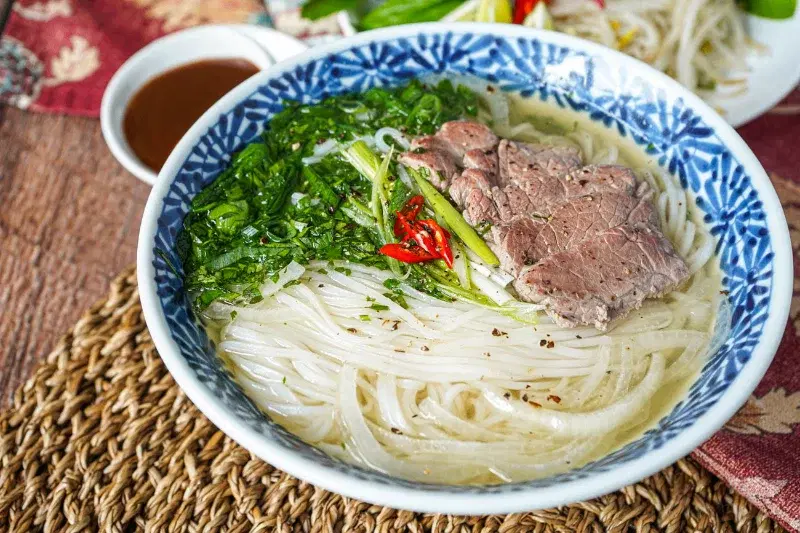
Phở (pronounced "fuh") is Vietnam's most famous culinary export—a deceptively simple yet profoundly complex beef or chicken noodle soup that represents the soul of Vietnamese cuisine. From street-side stalls in Hanoi's Old Quarter at dawn to family restaurants in Saigon's bustling districts, phở is the dish that defines Vietnamese food culture.
This comprehensive guide explores everything about phở: its fascinating history, the profound differences between northern and southern styles, how to order and eat it properly, where to find the best bowls in Vietnam, and even how to make authentic phở at home.
What is Phở?
Phở is a Vietnamese noodle soup consisting of:
- Broth (nước dùng): Clear, aromatic beef or chicken broth simmered for hours with spices
- Noodles (bánh phở): Flat, soft rice noodles (similar to Chinese hé fěn or Thai sen lek)
- Meat: Thinly sliced beef (various cuts) or poached chicken
- Herbs and garnishes: Fresh herbs, bean sprouts, lime, chili
Despite its apparent simplicity, phở is one of the world's most sophisticated soups, with depths of flavor achieved through careful balance of ingredients, long cooking times, and generations of refined technique.
The Name "Phở"
The etymology of "phở" is debated among food historians:
Theory 1: French influence
Derived from French pot-au-feu (beef stew), introduced during colonial period. The pronunciation and dish share similarities.
Theory 2: Chinese influence
From Cantonese 粉 (fan), meaning rice noodles. Vietnam shares culinary traditions with Southern China.
Theory 3: Vietnamese origin
Indigenous Vietnamese word, possibly related to phun (to blow on hot food).
Most scholars favor the French theory, given phở's relatively recent emergence in the early 20th century during French colonial rule.
The History of Phở
Origins in Early 20th Century Northern Vietnam
Phở originated in northern Vietnam, likely in Nam Định province or Hanoi, in the early 1900s. The dish emerged from a convergence of factors:
French colonial influence (1887-1954):
- French demand for beef created surplus beef bones
- French pot-au-feu inspired broth-based cooking
- Introduction of new ingredients
Chinese culinary traditions:
- Rice noodle soup traditions from Southern China
- Chinese immigrants in Hanoi
- Similar noodle dishes (ngưu nhục phấn, hủ tiếu)
Vietnamese ingenuity:
- Adaptation to local tastes and ingredients
- Addition of herbs and aromatics
- Development of unique spice blend
Early Phở (1900s-1920s)
The first phở was simple: beef broth, noodles, and basic cuts of beef. Street vendors carried their soup pots and ingredients on shoulder poles (gánh phở), selling bowls at dawn to workers.
Original phở characteristics:
- Water buffalo meat (cattle were draft animals, rarely eaten)
- Simple broth with fewer spices
- Minimal garnishes
- Served only for breakfast
Evolution in Hanoi (1920s-1954)
By the 1920s, phở stalls proliferated in Hanoi. The dish evolved significantly:
- Beef cattle replaced water buffalo
- Spice blend refined (star anise, cinnamon, cardamom, coriander seeds, cloves)
- More sophisticated cuts (rare beef, well-done flank, tendon, tripe)
- Chicken phở (phở gà) emerged
- Permanent stalls replaced mobile vendors
Famous streets: Several Hanoi streets became synonymous with phở, including Bát Đàn, Hàng Trống, and Lý Quốc Sư.
Phở Spreads South (1954-1975)
After the 1954 Geneva Accords partitioned Vietnam, approximately one million northerners (including many phở vendors) migrated to South Vietnam. They brought phở to Saigon (Ho Chi Minh City), where it evolved into a distinct southern style.
Southern adaptations:
- Sweeter broth
- Wider variety of herbs
- Addition of hoisin sauce and sriracha at table
- Larger noodles
- More generous portions
- All-day dining (not just breakfast)
Modern Phở (1975-Present)
After reunification in 1975, phở continued evolving and spreading globally:
1970s-1980s: Vietnamese diaspora introduced phở to the world 1990s-2000s: Phở restaurants opened in major world cities 2010s-2020s: Phở achieved global recognition as iconic dish Present: Phở served worldwide, with regional variations in Vietnam becoming more distinct
Phở Bắc vs Phở Nam: Northern and Southern Styles
The most fundamental division in phở culture is between northern (Bắc) and southern (Nam) styles. These represent not just regional variations but entirely different philosophies of the dish.
Phở Bắc (Northern Phở - Hanoi Style)
Philosophy: Simplicity, balance, restraint. The broth is king.
Broth characteristics:
- Clear, refined, delicate
- More subtle spicing
- Emphasis on beef flavor
- Cooked 12-24 hours
- Typically lighter in color
Noodles:
- Wider, softer noodles
- Delicate texture
Meat:
- Conservative portions
- Traditional cuts: tái (rare beef), chín (well-done flank), gầu (fatty brisket), gân (tendon), sách (tripe)
- Sliced very thin
Garnishes (rau thơm):
- Minimal: usually just spring onions and cilantro in the bowl
- Side plate with: lime wedges, chili, optional herbs (Thai basil, rau răm)
- NO hoisin sauce or sriracha (considered touristy or southern)
Serving style:
- Large bowls
- Simple presentation
- Emphasis on broth clarity
Cultural attitude:
- Breakfast food (though available all day)
- Serious, almost reverent approach
- "Real" phở enthusiasts eat northern style
Price: Generally 35,000-60,000 VND per bowl
Phở Nam (Southern Phở - Saigon Style)
Philosophy: Abundance, customization, boldness. Your bowl, your way.
Broth characteristics:
- Sweeter (rock sugar added)
- More assertive spicing
- Slightly darker
- Still flavorful but less refined than northern
- Sometimes includes MSG
Noodles:
- Slightly narrower
- Firmer texture
Meat:
- Generous portions
- More varieties: includes nạm (flank), vè dòn (crunchy flank), plus all northern cuts
- Optional blood cubes (tiết canh)
Garnishes:
- Abundant: huge plate of herbs including Thai basil, sawtooth coriander, bean sprouts, lime, chilies
- Hoisin sauce (tương đen) and sriracha (tương ớt) served at table
- Encourages customization
Serving style:
- Larger portions
- More colorful presentation
- Focus on abundance
Cultural attitude:
- Eaten any time of day
- Casual, flexible approach
- Fun to customize
Price: Generally 40,000-70,000 VND per bowl
Which Style is "Better"?
This is like asking whether pizza from Naples or New York is better—both are excellent, just different.
Choose northern phở if you:
- Appreciate subtle, refined flavors
- Want to experience "original" phở
- Prefer delicate, clear broths
- Like simplicity and restraint
Choose southern phở if you:
- Enjoy bold, sweet-savory flavors
- Like customizing your food
- Want generous portions
- Prefer abundant fresh herbs
Truth: Try both styles during your Vietnam trip. Most visitors develop a preference, but both represent authentic Vietnamese cuisine.
Types of Phở
Phở Bò (Beef Phở)
The classic, original phở. Beef bone broth with various beef cuts.
Common cuts (specify when ordering):
- Phở tái: Rare beef (most popular), added to hot broth and cooks briefly
- Phở chín: Well-done beef flank or brisket
- Phở tái nạm: Rare beef and flank
- Phở tái gân: Rare beef and tendon
- Phở tái sách: Rare beef and tripe
- Phở gầu: Fatty brisket
- Phở bò viên: With beef meatballs
- Phở đặc biệt: "Special" with combination of all meats
Regional variations:
- Northern: Conservative meat portions, emphasis on rare beef
- Southern: More meat varieties, more generous portions
Phở Gà (Chicken Phở)
Chicken version with chicken broth and poached chicken.
Characteristics:
- Lighter broth than beef
- Made from whole chicken
- Chicken sliced or shredded
- Often served with ginger fish sauce (nước mắm gừng) instead of regular fish sauce
- Popular for breakfast and those who prefer lighter soup
Variations:
- Phở gà truyền thống: Traditional style with bone-in chicken
- Phở gà bóc: Shredded boneless chicken
- Phở gà ta: Made with free-range local chicken (more flavorful, tougher meat)
Cultural note: Phở gà is sometimes considered more "feminine" or lighter than beef phở, though this is a stereotype.
Phở Trộn (Dry Phở/Mixed Phở)
Modern variation served without broth.
Style:
- Rice noodles mixed with meat
- Small bowl of broth served on the side
- Dressed with fish sauce, lime, oil
- Topped with peanuts, fried onions
- Fresh herbs
Popularity: More common in southern Vietnam and overseas Vietnamese communities
Phở Cuốn (Rolled Phở)
Not actually soup—fresh uncut phở noodle sheets wrapped around herbs and beef.
Description:
- Steamed wide rice noodle sheets (same as phở noodles before cutting)
- Filled with grilled beef, lettuce, herbs
- Served with dipping sauce
- Eaten as rolls, similar to spring rolls
Origin: Hanoi specialty, especially famous at Phở Cuốn Ngũ Xã
Note: Despite the name, this is a completely different dish from phở soup.
Regional Specialty Phở
Phở Chua (Sour Phở): Lang Son province—tangy broth with vinegar Phở Khô (Dry Phở): Northern variation without broth Phở Cá (Fish Phở): Made with fish instead of beef/chicken Phở Hải Sản (Seafood Phở): With seafood (shrimp, squid, fish)
These are less common and regional specialties rather than mainstream varieties.
Anatomy of a Perfect Bowl of Phở
The Noodles (Bánh Phở)
Composition: Rice flour and water Shape: Flat ribbons, approximately 3-5mm wide (northern) or 2-4mm (southern) Texture: Soft, slippery, slightly chewy
Fresh vs dried:
- Fresh (bánh phở tươi): Made daily, used in Vietnam, superior texture
- Dried (bánh phở khô): Used overseas where fresh unavailable
Preparation: Briefly blanched in boiling water immediately before assembling bowl (10-15 seconds)
Quality indicators:
- Smooth, not sticky
- Clean rice flavor
- Appropriate chewiness (not mushy)
The Broth (Nước Dùng)
The soul of phở. A great bowl lives or dies by its broth.
Base ingredients:
- Beef bones (knuckle, leg bones, marrow bones)
- Oxtail (for richness)
- Beef shank or flank
- Water
Aromatics:
- Onions (charred)
- Ginger (charred)
- Star anise
- Cinnamon (Saigon cinnamon preferred)
- Coriander seeds
- Fennel seeds
- Cardamom
- Cloves
- Black cardamom (optional)
Seasoning:
- Salt
- Rock sugar (especially southern style)
- Fish sauce (added at end)
Technique:
- Blanch bones to remove impurities
- Char ginger and onions over open flame
- Simmer bones 12-24 hours (some shops 48+ hours)
- Add aromatics in final 1-2 hours
- Strain carefully for clarity
- Season to balance
Perfect broth characteristics:
- Crystal clear (northern) or slightly cloudy (southern acceptable)
- Rich but not greasy
- Complex spice aroma without overwhelming any single spice
- Perfect balance of sweet, salty, savory
- Beefy flavor predominates
The Meat (Thịt)
Beef cuts:
Tái (rare beef):
- Eye round or sirloin
- Sliced paper-thin against the grain
- Added raw to bowl, cooks in hot broth
- Should be pink to red in center
Chín (well-done beef):
- Brisket or flank
- Cooked in broth until tender
- Sliced medium-thin
Nạm (flank):
- Beef flank
- Cooked in broth
- Slightly chewy texture
Gầu (fatty brisket):
- Brisket with fat layer
- Rich, melt-in-mouth texture
- Gelatinous
Gân (tendon):
- Beef tendon
- Cooked until soft but retains chew
- Gelatinous texture
Sách (tripe):
- Beef stomach lining (book tripe preferred)
- Honeycomb texture
- Chewy
Bò viên (beef balls):
- Ground beef shaped into meatballs
- Bouncy texture
- Sometimes contain tendon (bò viên dai)
Preparation: Meat must be sliced very thin and cut against the grain for tenderness.
The Garnishes (Rau Thơm)
Always included (northern and southern):
- Green onions (sliced, in the bowl)
- Cilantro (in the bowl)
- Lime wedges
- Fresh chili (sliced)
Southern additions:
- Thai basil (húng quế)
- Sawtooth coriander (ngò gai)
- Bean sprouts
- Culantro/long coriander (rau răm)
Condiments:
- Nước mắm (fish sauce): Always available
- Tương đen (hoisin sauce): Southern style, some northern places
- Tương ớt (sriracha): Southern style
- Ground black pepper
- Chili sauce or fresh chili
The Art of Phở Broth
Traditional Broth-Making Process
Making authentic phở broth is a labor of love requiring time, quality ingredients, and technique.
Step 1: Selecting bones (30 minutes)
- Beef knuckle bones (marrow)
- Leg bones
- Oxtail
- Ratio approximately 5kg bones per 10 liters water
Step 2: Blanching (15 minutes)
- Boil bones 10-15 minutes
- Discard water (removes impurities, blood, scum)
- Rinse bones thoroughly
Step 3: Charring aromatics (15 minutes)
- Char whole ginger and onions over open flame or grill
- Develops smoky depth
- Removes harsh flavors
Step 4: Initial simmer (12-24 hours)
- Place blanched bones in fresh water
- Bring to boil, reduce to gentle simmer
- Skim impurities regularly (first 2 hours)
- Maintain steady low simmer
Step 5: Adding aromatics (1-2 hours before finish)
- Add charred ginger and onions
- Add spice packet (star anise, cinnamon, coriander, fennel, cloves, cardamom)
- Too early: spices bitter; too late: weak flavor
Step 6: Finishing (30 minutes before serving)
- Season with salt, rock sugar, fish sauce
- Taste and adjust balance
- Strain through fine mesh
Step 7: Serving
- Keep broth at boiling temperature
- Pour over noodles and meat immediately
Total time: Minimum 14 hours, professional shops often 24-48 hours
Spice Balance
The spice blend (ngũ vị hương—five-spice fragrance) must be carefully balanced:
Star anise: Dominant sweet licorice note Cinnamon: Warmth and sweetness (Saigon cinnamon preferred) Coriander seeds: Citrusy, floral Fennel seeds: Subtle licorice, sweetness Cloves: Pungent, warm (use sparingly) Cardamom: Eucalyptus-like, complex (optional) Black cardamom: Smoky depth (optional, northern style)
Proportions (for 10 liters broth):
- 3-4 star anise
- 1 stick cinnamon (7-8cm)
- 1 tablespoon coriander seeds
- 1 teaspoon fennel seeds
- 3-4 cloves
- 2-3 cardamom pods
Key principle: No single spice should dominate; the blend should be harmonious.
Common Broth Mistakes
Cloudy broth: Rolling boil instead of gentle simmer, insufficient blanching Bitter broth: Spices added too early or too much Weak flavor: Insufficient bones, too much water, not enough cooking time Too sweet: Excessive rock sugar (southern trap) Greasy: Not enough skimming of fat Murky spice flavor: Spices not fresh, incorrect proportions
Shortcuts and Modern Techniques
Traditional shops never take shortcuts, but home cooks and some restaurants use:
Pressure cooker: Reduces cooking time to 3-4 hours Beef shank: Adds flavor faster than bones alone Store-bought beef stock: Base that's enhanced (not authentic) MSG: Flavor enhancer (controversial, some shops use)
Authentic phở shops: Visible large stock pots simmering all day, early morning broth preparation
How to Order Phở Like a Local
At a Street Stall or Restaurant
Step 1: Choose your type
- "Phở bò" (beef) or "Phở gà" (chicken)
Step 2: Specify your beef cuts (for phở bò)
- "Phở tái" = rare beef only (most common)
- "Phở chín" = well-done beef
- "Phở tái chín" = combination rare and well-done
- "Phở tái gân" = rare beef and tendon
- "Phở đặc biệt" = special (everything)
Step 3: Indicate size (if options available)
- "Tô nhỏ" = small bowl
- "Tô lớn" = large bowl
- "Tô đặc biệt" = extra large
Step 4: Wait for preparation
- Sit down (street stalls: plastic stools)
- Bowl arrives in 3-5 minutes
Example orders:
- "Cho tôi một phở tái." = Give me one rare beef phở.
- "Phở gà, tô lớn." = Large chicken phở.
- "Hai phở bò đặc biệt." = Two special beef phở.
What Comes with Your Bowl
In the bowl:
- Noodles
- Broth
- Meat
- Green onions
- Cilantro
On the table or brought separately:
- Plate of herbs and bean sprouts (southern)
- Lime wedges
- Chili (sliced or sauce)
- Fish sauce (small dish)
- Hoisin sauce and sriracha (southern)
Utensils:
- Chopsticks (for noodles and meat)
- Spoon (for broth)
- Sometimes small fork
Payment
- Pay after eating (not before)
- Call server when finished
- Small shops: may just pay whoever's nearby
- Cash usually (small bills appreciated)
Typical prices:
- Hanoi: 35,000-60,000 VND ($1.40-$2.40)
- Ho Chi Minh City: 40,000-70,000 VND ($1.60-$2.80)
- Tourist areas: 50,000-100,000 VND ($2-$4)
How to Eat Phở Properly
Northern Style Eating Method
- Receive your bowl: Don't add anything immediately
- Smell and appreciate: Inhale the aromatic broth
- Taste the broth first: Take a spoonful to appreciate the pure flavor
- Minimal additions: Add lime squeeze, chili if desired, small amount of black pepper
- NO hoisin or sriracha: Considered touristy/southern
- Mix gently: Use chopsticks to distribute meat and noodles
- Eat methodically: Slurp noodles (acceptable), sip broth with spoon
- Finish the broth: Drinking all the broth shows appreciation
Northern philosophy: The chef balanced the flavors; trust their expertise.
Southern Style Eating Method
- Receive your bowl: It's game time!
- Customize aggressively:
- Add abundant herbs (Thai basil, saw tooth coriander)
- Squeeze lime liberally
- Add bean sprouts
- Drizzle hoisin sauce
- Add sriracha for heat
- Mix thoroughly: Integrate all additions
- Taste and adjust: Add more of whatever you like
- Eat enthusiastically: Slurping encouraged
- Refill herbs: Add more as you eat
Southern philosophy: Your bowl, your way—make it personal!
Universal Phở Etiquette
DO:
- Slurp noodles (shows enjoyment, cools noodles)
- Lean over the bowl (prevents dripping)
- Use chopsticks for noodles/meat, spoon for broth
- Bring bowl close to your mouth
- Drink broth directly from bowl at the end
- Add lime, herbs to your preference
DON'T:
- Stir too vigorously (splashes hot broth)
- Over-season immediately without tasting first
- Leave much food in bowl (wasteful)
- Use fork (chopsticks are standard)
- Complain about authentic preparation
- Add hoisin/sriracha in northern restaurants (cultural faux pas)
When to eat phở:
- Traditional: Breakfast (6-10am)
- Modern: Anytime, though breakfast and lunch most common
- Late night: Phở is perfect 2am food after drinking
Best Phở in Hanoi
Hanoi is the birthplace of phở and home to some of the world's best bowls. These shops represent decades (sometimes generations) of perfected technique.
Phở Gia Truyền (Bat Dan Street)
Location: 49 Bát Đàn Street, Hoàn Kiếm District Style: Northern traditional Established: 1970s Specialty: Phở bò
What makes it special:
- Crystal-clear broth with exceptional depth
- Delicate balance of spices
- Super-thin rare beef slices
- Famous among locals and food critics
- Anthony Bourdain visited here
Price: 60,000-70,000 VND Hours: 6:00am-10:00am, 6:00pm-10:00pm Wait time: Often queues, worth it
Phở Thìn (Lo Duc Street)
Location: 13 Lò Đúc Street, Hai Bà Trưng District Style: Unique Hanoi style with stir-fried beef Established: 1979 Specialty: Phở bò tái (beef is stir-fried before adding to bowl)
What makes it special:
- Distinctive method: beef is quickly stir-fried with garlic
- Savory, slightly caramelized meat
- Rich, flavorful broth
- Massive popularity (always packed)
Price: 65,000 VND Hours: 5:00am-10:00am, 5:00pm-9:00pm
Phở 10 Lý Quốc Sư
Location: 10 Lý Quốc Sư Street, Hoàn Kiếm District Style: Northern traditional Established: Long-standing family shop Specialty: Phở bò and phở gà
What makes it special:
- Convenient Old Quarter location
- Reliable quality
- Both beef and chicken excellent
- Welcoming to foreigners
Price: 50,000-60,000 VND Hours: 6:00am-9:00pm
Phở Suong (Trung Liet Street)
Location: 24 Trung Liệt Street, Đống Đa District Style: Northern style phở bò Established: Famous family shop Specialty: Exceptional beef phở
What makes it special:
- Locals' favorite (off tourist path)
- Superb broth clarity and flavor
- Generous meat portions
- Authentic neighborhood atmosphere
Price: 55,000 VND Hours: 6:30am-10:30am, 6:00pm-9:30pm
Phở Gà Ngũ Xã
Location: Trường Chinh Street, Đống Đa District Style: Chicken phở specialist Specialty: Phở gà
What makes it special:
- Famous for chicken phở (rare specialty shop)
- Free-range chicken
- Served with ginger fish sauce
- Simple but perfect execution
Price: 50,000 VND
Best Phở in Ho Chi Minh City (Saigon)
Southern phở offers different pleasures—sweeter, more customizable, generous portions.
Phở Hòa Pasteur
Location: 260C Pasteur Street, District 3 Style: Southern style phở bò Established: 1968 (original location), now chain Specialty: Phở tái
What makes it special:
- Iconic Saigon phở shop
- Sweet, rich southern-style broth
- Generous meat portions
- Abundant herbs
- Open 24 hours (some locations)
Price: 65,000-80,000 VND
Phở Lệ (District 5 - Cholon)
Location: 413-415 Nguyễn Trãi Street, District 5 Style: Saigon style Established: Decades-old family shop Specialty: Phở bò
What makes it special:
- Local favorite in Cholon (Chinatown)
- Excellent broth balance
- Off tourist path
- Authentic Saigon style
Price: 60,000-70,000 VND Hours: 6:00am-11:00pm
Phở Quỳnh (District 1)
Location: 323 Pham Ngu Lao Street, District 1 Style: Southern phở bò Specialty: Phở đặc biệt
What makes it special:
- Late-night favorite (open until 3am)
- Backpacker area (tourist-friendly)
- Consistently good
- Large portions
Price: 70,000-85,000 VND
Phở 2000
Location: 1-3 Phan Chu Trinh Street, District 1 Style: Southern style Established: 2000 Specialty: Phở bò (became famous after President Clinton's 2000 visit)
What makes it special:
- "Clinton phở" (photo of Clinton eating here on wall)
- Tourist-friendly
- Clean, modern environment
- Reliable quality
- English menu
Price: 75,000-95,000 VND (tourist pricing)
Phở Thin (District 1)
Location: Multiple locations in District 1 Style: Northern style in Saigon Specialty: Phở bò with stir-fried beef
What makes it special:
- Hanoi-style phở in Saigon
- Brings northern technique south
- For those preferring northern style in the south
Phở in Other Vietnamese Cities
Hue
Hue has excellent phở, though the city is more famous for bún bò Huế. Phở here sometimes blends northern and southern styles.
Da Nang and Hoi An
Central Vietnam phở leans slightly southern but with local variations. Good quality widely available.
Nha Trang
Coastal city phở available but not the specialty. Focus on seafood dishes instead.
Can Tho (Mekong Delta)
Southern style with very sweet broth. Abundant fresh herbs.
Making Authentic Phở at Home
Reality Check
Making authentic phở at home is challenging and time-consuming. It requires:
- 14-24 hours cooking time
- Hard-to-find ingredients (outside Vietnam)
- Attention to detail
- Practice to perfect
That said, homemade phở can be incredibly rewarding.
Essential Ingredients
For broth (serves 6-8):
- 2kg beef bones (knuckle, marrow, leg bones)
- 1kg oxtail
- 500g beef shank
- 2 large onions
- 100g fresh ginger
- 4 star anise
- 1 cinnamon stick (7cm)
- 1 tbsp coriander seeds
- 1 tsp fennel seeds
- 4 cloves
- 2-3 cardamom pods
- 1 tbsp salt
- 2 tbsp rock sugar
- 3-4 tbsp fish sauce
- 5 liters water
For serving:
- 800g fresh phở noodles (or 600g dried)
- 500g beef eye round or sirloin (sliced paper-thin)
- Green onions
- Cilantro
- Thai basil
- Bean sprouts
- Lime wedges
- Chili
- Hoisin sauce, sriracha
Simplified Home Recipe
Day 1 (Broth preparation - 14+ hours):
-
Blanch bones (15 min):
- Boil bones and oxtail 10-15 minutes
- Discard water, rinse bones thoroughly
-
Char aromatics (15 min):
- Char whole ginger and onions over open flame until blackened
- Peel and rinse
-
Begin simmering (12-14 hours):
- Place bones, oxtail, beef shank in large pot
- Cover with water (5 liters)
- Bring to boil, reduce to gentle simmer
- Skim frequently first 2 hours
- Simmer uncovered 12-14 hours
-
Add aromatics (1 hour before finishing):
- Toast spices in dry pan until fragrant (2 min)
- Add charred ginger, onions, and spices to broth
- Simmer 1 hour
-
Season and strain (30 min before serving):
- Remove bones and shank (shred shank for serving)
- Strain broth through fine mesh
- Season with salt, rock sugar, fish sauce
- Taste and adjust
Day 2 (Assembly - 15 minutes):
-
Prep garnishes:
- Slice green onions
- Pick cilantro
- Prepare herb plate
- Cut lime wedges
-
Slice beef:
- Partially freeze beef (easier to slice)
- Slice paper-thin against grain
- Arrange on plate
-
Prepare noodles:
- Bring pot of water to boil
- Blanch noodles 10-15 seconds (fresh) or per package (dried)
- Drain immediately
-
Assemble bowls:
- Divide noodles between bowls
- Add cooked beef shank if using
- Layer raw beef slices on top
- Ladle boiling broth over (cooks the beef)
- Top with green onions and cilantro
- Serve immediately with garnishes
Tips for Success
- Don't rush the broth (minimum 12 hours)
- Keep simmer gentle (not rolling boil)
- Skim frequently at start
- Don't over-spice
- Slice beef against the grain and very thin
- Broth must be boiling when ladled over beef
- Serve immediately (noodles get soggy)
Phở Etiquette and Cultural Significance
Phở as Cultural Identity
Phở represents Vietnamese national identity more than any other dish:
- Humble origins, sophisticated result (mirrors Vietnam's history)
- Balance and harmony (core Vietnamese philosophy)
- Regional pride (north vs south debates reflect cultural differences)
- Diaspora connection (overseas Vietnamese maintain phở traditions)
Phở in Daily Life
Traditional: Phở is breakfast food, eaten before work Modern: Available and eaten all day, though morning most popular Social: Phở shops are community gathering spots Comfort food: Vietnamese people crave phở when away from home Hangover cure: Late-night/early-morning phở after drinking is tradition
Regional Pride and "Phở Wars"
The north-south phở debate is a beloved national conversation:
Northern purists: "Real phở is from Hanoi, southern style is bastardized" Southern defenders: "Northern phở is boring, southern style improves it" Reality: Both styles are authentic Vietnamese food reflecting regional cultures
This friendly rivalry mirrors broader north-south cultural differences in Vietnam.
Health Benefits and Nutrition
Nutritional Profile
A typical bowl of phở contains approximately [values vary]:
- Calories: 400-600 (depending on meat portions)
- Protein: 25-40g
- Carbohydrates: 45-65g (mainly from noodles)
- Fat: 10-25g
- Sodium: High (1500-2500mg from broth and fish sauce)
Health Benefits
Highly nutritious:
- Complete protein from beef
- Bone broth provides collagen, minerals
- Fresh herbs add vitamins and antioxidants
- Ginger has anti-inflammatory properties
- Star anise contains antimicrobial compounds
Relatively balanced:
- Carbs, protein, some vegetables
- Not heavily fried or oily
- Can be made lighter with more vegetables, less meat
Hydrating: Hot broth excellent for hydration
Potential hangover remedy: Broth electrolytes, protein, easy to digest
Considerations
High sodium: Broth is salty; those watching sodium should be cautious MSG: Some shops use MSG (not inherently unhealthy but some avoid) Refined carbs: Rice noodles are simple carbs Variable quality: Nutritional value depends on broth quality and ingredients
Visa Requirements for Your Phở Journey
Planning a phở pilgrimage across Vietnam? Ensure you have the right visa for your culinary adventure.
E-Visa for Phở Tourism
90-day e-visa allows extended time to explore Vietnam's phở culture:
- Eat breakfast phở in Hanoi's Old Quarter
- Compare northern and southern styles
- Take cooking classes
- Visit multiple cities
- Explore beyond phở to other Vietnamese dishes
Application: Vietnam Immigration e-visa service Processing: 3 business days Validity: 90 days, single or multiple entry
Visa-Free Entry
Citizens of many countries can enter visa-free for 14-45 days (sufficient for focused phở tour):
- ASEAN countries
- South Korea, Japan
- Several European countries
Phở Tour Itinerary Suggestions
7-Day Phở Focus:
- Days 1-3: Hanoi (northern style immersion)
- Day 4: Travel day
- Days 5-7: Ho Chi Minh City (southern style)
14-Day Complete Phở Journey:
- Days 1-5: Hanoi and northern Vietnam
- Days 6-7: Hue and central Vietnam
- Day 8: Da Nang/Hoi An
- Days 9-14: Ho Chi Minh City and Mekong Delta
Your visa should cover your planned duration plus buffer for weather delays or extended stays.
Ready to embark on your phở adventure in Vietnam? Secure your Vietnam e-visa today and prepare to experience the world's finest bowls of this iconic noodle soup.
From the subtle, refined broths of Hanoi's legendary phở shops to the bold, customizable bowls of Saigon's bustling streets, phở represents the heart of Vietnamese culinary culture. Whether you prefer the purist's approach of northern style or the exuberant abundance of southern preparations, Vietnam's phở will captivate your palate and provide insight into the soul of Vietnamese cuisine.
Slurp those noodles, savor that broth, and discover why this humble soup has conquered the world.
Chúc ăn ngon! (Eat deliciously!)
Share:
Created: Mar 08, 2026 | Modified: Mar 10, 2026
Related Posts
The Ultimate Vietnamese Street Food Guide: 15 Must-Try Dishes
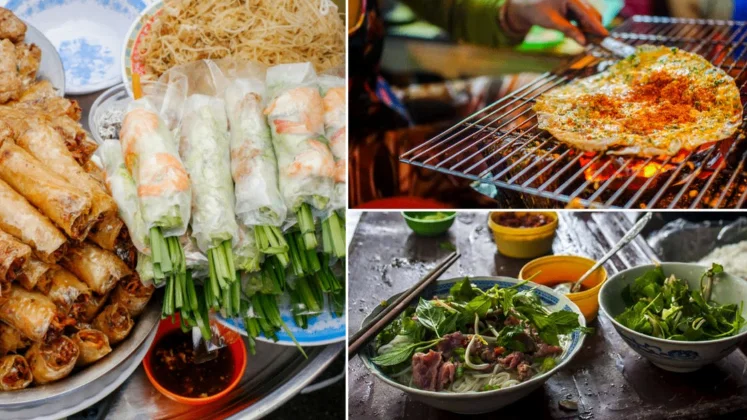
Discover Vietnam's best street food with this comprehensive guide to 15 must-try dishes. Learn where to find authentic bánh mì, phở, bún chả, and regional specialties across Hanoi, Hue, Hoi An, and Ho Chi Minh City. Includes safety tips, ordering advice, and cultural etiquette for food travelers.

Vietnam Weekend Itineraries 2026: 3 Perfect Short Trips (2-3 Days)
Looking for the perfect weekend escape? Vietnam offers incredible short-trip experiences just 2-4 hours from major Asian cities. Whether you're flying from Singapore, Hong Kong, Bangkok, Seoul, or Tokyo, discover three complete weekend itineraries for Ho Chi Minh City, Hanoi, and Da Nang/Hoi An—complete with visa tips for last-minute travelers.
Top 5 Bun Thang Restaurants in Hanoi: A Must-Try Culinary Experience
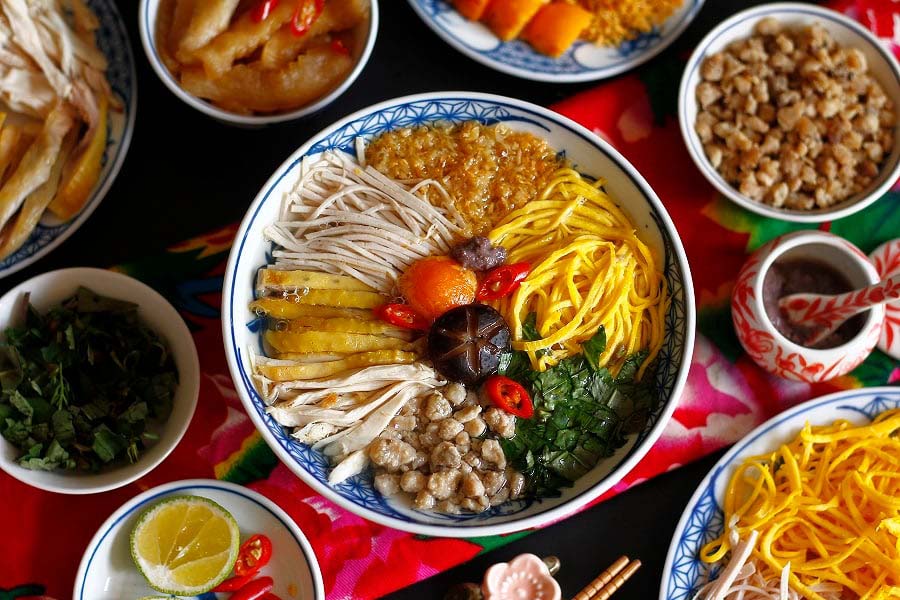
Hanoi, the heart of Vietnamese cuisine, offers a variety of traditional dishes, and Bun Thang is a standout. This delicate noodle soup, made with shredded chicken, pork, egg, and herbs, is a favorite among locals and tourists alike. Here are the top 5 Bun Thang restaurants in Hanoi where you can enjoy this exquisite dish...
Table of Contents
- What is Phở?
- The Name "Phở"
- The History of Phở
- Origins in Early 20th Century Northern Vietnam
- Early Phở (1900s-1920s)
- Evolution in Hanoi (1920s-1954)
- Phở Spreads South (1954-1975)
- Modern Phở (1975-Present)
- Phở Bắc vs Phở Nam: Northern and Southern Styles
- Phở Bắc (Northern Phở - Hanoi Style)
- Phở Nam (Southern Phở - Saigon Style)
- Which Style is "Better"?
- Types of Phở
- Phở Bò (Beef Phở)
- Phở Gà (Chicken Phở)
- Phở Trộn (Dry Phở/Mixed Phở)
- Phở Cuốn (Rolled Phở)
- Regional Specialty Phở
- Anatomy of a Perfect Bowl of Phở
- The Noodles (*Bánh Phở*)
- The Broth (*Nước Dùng*)
- The Meat (*Thịt*)
- The Garnishes (*Rau Thơm*)
- The Art of Phở Broth
- Traditional Broth-Making Process
- Spice Balance
- Common Broth Mistakes
- Shortcuts and Modern Techniques
- How to Order Phở Like a Local
- At a Street Stall or Restaurant
- What Comes with Your Bowl
- Payment
- How to Eat Phở Properly
- Northern Style Eating Method
- Southern Style Eating Method
- Universal Phở Etiquette
- Best Phở in Hanoi
- Phở Gia Truyền (Bat Dan Street)
- Phở Thìn (Lo Duc Street)
- Phở 10 Lý Quốc Sư
- Phở Suong (Trung Liet Street)
- Phở Gà Ngũ Xã
- Best Phở in Ho Chi Minh City (Saigon)
- Phở Hòa Pasteur
- Phở Lệ (District 5 - Cholon)
- Phở Quỳnh (District 1)
- Phở 2000
- Phở Thin (District 1)
- Phở in Other Vietnamese Cities
- Hue
- Da Nang and Hoi An
- Nha Trang
- Can Tho (Mekong Delta)
- Making Authentic Phở at Home
- Reality Check
- Essential Ingredients
- Simplified Home Recipe
- Tips for Success
- Phở Etiquette and Cultural Significance
- Phở as Cultural Identity
- Phở in Daily Life
- Regional Pride and "Phở Wars"
- Health Benefits and Nutrition
- Nutritional Profile
- Health Benefits
- Considerations
- Visa Requirements for Your Phở Journey
- E-Visa for Phở Tourism
- Visa-Free Entry
- Phở Tour Itinerary Suggestions