Discovering the Rich Legacy of Phở Nam Định: A Vietnamese Culinary Gem
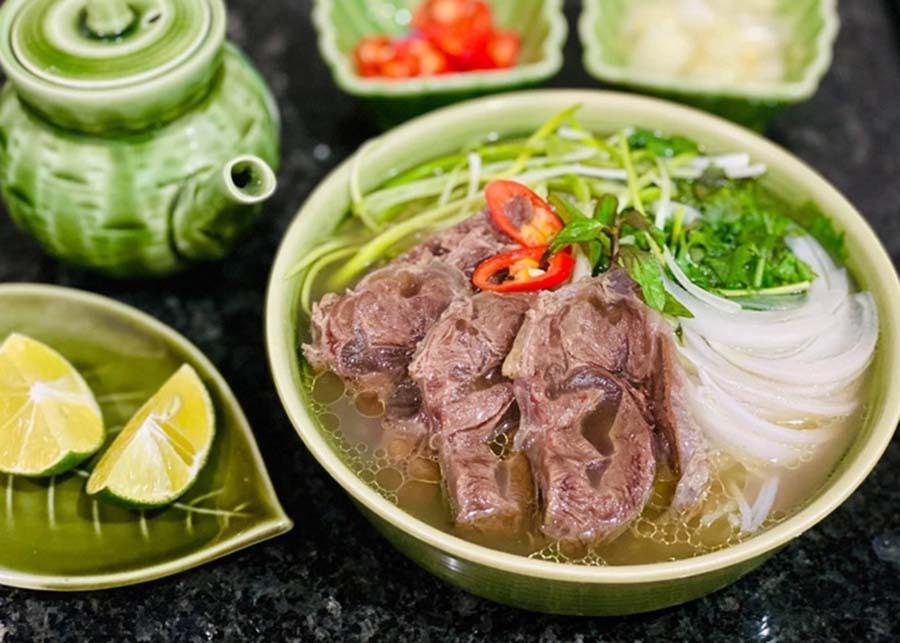
When it comes to Vietnamese cuisine, Phở is undoubtedly one of the most iconic dishes, celebrated worldwide for its rich broth, tender meat, and aromatic herbs. While Phở Hanoi often steals the spotlight, Phở Nam Định is a beloved variation that holds a deep cultural significance in Vietnam. This version of Phở is not just a dish; it's a culinary tradition that has been passed down through generations, embodying the rich heritage of Nam Định province in northern Vietnam.
The Origins of Phở Nam Định
The roots of Phở Nam Định trace back to Nam Định province, a region known for its historical importance and strong cultural identity. The province's history of Phở-making dates back to the early 20th century, with many locals claiming that the dish was first introduced here before spreading to other parts of Vietnam, including Hanoi. Over the years, families in Nam Định have perfected their recipes, creating a version of Phở that is distinct in flavor and preparation.
What Sets Phở Nam Định Apart?
Several factors contribute to the unique taste and reputation of Phở Nam Định:
- Broth Quality: The broth in Phở Nam Định is revered for its clarity and depth of flavor. Unlike other regional variations, which may have a heavier, oilier broth, Phở Nam Định achieves a perfect balance between sweetness and umami. This is accomplished by simmering beef bones for an extended period, allowing the marrow to infuse the broth with a rich yet subtle flavor. The broth is typically seasoned with star anise, cloves, and cinnamon, contributing to its aromatic profile.
- Noodles: The rice noodles used in Phở Nam Định are typically thinner and more delicate than those found in other versions. These noodles, often handmade, absorb the broth beautifully, adding to the dish's overall lightness. The texture of these noodles is essential to the dish's identity, providing a perfect balance between the soft, slippery noodles and the hearty broth.
- Herbs and Garnishes: Fresh herbs are a staple in all Phở recipes, but Phở Nam Định uses a specific combination of herbs, including cilantro, scallions, and basil, that enhance the dish's fragrance and flavor. These herbs, along with a squeeze of lime and a dash of chili, add a refreshing contrast to the rich broth and tender meat.
- Meat Selection: Phở Nam Định is traditionally served with thinly sliced beef, often a combination of different cuts to provide a variety of textures. Some versions include rare beef slices, brisket, or even beef balls, each adding its own unique flavor to the dish.
- Cultural Significance: In Nam Định, Phở is more than just a meal; it’s a symbol of the region's pride and culinary excellence. Many families have been making Phở for generations, each adding their own twist to the traditional recipe. The dish is often enjoyed during family gatherings, festivals, and special occasions, making it an integral part of the local culture.
Exploring Nam Định: Beyond the Bowl of Phở
Nam Định is not just famous for its Phở; the province itself is a treasure trove of cultural and historical landmarks. Visitors to Nam Định can explore ancient pagodas, colonial-era architecture, and traditional craft villages that have been preserved for centuries. The region's rich history is reflected in its food, festivals, and daily life, offering a unique glimpse into Vietnam's past and present.
For those who wish to experience Phở Nam Định in its most authentic form, a visit to the local markets and street vendors is a must. Here, you can witness the meticulous preparation of Phở, from the simmering of the broth to the assembly of the dish. Each bowl is a testament to the skill and dedication of the cook, who often prepares Phở in the same way their ancestors did.
Phở Nam Định and Vietnamese Cuisine on the Global Stage
As Vietnamese cuisine continues to gain popularity worldwide, Phở Nam Định is beginning to receive the recognition it deserves. While Phở Hanoi remains the most well-known version internationally, food enthusiasts and chefs are increasingly exploring regional variations like Phở Nam Định for their unique flavors and cultural significance. This growing interest is helping to preserve and promote Vietnam's rich culinary heritage on the global stage.
Experience Vietnam Beyond Phở
While Phở Nam Định is a highlight of any culinary journey through Vietnam, the country offers so much more to explore. From the bustling streets of Hanoi and Ho Chi Minh City to the tranquil countryside and breathtaking landscapes, Vietnam is a land of contrasts and surprises. Whether you’re trekking through lush jungles, exploring ancient temples, or relaxing on pristine beaches, Vietnam promises an unforgettable adventure.
For travelers eager to experience the authentic flavors of Phở Nam Định and explore all that Vietnam has to offer, securing a visa is the first step. At Vietnam Visa Online, we provide a fast and easy visa application process, ensuring that you can focus on planning your trip rather than dealing with paperwork. Whether you’re visiting for a culinary tour, cultural exploration, or simply to relax, we’re here to make your journey as smooth as possible.
So, what are you waiting for? Embark on a culinary adventure through Vietnam, savor the rich flavors of Phở Nam Định, and discover a country that is as diverse as it is beautiful. Apply for your Vietnam visa today, and start your journey to the land of smiles! Let's explore this further.
Your Journey Awaits
Exploring Vietnamese cuisine opens doors to authentic cultural experiences that go far beyond the plate. Each dish tells a story, each flavor represents a tradition, and every meal offers an opportunity to connect with Vietnam's rich culinary heritage. Whether you're sampling street food in Hanoi or dining at a family-run restaurant in Hoi An, these gastronomic adventures will create lasting memories. Ready to taste Vietnam's flavors for yourself? Start planning your culinary journey today—and don't forget to secure your visa in advance to ensure a smooth arrival.
Share:
Created: Aug 18, 2024 | Modified: Mar 10, 2026
Related Posts
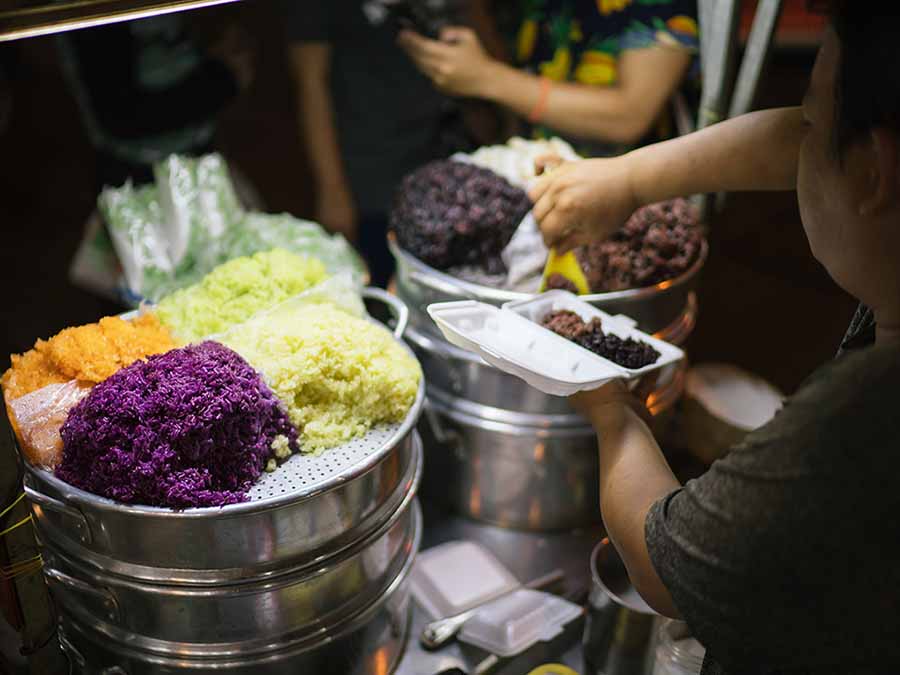
Xoi Types: A Complete Guide to Vietnamese Sticky Rice
Explore the delightful world of Xoi, the quintessential Vietnamese sticky rice, in this comprehensive guide. Discover its rich cultural significance, learn about various sweet and savory types, and understand the preparation methods that highlight its versatility. Perfect for food enthusiasts and travelers, this article also offers insights into regional variations and how to enjoy Xoi during traditional festivals. Join us on a culinary journey through Vietnam's beloved dish!
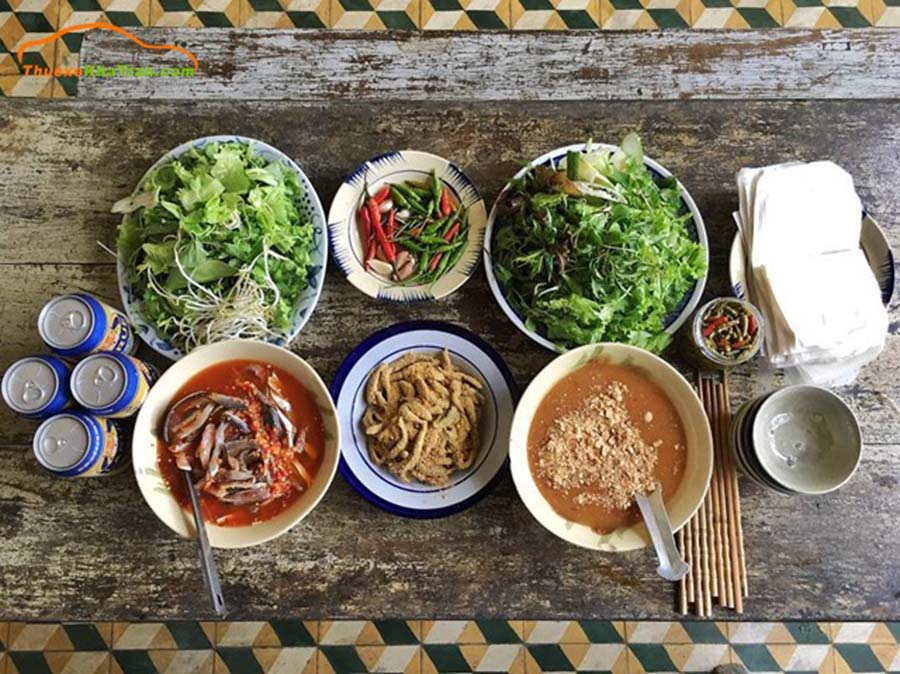
Vietnamese Fish Salads: A Culinary Journey Through Three Regions
Vietnam’s rich culinary landscape is beautifully represented through its regional fish salads (gỏi cá), which vary significantly across the country’s three main regions: North, Central, and South. Each dish reflects local flavors, ingredients, and cultural influences, offering a unique experience for anyone looking to dive deeper into Vietnam’s food scene.
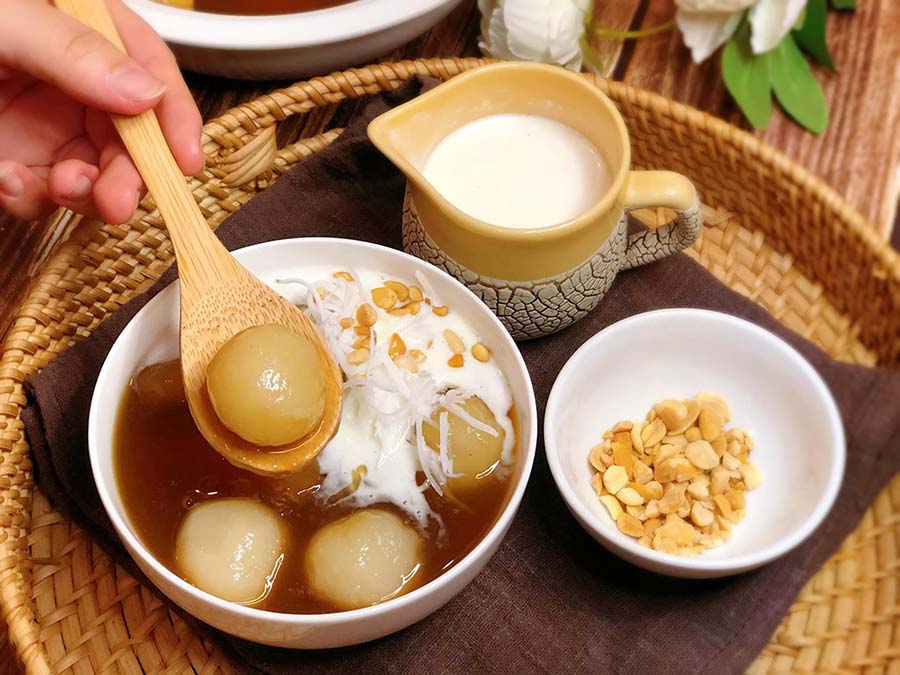
Warm Up This Winter: Discover the Best Vietnamese Comfort Foods
As the cool breeze of winter rolls in, there's nothing better than savoring a warm, hearty meal that satisfies both your taste buds and your soul. Vietnam, a country renowned for its rich and diverse cuisine, offers an array of dishes perfect for the colder months. These dishes, crafted with a balance of flavors and nourishing ingredients, are an essential part of Vietnamese culture and a must-try for anyone exploring the country.