Vietnamese Festivals & Culture Guide: Experience Traditional Celebrations
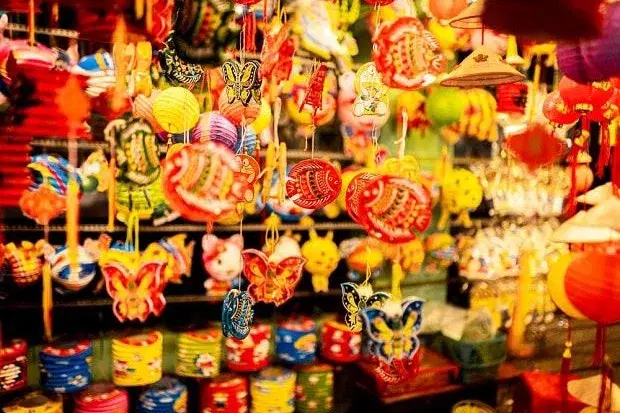
Vietnam's rich cultural heritage comes alive through its vibrant festivals and traditional celebrations. From the explosive energy of Tết Lunar New Year to the magical glow of Mid-Autumn Festival lanterns, these cultural events offer travelers an authentic window into Vietnamese traditions, values, and community spirit. This comprehensive guide explores Vietnam's most significant festivals, their historical origins, cultural significance, and practical tips for experiencing these celebrations as a visitor.
Understanding Vietnamese Festival Culture
Vietnamese festivals blend ancient traditions with Buddhist, Confucian, and Taoist influences, creating unique celebrations that reflect the country's diverse cultural heritage. Most traditional festivals follow the lunar calendar, which means dates change annually according to the Western calendar.
The Lunar Calendar System
Vietnam follows both the Gregorian and lunar calendars, with most traditional festivals celebrated according to lunar dates. Understanding this dual system helps travelers plan their visits to coincide with major celebrations.
The lunar calendar consists of 12 months, with occasional leap months added to align with solar years. Major festivals like Tết, Mid-Autumn Festival, and Hung Kings' Festival are all celebrated on specific lunar dates that vary annually on the Western calendar.
Cultural Significance
Vietnamese festivals serve multiple purposes beyond celebration. They maintain connections to ancestral traditions, strengthen family bonds, honor historical figures, and mark agricultural seasons. Many festivals involve paying respect to ancestors, deities, or legendary heroes who shaped Vietnamese history and culture.
Tết Nguyên Đán: Vietnamese Lunar New Year
Tết Nguyên Đán, commonly known simply as Tết, is Vietnam's most important and widely celebrated festival. This lunar new year celebration marks the arrival of spring and represents renewal, family reunion, and hope for prosperity in the coming year.
Historical Background
Tết celebrations date back thousands of years, originating from ancient agricultural traditions marking the end of harvest season and the beginning of spring planting. The festival incorporates influences from Chinese Lunar New Year traditions while maintaining distinctly Vietnamese characteristics and customs.
Timing and Duration
Tết typically falls between late January and mid-February on the Western calendar, occurring on the first day of the first lunar month. The official holiday period usually spans 7-9 days, though preparations begin weeks in advance and celebrations continue informally for up to two weeks.
Traditional Preparations
Home Decoration
Vietnamese families thoroughly clean their homes before Tết to sweep away bad luck and make room for good fortune. Homes are decorated with:
- Peach Blossoms (Hoa Đào): Northern Vietnam's symbol of spring and prosperity
- Apricot Blossoms (Hoa Mai): Southern Vietnam's traditional Tết flower
- Kumquat Trees: Symbols of prosperity with golden fruits
- Red and Gold Decorations: Colors representing luck and wealth
- Calligraphy: Wishes for happiness, prosperity, and longevity
Traditional Foods
Tết cuisine represents months of preparation and carries deep symbolic meaning:
Bánh Chưng and Bánh Tét: Square (northern) or cylindrical (southern) rice cakes wrapped in banana leaves, filled with mung beans and pork. These represent Earth and gratitude to ancestors.
Mứt (Candied Fruits): Colorful preserved fruits and vegetables displayed in decorative boxes to welcome guests. Common varieties include coconut, ginger, kumquat, and lotus seeds.
Thịt Kho Tàu: Caramelized pork and eggs braised in coconut water, a traditional dish served throughout Tết.
Giò Lụa and Giò Thủ: Vietnamese pork sausages that represent prosperity and abundance.
Fresh Fruits: Five-fruit trays (Mâm Ngũ Quả) displayed on ancestral altars, with fruits chosen for colors and symbolic meanings.
Tết Customs and Traditions
New Year's Eve
Families gather for a reunion dinner featuring traditional dishes. At midnight, many attend temples or pagodas for the first prayers of the new year, a practice called "xông đất" or "first-footing."
First-Footing (Xông Đất)
The first person to enter a home after midnight is believed to influence the family's fortune for the entire year. Families carefully choose who will be their "first-footer," typically someone successful, happy, and of good character.
Lucky Money (Lì Xì)
Elders give red envelopes containing money to children and unmarried young adults, symbolizing wishes for good health and prosperity. The red color represents luck and wards off evil spirits.
Ancestral Worship
Families prepare elaborate offerings for ancestral altars, including special foods, flowers, incense, and symbolic items. This practice honors deceased family members and invites their spirits to celebrate with the living.
Visiting and Well-Wishing
The first three days of Tết involve visiting relatives, friends, and teachers to exchange New Year greetings and best wishes. Traditional greetings include "Chúc Mừng Năm Mới" (Happy New Year) and wishes for health, prosperity, and success.
What Travelers Should Know
Business Closures: Most businesses, restaurants, and shops close for 3-7 days during Tết. Plan accordingly and book accommodations well in advance.
Transportation: Domestic flights, trains, and buses are fully booked weeks before Tết as Vietnamese people travel home to their families. International flights may be less affected but still crowded.
Atmosphere: Streets become quieter during Tết as families celebrate at home, though major cities organize public celebrations, fireworks displays, and cultural performances.
Higher Prices: Accommodation, transportation, and services typically cost 30-50% more during Tết period.
Unique Opportunities: Travelers can witness authentic family traditions, attend temple festivals, enjoy elaborate flower markets, and experience Vietnam's most important cultural celebration.
Mid-Autumn Festival (Tết Trung Thu)
The Mid-Autumn Festival, celebrated on the 15th day of the 8th lunar month (usually September or early October), is Vietnam's second most important traditional festival and is especially beloved by children.
Historical Origins
The festival dates back thousands of years to harvest celebrations when families gathered under the full moon to give thanks for successful crops. In Vietnam, the festival evolved into a celebration focusing on children, representing hope for the future and family prosperity.
Traditional Celebrations
Mooncakes (Bánh Trung Thu)
These rich, dense pastries are the festival's signature food. Traditional varieties include:
- Bánh Nướng: Baked mooncakes with soft crusts and sweet fillings
- Bánh Dẻo: Soft, chewy snow skin mooncakes
- Mixed Fillings: Lotus seed paste, mung bean, mixed nuts, salted egg yolk
Modern variations include green tea, chocolate, durian, and ice cream fillings, though traditional recipes remain most popular.
Lantern Processions
Children carry colorful lanterns in various shapes—stars, carps, butterflies, and lotus flowers—through streets and neighborhoods. Traditional lanterns use candles, while modern versions feature LED lights for safety.
Lion Dances (Múa Lân)
Performers in elaborate lion costumes dance through streets, accompanied by drums and cymbals. The lion dance brings good luck and drives away evil spirits. Businesses often hire troupes to perform outside their establishments.
Cultural Performances
Communities organize events featuring traditional music, dance performances, storytelling, and reenactments of the festival's legendary origins. The tale of Cuội (who lives on the moon) is especially popular during this time.
Modern Celebrations
Urban areas host large-scale celebrations with decorated streets, lantern displays, cultural performances, and food festivals. Hội An's Mid-Autumn Festival is particularly famous, transforming the ancient town into a glowing wonderland of lanterns.
Experiencing the Festival
Travelers can participate by:
- Purchasing mooncakes from local bakeries
- Joining lantern processions in parks and old quarters
- Watching lion dance performances
- Attending community celebrations in ancient towns like Hội An or Hanoi's Old Quarter
- Photographing elaborate lantern displays
Hung Kings' Festival (Giỗ Tổ Hùng Vương)
Celebrated on the 10th day of the 3rd lunar month (usually April), Hung Kings' Festival is a national holiday commemorating the legendary founders of Vietnam.
Historical Significance
According to Vietnamese legend, the Hung Kings established the first Vietnamese nation, Văn Lang, around 2879 BCE. The Hùng Vương dynasty ruled for 18 generations, laying the foundation for Vietnamese culture, traditions, and national identity.
Hung Temple Complex
The main celebration occurs at the Hung Kings Temple (Đền Hùng) in Phú Thọ Province, about 80 kilometers northwest of Hanoi. This sacred complex includes:
- Lower Temple (Đền Hạ): Honors officials and generals
- Middle Temple (Đền Trung): Commemorates the Mother Goddess
- Upper Temple (Đền Thượng): Dedicated to the Hung Kings
- Temple of Nation Founders (Đền Quốc Tổ): The highest temple in the complex
Festival Activities
Pilgrimage: Millions of Vietnamese people make pilgrimages to Hung Temple to pay respect to the nation's founders. The journey represents gratitude for ancestors and connection to Vietnamese heritage.
Offerings: Visitors bring traditional offerings including sticky rice, rice cakes (bánh chưng and bánh giầy), fruits, flowers, and incense.
Cultural Performances: Traditional music, folk songs, and dance performances celebrate Vietnamese culture and history.
Processions: Elaborate processions featuring traditional costumes, palanquins, and ceremonial objects recreate ancient royal ceremonies.
Traditional Games: Communities organize folk games like bamboo swings, tug-of-war, wrestling, and rice cooking competitions.
Cultural Importance
The festival reinforces Vietnamese national identity and the saying "Dù ai đi ngược về xuôi, nhớ ngày giỗ Tổ mồng 10 tháng 3" (Wherever you go, remember the death anniversary of our ancestors on the 10th day of the 3rd lunar month).
Perfume Pagoda Festival (Chùa Hương)
The Perfume Pagoda Festival is one of Vietnam's longest and largest Buddhist festivals, lasting from the 6th day of the 1st lunar month through the end of the 3rd lunar month (typically February through April).
Location and Setting
The Perfume Pagoda (Chùa Hương) is actually a complex of Buddhist temples and shrines built into Hương Tích Mountain in Hà Nội's My Duc District. The main temple, Hương Tích Cave (Động Hương Tích), lies inside a spectacular limestone cavern.
Pilgrimage Journey
The journey to Perfume Pagoda is as significant as the destination:
- Boat Ride: Pilgrims travel by traditional sampan boats along the scenic Yến Stream, surrounded by limestone karsts and rice paddies
- Mountain Trails: After reaching the mountain base, visitors hike or take a cable car up the mountainside
- Cave Temple: The final destination is the dramatic Hương Tích Cave, where Buddhist altars are surrounded by natural rock formations
Religious Significance
Buddhists believe prayers at Perfume Pagoda are especially powerful and effective. Pilgrims come to:
- Pray for health, happiness, and prosperity
- Seek blessings for business success or academic achievement
- Make offerings to Buddhist deities
- Participate in spiritual cleansing rituals
Festival Activities
- Buddhist Ceremonies: Monks lead prayers and rituals throughout the day
- Offerings: Pilgrims bring fruits, flowers, incense, and donations
- Fortune Telling: Traditional practices include drawing fortune sticks and interpreting messages
- Cultural Performances: Folk music and traditional entertainment along the pilgrimage route
Practical Tips
Peak crowds occur on weekends and during the first lunar month. Weekday visits offer a more peaceful experience. The boat journey takes 1-1.5 hours each way, and exploring the temples requires 4-6 hours minimum.
Wandering Souls Day (Vu Lan or Tết Trung Nguyên)
Celebrated on the 15th day of the 7th lunar month (usually August or September), Wandering Souls Day combines Buddhist and traditional Vietnamese beliefs about caring for deceased ancestors and wandering spirits.
Religious and Cultural Background
In Buddhist tradition, this day marks when the gates of hell open, allowing spirits to visit the living world. Vietnamese culture emphasizes filial piety and ancestor worship, making this an important day for honoring deceased family members.
Traditional Practices
Temple Ceremonies: Families visit pagodas and temples for special Buddhist services where monks chant sutras to help release souls from suffering.
Offerings for Wandering Souls: People prepare offerings of food, votive papers, and incense not only for their own ancestors but also for wandering souls without descendants to care for them.
Rose Ceremony: One of the most touching traditions involves wearing roses—red roses for those with living mothers, white roses for those whose mothers have passed away. This practice honors mothers and maternal devotion.
Home Altars: Families prepare elaborate offerings on ancestral altars, including favorite foods of deceased relatives, fruits, flowers, and incense.
Votive Paper Burning: People burn votive paper representations of money, clothes, houses, and other goods to send to ancestors in the afterlife.
Modern Observance
While traditional practices continue, especially in rural areas, urban celebrations often involve visiting temples and family gatherings rather than extensive home ceremonies. The rose-wearing tradition remains popular, especially among younger generations posting about it on social media.
Other Significant Festivals
Lim Festival
Held on the 13th day of the 1st lunar month in Bắc Ninh Province, Lim Festival celebrates Quan Họ folk songs, a UNESCO-recognized intangible cultural heritage. Male and female singers engage in melodious vocal exchanges while sitting in traditional boats on Lim Lake.
Hue Festival
This biennial international cultural festival (held in even years) showcases traditional and contemporary performing arts in Vietnam's former imperial capital. The festival features royal court music, folk performances, street parades, and cultural exhibitions.
Huong Pagoda Festival
Beyond religious observances, this festival includes boat racing competitions, folk games, and cultural performances celebrating northern Vietnamese traditions.
Yen Tu Festival
From the 10th day of the 1st lunar month through the end of the 3rd lunar month, pilgrims climb Yen Tu Mountain in Quảng Ninh Province to visit temples associated with the Trần Dynasty and Vietnamese Buddhism.
Whale Festival (Cau Ngu)
Coastal communities, especially in central and southern Vietnam, celebrate this festival honoring whales as guardians of fishermen. Dates vary by region, typically occurring in the early lunar year.
Kate Festival
The Cham ethnic minority celebrates Kate Festival in the 7th lunar month, honoring ancestors and deities with traditional music, dance, and ceremonies at Cham towers, particularly in Ninh Thuận and Bình Thuận provinces.
Experiencing Festivals as a Traveler
Planning Your Visit
Research Lunar Dates: Most Vietnamese festivals follow the lunar calendar. Check specific dates for your travel year well in advance, as they change annually on the Western calendar.
Book Accommodations Early: Hotels and guesthouses fill quickly during major festivals, especially Tết. Reserve accommodations several months in advance.
Transportation Considerations: Domestic travel becomes extremely difficult during Tết as Vietnamese people return to their hometowns. Book transportation early or plan to stay in one location.
Weather Awareness: Different festivals occur in different seasons. Tết brings cool weather in the north but comfortable conditions in the south. Mid-Autumn Festival occurs in early fall with pleasant temperatures nationwide.
Cultural Etiquette
Dress Respectfully: When visiting temples, pagodas, or participating in religious festivals, wear modest clothing covering shoulders and knees.
Remove Shoes: Take off shoes before entering temples, pagodas, and private homes.
Ask Permission: Always ask permission before photographing religious ceremonies, altars, or people engaged in worship.
Respectful Observation: Observe quietly during prayers and ceremonies. Avoid loud conversations or disruptive behavior.
Offerings: If invited to participate in offerings, follow local guidance on proper procedures and respectful conduct.
Learn Basic Phrases: Simple greetings and expressions of respect in Vietnamese enhance cultural exchanges during festivals.
Photography Tips
Early Morning and Evening: Capture the best light and most atmospheric scenes during golden hour.
Festival Preparations: Don't just photograph the main events—preparations, decorations, and behind-the-scenes activities often provide the most authentic and interesting images.
People Interactions: Rather than only taking candid shots, engage with people, ask permission, and capture their stories along with their portraits.
Details Matter: Photograph the small details—offerings on altars, traditional foods, decorative elements—that tell the complete story of each festival.
Traditional Elements: Focus on traditional costumes, ceremonies, and practices that showcase authentic cultural heritage.
Authentic Experiences
Stay with Local Families: Homestays during festival periods offer the most authentic and meaningful cultural experiences, especially during Tết.
Attend Community Events: Participate in neighborhood celebrations, temple festivals, and community gatherings rather than only commercial tourist events.
Learn Traditional Activities: Try making traditional foods, crafting lanterns, or learning festival songs and games.
Visit Rural Areas: Village celebrations often preserve traditional practices more authentically than urban festivities.
Hire Local Guides: Knowledgeable local guides provide cultural context and access to experiences travelers might miss independently.
Festival Foods and Culinary Traditions
Each Vietnamese festival features distinctive foods with symbolic meanings:
Tết: Bánh chưng, candied fruits (mứt), pickled vegetables, caramelized pork, traditional sweets
Mid-Autumn Festival: Mooncakes in countless varieties, seasonal fruits, traditional teas
Hung Kings' Festival: Bánh chưng, bánh giầy (round white rice cakes), traditional rice wines
Perfume Pagoda: Vegetarian offerings following Buddhist traditions, local specialties from Ha Noi region
Wandering Souls Day: Vegetarian dishes, traditional rice-based foods, offerings of fruits and sweets
Travelers should seek out local markets and street vendors during festivals to experience authentic festival foods and observe how families prepare special dishes.
Regional Variations
Vietnam's festivals show distinct regional characteristics:
Northern Vietnam: Stronger Confucian influences, peach blossoms for Tết, folk games and singing traditions, close ties to Chinese cultural practices
Central Vietnam: Royal court traditions, especially in Hue, unique festivals associated with Cham culture, elaborate ceremonies and rituals
Southern Vietnam: Apricot blossoms for Tết, influences from Khmer culture, more relaxed and colorful celebrations, emphasis on abundance and prosperity
Ethnic Minorities: Each of Vietnam's 54 ethnic groups maintains unique festivals celebrating agricultural cycles, ancestors, and cultural identity. Highland areas offer distinct cultural experiences.
Vietnam Visa Requirements for Festival Travel
Planning to experience Vietnam's colorful festivals in person requires advance preparation, including securing the appropriate travel visa. Vietnam offers several visa options depending on your nationality, length of stay, and travel purpose.
Most travelers opt for the convenient Vietnam e-Visa, which allows stays of up to 90 days and can be obtained entirely online within 3-5 business days. This digital visa works perfectly for travelers planning to attend multiple festivals or exploring Vietnam during major celebration periods.
For longer stays, festival enthusiasts, cultural researchers, or travelers planning to experience multiple seasonal celebrations might consider the 3-month visa or 1-year multiple-entry visa options. These longer-term visas provide flexibility to return during different festival seasons without reapplying for visas.
The visa on arrival service is another convenient option for travelers flying into major international airports. This service is particularly useful during busy festival periods when embassies might have longer processing times.
Since Tết and other major festivals involve nationwide celebrations lasting multiple days, and since domestic transportation can be challenging during these periods, having a visa with sufficient validity and flexibility is essential. Apply for your visa well in advance of planned festival dates, as processing times may extend during peak travel seasons.
Understanding visa requirements and planning accordingly ensures you can fully immerse yourself in Vietnam's incredible festival culture without travel documentation worries.
Conclusion
Vietnamese festivals offer travelers extraordinary opportunities to experience authentic cultural traditions, connect with local communities, and witness centuries-old customs still vibrant in contemporary Vietnam. From the family-centered celebrations of Tết to the magical atmosphere of Mid-Autumn Festival, from solemn pilgrimages to the Hung Kings Temple to the spiritual journey to Perfume Pagoda, each festival reveals different aspects of Vietnamese culture, values, and heritage.
Timing your visit to coincide with these celebrations transforms a standard vacation into a deeply meaningful cultural immersion. The warmth of Vietnamese hospitality, the beauty of traditional customs, the flavors of festival foods, and the joy of shared celebrations create memories that last far beyond your journey.
Whether you're photographing lantern-lit streets during Mid-Autumn Festival, receiving lucky money in red envelopes during Tết, joining pilgrims on boats to Perfume Pagoda, or watching lion dancers leap through city streets, Vietnamese festivals invite you to become part of living traditions that have shaped this remarkable nation for thousands of years.
Plan your festival journey thoughtfully, approach celebrations with respect and curiosity, and prepare for experiences that will deepen your understanding of Vietnam and its people. The festivals await—your cultural adventure begins here.
Share:
Created: Mar 09, 2026 | Modified: Mar 10, 2026
Related Posts
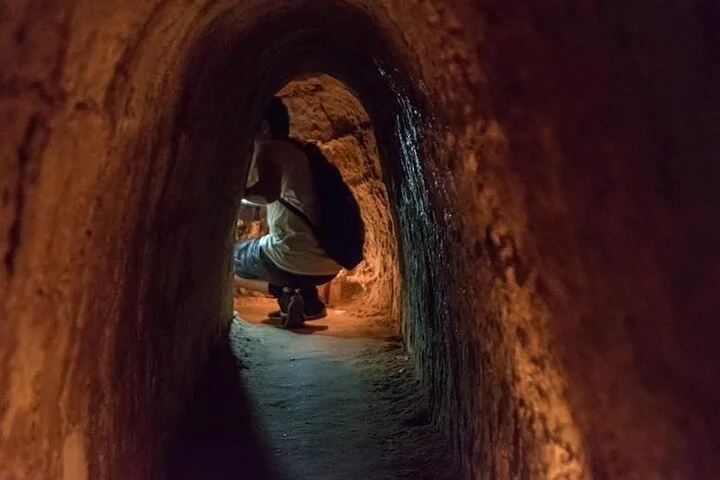
Vietnam War Historical Sites: Complete Guide to Cu Chi Tunnels and Beyond
Vietnam's war history sites offer profound insights into one of the 20th century's most significant conflicts. From the famous Cu Chi Tunnels—a 121-mile underground network used by Viet Cong fighters—to the DMZ that once divided North and South, to powerful museums preserving wartime evidence, these locations provide essential context for understanding modern Vietnam. This comprehensive guide covers all major war sites, including practical visiting information, historical context, and tips for respectful, meaningful visits to these important historical landmarks.
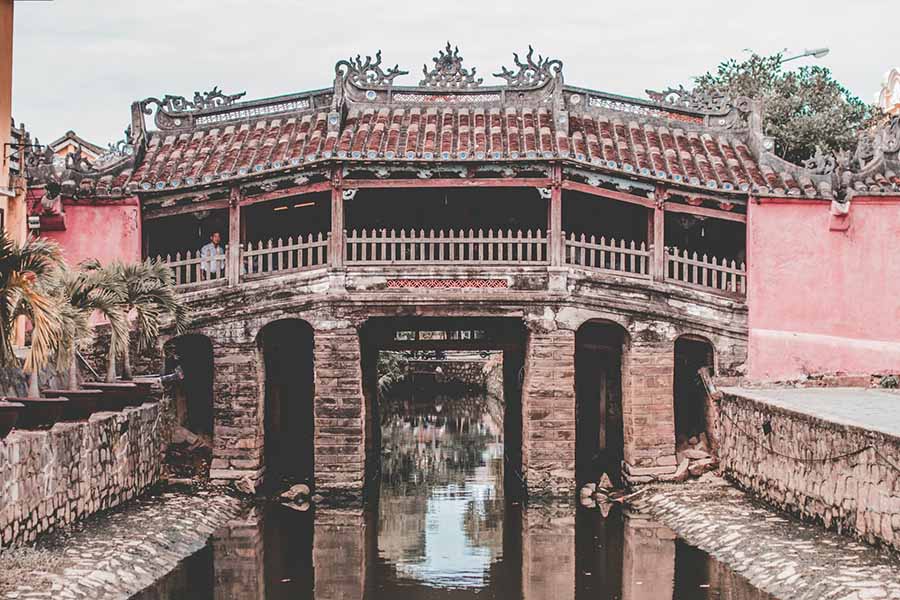
Cultural Connections and Distinctions: Vietnam, China, and Japan
Vietnam, China, and Japan share deep historical ties and cultural similarities, yet each nation has its own unique identity. Let's explore their commonalities and distinctive traits across culture, people, and food...
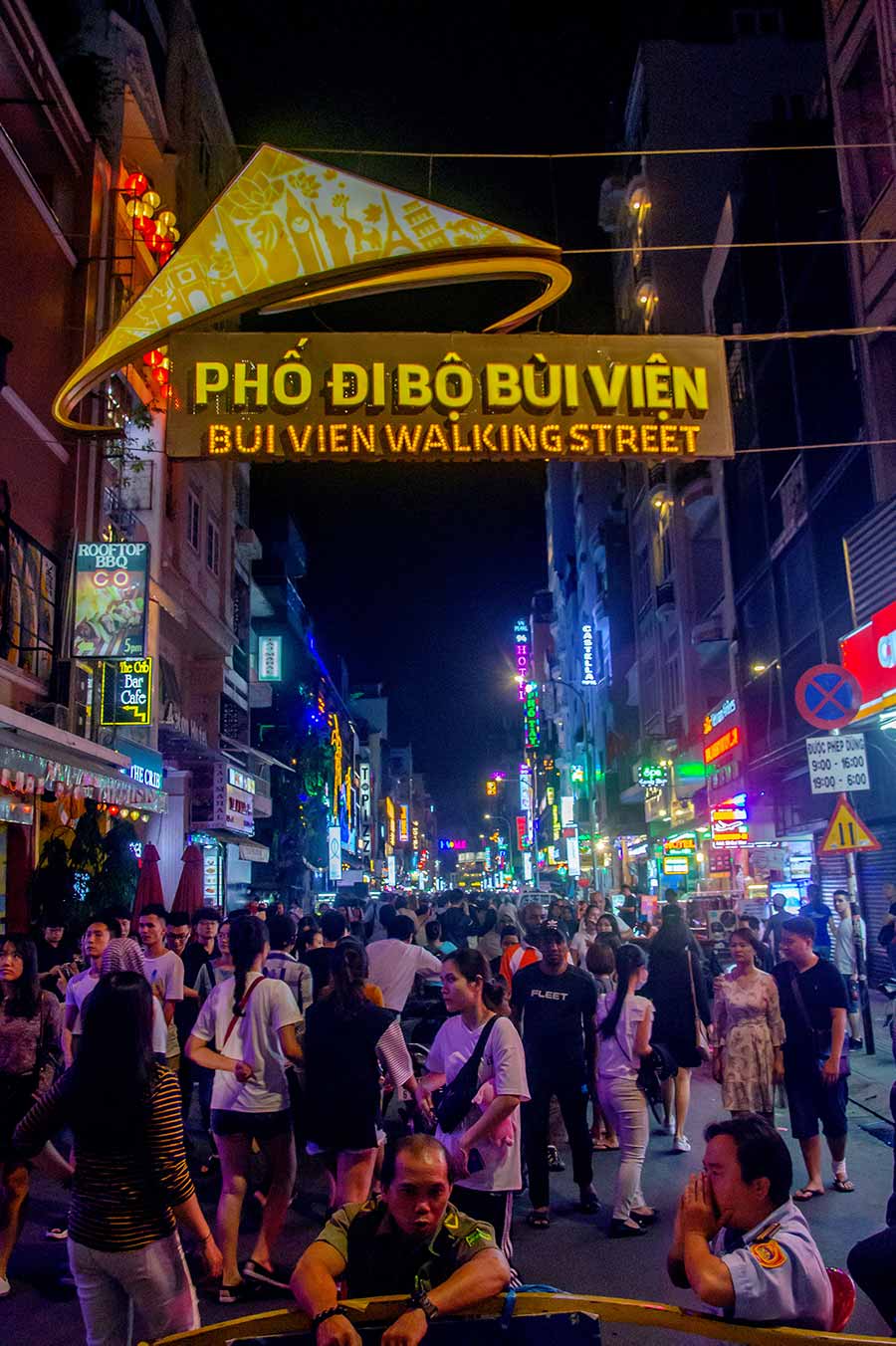
Vietnam's Population: Demographics, Growth & Cultural Diversity
Vietnam was reunited on July 2, 1976, with a total population of 49.81 million. Today, that number has nearly doubled to around 95.5 million, with projections suggesting it could approach 100 million in the near future. This article by VIETNAM VISA ONLINE provides an overview of Vietnam's demographics.
Table of Contents
- Understanding Vietnamese Festival Culture
- The Lunar Calendar System
- Cultural Significance
- Tết Nguyên Đán: Vietnamese Lunar New Year
- Historical Background
- Timing and Duration
- Traditional Preparations
- Tết Customs and Traditions
- What Travelers Should Know
- Mid-Autumn Festival (Tết Trung Thu)
- Historical Origins
- Traditional Celebrations
- Modern Celebrations
- Experiencing the Festival
- Hung Kings' Festival (Giỗ Tổ Hùng Vương)
- Historical Significance
- Hung Temple Complex
- Festival Activities
- Cultural Importance
- Perfume Pagoda Festival (Chùa Hương)
- Location and Setting
- Pilgrimage Journey
- Religious Significance
- Festival Activities
- Practical Tips
- Wandering Souls Day (Vu Lan or Tết Trung Nguyên)
- Religious and Cultural Background
- Traditional Practices
- Modern Observance
- Other Significant Festivals
- Lim Festival
- Hue Festival
- Huong Pagoda Festival
- Yen Tu Festival
- Whale Festival (Cau Ngu)
- Kate Festival
- Experiencing Festivals as a Traveler
- Planning Your Visit
- Cultural Etiquette
- Photography Tips
- Authentic Experiences
- Festival Foods and Culinary Traditions
- Regional Variations
- Vietnam Visa Requirements for Festival Travel
- Conclusion