Vietnam War Historical Sites: Complete Guide to Cu Chi Tunnels and Beyond
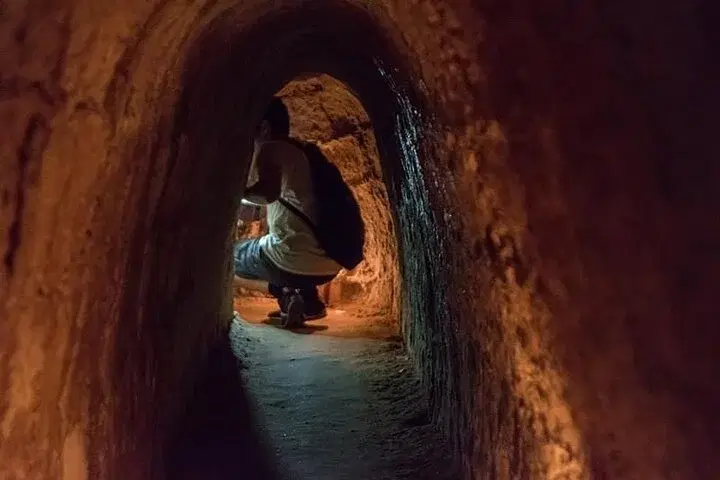
The Vietnam War (1955-1975) profoundly shaped modern Vietnam and left a complex legacy of historical sites that attract visitors seeking to understand this pivotal conflict. From underground tunnel networks to preserved battlefields, from sobering museums to the demilitarized zone that once split the nation, Vietnam's war sites offer powerful, often moving encounters with 20th-century history.
Whether you're a history enthusiast, a veteran returning to see Vietnam in peace, or simply a curious traveler wanting to understand the country's recent past, visiting these historical sites provides essential context for appreciating modern Vietnam's remarkable transformation from war-torn nation to thriving Southeast Asian country.
This comprehensive guide covers the most significant Vietnam War historical sites, organized by region, with practical visiting information, historical background, and tips for respectful, meaningful visits.
Understanding Vietnam War History: Essential Context
Before visiting Vietnam's war sites, understanding the basic historical framework helps provide context for what you'll encounter.
The Conflict in Brief
The Vietnam War (called the "American War" in Vietnam) lasted from 1955 to 1975, though its roots trace back to the First Indochina War (1946-1954) between French colonial forces and Vietnamese independence fighters led by Ho Chi Minh.
Key dates and events:
- 1954: Geneva Conference divided Vietnam temporarily along the 17th parallel into North Vietnam (communist) and South Vietnam (anti-communist), pending nationwide elections that never occurred
- 1955-1964: Guerrilla conflict intensified between South Vietnamese government (backed by the U.S.) and communist forces (Viet Cong and North Vietnamese Army)
- 1965: First U.S. combat troops arrived; American military involvement escalated dramatically
- 1968: Tet Offensive—major coordinated North Vietnamese and Viet Cong attacks that shocked Americans and shifted public opinion
- 1973: Paris Peace Accords signed; U.S. combat troops withdrew
- April 30, 1975: Fall of Saigon; North Vietnamese forces captured the South Vietnamese capital, ending the war
- 1976: Vietnam officially reunified as the Socialist Republic of Vietnam
Major participants:
- North Vietnam (Democratic Republic of Vietnam): Communist government led by Ho Chi Minh (died 1969), supported by China and the Soviet Union
- South Vietnam (Republic of Vietnam): Anti-communist government, heavily supported by the United States
- Viet Cong: Communist guerrilla force operating in South Vietnam
- United States: Over 2.7 million Americans served in Vietnam between 1965-1973
- Allies: South Korea, Australia, Thailand, New Zealand, and Philippines sent troops
Casualties: The war resulted in enormous loss of life—estimates vary widely, but approximately 1.1 million North Vietnamese and Viet Cong fighters died, along with 58,000 Americans and hundreds of thousands of South Vietnamese soldiers and civilians.
Why Visit War Sites?
Visiting Vietnam's war historical sites serves multiple purposes:
- Historical education: Understanding one of the 20th century's defining conflicts
- Cultural perspective: Seeing how Vietnamese people remember and interpret the war
- Personal connection: For veterans and families of those who served
- Reflection on conflict: Contemplating war's costs and impacts
- Context for modern Vietnam: Understanding how the war shaped contemporary Vietnam
Important note on perspective: Vietnam's war sites naturally present the Vietnamese perspective, emphasizing resistance, independence, and ultimate victory. The narrative differs significantly from Western accounts. Approaching these sites with an open mind and recognizing multiple perspectives enriches the experience.
Ho Chi Minh City Area War Sites
The southern region, particularly around Ho Chi Minh City (formerly Saigon), contains numerous significant war sites focused on the American War period.
Cu Chi Tunnels: Underground War Network
The Cu Chi Tunnels are Vietnam's most famous war site—an extraordinary 121-mile (195 km) underground tunnel network that played a crucial role in the Viet Cong's war effort.
Historical Background
Located in Cu Chi District, about 40 miles (70 km) northwest of Ho Chi Minh City, these tunnels were dug by hand beginning in the late 1940s during the resistance against French colonial forces. The network expanded dramatically during the 1960s as the Viet Cong created an elaborate underground city.
The tunnel system included:
- Living quarters and sleeping chambers
- Kitchens with ventilation systems to disperse smoke
- Weapons factories and storage areas
- Field hospitals
- Command centers and meeting rooms
- Supply and communication routes
Strategic importance: The tunnels allowed Viet Cong fighters to:
- Move and communicate secretly throughout the region
- Launch surprise attacks and quickly disappear underground
- Store weapons and supplies safe from bombing
- Live and operate in areas heavily controlled by American and South Vietnamese forces
- Maintain presence near Saigon itself
The tunnel network served as the base for the Tet Offensive in 1968, when communist forces launched coordinated attacks throughout South Vietnam, including Saigon.
American attempts to eliminate the tunnels: U.S. forces tried various methods to destroy or clear the tunnels, including "tunnel rats" (soldiers who crawled through tunnels to find and fight Viet Cong), chemical warfare (including Agent Orange), and massive B-52 bombing campaigns. None succeeded in eliminating the tunnel network.
Visiting Cu Chi Tunnels Today
Today, portions of the tunnel network have been preserved and opened to tourists as an open-air museum.
Two sites available:
1. Ben Dinh Tunnels (closer to Ho Chi Minh City, ~40 km)
- More touristy and crowded
- More extensively reconstructed and widened for tourists
- Better facilities and presentations
- Easier to reach
2. Ben Duoc Tunnels (farther from Ho Chi Minh City, ~70 km)
- More authentic and less commercialized
- Narrower, more original tunnels
- Less crowded
- Includes memorial temple
What to expect at Cu Chi:
- Entrance presentation: Introductory video (somewhat dated, with pro-Vietnamese propaganda tone) explaining tunnel construction and use
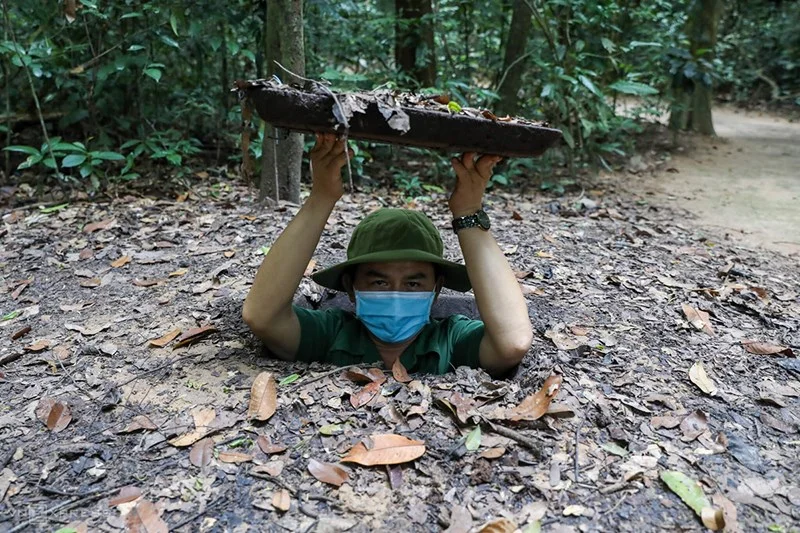
- Tunnel exploration: Opportunities to crawl through sections of tunnels (widened for tourists—original tunnels were much smaller). Several exit points allow you to leave early if claustrophobic
- Booby trap displays: Reconstructed examples of traps used against American and South Vietnamese soldiers (graphic)
- Shooting range: Controversial feature allowing visitors to fire AK-47s, M16s, and other weapons (additional fee)
- Tank and bomb crater displays: American M48 tank and B-52 bomb craters
- Hidden entrances demonstration: Guides show camouflaged tunnel entrances
- Cu Chi guerrilla life exhibits: Displays showing how fighters lived underground
Practical visiting information:
Getting there:
- Organized tours: Most convenient option; half-day tours from HCMC include transportation, guide, entrance fee (~$15-30 USD)
- Private car/taxi: ~1.5-2 hours from HCMC; negotiate price in advance
- Motorbike: Possible for experienced riders
- Bus: Public buses available but challenging for non-Vietnamese speakers
Hours: Typically 7:00 AM - 5:00 PM
Entrance fee: Approximately 110,000 VND (~$5 USD)
Duration: Plan 2-3 hours at the site
What to wear:
- Comfortable, modest clothing (shorts and t-shirt fine)
- Closed-toe shoes (essential for crawling through tunnels)
- Light colors show dirt easily—consider darker clothing
- Bring change of clothes if going deep into tunnels
What to bring:
- Water (can be hot and humid)
- Small flashlight if you have one
- Camera (photography allowed)
- Hand sanitizer/wet wipes
- Sense of adventure and historical respect
Physical requirements:
- Crawling through tunnels requires moderate fitness and flexibility
- Not recommended for those with claustrophobia, back problems, or limited mobility
- Not recommended for larger-bodied individuals—tunnels are narrow even after widening
Best time to visit: Early morning (7-9 AM) to avoid heat and crowds, or late afternoon
Guides: English-speaking guides available; consider hiring one for better historical context
War Remnants Museum (Ho Chi Minh City)
The War Remnants Museum is Vietnam's most visited war museum, offering a powerful—and deliberately provocative—presentation of the war from the Vietnamese perspective.
Historical Background
Located in central Ho Chi Minh City, the museum opened in 1975 shortly after the war's end. Originally named the "Exhibition House for US and Puppet Crimes," it was later renamed (after diplomatic normalization with the U.S. in the 1990s) to the more neutral "War Remnants Museum."
The museum's mission: Document and preserve evidence of what Vietnamese call American war crimes, including:
- Chemical warfare (Agent Orange and other defoliants)
- Civilian casualties and massacres
- Weapons used against civilians
- Conditions in South Vietnamese prisons
Important note: The museum presents a one-sided, often graphic Vietnamese perspective. Western visitors may find some exhibits confronting or disagreeable. It's best approached as insight into how Vietnamese remember the war, rather than as balanced historical documentation.
Museum Exhibits
Outdoor displays:
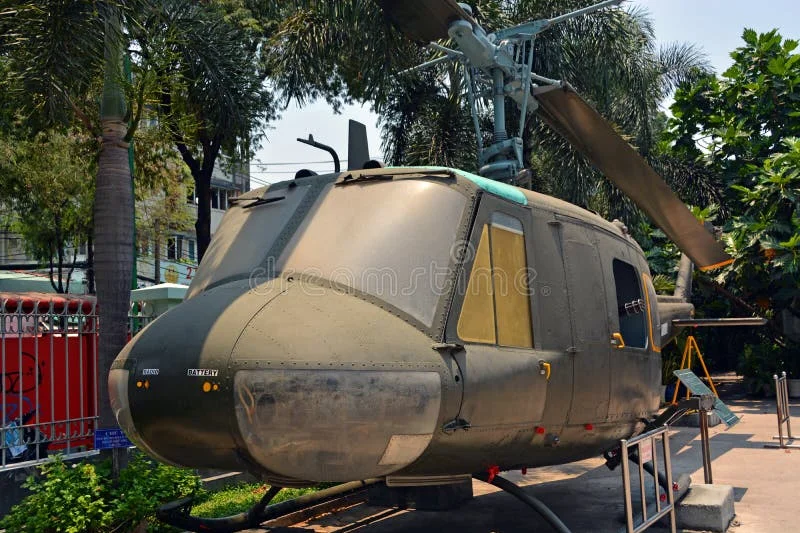
- American military equipment: helicopters (UH-1 "Huey"), fighter jets (F-5A, A-1 Skyraider), tanks (M48 Patton), artillery
- "Daisy Cutter" bomb (BLU-82)—one of the largest conventional bombs used
- Unexploded ordnance display
Indoor exhibition halls:
1. Historical Truths - Overview of the war from Vietnamese perspective
2. Agent Orange Effects - Powerful, disturbing photographic documentation of chemical warfare's long-term impacts:
- Birth defects in children born after the war
- Preserved deformed fetuses in jars
- Photos of Agent Orange victims
- Scientific documentation of dioxin effects
3. War Crimes Exhibit - Graphic photographs and documentation of civilian casualties, including:
- My Lai Massacre (March 1968)—U.S. soldiers killed hundreds of unarmed civilians
- Other documented atrocities
- International photojournalism coverage
4. Tiger Cages - Reproduction of brutal prison cells used by South Vietnamese government on Con Son Island to hold political prisoners
5. Requiem Exhibition - Photographs by war photographers (from all sides) killed during the conflict, donated by their colleagues
6. Military aggression exhibit - Weapons, tactics, and scale of U.S. military involvement
7. International opposition - Documentation of worldwide anti-war movement
Visiting Information
Location: 28 Vo Van Tan Street, District 3, Ho Chi Minh City (near Reunification Palace)
Hours: Typically 7:30 AM - 6:00 PM daily
Entrance fee: Approximately 40,000 VND (~$1.70 USD)
Duration: Allow 2-3 hours for thorough visit
Accessibility: Ground floor and courtyard fully accessible; some upper floors may have stairs
Visitor considerations:
- Graphic content: Many photographs show injuries, birth defects, and casualties—not suitable for young children
- Emotional impact: Can be disturbing and upsetting; take breaks if needed
- Propaganda awareness: Exhibits present Vietnamese government perspective; context and nuance sometimes lacking
- Photo ethics: Consider carefully before photographing Agent Orange victims' images
- Respect: This museum documents enormous suffering—maintain respectful behavior
Language: Exhibit labels in Vietnamese, English, and Japanese
Best time: Early morning or late afternoon to avoid peak crowds and heat
Nearby sites:
- Reunification Palace (5-minute walk)
- Notre-Dame Cathedral (10-minute walk)
- Central Post Office (10-minute walk)
Getting there: Taxi, Grab, or walking from central District 1
Reunification Palace (Independence Palace)
The Reunification Palace (also called Independence Palace) is one of Ho Chi Minh City's most historically significant buildings—the site where the Vietnam War officially ended.
Historical Significance
April 30, 1975: North Vietnamese Army tanks crashed through the palace gates, marking the Fall of Saigon and the war's end. The photo of Tank 843 breaking through the front gates became one of the war's most iconic images.
Previous history:
- Built 1966-1967 as the residence and workplace of the President of South Vietnam
- Replaced the earlier Norodom Palace (destroyed in 1962 bombing by South Vietnamese air force defectors)
- Served as the center of South Vietnamese government until 1975
The final moments: On April 30, 1975, President Duong Van Minh waited in the palace to surrender to North Vietnamese forces. A North Vietnamese soldier ran up to the palace and raised the Viet Cong flag, symbolizing communist victory.
Visiting the Palace
Today, the palace is preserved almost exactly as it was in 1975, creating a time capsule of 1960s-70s architecture and South Vietnamese government.
What to see:
Ground floor and basement:
- War command rooms and bunkers
- Telecommunications center
- Military maps and strategic planning rooms
- Tunnels connecting to different areas
Upper floors:
- Presidential reception rooms
- Cabinet meeting room (with table and chairs used during final meetings)
- President's living quarters
- 1960s-70s original furniture and decor (surprisingly kitschy by today's standards)
Rooftop:
- Helipad where President Thieu and U.S. Ambassador escaped by helicopter
- Views over palace grounds
Outdoor:
- Original North Vietnamese tanks (including Tank 843) and aircraft
- Manicured gardens
Visitor information:
Location: 135 Nam Ky Khoi Nghia Street, District 1, Ho Chi Minh City
Hours: Typically 7:30 AM - 11:00 AM and 1:00 PM - 4:00 PM, closed during lunch
Entrance fee: Approximately 40,000 VND (~$1.70 USD)
Duration: 1-2 hours
Audio guides: Available in multiple languages
Guided tours: Optional, included with entrance or small additional fee
Dress code: Modest clothing recommended (covered shoulders and knees)
Best time: Early morning opening to avoid crowds
Photography: Allowed throughout; the tanks outside are popular photo spots
Combined visit: Often combined with War Remnants Museum (both in District 1, about 2 km apart)
Other Ho Chi Minh City Area War Sites
Saigon Notre-Dame Cathedral and Central Post Office: While not military sites, these French colonial buildings were prominent landmarks during the war and appear in numerous wartime photographs.
Tan Son Nhat Air Base: Vietnam's busiest airport was the war's busiest air base. The final American evacuation happened here and at the U.S. Embassy. Now a functioning civilian airport—only viewable from outside.
U.S. Embassy Site: The site of the famous evacuation by helicopter from the rooftop on April 30, 1975. The original building was demolished; a new U.S. Consulate stands nearby.
Central Vietnam War Sites: The DMZ Region
The Demilitarized Zone (DMZ) region in Quang Tri Province offers some of Vietnam's most significant battlefield sites.
The DMZ: Historical Background
The Vietnamese Demilitarized Zone was established by the 1954 Geneva Accords as a temporary boundary between North and South Vietnam, running roughly along the 17th parallel and centered on the Ben Hai River.
Key facts:
- Approximately 5 km wide (about 3 miles)
- Extended 76.1 km (47.3 miles) from Laos border to South China Sea
- Ironically became one of the war's most militarized zones
- Site of intense fighting from 1965-1972, including major battles like Khe Sanh
Major DMZ battles and locations:
Khe Sanh Combat Base
Khe Sanh was the site of one of the war's longest and most intense battles (January-July 1968), with 6,000 U.S. Marines surrounded and besieged by North Vietnamese forces for 77 days.
What happened: The siege coincided with the Tet Offensive and fixated American military and media attention. Over 100,000 tons of bombs were dropped in the area—one of history's heaviest aerial bombardments.
Visiting today: The former base is now a museum and memorial. Visitors can see:
- Reconstructed bunkers and command posts
- Museum with artifacts, photographs, and exhibits
- Aircraft and artillery displays
- The airstrip (overgrown but visible)
- Surrounding hills where fierce fighting occurred
Location: Near the Laos border, Huong Hoa District, Quang Tri Province
Access: Accessible via DMZ tours from Hue or Dong Ha
Vinh Moc Tunnels
Vinh Moc is a lesser-known but remarkable tunnel complex built by civilians in a village near the DMZ.
What makes it unique: Unlike Cu Chi (built by soldiers for military purposes), Vinh Moc tunnels were built by and for civilians seeking shelter from intense American bombing. Entire families lived underground for years.
The tunnels:
- Three levels deep (up to 23 meters underground)
- 2.8 km total length
- Housed up to 600 people
- Included family chambers, wells, meeting rooms, and even a maternity area (17 babies born underground during the war)
Today: Well-preserved and less touristy than Cu Chi, offering more authentic experience.
Visiting information:
- More difficult to reach than Cu Chi; usually visited via DMZ tours from Hue
- Tunnels are original size (not widened like Cu Chi)—genuinely challenging to explore
- Less crowded and commercialized than Cu Chi
Hien Luong Bridge and Ben Hai River
The Ben Hai River marked the dividing line between North and South Vietnam, with Hien Luong Bridge the only crossing point.
Symbolism: The bridge was painted two colors—the northern half red (communist) and southern half yellow (South Vietnam). It became a powerful symbol of national division.
Today: The bridge has been replaced with a newer structure, but the old bridge is preserved nearby. A large monument stands at the site commemorating reunification.
Location: Highway 1, near Dong Ha
DMZ Tours from Hue
The most practical way to visit DMZ sites is via organized tour from Hue (formerly the imperial capital, about 100 km south of the DMZ).
Typical DMZ tour includes:
- Hien Luong Bridge and DMZ marker
- Vinh Moc Tunnels
- Khe Sanh Combat Base
- Doc Mieu Base (former U.S. Marine firebase)
- Truong Son National Cemetery (North Vietnamese military cemetery)
- Rockpile (American firebase on dramatic karst formation)
Tour details:
- Full-day tours (usually 7 AM - 6 PM)
- Price range: Approximately $25-50 USD per person depending on group size and operator
- Transport by van or minibus
- English-speaking guide
- Lunch included
- Book through Hue hotels or tour agencies
Considerations:
- Long day with significant driving time
- Roads can be rough in some areas
- Bring sun protection, water, and comfortable walking shoes
- Weather: Region can be very hot in summer, rainy in winter months
- Some sites are remote with basic facilities
Hanoi Area War Sites
Vietnam's capital offers several important war-related historical sites, primarily focused on the earlier First Indochina War and the American bombing campaigns of the 1960s-70s.
Hoa Lo Prison ("Hanoi Hilton")
Hoa Lo Prison is infamous as the detention facility where American POWs, including Senator John McCain, were held during the war.
History:
- Built by French colonizers in 1896 to imprison Vietnamese revolutionaries
- Used by North Vietnamese to hold American POWs from 1964-1973
- American POWs sarcastically called it the "Hanoi Hilton"
- Conditions were harsh; POWs reported torture and mistreatment, though North Vietnamese denied allegations
The museum today: Ironically, most of the museum focuses on French colonial oppression of Vietnamese prisoners, with relatively small sections on American POWs. The American POW exhibits emphasize humane treatment and show prisoners playing sports and celebrating Christmas—contradicting POW accounts.
What to see:
- French colonial-era cells and guillotine
- Exhibits on Vietnamese revolutionaries imprisoned by French
- Small section on American POWs with photos and artifacts
- John McCain's flight suit
- POW bunks and living areas
Visiting information:
Location: 1 Hoa Lo Street, Hoan Kiem District, Hanoi
Hours: Typically 8:00 AM - 5:00 PM daily
Entrance fee: Approximately 30,000 VND (~$1.30 USD)
Duration: 1-1.5 hours
Note: Much of the original prison was demolished in the 1990s for development; only a corner section remains as a museum.
B-52 Victory Museum (Vietnam Air Force Museum)
This museum near Bach Mai Hospital displays wreckage from American aircraft shot down over North Vietnam, including several B-52 bombers.
Historical context: The "Christmas Bombing" (Operation Linebacker II) in December 1972 saw intensive B-52 raids over Hanoi and Haiphong. North Vietnamese forces shot down 15 B-52s during the campaign.
Displays:
- B-52 wreckage
- Other downed American aircraft parts
- North Vietnamese anti-aircraft guns and missiles
- Photographs and documentation
Location: Near Bach Mai Hospital, southern Hanoi Note: This is a more specialized museum; less visited by tourists than other sites.
Vietnam Military History Museum
Located near the famous Flag Tower of Hanoi, this museum covers Vietnamese military history from ancient times through the American War.
What to see:
- Extensive coverage of French colonial resistance
- Dien Bien Phu victory exhibits
- American War exhibits and artifacts
- Outdoor display of captured American and South Vietnamese military equipment
- MiG fighter jets and Soviet-provided weapons Location: 28A Dien Bien Phu Street, Ba Dinh District, Hanoi Duration: 2-3 hours for thorough visit
Ho Chi Minh Mausoleum Complex
While not strictly a war site, this complex honors Ho Chi Minh, North Vietnam's revolutionary leader who died in 1969 before the war's end. His role in both the independence struggle and the war makes this relevant for understanding Vietnamese historical perspective.
Location: Ba Dinh Square, Hanoi
Visiting: Strict dress code and behavior rules; long lines; only open certain morning hours
Huu Tiep Lake (B-52 Lake)
A small lake in a Hanoi residential area contains wreckage of a B-52 shot down during the Christmas Bombing on December 27, 1972. The twisted metal remains in the lake as a memorial.
Location: Ngoc Ha, Ba Dinh District, Hanoi
Access: Free, visible from the street; residential neighborhood
Visiting War Sites: Practical Tips and Etiquette
Respectful Visiting
These sites document enormous suffering and loss of life on all sides. Approach them with appropriate respect:
Do's:
- Maintain quiet, respectful demeanor
- Listen to local perspectives even if different from your own
- Ask questions thoughtfully and respectfully
- Recognize that multiple perspectives exist on the war
- Take time to read exhibit information carefully
- Consider the continuing impact of the war on Vietnamese people
Don'ts:
- Don't make jokes or take selfies at sites of suffering
- Don't engage in political arguments with guides or locals
- Don't compare "sides" or argue about who was "right"
- Don't touch preserved artifacts or exhibits unless permitted
- Don't disrespect Vietnamese national symbols or memorials
For Veterans and Family Members
Many American, Australian, Korean, and other veterans visit Vietnam, often returning to areas where they served.
Considerations:
- Vietnam welcomes foreign veterans; most Vietnamese view the war as history and bear no animosity toward former soldiers
- Many tour operators offer specialized veteran tours to specific locations
- Be prepared for emotional responses—these sites can trigger difficult memories
- Consider visiting with a therapist, counselor, or support person if needed
- Some veterans find the visit healing; others find it difficult—know yourself and take care of your mental health
Photography Ethics
Photography is generally permitted at most sites, but consider carefully:
- Avoid photographing images of war victims, especially children with birth defects, out of respect
- Ask permission before photographing people (guides, other visitors)
- Don't take selfies at sites of mass casualties or suffering
- Remember these are historical sites, not entertainment
Understanding Vietnamese Perspective
Vietnam's war sites naturally present Vietnamese interpretations emphasizing:
- Resistance against foreign aggression
- National independence and reunification
- Heroism of Vietnamese fighters and civilians
- American "war crimes" and "imperialism"
Context: For Vietnamese, the war is called the "American War" and represents successful resistance against foreign domination (following earlier resistance against French, Japanese, and Chinese). This differs markedly from American perspectives emphasizing Cold War containment of communism.
Approach: Rather than judging the interpretation as "propaganda" or "biased," try to understand why Vietnamese remember the war this way. Multiple true perspectives can exist simultaneously.
Combining War Sites with Your Vietnam Trip
While war history is fascinating, Vietnam offers much more than its wartime past. Balance historical visits with:
- Contemporary Vietnamese culture and life
- Natural beauty (Halong Bay, mountains, beaches)
- Delicious Vietnamese cuisine
- Vibrant modern cities
- Ancient history and culture (Imperial Hue, Hoi An ancient town, temples)
Most travelers find that visiting 2-3 major war sites provides sufficient historical context without overwhelming the trip.
Recommended combination for 10-14 day Vietnam trip:
- 1 day: Cu Chi Tunnels + War Remnants Museum (HCMC area)
- 1 day: DMZ tour from Hue
- 1-2 sites: in Hanoi (Hoa Lo Prison and/or Military History Museum)
- Remaining time: non-war attractions
Planning Your War History Trip to Vietnam
Visa Requirements
International visitors need a Vietnam visa. The Vietnam e-visa is the most convenient option, allowing single-entry or multiple-entry stays of up to 90 days—perfect for comprehensive historical touring from Hanoi to the DMZ to Ho Chi Minh City.
Apply for your e-visa at least 1-2 weeks before travel to ensure processing time. Priority handling is available for urgent travel needs.
Best Time to Visit
Weather considerations:
- October-April: Dry season, cooler temperatures, best overall time
- May-September: Hot and rainy, though still possible to visit
- DMZ region: Can experience different weather than north or south
Tourist seasons:
- November-March: Peak season, more crowded
- April-October: Fewer tourists, easier access to sites
Getting Around
Between regions:
- Flights: Hanoi to Hue to Ho Chi Minh City (most efficient)
- Train: Scenic but slower; Reunification Express runs the length of the country
- Bus: Budget option; sleeper buses available for long distances
Within regions:
- Cu Chi: Tours or private transport from HCMC
- DMZ: Organized tours from Hue or Dong Ha
- Hanoi sites: Taxi, Grab, or walking in central area
- HCMC sites: Walking, taxi, or Grab in central districts
Recommended Itinerary: 7-Day War History Tour
Day 1-2: Ho Chi Minh City
- War Remnants Museum
- Reunification Palace
- Optional: explore central Saigon wartime landmarks
Day 3: Cu Chi Tunnels
- Half-day tour to Cu Chi
- Afternoon: rest or explore HCMC
Day 4: Travel HCMC to Hue
- Flight or train
Day 5: DMZ Tour from Hue
- Full-day DMZ tour (Vinh Moc, Khe Sanh, Hien Luong Bridge, etc.)
Day 6: Travel Hue to Hanoi
- Flight
Day 7: Hanoi War Sites
- Hoa Lo Prison
- Vietnam Military History Museum or B-52 Lake
- Optional: explore Hanoi Old Quarter
Extensions: Add more days for Halong Bay, Hoi An, or other non-war attractions.
Guided Tours vs. Independent Travel
Guided tours (recommended for most visitors): Pros:
- Expert historical context and interpretation
- Easier logistics and transportation
- Access to sites difficult to reach independently
- Translations and local insights
Cons:
- Less flexibility
- May visit at peak crowded times
- Sometimes rushed schedule
Independent travel: Pros:
- Complete flexibility
- Visit at your own pace
- Choose your own timing and sites
Cons:
- Language barriers at some sites
- Transportation challenges
- May miss historical context without guide
- Some sites (DMZ) difficult to visit independently
Recommendation: Guided tours for DMZ and Cu Chi; independent visits work well for urban museums (War Remnants, Hoa Lo, etc.)
Suggested Reading and Preparation
Before visiting, consider reading about the war to enrich your experience:
Books:
- The Sorrow of War by Bao Ninh (North Vietnamese soldier's perspective, novel)
- Dispatches by Michael Herr (American war correspondent)
- Vietnam: An Epic History by Max Hastings (comprehensive history)
- The Sympathizer by Viet Thanh Nguyen (Pulitzer-winning novel)
Documentaries:
- The Vietnam War by Ken Burns and Lynn Novick (PBS, 2017)—excellent comprehensive documentary
Beyond the Battlefields: Modern Vietnam's Transformation
While visiting war sites, remember that modern Vietnam has moved far beyond its wartime past. The country has experienced remarkable transformation:
- Economic growth: Vietnam is now one of Southeast Asia's fastest-growing economies
- Youthful population: Over 60% of Vietnamese were born after the war ended
- International relationships: Vietnam normalized relations with the United States in 1995 and maintains strong ties with former enemies
- Peace and stability: Nearly 50 years of peace since 1975
- Tourism boom: Vietnam welcomes millions of international visitors annually
Vietnamese people are remarkably forward-looking and welcoming to visitors from all countries, including former adversaries. The war, while remembered and memorialized, doesn't define contemporary Vietnamese identity.
Conclusion: Learning from History
Visiting Vietnam's war historical sites offers profound insights into one of the 20th century's defining conflicts. From crawling through Cu Chi's claustrophobic tunnels to confronting graphic evidence at the War Remnants Museum, from standing on the former DMZ boundary to seeing where the war ended at Reunification Palace, these sites create powerful connections with history.
The Vietnam War's legacy includes enormous suffering and loss on all sides, but also remarkable stories of courage, resilience, and eventual reconciliation. Modern Vietnam's transformation from war-torn country to peaceful, prosperous nation offers hope that even the deepest conflicts can heal.
Whether you're a history enthusiast, a veteran seeking closure, or simply a curious traveler, Vietnam's war sites will challenge, educate, and move you. Approach them with open minds and respectful hearts, and they'll provide not just historical knowledge but profound reflections on war, peace, and human resilience.
As you explore these sites, remember: the Vietnamese people's greatest achievement may not be winning the war, but building the peace that followed.
Safe travels and meaningful learning on your journey through Vietnam's history.
Share:
Created: Mar 07, 2026 | Modified: Mar 10, 2026
Related Posts
A sad chapter in history: the Vietnam War
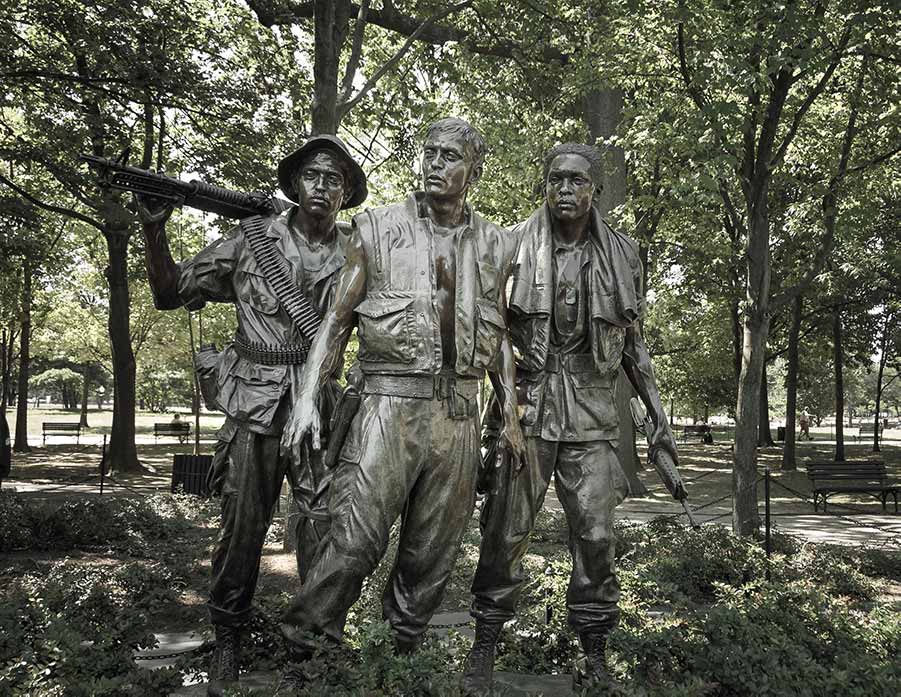
With the interference of the US in the Vietnam War one wanted to stop the advance of communism. After 11 years and millions of Vietnamese dead and around 60,000 US soldiers killed, the war came to an end. Learn everything you need to know about the sad chapter in Vietnamese and American history. VIETNAM VISA ONLINE has researched for you!
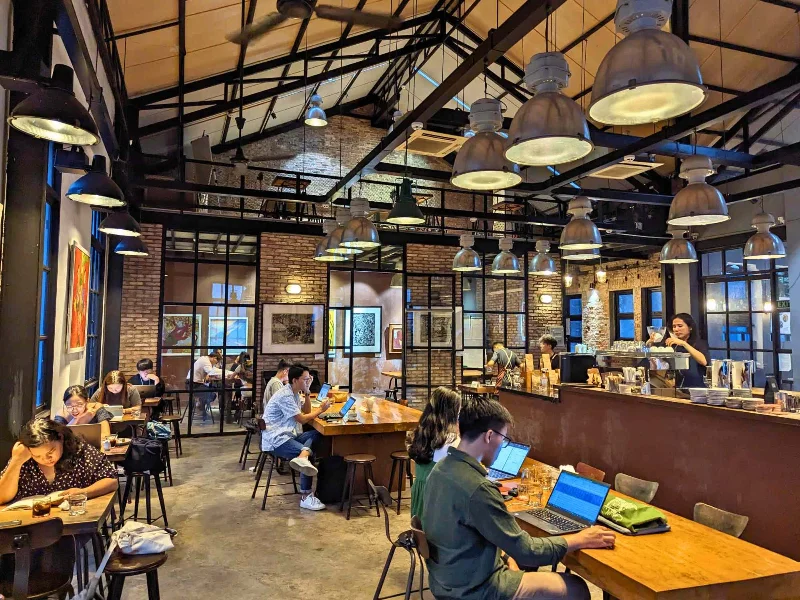
Vietnam Digital Nomad Guide 2026: Your Complete Remote Work Handbook
Vietnam has become one of Southeast Asia's hottest destinations for digital nomads in 2026, offering an unbeatable combination of affordable living costs, reliable internet infrastructure, vibrant expat communities, and rich cultural experiences. With cities like Hanoi, Ho Chi Minh City, and Da Nang catering specifically to remote workers, monthly expenses averaging $1,000-$1,200 USD, and excellent coworking spaces sprouting up nationwide, Vietnam presents an attractive alternative to traditional nomad hubs like Thailand and Bali. However, navigating visa options, finding the right neighborhood, and understanding local work culture require careful planning. This comprehensive guide breaks down everything digital nomads need to know about working remotely from Vietnam in 2026.
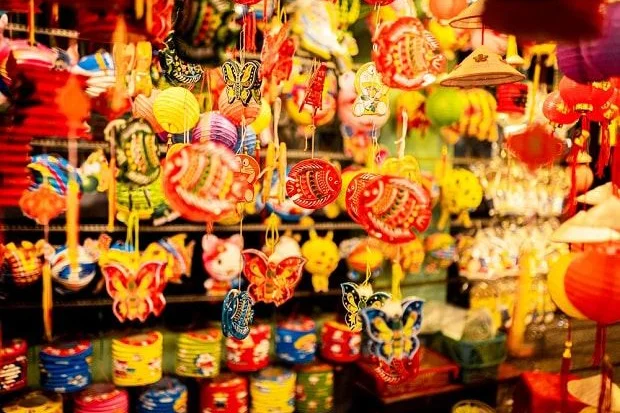
Vietnamese Festivals & Culture Guide: Experience Traditional Celebrations
Vietnamese festivals blend ancient traditions with Buddhist, Confucian, and Taoist influences, creating unique celebrations that reflect the country's diverse cultural heritage. Most traditional festivals follow the lunar calendar, which means dates change annually according to the Western calendar.
Table of Contents
- Understanding Vietnam War History: Essential Context
- The Conflict in Brief
- Why Visit War Sites?
- Ho Chi Minh City Area War Sites
- Cu Chi Tunnels: Underground War Network
- War Remnants Museum (Ho Chi Minh City)
- Reunification Palace (Independence Palace)
- Other Ho Chi Minh City Area War Sites
- Central Vietnam War Sites: The DMZ Region
- The DMZ: Historical Background
- Khe Sanh Combat Base
- Vinh Moc Tunnels
- Hien Luong Bridge and Ben Hai River
- DMZ Tours from Hue
- Hanoi Area War Sites
- Hoa Lo Prison ("Hanoi Hilton")
- B-52 Victory Museum (Vietnam Air Force Museum)
- Vietnam Military History Museum
- Ho Chi Minh Mausoleum Complex
- Huu Tiep Lake (B-52 Lake)
- Visiting War Sites: Practical Tips and Etiquette
- Respectful Visiting
- For Veterans and Family Members
- Photography Ethics
- Understanding Vietnamese Perspective
- Combining War Sites with Your Vietnam Trip
- Planning Your War History Trip to Vietnam
- Visa Requirements
- Best Time to Visit
- Getting Around
- Recommended Itinerary: 7-Day War History Tour
- Guided Tours vs. Independent Travel
- Suggested Reading and Preparation
- Beyond the Battlefields: Modern Vietnam's Transformation
- Conclusion: Learning from History