Vietnamese Coffee Culture: Your Complete Guide to Vietnam's Coffee Scene
Vietnam's coffee culture is one of the country's best-kept secrets—until you taste it. As the world's second-largest coffee producer (after Brazil), Vietnam has developed a unique coffee tradition that blends French colonial heritage with Vietnamese innovation and hospitality. Whether you're sipping egg coffee in a century-old Hanoi cafe or enjoying iced coffee with condensed milk on a plastic stool in Ho Chi Minh City, Vietnamese coffee is an essential part of understanding the country's culture.
This comprehensive guide will take you through everything you need to know about Vietnamese coffee: its fascinating history, unique brewing methods, must-try coffee styles, legendary cafes, and how to experience authentic coffee culture during your visit.
The History of Coffee in Vietnam
French Colonial Roots (1857-1888)
Coffee arrived in Vietnam in 1857 when French Catholic missionaries first brought coffee plants to the country. The French recognized that Vietnam's climate and terrain were ideal for coffee cultivation, particularly in the mountainous regions of the north and central highlands.
By 1888, coffee cultivation had expanded significantly, with the first commercial plantations established in Ninh Bình and Quảng Bình provinces. The French developed coffee as a commercial crop, establishing plantations and introducing European coffee-drinking customs to Vietnamese urban centers.
Post-War Development and Global Dominance
After reunification in 1975, the Vietnamese government promoted coffee as a major agricultural export. The Central Highlands, particularly Đắk Lắk Province (also known as Dak Lak), became the heart of Vietnam's coffee industry. Today, this region produces the vast majority of Vietnam's coffee.
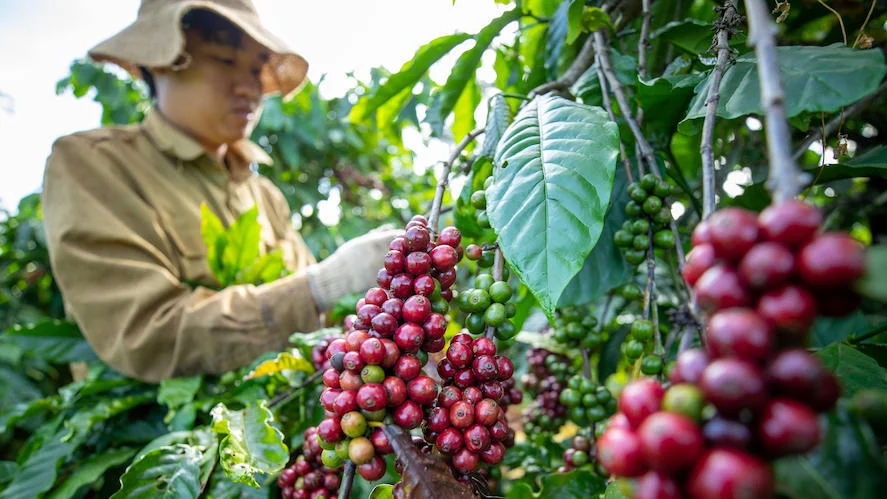
Vietnam's coffee production exploded in the 1990s and 2000s, making the country the world's second-largest coffee exporter by volume. Remarkably, 97% of Vietnam's coffee production is Robusta variety—a stronger, more caffeinated, and more bitter bean than Arabica, which dominates in other major coffee-producing countries.
From Colonial Beverage to Cultural Institution
What makes Vietnamese coffee culture truly special is how Vietnam transformed a French colonial import into something distinctly Vietnamese. The addition of sweetened condensed milk (originally used because fresh milk was scarce in tropical climates), the development of the phin filter brewing method, and innovations like egg coffee have created a coffee culture that's uniquely Vietnamese.
Understanding Vietnamese Coffee: Why It's Different
The Robusta Advantage
Vietnamese coffee's distinctive bold, strong, and slightly bitter flavor comes from its Robusta beans. While specialty coffee enthusiasts in Western countries often prefer Arabica beans, Robusta has significant advantages:
- Higher caffeine content: Nearly double the caffeine of Arabica
- Bolder flavor: Strong, earthy, and intense
- Better with sweeteners: Stands up well to condensed milk and sugar
- More affordable: Lower production costs
- Climate resilient: Grows well in Vietnam's climate
This commitment to Robusta is why Vietnamese coffee tastes fundamentally different from coffee in Europe or North America—and why it pairs so perfectly with sweetened condensed milk.
The Phin Filter: Vietnam's Brewing Method
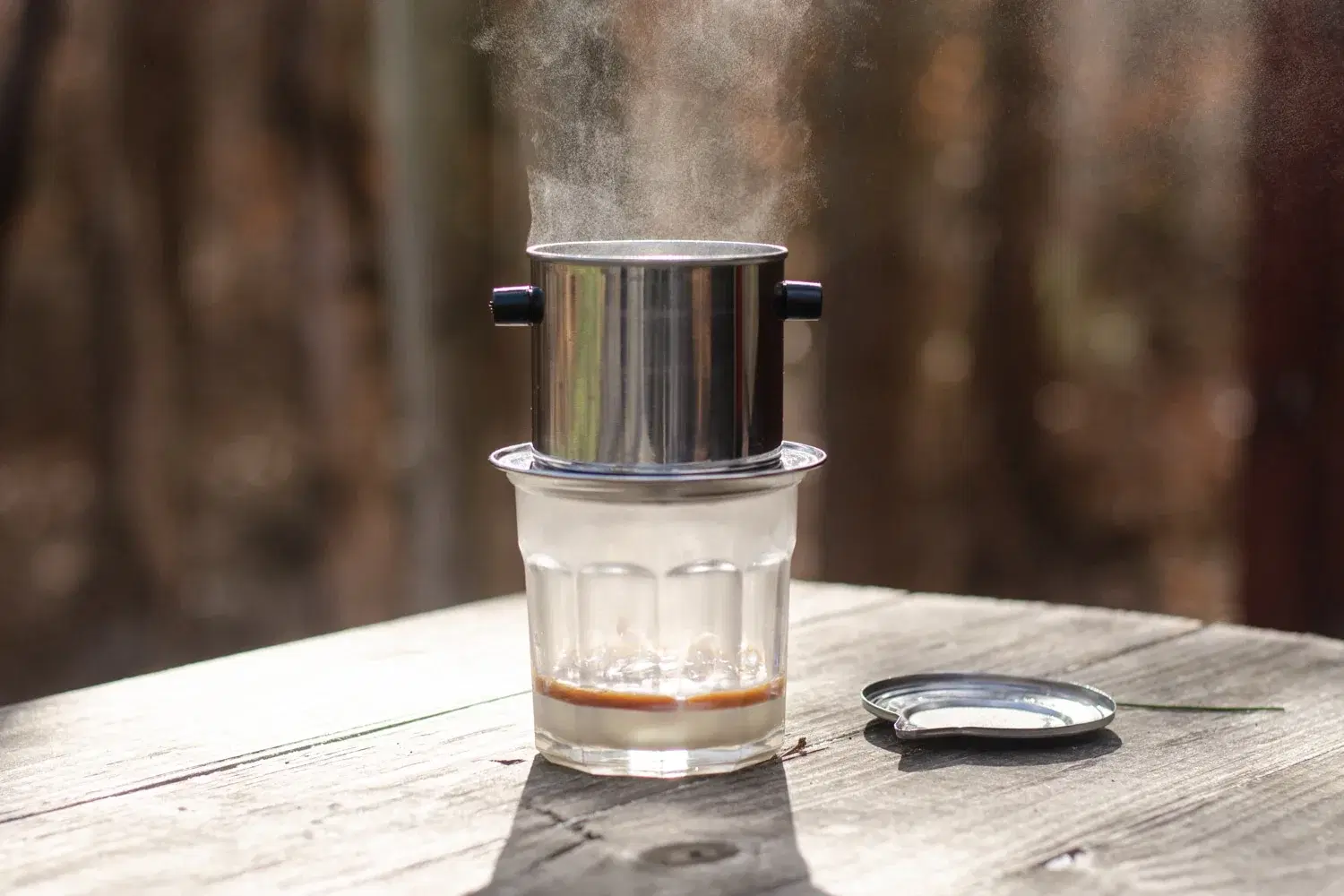
The phin filter is Vietnam's signature coffee brewing device—a small, individual metal filter that sits directly on top of your cup or glass. The process is slow, meditative, and produces coffee that's strong and flavorful.
How the phin filter works:
- Ground coffee (usually dark roast) is placed in the filter chamber
- A small press is inserted to compact the grounds slightly
- Hot water is poured over the grounds
- Coffee slowly drips through into the cup below (takes 4-6 minutes)
- The result is a concentrated, strong coffee
This slow brewing method is central to Vietnamese coffee culture—coffee isn't rushed in Vietnam. It's meant to be savored, often while watching street life or chatting with friends.
Condensed Milk: The Sweet Secret
Sweetened condensed milk became a staple in Vietnamese coffee out of practical necessity during the French colonial period. Fresh milk was difficult to keep refrigerated in Vietnam's tropical climate, so shelf-stable condensed milk became the standard.
Today, condensed milk is integral to Vietnamese coffee's identity. The combination of bitter, strong Robusta coffee with sweet, creamy condensed milk creates a perfect balance that's become iconic worldwide.
Must-Try Vietnamese Coffee Styles
1. Cà Phê Sữa Đá (Iced Coffee with Condensed Milk)
This is the quintessential Vietnamese coffee—and the most popular way coffee is consumed in Vietnam.
What it is: Strong black coffee brewed through a phin filter over sweetened condensed milk, then poured over ice.
Flavor profile: Sweet, creamy, bold, and refreshing—perfect for Vietnam's hot climate.
Where to try it: Literally everywhere—from high-end cafes to street vendors. Street-side plastic stool cafes often serve the most authentic versions.
Price range: Typical price 15,000-35,000 VND ($0.60-$1.40 USD) at local cafes, higher at tourist-oriented establishments
Pro tip: If you want it less sweet, order "cà phê sữa đá ít đường" (iced coffee with condensed milk, less sugar) or ask for the condensed milk on the side.
2. Cà Phê Trứng (Egg Coffee)
Egg coffee is Hanoi's most famous coffee innovation—a creamy, dessert-like beverage that's surprisingly delicious.
What it is: Strong black coffee topped with a thick, creamy foam made from egg yolks, sugar, and condensed milk, whipped into a meringue-like consistency.
History: Invented in the late 1940s by Nguyễn Văn Giang at the Sofitel Legend Metropole Hotel in Hanoi. During a milk shortage, Giang experimented with whisked egg yolks as a substitute, creating this iconic drink. He later opened Giang Café (Cà Phê Giảng), which still operates today and remains the most famous place to try authentic egg coffee.
Flavor profile: Rich, sweet, creamy, and almost custard-like. The egg foam is thick enough to hold a spoon upright.
Where to try it:
- Giang Café (original location): 39 Nguyễn Hữu Huân, Hoàn Kiếm, Hanoi
- Café Dinh: Another historic Hanoi egg coffee spot
- Many cafes throughout Hanoi now serve their own versions
Price range: Typically 30,000-50,000 VND ($1.20-$2 USD)
Pro tip: Drink it while hot—the egg foam settles as it cools. Stir the foam into the coffee or enjoy them separately.
3. Cà Phê Đen (Black Coffee)
Vietnamese black coffee is not for the faint of heart—it's intensely strong and concentrated.
What it is: Pure black coffee brewed through a phin filter, served hot or iced (cà phê đen đá).
Flavor profile: Bold, bitter, intense, and highly caffeinated. The Robusta beans create an earthy, strong flavor.
Who it's for: Coffee purists who want to taste the coffee without sweeteners, or those who need maximum caffeine.
Price range: Usually 10,000-25,000 VND ($0.40-$1 USD)
4. Cà Phê Sữa Nóng (Hot Coffee with Condensed Milk)
The hot version of cà phê sữa đá—same delicious combination but without ice.
What it is: Hot coffee brewed over condensed milk, stirred together.
When to order it: Less common in Vietnam's tropical climate, but popular in cooler mountain regions or during Vietnam's brief "winter" months (December-February in the north).
5. Bạc Xỉu
The Vietnamese version of a latte—sweeter and milkier than standard Vietnamese coffee.
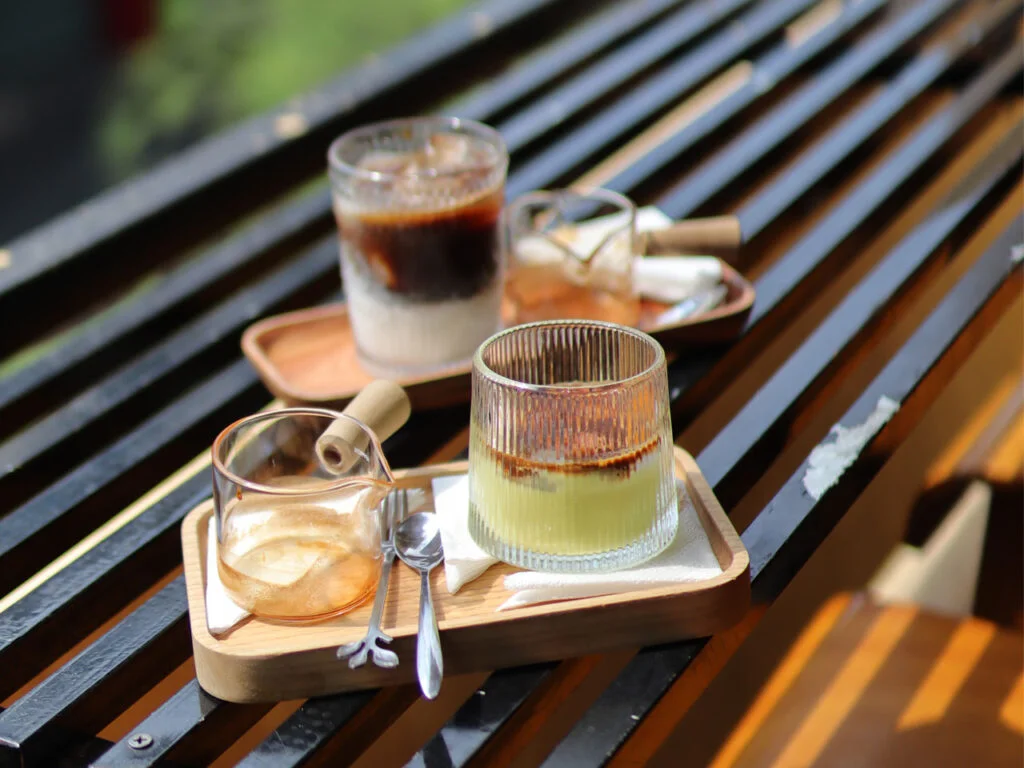
What it is: Coffee with lots of condensed milk and ice, creating a lighter, sweeter drink. The ratio is reversed from cà phê sữa đá—more milk than coffee.
Flavor profile: Sweet, creamy, mild—perfect for those who find Vietnamese coffee too strong.
Origin: Adapted from the Chinese-Vietnamese community in southern Vietnam.
Price range: Similar to cà phê sữa đá, 15,000-40,000 VND
6. Cà Phê Cốt Dừa (Coconut Coffee)
A Central and Southern Vietnamese specialty that combines coffee with coconut milk.
What it is: Iced black coffee mixed with sweetened coconut milk or coconut cream.
Flavor profile: Tropical, creamy, sweet with coconut undertones—refreshing in hot weather.
Where to find it: More common in central and southern Vietnam, particularly in coastal areas.
7. Cà Phê Sữa Chua (Yogurt Coffee)
One of Vietnam's most unusual coffee innovations—surprisingly delicious.
What it is: Black coffee mixed with sweetened yogurt, creating a tangy, creamy drink.
Flavor profile: Tart, sweet, creamy, and refreshing—the yogurt's acidity balances the coffee's bitterness.
Where to find it: Hanoi and northern Vietnam, though increasingly available in other cities.
Legendary Vietnamese Coffee Cafes
Hanoi: The Capital of Egg Coffee
Giang Café (Cà Phê Giảng)
The birthplace of egg coffee and an absolute must-visit for coffee enthusiasts.
History: Founded by Nguyễn Văn Giang in the late 1940s after he invented egg coffee at the Metropole Hotel. Now run by his descendants, the cafe maintains the original egg coffee recipe.
Location: Hidden down a narrow alley off Nguyễn Hữu Huân street in Hanoi's Old Quarter
What to order: Egg coffee (hot or iced), egg beer (yes, really—beer with egg foam)
Atmosphere: Small, crowded, authentically local—you'll likely share a table. The narrow alley entrance adds to the adventure.
Price range: Egg coffee around 35,000-40,000 VND
Café Pho Co (Café at 11 Hàng Gai)
A hidden gem with stunning views of Hoàn Kiếm Lake.
What makes it special: Located on the top floor of a silk shop, with a terrace overlooking the lake and Ngoc Son Temple.
Location: Entrance through a silk shop at 11 Hàng Gai, Hoàn Kiếm District
What to order: Egg coffee or traditional Vietnamese iced coffee while enjoying the view
Atmosphere: Cozy, romantic, peaceful escape from the busy Old Quarter streets below
Café Dinh
Another historic egg coffee institution, often less touristy than Giang.
Location: near Hoàn Kiếm Lake area
What makes it different: Some locals argue Café Dinh's egg coffee is even better than Giang's—you'll have to try both and decide for yourself.
Ho Chi Minh City: Modern Meets Traditional
The Workshop
A trendy specialty coffee roaster that sources beans directly from Vietnamese farmers.
What makes it special: Focuses on high-quality Vietnamese Arabica (rare!) and carefully roasted Robusta, showcasing Vietnamese coffee's quality potential.
Locations: Multiple locations including District 1 and District 2
What to order: Single-origin Vietnamese coffee, pour-over, or espresso drinks
Atmosphere: Modern, minimalist design; popular with young professionals and expats
Trung Nguyên Legend Café
Vietnam's largest coffee chain and a source of national pride.
History: Founded in 1996 by Đặng Lê Nguyên Vũ, Trung Nguyên became synonymous with Vietnamese coffee quality and innovation.
Locations: Dozens of locations throughout HCMC and across Vietnam
What makes it special: Offers creative coffee blends, traditional Vietnamese styles, and upscale cafe atmosphere. They also sell packaged coffee products (great souvenirs).
What to order: Try their "Legendee" coffee or traditional cà phê sữa đá
Street Coffee on Plastic Stools
Don't overlook vỉa hè (sidewalk) coffee culture in HCMC.
Where to find it: Throughout the city, particularly in Districts 1, 3, and Phú Nhuận
What to expect: Tiny plastic stools, excellent coffee brewed fresh with phin filters, minimal English, maximum authenticity
Price: Usually 10,000-20,000 VND—incredibly affordable
Pro tip: Look for places crowded with locals, especially in the morning or late afternoon.
Central Vietnam
Hoi An Roastery
Specialty coffee roaster in the ancient town of Hoi An.
Location: Hoi An Ancient Town area
What makes it special: Sources beans from nearby Central Highlands, offers roasting classes and cuppings
Atmosphere: Charming setting in historic Hoi An
Central Highlands: Coffee Source
Trung Nguyên Coffee Village (Buôn Ma Thuột)
Located in the coffee capital of Vietnam—Buôn Ma Thuột in Đắk Lắk Province.
What it is: Coffee museum, plantation tours, and cafe complex showcasing Vietnamese coffee history and production.
Why visit: See where Vietnamese coffee actually grows, learn about the production process, and taste ultra-fresh coffee.
Getting there: Buôn Ma Thuột is accessible by flight or bus from Hanoi or HCMC.
The Vietnamese Coffee Experience: Cultural Context
Coffee as Social Ritual
In Vietnam, coffee isn't just a caffeine delivery system—it's a social institution. Vietnamese coffee culture emphasizes:
Slow consumption: The phin filter's slow brewing process sets the pace. Coffee is meant to be savored over conversation, not gulped while rushing to work.
Community gathering: Cafes are where business deals are made, friends catch up, and young people socialize. Don't be surprised if you're invited to share a table.
All-day affair: Unlike Western coffee culture focused on morning caffeine, Vietnamese people drink coffee throughout the day—morning, afternoon, even evening.
Watching the world: Many traditional cafes have open fronts facing the street. Sitting on a low stool with your coffee and watching street life is a beloved Vietnamese pastime.
Traditional vs. Modern Cafe Culture
Vietnam's coffee scene encompasses both traditional and modern:
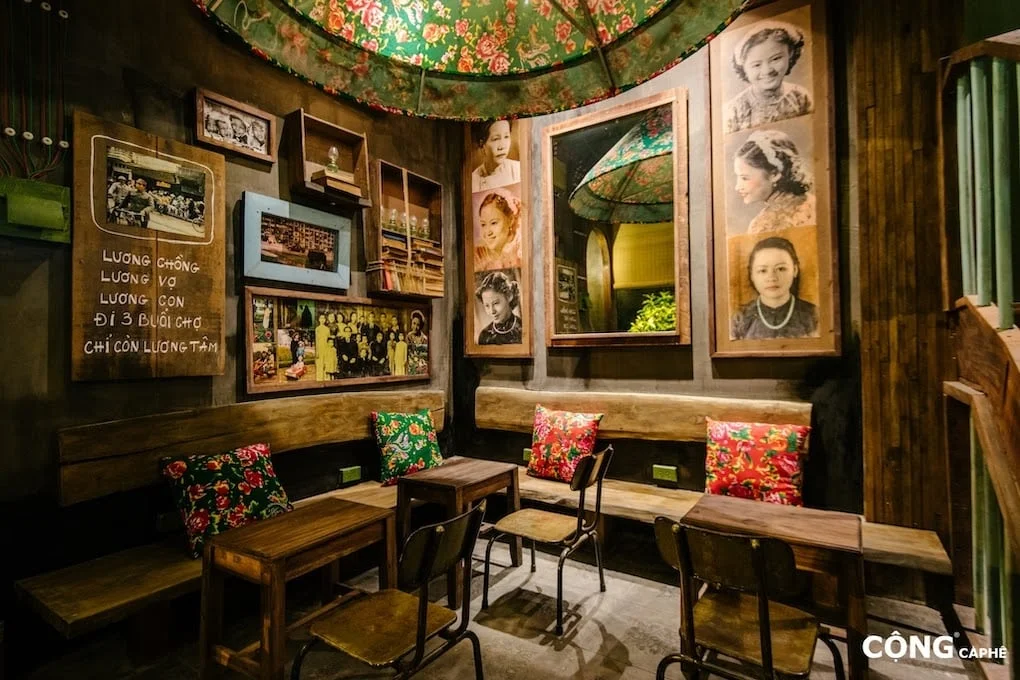
Traditional cafes (often called quán cà phê vỉa hè):
- Sidewalk seating on tiny plastic stools
- Simple, no-frills atmosphere
- Phin filter brewing
- Incredibly affordable (often under $1)
- Frequented by locals, especially older generations
- Limited or no English
Modern specialty cafes:
- Instagram-worthy interior design
- Espresso machines alongside phin filters
- International coffee styles (lattes, cappuccinos, pour-overs)
- Higher prices (often $2-5)
- Popular with young Vietnamese and tourists
- English menus and Wi-Fi
Both are worth experiencing—traditional cafes for authentic local culture, modern cafes for comfort and specialty coffee quality.
Regional Coffee Differences
Northern Vietnam (Hanoi):
- Egg coffee and other creative variations
- Traditional phin filter culture very strong
- Cafe culture centered around Old Quarter and West Lake areas
- Cooler weather means hot coffee more common
Central Vietnam:
- Proximity to coffee-growing regions
- Fresh, locally roasted beans readily available
- Coconut coffee popular in coastal areas
Southern Vietnam (Ho Chi Minh City):
- Faster-paced cafe culture
- More modern, international-style cafes
- Iced coffee dominates due to hot climate
- Sidewalk coffee stool culture very strong
- Influence from Chinese-Vietnamese community (bạc xỉu)
How to Order Coffee in Vietnam: Practical Tips
Essential Vietnamese Coffee Vocabulary
- Cà phê = Coffee
- Sữa = Milk (condensed milk)
- Đá = Ice
- Nóng = Hot
- Đen = Black
- Trứng = Egg
- Ít đường = Less sugar
- Không đường = No sugar
- Một ly = One glass
- Hai ly = Two glasses
Common Orders
- "Cà phê sữa đá, một ly" = One iced coffee with condensed milk
- "Cà phê đen nóng" = Hot black coffee
- "Cà phê trứng" = Egg coffee
- "Bạc xỉu đá" = Iced milk coffee (more milk than coffee)
Ordering Tips
- Point if needed: Many traditional cafes have menus with pictures, or you can point to what others are drinking
- Cash preferred: Traditional street cafes often don't accept cards
- Don't rush: Your coffee will take 5-10 minutes to prepare with the phin filter
- Stir well: The condensed milk settles at the bottom—stir thoroughly before drinking
- Try it local style: Don't be afraid to sit on the tiny plastic stools—it's part of the authentic experience
Price Expectations (2026)
- Street/sidewalk cafes: 10,000-25,000 VND ($0.40-$1 USD)
- Local neighborhood cafes: 15,000-40,000 VND ($0.60-$1.60 USD)
- Modern specialty cafes: 40,000-100,000 VND ($1.60-$4 USD)
- High-end hotel cafes: 100,000+ VND ($4+ USD)
Best Times and Places for Coffee in Vietnam
Morning Coffee (6:00 AM - 9:00 AM)
Vietnamese morning coffee culture starts early. Join locals for coffee before work:
Where: Traditional sidewalk cafes, especially near markets What to order: Cà phê sữa đá or cà phê đen Vibe: Busy, social, energizing start to the day
Afternoon Coffee (2:00 PM - 5:00 PM)
Afternoon coffee is a beloved tradition—a break from the day's heat and work.
Where: Any cafe, but modern air-conditioned cafes are popular during the hottest hours What to order: Iced coffee varieties, coconut coffee, yogurt coffee Vibe: Relaxed, social, escaping the midday heat
Evening Coffee (7:00 PM - 10:00 PM)
Yes, Vietnamese people drink coffee in the evening—Robusta's strong caffeine doesn't seem to affect sleep habits!
Where: Cafes with outdoor seating, rooftop cafes What to order: Any style, though some prefer bạc xỉu (less strong) in the evening Vibe: Social gathering, date spot, watching street life
Combining Coffee with Your Vietnam Trip
Coffee Neighborhoods to Explore
Hanoi's Old Quarter: Dense concentration of traditional and historic cafes, especially around Hoàn Kiếm Lake
Hanoi's West Lake (Tây Hồ): Trendy, modern cafes popular with expats and young Vietnamese
HCMC District 1: Mix of traditional street coffee and modern specialty cafes
HCMC Districts 2 & 7: Home to many new specialty coffee roasters
Hoi An Ancient Town: Charming cafes in historic setting
Coffee Tours and Experiences
Some tour operators offer coffee-focused experiences:
- Coffee plantation visits in the Central Highlands
- Coffee cupping and tasting sessions
- Barista classes and phin filter brewing workshops
- Hanoi coffee walking tours
Bringing Vietnamese Coffee Home
Want to recreate the experience at home?
What to buy:
- Phin filter: Inexpensive, widely available in Vietnam (or online)
- Vietnamese coffee: Trung Nguyên, Highlands Coffee, or local roasters
- Condensed milk: Available internationally, but Vietnamese brands taste more authentic
Where to buy:
- Coffee brands have shops throughout Vietnam
- Supermarkets carry various brands
- Ben Thanh Market (HCMC) or Đồng Xuân Market (Hanoi) for souvenirs
Brewing tips for home:
- Use dark roast Vietnamese coffee (or any Robusta blend)
- Grind slightly coarser than espresso
- Use the phin filter with 2-3 tablespoons coffee
- Pour small amount of hot water, wait 30 seconds for bloom
- Add remaining hot water, wait 4-6 minutes for drip
- Pour over ice and condensed milk
Planning Your Vietnam Coffee Adventure
Visa Requirements for Your Coffee Journey
Before you embark on your Vietnamese coffee adventure, make sure you have your travel documents in order. Most international visitors need a visa to enter Vietnam.
The Vietnam e-visa is the most convenient option for tourists—you can apply online and receive your visa electronically without visiting an embassy. The e-visa allows single-entry or multiple-entry stays of up to 90 days, perfect for exploring Vietnam's coffee culture from Hanoi to the Central Highlands to Ho Chi Minh City.
You can apply for your Vietnam e-visa here and receive it within 3 business days. For those planning last-minute trips or needing urgent travel, priority e-visa handling is available with faster processing times.
Pro tip: Apply for your e-visa at least 1-2 weeks before your trip to avoid any stress. Once approved, print your e-visa and bring it with you—you'll need to show it at immigration when you arrive in Vietnam.
Recommended Coffee Itineraries
3-Day Hanoi Coffee Tour
- Day 1: Old Quarter traditional cafes + Giang Café egg coffee
- Day 2: West Lake modern cafes + hidden rooftop cafes
- Day 3: Café Pho Co + street coffee crawl
Week-Long Coffee Journey
- Days 1-2: Hanoi (egg coffee, traditional cafes)
- Days 3-4: Central Highlands/Buôn Ma Thuột (plantation tours)
- Days 5-6: Ho Chi Minh City (modern cafes, street coffee)
- Day 7: Relaxing coffee in coastal city (Nha Trang, Da Nang, or Hoi An)
Best Months for Coffee Tourism
Anytime is good for coffee, but consider:
- October-April: Cooler, dry season—best for Central Highlands plantation visits
- Coffee harvest season: October-March in the Central Highlands
- Avoid: September-October typhoon season in central Vietnam
Coffee Culture Etiquette
Do's:
- Take your time: Don't rush your coffee—it's meant to be savored
- Try it local style: Sit on the low plastic stools at street cafes
- Stir thoroughly: Especially with condensed milk drinks
- Engage with locals: Coffee culture is social—don't be shy
- Tip: Not traditionally expected, but appreciated at tourist-oriented cafes (5-10% or round up)
Don'ts:
- Don't expect speed: Phin filter coffee takes time to brew
- Don't judge by appearances: The best coffee is often at the simplest-looking places
- Don't only stick to tourist cafes: Venture to local neighborhood cafes for authentic experiences
- Don't skip the egg coffee: Even if it sounds strange—it's delicious!
Beyond Coffee: Complete Vietnam Travel Resources
While experiencing Vietnam's incredible coffee culture, you'll want to explore the country's other attractions as well.
For comprehensive information on planning your entire Vietnam trip—from choosing the best airports to enter Vietnam, to safety tips, to cultural insights—check out our Complete Vietnam Travel Guide 2026. It covers everything from transportation to accommodation to must-see attractions across the country.
For quick airport arrivals and avoiding long immigration lines (especially after a long flight when you're craving that first Vietnamese coffee), consider the Vietnam Airport Fast-Track Service, which expedites you through immigration and customs at major airports including Hanoi, Ho Chi Minh City, and Da Nang.
Conclusion: Why Vietnamese Coffee Culture Matters
Vietnamese coffee is more than just a beverage—it's a window into Vietnamese culture, history, and daily life. From its French colonial origins to its uniquely Vietnamese innovations like egg coffee, from the slow ritual of the phin filter to the social gathering around tiny plastic stools, coffee culture reveals something essential about Vietnam.
The country's transformation from a French colony to the world's second-largest coffee producer mirrors Vietnam's broader story of resilience, adaptation, and innovation. Vietnamese people didn't just adopt coffee—they made it their own, creating something unique that couldn't exist anywhere else.
Whether you're a coffee aficionado seeking the perfect cup, a cultural traveler wanting authentic local experiences, or simply someone who enjoys good coffee in interesting places, Vietnam's coffee culture will exceed your expectations.
So when you visit Vietnam, don't just see the temples and beaches (though do see those too). Slow down, order a cà phê sữa đá, sit on a plastic stool, and watch Vietnamese life unfold around you. That's when you'll truly understand Vietnam—one sip at a time.
Cà phê ngon! (Enjoy your coffee!)
Share:
Created: Mar 07, 2026 | Modified: Mar 10, 2026
Related Posts

Vietnam Digital Arrival Card 2026: Complete Guide
Vietnam now requires all foreign travelers to complete a free Digital Arrival Card before landing at five major international airports. The online Pre-Arrival Information (PAI) system replaces the old paper form and generates a QR code you present at immigration. This guide walks you through the entire process, which airports are covered, common mistakes to avoid, and what to expect at the border.

Vietnam E-Visa Mistakes: 10 Errors That Get You Denied
Most Vietnam E-Visa rejections are not about eligibility. They are caused by preventable application errors: a bad photo, a passport number typo, or the wrong entry port. This guide breaks down the 10 most common mistakes that get E-Visa applications denied in 2026 and shows you exactly how to fix each one before you hit submit.
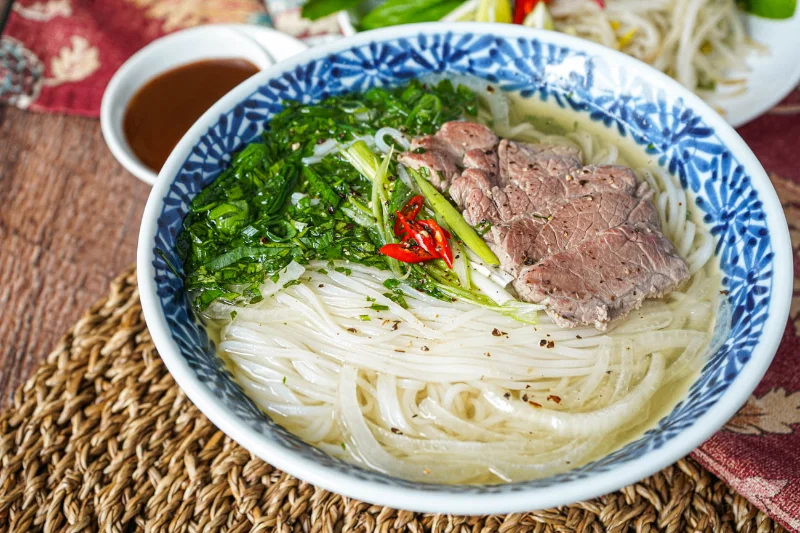
Vietnamese Phở: The Ultimate Guide to Vietnam's Iconic Noodle Soup
Ultimate guide to Vietnamese phở, Vietnam's iconic noodle soup. Learn about phở's history, the profound differences between northern Hanoi-style and southern Saigon-style, how to order and eat phở properly, the best phở restaurants in Hanoi and Ho Chi Minh City, and how to make authentic phở at home. Includes cultural significance, nutrition information, and travel tips for your phở journey across Vietnam.
Table of Contents
- The History of Coffee in Vietnam
- French Colonial Roots (1857-1888)
- Post-War Development and Global Dominance
- From Colonial Beverage to Cultural Institution
- Understanding Vietnamese Coffee: Why It's Different
- The Robusta Advantage
- The Phin Filter: Vietnam's Brewing Method
- Condensed Milk: The Sweet Secret
- Must-Try Vietnamese Coffee Styles
- 1. Cà Phê Sữa Đá (Iced Coffee with Condensed Milk)
- 2. Cà Phê Trứng (Egg Coffee)
- 3. Cà Phê Đen (Black Coffee)
- 4. Cà Phê Sữa Nóng (Hot Coffee with Condensed Milk)
- 5. Bạc Xỉu
- 6. Cà Phê Cốt Dừa (Coconut Coffee)
- 7. Cà Phê Sữa Chua (Yogurt Coffee)
- Legendary Vietnamese Coffee Cafes
- Hanoi: The Capital of Egg Coffee
- Ho Chi Minh City: Modern Meets Traditional
- Central Vietnam
- Central Highlands: Coffee Source
- The Vietnamese Coffee Experience: Cultural Context
- Coffee as Social Ritual
- Traditional vs. Modern Cafe Culture
- Regional Coffee Differences
- How to Order Coffee in Vietnam: Practical Tips
- Essential Vietnamese Coffee Vocabulary
- Common Orders
- Ordering Tips
- Price Expectations (2026)
- Best Times and Places for Coffee in Vietnam
- Morning Coffee (6:00 AM - 9:00 AM)
- Afternoon Coffee (2:00 PM - 5:00 PM)
- Evening Coffee (7:00 PM - 10:00 PM)
- Combining Coffee with Your Vietnam Trip
- Coffee Neighborhoods to Explore
- Coffee Tours and Experiences
- Bringing Vietnamese Coffee Home
- Planning Your Vietnam Coffee Adventure
- Visa Requirements for Your Coffee Journey
- Recommended Coffee Itineraries
- Best Months for Coffee Tourism
- Coffee Culture Etiquette
- Do's:
- Don'ts:
- Beyond Coffee: Complete Vietnam Travel Resources
- Conclusion: Why Vietnamese Coffee Culture Matters