Soccer Culture in Vietnam: A Nation's Passion for Football

Soccer in Vietnam is by far the most popular sport. After several successful tournaments and championship runs in the past years the love for soccer has only increased. In 2018 they placed 2nd in the U23 AFC run, which is higher than any other southeast Asian soccer team has managed to go so far. And the Vietnamese celebrated this accordingly by taking to the streets and letting their joy run free.
But how did soccer in Vietnam become so popular?
The history of soccer in Vietnam
The modern Soccer we know and love has its origins in Europe. And as so many other European influences now found in the Indochina are, soccer in Vietnam came there with the French in the late 19th century. First introduced in Saigon by French soldiers and merchants, locals quickly adopted the sport and founded a club. Soccer in Vietnam then rose in popularity over the following years.
During the second world war and the Indochina wars playing understandably got halted all over the country. But soon after it was taken up again. When North and South Vietnam got separated, so did their soccer world – each country now had their own teams and leagues. Soccer in Vietnam was especially successful in the south during this time, with the team being one of the strongest in all of Asia.
After the reunification soccer in Vietnam stayed the most popular sport and is until this day.
Soccer in Vietnam today
Today the Vietnam Football Federations administers all professional soccer leagues as well as the national football team. Soccer in Vietnam is part of the national identity and overcomes cultural and monetary barriers, unifying people of all different origins and classes. Celebrations of victorious games are just as spectacular as the games itself, astonishing and even shocking bystanders and tourists.
The national football team of Vietnam now plays in many different tournaments and cups, often ranking higher than other Asian countries. In the Southeast Asian Games of 2019, they even won their first gold medal in 60 years.
The soccer games in Vietnam these days are enjoyable to watch and a must see for any tourist or traveler. Book your tickets for the next match now and celebrate with the locals after a successful win. We will organize the visa for you, so you won't have to worry about anything
You are interested in Vietnamese soccer or got questions to your travel over there? We'll help out! Just contact us.
Let's explore this further.
Health and Safety Considerations
Vietnam is generally a safe destination for travelers, with violent crime against tourists being rare. However, petty theft can occur in crowded areas, so remain aware of your surroundings and secure your valuables. Use hotel safes for passports and excess cash, and keep bags zipped and in front of you in busy markets or on motorbikes. Traffic in Vietnamese cities can seem chaotic to newcomers. Motorbikes dominate the roads, and crossing streets requires patience and confidence. The key is to walk at a steady pace—don't run or stop suddenly, as drivers anticipate your movement. In major cities, pedestrian crossings and traffic lights are becoming more common, making navigation easier. Health-wise, standard travel vaccinations are recommended, including hepatitis A and typhoid. Malaria is only a concern in remote rural areas. Tap water should be avoided; stick to bottled water, which is inexpensive and widely available. Food safety is generally good, especially at busy establishments with high turnover. Travel insurance covering medical emergencies is strongly advised.
Understanding Vietnamese Culture
Vietnamese culture reflects thousands of years of history, blending indigenous traditions with Chinese, French, and American influences. Family remains the cornerstone of society, with strong emphasis on respect for elders and ancestors. This deep-rooted value system shapes daily interactions and celebrations throughout the year. Religious practices in Vietnam are diverse and often syncretic, combining elements of Buddhism, Taoism, Confucianism, and ancestor worship. You'll notice temples, pagodas, and shrines throughout cities and countryside, serving as spiritual centers and architectural landmarks. Visitors are welcome to visit these sacred spaces, though modest dress and respectful behavior are essential. Vietnamese hospitality is legendary. Locals genuinely enjoy sharing their culture with visitors and often go out of their way to help foreigners. Learning a few basic Vietnamese phrases—like "xin chào" (hello), "cảm ơn" (thank you), and "tạm biệt" (goodbye)—will be warmly appreciated and can open doors to more authentic experiences.
Practical Travel Tips
Currency in Vietnam is the Vietnamese Dong (VND). While major hotels and restaurants accept credit cards, cash remains king for street food, markets, and small businesses. ATMs are widespread in cities and tourist areas, offering competitive exchange rates. Carry small denominations for easier transactions, as change can sometimes be an issue. Internet connectivity in Vietnam is excellent, with 4G coverage in most areas and 5G rolling out in major cities. Wi-Fi is available in virtually all hotels, cafes, and restaurants. Consider purchasing a local SIM card at the airport for convenient internet access throughout your trip. Major providers include Viettel, Mobifone, and Vinaphone, offering tourist packages with generous data allowances. Language barriers exist but shouldn't deter travel. English proficiency is growing, especially among younger Vietnamese and in tourist areas. Translation apps help bridge communication gaps. Many attractions offer English signage and audio guides. Patience and a sense of humor go a long way in overcoming language challenges.
Your Journey Awaits
Armed with this knowledge, you're well-prepared to navigate Vietnam with confidence and ease. Remember that the best travel experiences come from balancing careful planning with spontaneous discovery. Stay flexible, keep an open mind, and embrace the unexpected moments that often become your favorite stories. Your Vietnam adventure is closer than you think. Take the next step by securing your travel documents, booking your flights, and getting ready for an unforgettable journey through one of Southeast Asia's most captivating destinations.
Share:
Created: Mar 31, 2021 | Modified: Mar 10, 2026
Related Posts
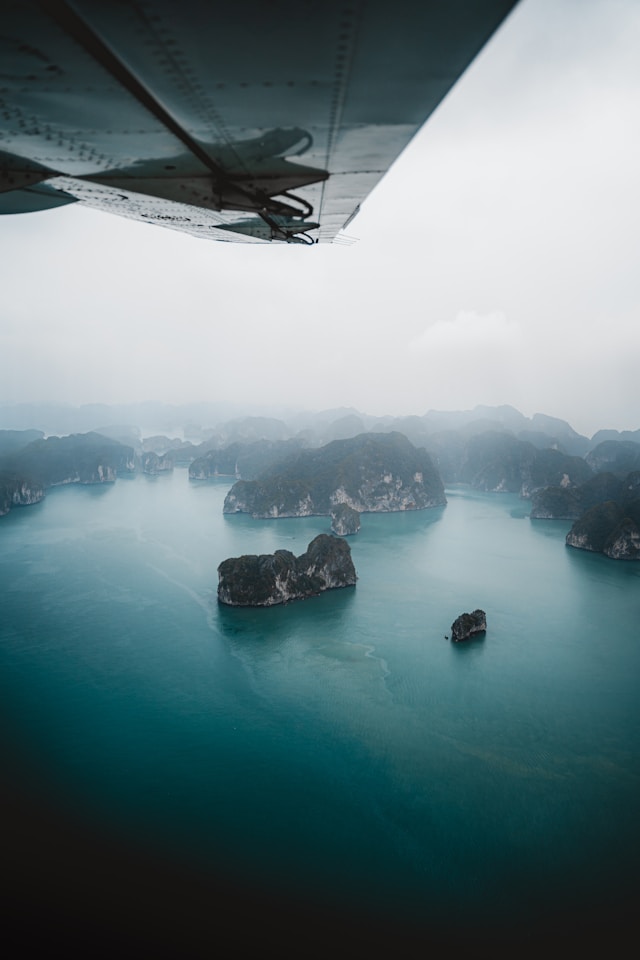
Vietnam Digital Arrival Card 2026: Complete Guide
Vietnam now requires all foreign travelers to complete a free Digital Arrival Card before landing at five major international airports. The online Pre-Arrival Information (PAI) system replaces the old paper form and generates a QR code you present at immigration. This guide walks you through the entire process, which airports are covered, common mistakes to avoid, and what to expect at the border.
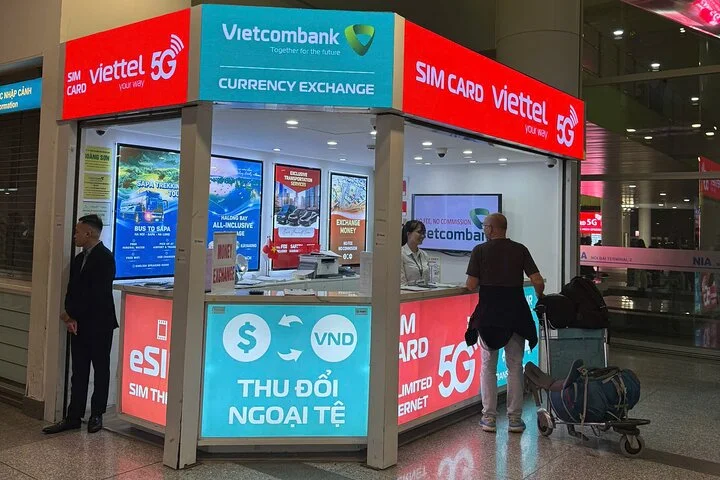
Vietnam SIM Card & Internet Guide 2026: Complete Connectivity Handbook for Travelers
Staying connected during your Vietnam trip is essential for navigation, communication, booking services, and sharing your experiences. Vietnam offers excellent mobile connectivity with three major providers (Viettel, Vinaphone, Mobifone) offering affordable data plans, widespread 4G coverage, and expanding 5G networks. Tourist SIM cards are readily available at airports, convenience stores, and mobile shops, with unlimited data plans starting from just $3-5 USD. This comprehensive guide covers everything you need to know about purchasing SIM cards, choosing the right data plan, understanding eSIM options, finding WiFi, and staying connected throughout Vietnam in 2026.
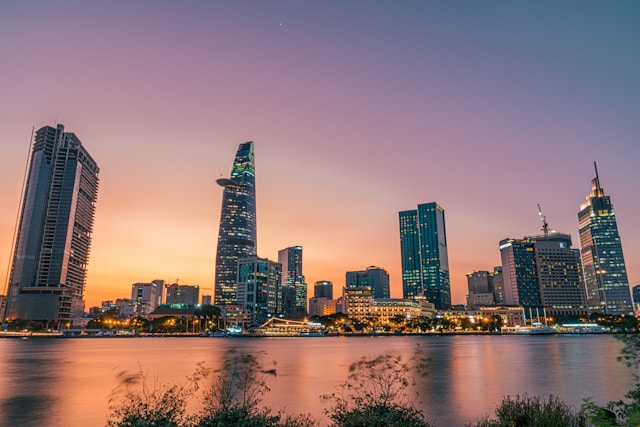
Vietnam Visa Overstay: New Fines & Penalties (Decree 282/2025)
Vietnam doubled its maximum visa overstay fine to VND 40 million (~$1,520) under Decree 282/2025, effective December 15, 2025. The new rules introduce 7 escalating fine brackets, allow deportation from just 16 days of overstay, and carry long-term consequences including blacklisting and entry bans. This guide breaks down the full fine schedule, explains what to do if you have already overstayed, and shows you how to prevent it.